
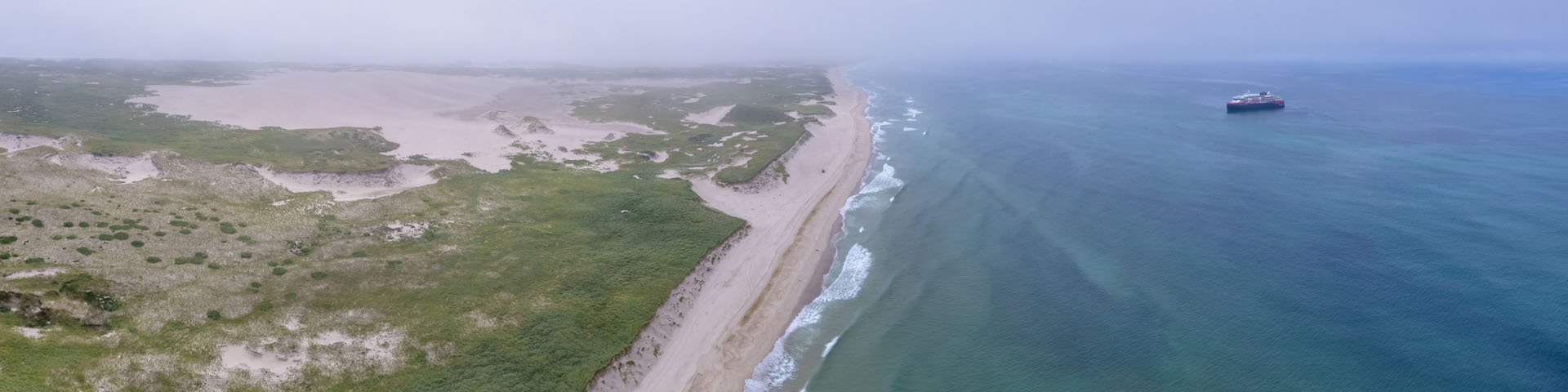
Prepare for your trip to Sable Island
Sable Island National Park Reserve
Prepare for a trip of lifetime to Sable Island — what to expect, how to prepare and what to bring!
Permission required
All visitors must travel with a Parks Canada–licensed operator or obtain approval from Parks Canada before visiting Sable Island. Independent trips are not allowed without written authorization.
On this page
- Accessibility
- Visiting an extremely remote and isolated location
- Preparing for a wilderness-style experience
- Understanding potential hazards
- Follow the rules
- Self-reliance and personal safety
- Planning for delays and cancellations
- What to bring to Sable Island and what to leave at home
- Did you know?
Accessibility
Please be aware that Sable Island is a rugged environment and is not suitable for visitors with reduced mobility.
Visiting an extremely remote and isolated location
The natural environment can be hazardous if you are not prepared. This is especially true on Sable Island which is an extremely remote location. The normal range of commercial, municipal and medical services is not available.
The nature of the environment on Sable Island means that hazardous conditions will frequently exist and visitors should exercise extra caution and be prepared.
Preparing for a wilderness-style experience
- The island is explored entirely on foot — be ready for several hours of walking on soft, loose sand and uneven terrain
- There are no formal trails, the terrain is natural and shifting
- Sable Island is an extremely remote environment
- There is no cellular reception on the island
Understanding the potential hazards
When you arrive on Sable Island, ask Parks Canada personnel about known or temporary hazards on the island.
Please be aware of hazards in the terrain:
- Quicksand, salt-water slush and ice covered water
- Flood conditions
- Uneven terrain, unstable ground and steep slopes
- Flotsam and jetsam, litter and debris on the beach
- Unstable banks and temporary drainage rivers
Follow the rules
- Review the biosecurity measures in place to protect Sable Island
- Review the Parks Canada visitor guidelines for Sable Island
- Review the safety information for visitors to Sable Island
- Please follow your transporter’s and/or tour operator’s instructions
Self-reliance and personal safety
- Prepare to be self-reliant and responsible for your own safety
- Discuss with your tour guide which method of on-island communication will be used for your trip
- Carry food and water on your hike
- Be sure to note the emergency contact numbers before your visit
- Carry dry clothing in a waterproof pack, especially when travelling away from the Main Station area
- Ensure that someone on the island knows your travel plans including:
- departure time
- route
- expected time of return
Planning for delays and cancellations
- Visits and landings are not guaranteed
- Delays and cancellations could happen when attempting to travel to the island or depart from the island
- Delays and cancellations are common due to poor weather, beach conditions or the lack of a safe landing area — weather conditions are highly unpredictable
- Travel flexibility is essential — trips may be delayed and rescheduled to the next day, or delays might last a day, two days or several days
- Ensure you have adequate supplies, including any prescribed medication, to accommodate unplanned delays
- In the event of an unplanned overnight stay on Sable Island, standard fees apply for accommodation and emergency food rations
What to bring to Sable Island and what to leave at home
What to bring to Sable Island
Medicines
- If you are taking medication, ensure that you bring sufficient supplies for the duration of your visit
- Bring extra quantities of medication in case of unplanned delays
- If you, or anyone in your group, have known allergies, you must provide your own medication and ensure you carry it with you at all times
Essential items
- Wear sturdy footwear – consider bringing durable, slip-on ankle boots as this type of footwear is particularly well-suited to Sable Island’s soft sand and variable weather
- Dress in layers
- Bring sun protection: a hat and sunscreen
- Bring wind and water protection: jacket, scarves, hat and lightweight gloves to protect yourself from the chill of the strong Atlantic winds
- Bring a packed lunch and snacks
- Bring personal medications – there is no pharmacy or medical facility
- Bring a comfortable backpack to carry everything
- Bring a camera and extra batteries — every view is unforgettable
- Battery bank or charging cord for cellphones
Emergency items
- Ensure you have adequate supplies, including any prescribed medication, to accommodate unplanned delays
Optional items
- Binoculars
- Compass
- First aid kit
- Gaiters – sand gets everywhere
- Notebook or field guide
What to leave at home
To help protect this fragile ecosystem, the following are not permitted on Sable Island:
- pets
- drones
- metal detectors
Did you know?
It is illegal to collect historic or natural objects from Sable Island National Park Reserve
- Doing so not only disrupts Sable Island’s environment but also interferes with researchers’ efforts to link artifacts to where they were found
- Please leave Sable Island as you found it
- If you believe you have found something significant, leave the item in place and report your finding to Parks Canada
- Date modified :