
Greening Sable Island: A new sustainable micro-grid system
Sable Island National Park Reserve
Parks Canada is investing in green infrastructure projects like the Sable Island sustainable micro-grid system to support Canada's transition to a greener economy.
Sustainable micro-grid system
Project timeline: Installation from fall of 2025 to spring of 2026
Sable Island National Park Reserve is greening its operations by reducing electrical energy needs and upgrading the island’s power generation system to a sustainable micro-grid system.
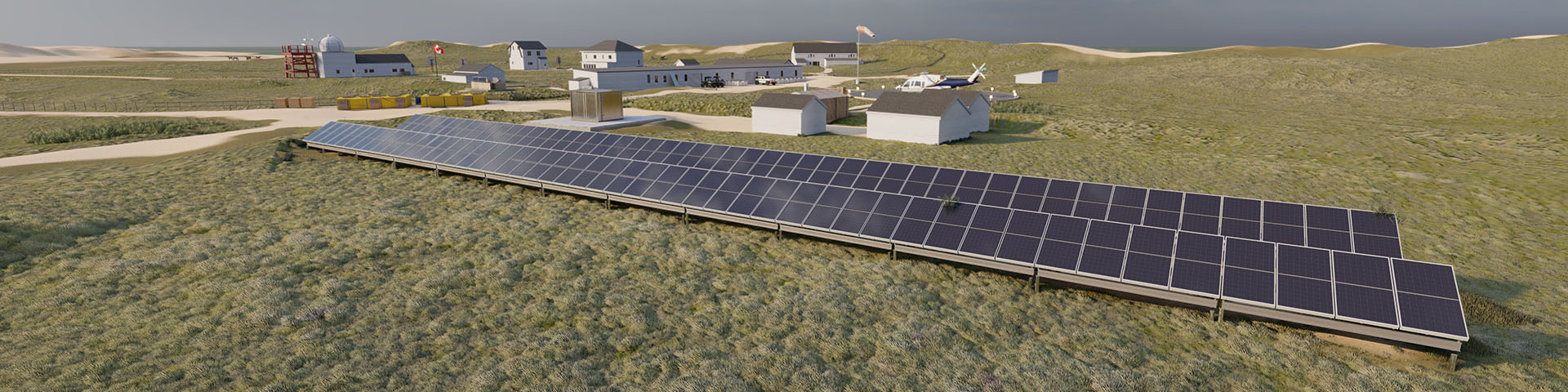
The sustainable micro-grid system consists of solar panels, a battery bank, and two variable speed generators. Variable speed generators respond in real-time to changes in energy needs. This means that the generators will use less fuel when the island needs less energy.
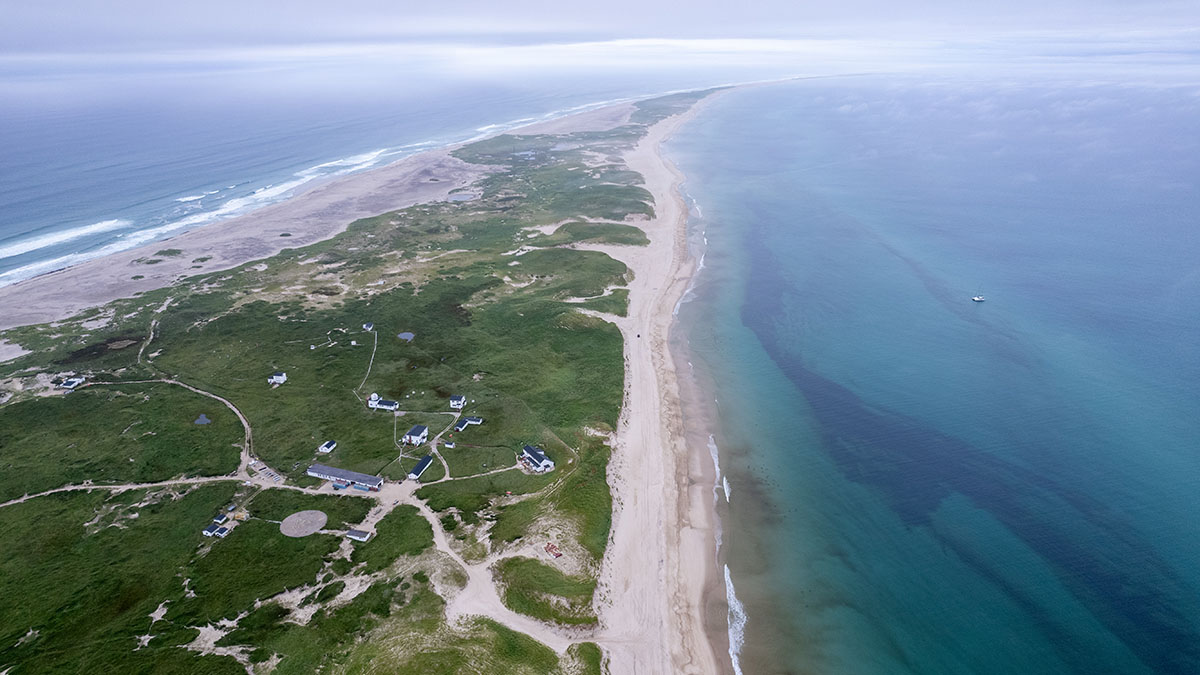
Parks Canada employees and researchers live and work on Sable Island year-round in an area called Main Station. Main Station’s 12 buildings are currently powered by electricity produced solely by a diesel generator.
Reducing greenhouse gas emissions
These changes will decrease the use of fossil fuels and greenhouse gas emissions on Sable Island by a minimum of 50%.
Decreasing the use of fossil fuels on Sable Island supports the Parks Canada Departmental Sustainability Development Strategy and Canada’s Greening Government Strategy goals of reducing greenhouse gas emissions to zero by the year 2050 from all Government of Canada operations.
Designed for Sable Island
The island’s unique weather patterns and its designation as a Migratory Bird Sanctuary mean that common green energy solutions are difficult to implement. Solar power alone is not effective due to inconsistent sunlight from long periods of fog, and wind turbines are not appropriate as they may increase the risk of bird mortality.
This is the first micro-grid system used at a remote Parks Canada location with the goal of reducing fossil fuel use and lowering greenhouse gas emissions. It demonstrates environmental leadership and will serve as a model for other remote, off-grid locations administered by Parks Canada and other federal departments.
Other sustainable projects
Sable Island’s micro-grid is not the only Parks Canada project in Nova Scotia to support Canada’s transition to a greener economy.
Other projects aimed at greening operations at Parks Canada administered placed across Nova Scotia include:
- Kejimkujik National Park and National Historic Site (2022): A photovoltaic (PV) array was installed to generate solar electricity and offset camper electrical use in Jeremy’s Bay Campground
- Cape Breton Highlands National Park (2022): In the design of the new Mkwesaqtuk/Cap-Rouge Campground, Parks Canada integrated innovative climate change mitigation and adaptation solutions, including off-grid solar powered infrastructure and the use of native vegetation to build stable, climate resilient slopes
- Parks Canada is greening operations coast-to-coast-to-coast by moving towards a fully electric fleet of vehicles and retrofitting buildings for better energy efficiency
More information
Parks Canada Departmental Sustainability Development Strategy
- Date modified :