
Fire ban information
Grasslands National Park
A fire ban is a legal restriction on certain types of fires to prevent human-caused wildfires. Some activities are not permitted during a full or partial fire ban.
In a national park, burning illegally could lead to a fine of up to $25,000.
Find out if a fire ban is in place: check the important bulletins or call the Visitor Centre: 1-877-345-2257.
Permitted during a fire ban in front country and day use areas
Use of the following items is permitted during a fire ban:
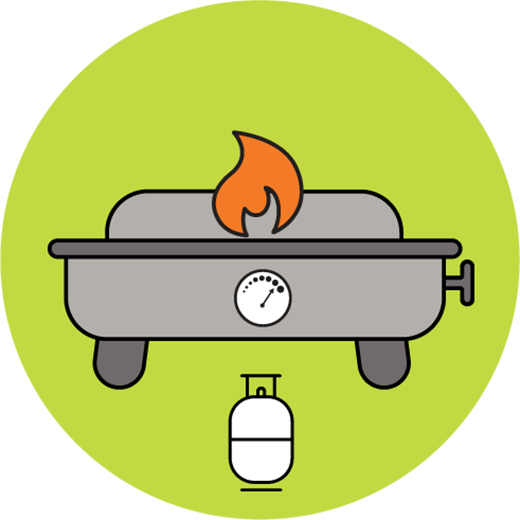
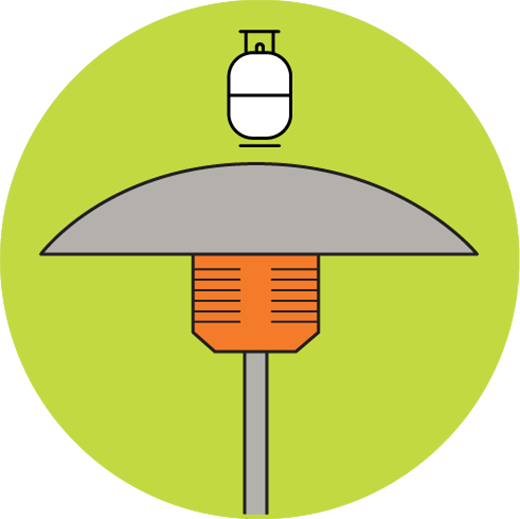
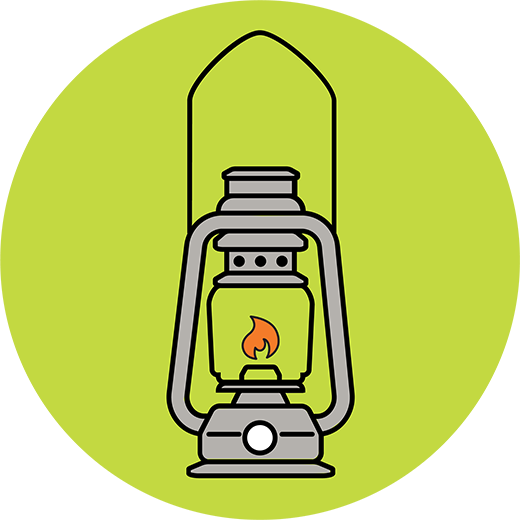
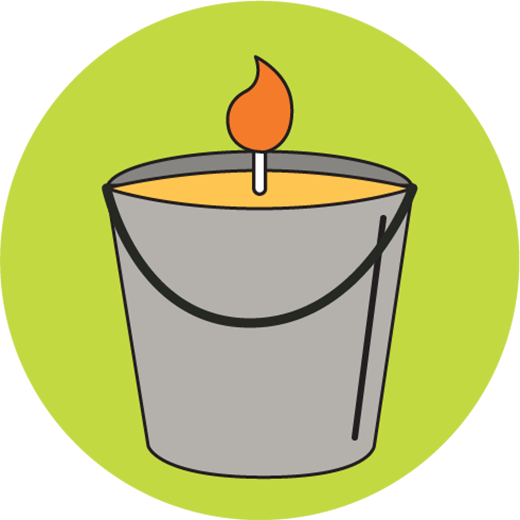
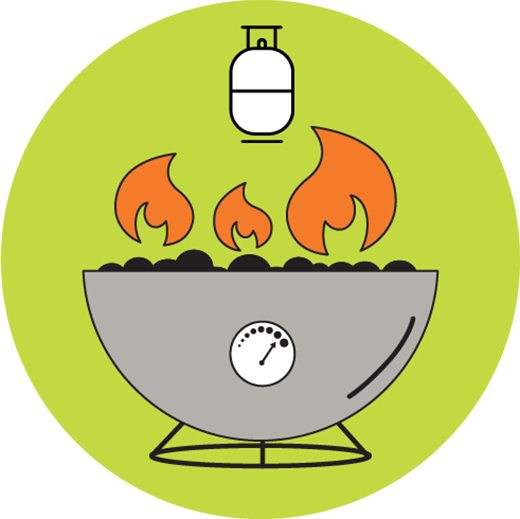
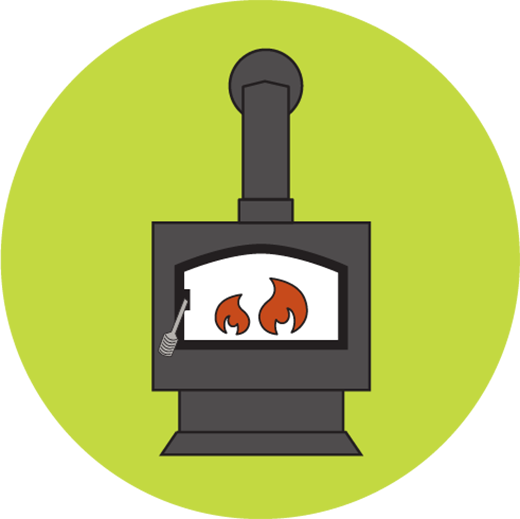
in fully enclosed buildings
Prohibited during a fire ban in front country and day use areas
Use of the following items is prohibited during a fire ban:
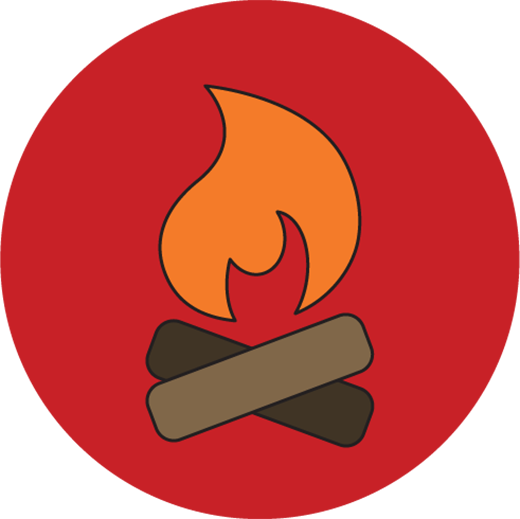
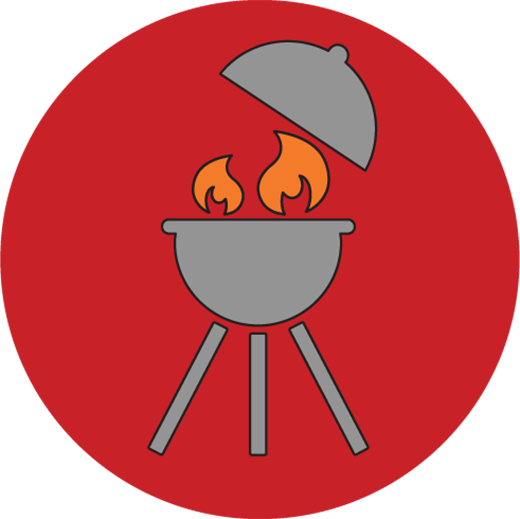

Back country camping during a fire ban
During a fire ban, no open flames, including gas or propane stove or lanterns, are allowed in the back country. Only cold camping is allowed in the back country during a fire ban.
Reasons for a fire ban
Fire bans are based on local fire hazards, current and forecasted weather conditions, the amount of moisture in vegetation, the regional wildfire situation, and the availability of responders and equipment. Current and forecasted conditions are evaluated daily.
Fire ban status is determined by long term trends rather than daily weather or fire danger.
Fire danger index
Fire danger is an index that tells us how easily a fire could start, how difficult a fire may be to control and how long a fire might burn.
Why is there a fire ban even though it is cold and rainy?
It takes a lot of rain to restore moisture to deep soil layers, and grasses that have dried out. Rain quickly evaporates when followed by warm temperatures and wind. This means fire danger can quickly return to high or extreme.
The regional wildfire situation may be more active. It is important for Parks Canada not to have human-caused fires divert resources from naturally caused ones in other areas.
Why is there a fire ban on during the winter?
The ecosystem in Grasslands National Park is made up of a variety of grasses. Though these grasses green up in the spring, by late summer and early fall, they have dried up and continue to be dry throughout the winter. Even though there might be snow and rain precipitation, the grasses remain dry until the following spring, ensuring that there can still be a fire danger in the fall and winter months.
Provincial fire bans do not apply to national parks
Local fire hazards, the availability of responders and equipment, and conditions such as weather, elevation, and grassland health are not always the same in the provincial and national parks.
- Date modified :