
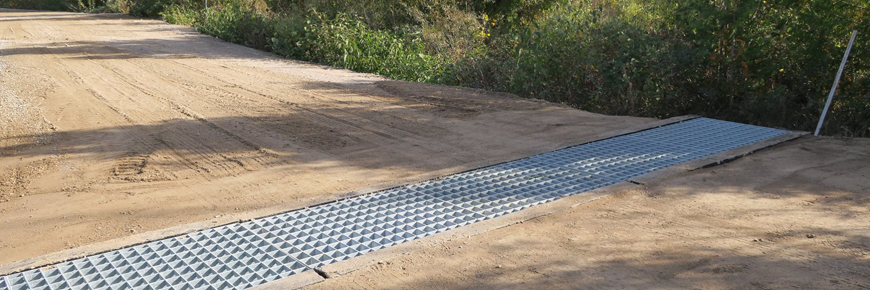
Ecopassages help critters cross the road
Bruce Peninsula National Park
Wildlife is benefitting from the installation of ecopassages at Bruce Peninsula National Park.
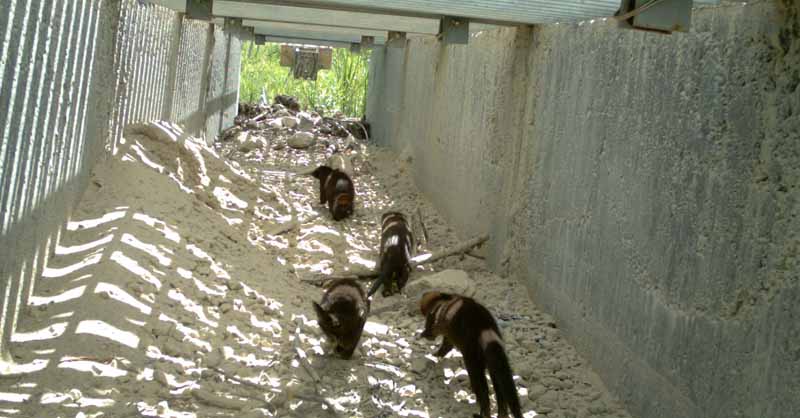
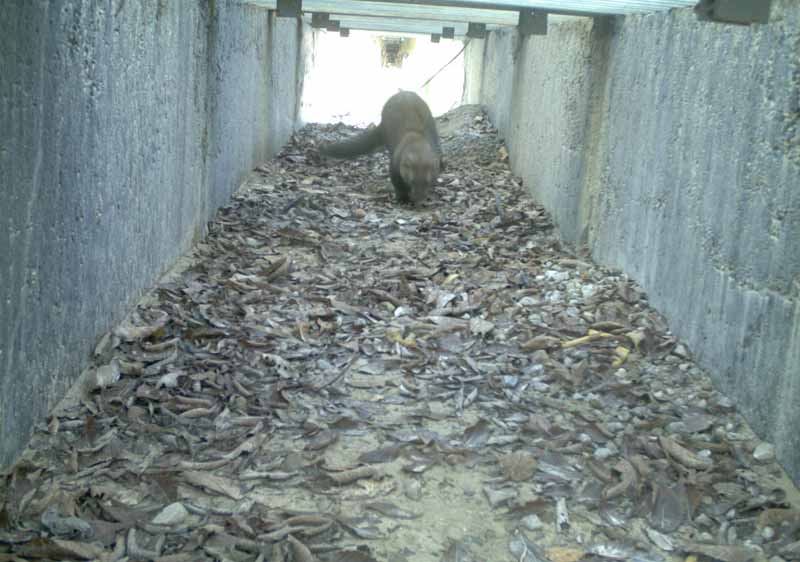
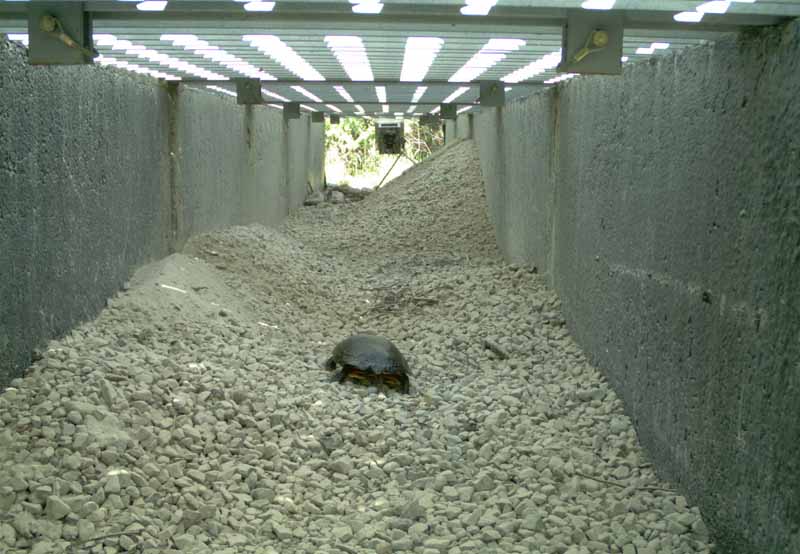
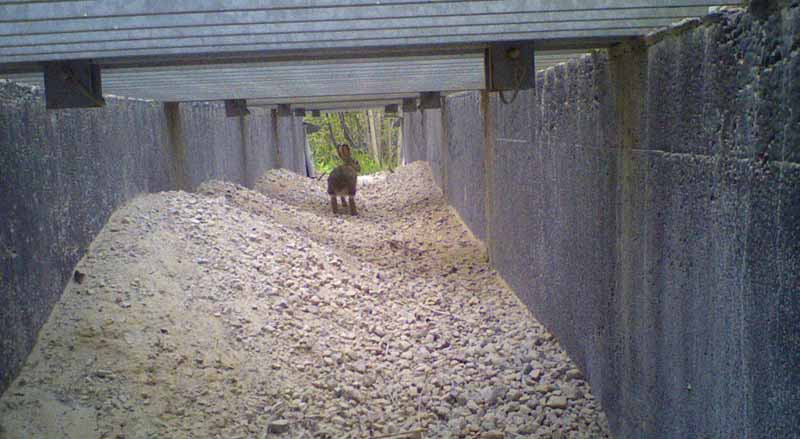
Ecopassages are specialized wildlife tunnels which allow animals to safely cross busy roads. They are especially important in areas where a road fragments critical habitat and prevents animals from reaching their breeding grounds.
Parks Canada scientists have identified seven high priority locations for eco-passages in Bruce Peninsula National Park. These are areas where we’ve traditionally seen a high number of road deaths or injuries to reptiles and amphibians because of cars, also known as “hotspots”.
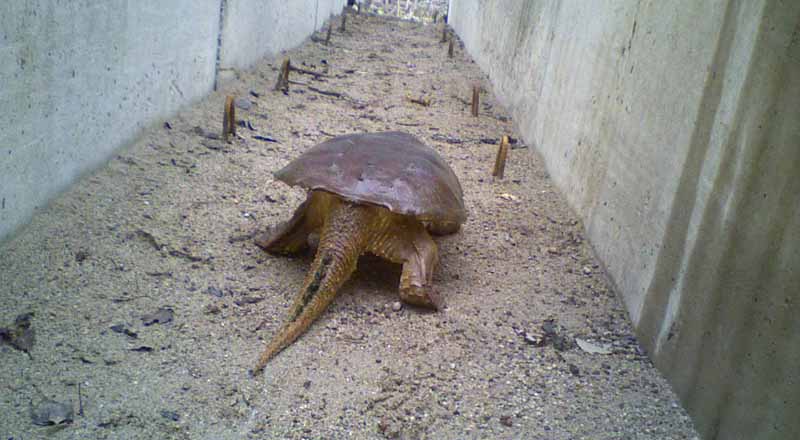
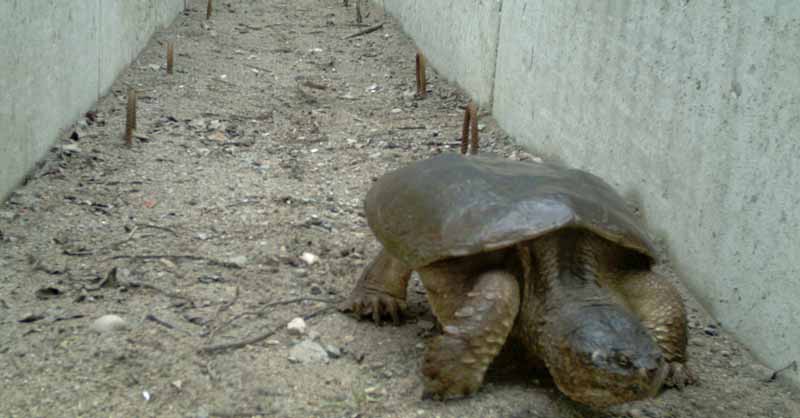
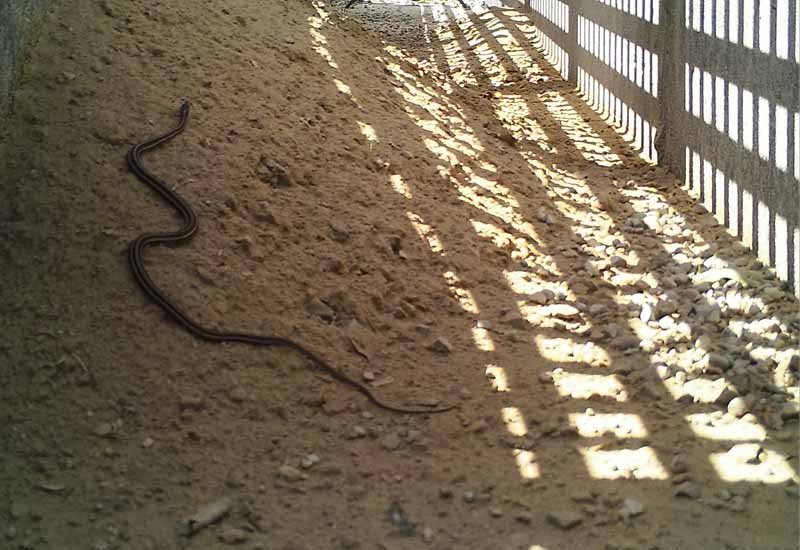
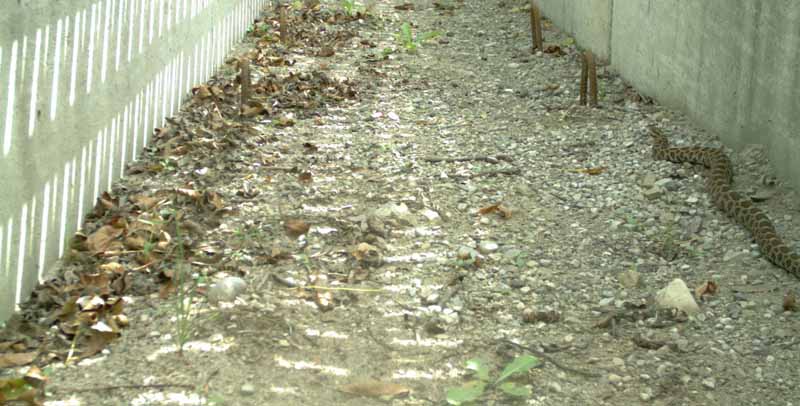
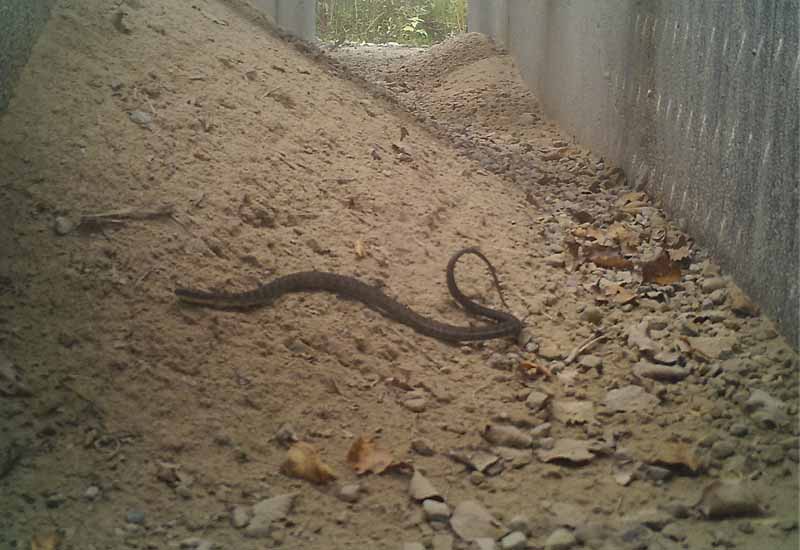
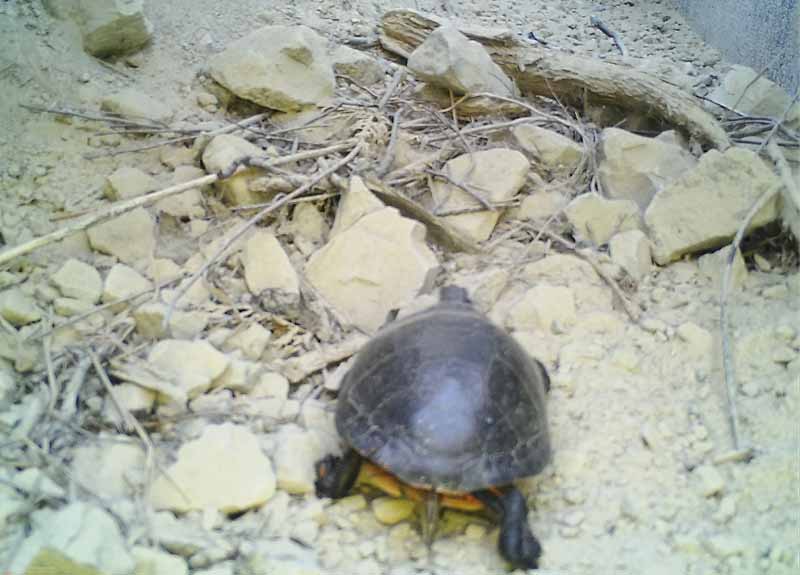
Animals who try to cross the road in these areas will encounter a specialized fence. Snakes, turtles and small mammals such as rodents are not able to crawl over or dig under these fences. Instead they are redirected to a tunnel. These tunnels are specially designed to be more attractive to reptiles and amphibians by allowing sunlight through the top so these cold-blooded creatures (ectotherms) don’t have to go into cold, dark places to get where they are going.
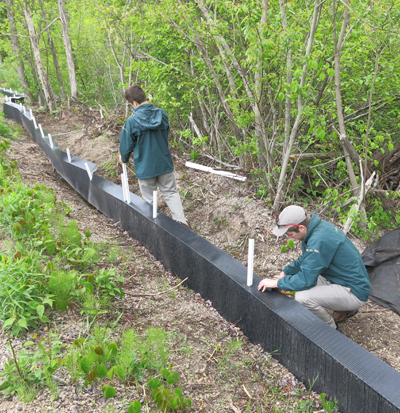
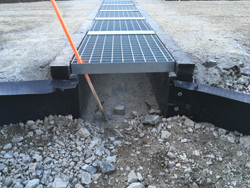
Staff continue to monitor how well this system works, and so far, the results are positive. To date, more than 7, 000 animals have safely crossed roads using ecopassages in the park since they were installed in 2017. This includes 415 observations of species at risk such as snapping turtle, massasauga rattlesnake and eastern ribbon snake, and we are confident that we are on the right path to help these species and others.
Next time you visit Bruce Peninsula National Park, watch for the metal grates on the roads. Those are your sign that we’re working hard to help protect the species within the park.
Date: 2019:01:21 16:20:17
Date: 2019:01:21 16:19:34
Date: 2019:01:21 16:20:58
Date: 2019:01:21 16:21:38
Date: 2019:01:21 16:22:16
Date: 2019:01:21 16:22:52
Date: 2019:01:21 16:23:25
Date: 2019:01:21 16:24:28
Date: 2019:01:21 16:23:55
Date: 2019:01:21 16:24:54
- Date modified :