
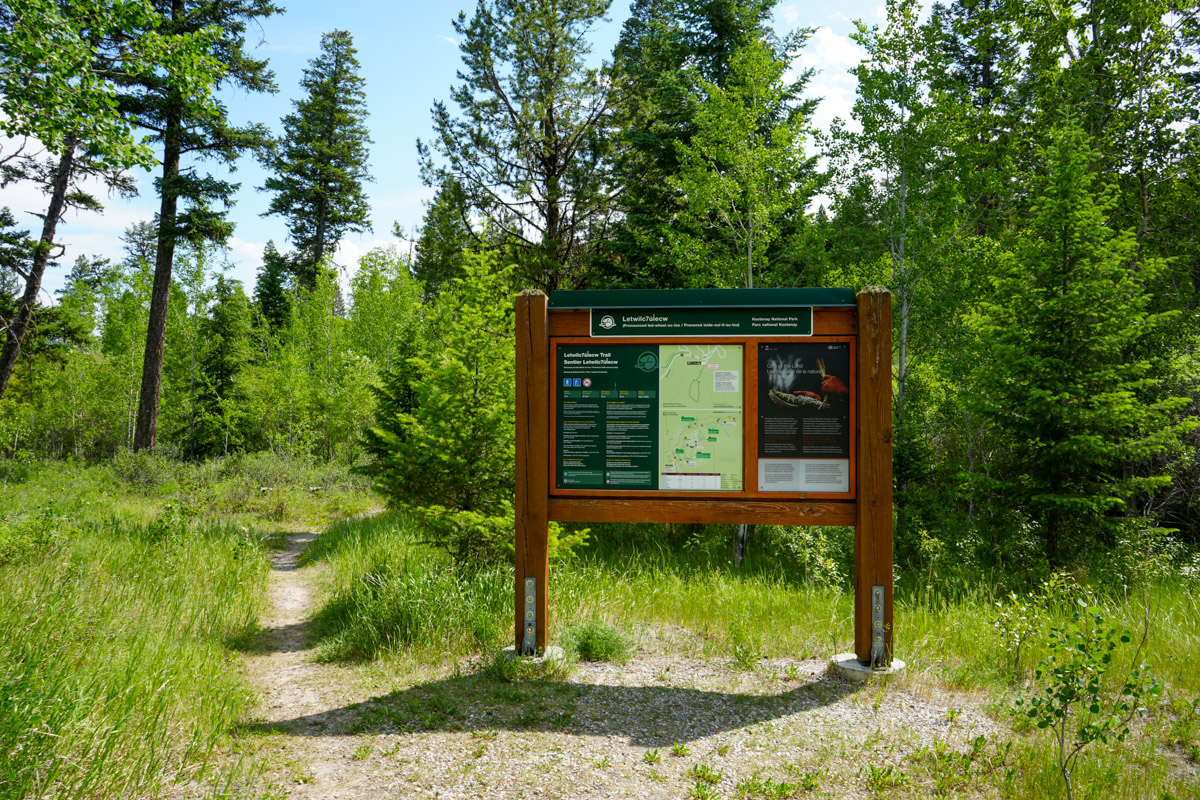
Letwilc7úl̓ecw
Kootenay National Park
About the trail
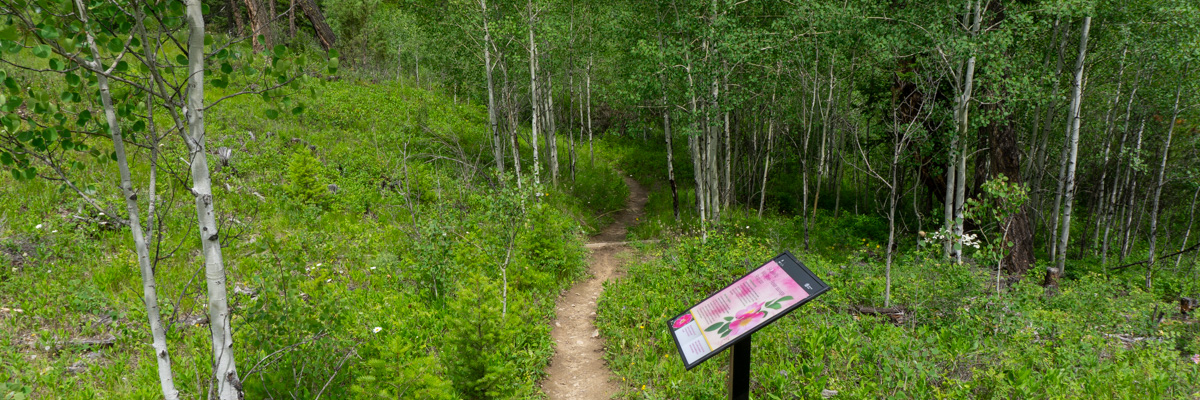
Letwilc7úl̓ecw means “getting better place” or “healing place” in Secwepemctsín (pronounced suh-WEP-muhc-teen), the language of the Secwépemc People. The trail name was decided upon by the Shuswap Band community, representing the many medicinal plants found in the area and the mineral-rich Radium Hot Springs, which are used by local Indigenous groups as a place of rest and healing.
Parks Canada is extremely thankful to Shuswap Band for sharing their knowledge and language through this collaboration.
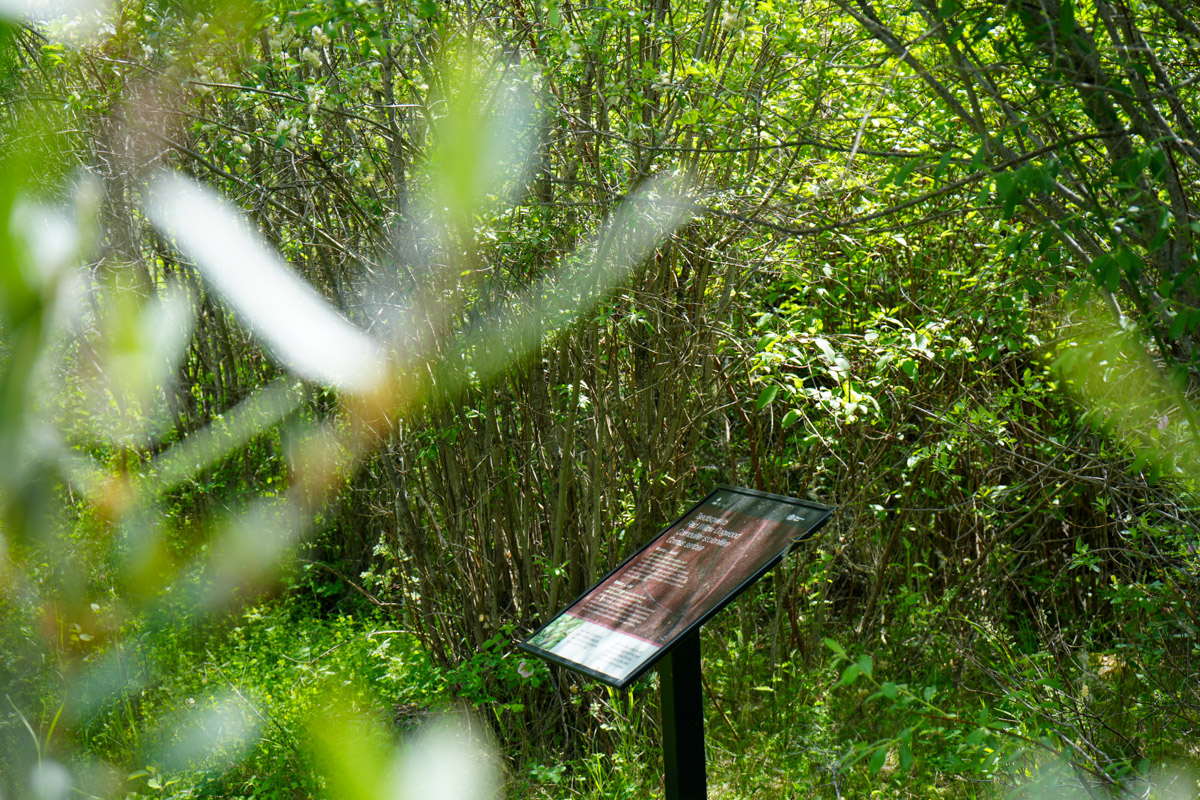
Through this collaborative project, a trail beside Redstreak Campground in Kootenay National Park was renamed and new interpretation panels about medicinal plants were installed. Letwilc7úl̓ecw provides:
- An opportunity for all to learn more about the Secwepemctsín language.
- An opportunity to explore a landscape restored through prescribed fire.
- A place for anyone with an interest in local Indigenous culture or botany to learn more about medicinal plants and their uses.
The interpretive trail experience was created as an extension of the book ‘Styel̓ép - Come Full Circle: A Secwépemc Ethnobotany Handbook, created by Shuswap Band. The book shares traditional knowledge gifted by Shuswap Band Elders and Knowledge Keepers. In the book, 23 different trees, bushes/shrubs, and plants are documented including their traditional uses, Secwepemctsín names and ecology.
Education about traditional uses of plants contributes to opportunities for cultural continuity. This includes the transmission of Indigenous languages, knowledge, teachings and ways of understanding that reflect and regenerate Indigenous ways of life, perspectives and worldviews.
Interpretive infrastructure along the Letwilc7úl̓ecw trail was carefully designed to ensure it can withstand future prescribed fires or other low-intensity fires. The removable panels are mounted on steel pedestals with a powder coating capable of withstanding the high temperatures associated with fire activity.
Interpretation Canada 2023 Awards of Excellence — Gold

In 2023, the Letwilc7úl̓ecw trail signs received a Gold award in Interpretation Canada’s 2023 Awards of Excellence in the “Non-personal Interpretation” category.
This award recognizes the efforts of Shuswap Band and Parks Canada to create a meaningful experience for Band members and visitors to learn more about Secwépemc language and culture.
Gifts of the Land
Secwépemc (pronounced seck-wep-em) (Shuswap) People have been using this area since time immemorial. Long before Kootenay National Park was created, they soaked in the hot springs, travelled through Sinclair Canyon, camped nearby and harvested flora and fauna.
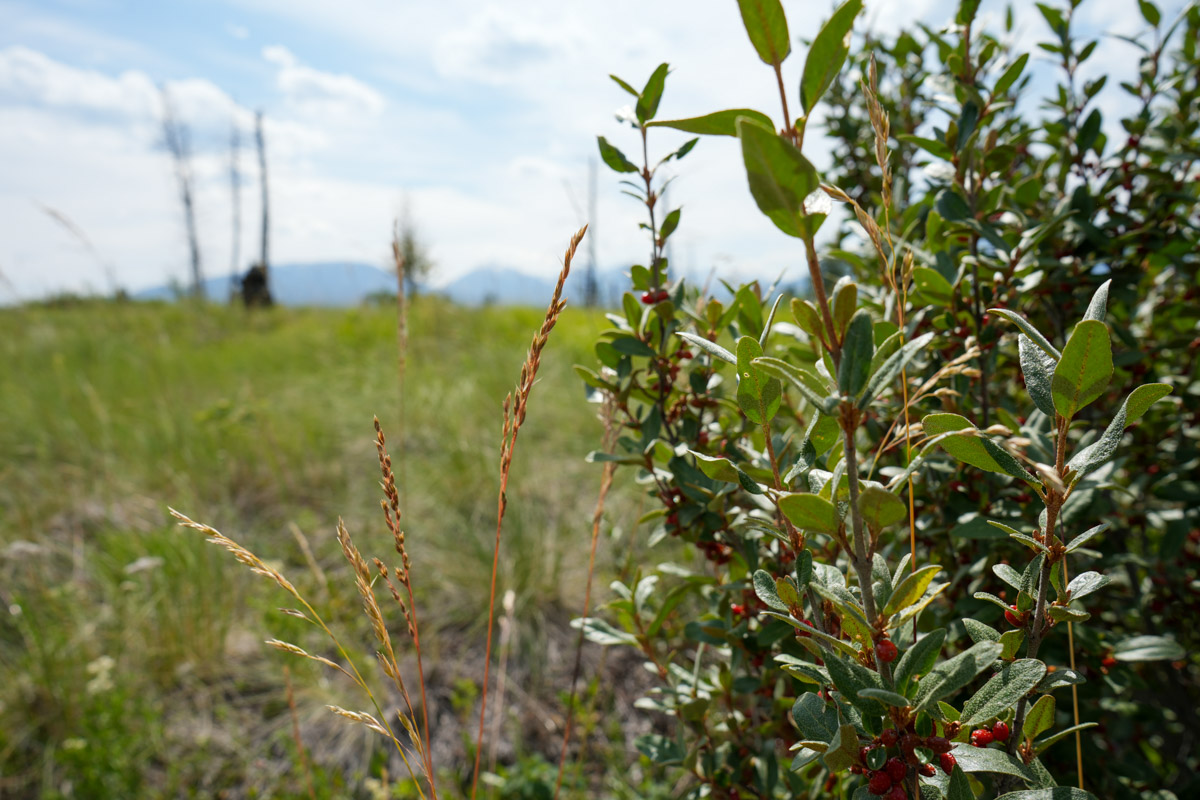
The plants along the trail are medicine to the Secwépemc People and bear amazing gifts. The plants can help maintain health in body, mind and spirit.
Letwilc7úl̓ecw is a learning area located in a national park, so please leave the plants as you find them. Plant medicine can be harmful if used incorrectly.
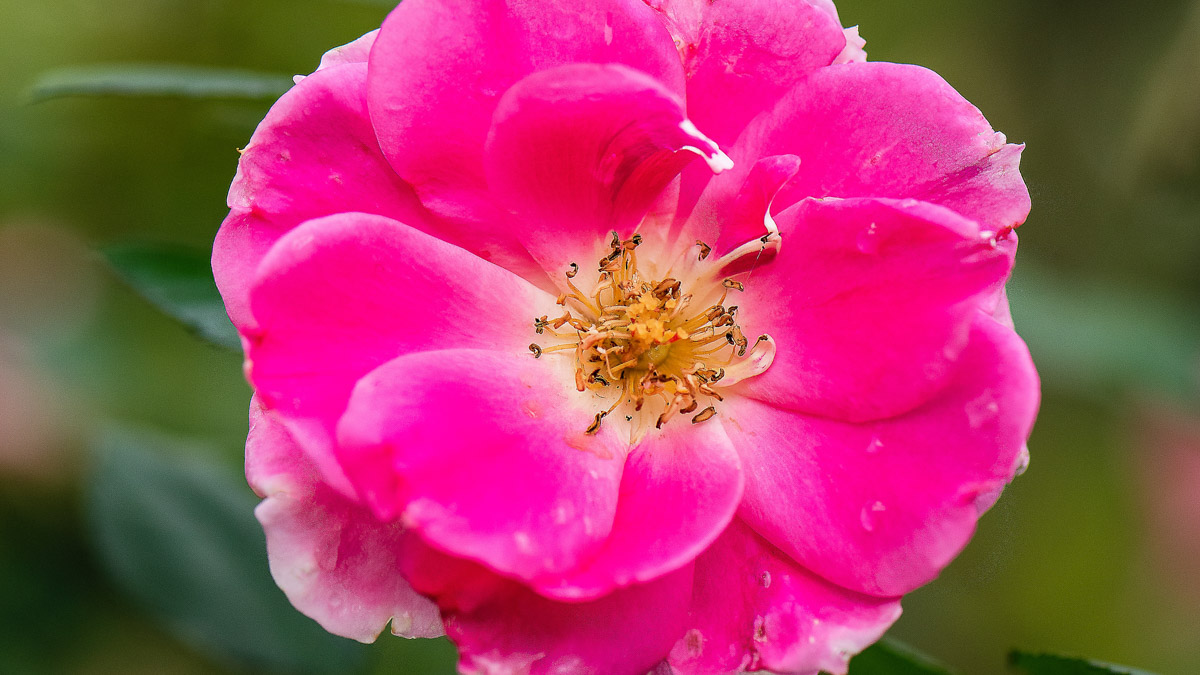
- Sk̓epelen̓llp (sKep-LAN-LTHp)
- Wild rose
- Rosa spp
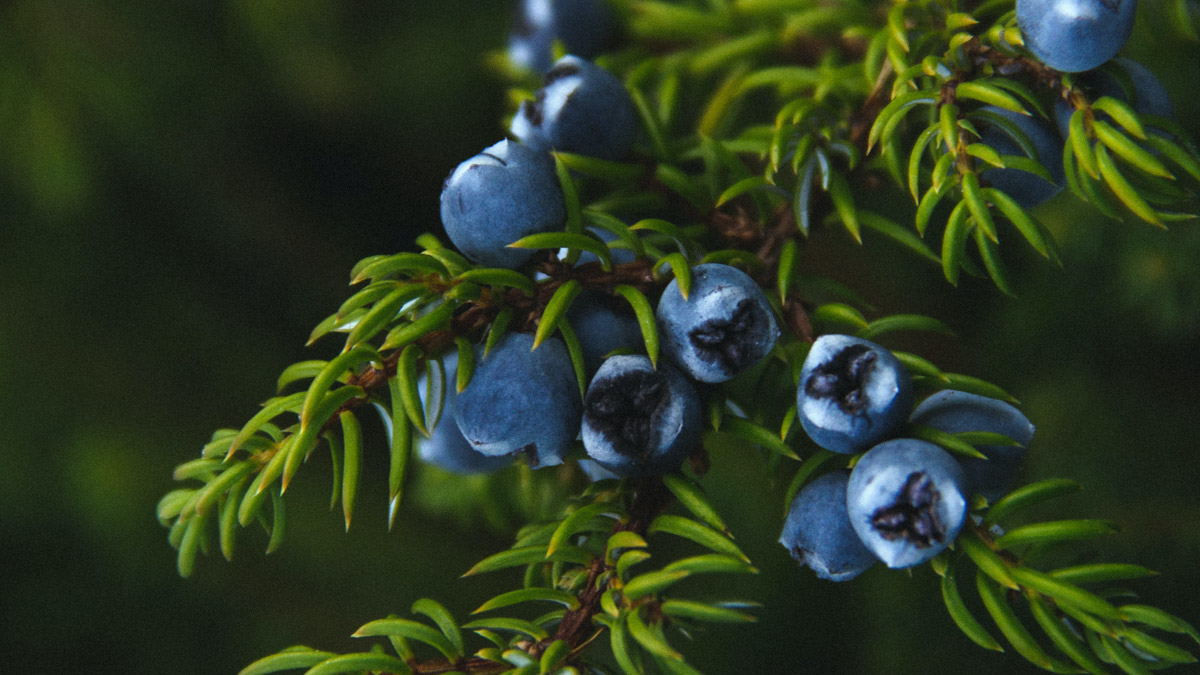
- Punllp (poonLTHp)
- Rocky Mountain juniper
- Juniperus scopulorum
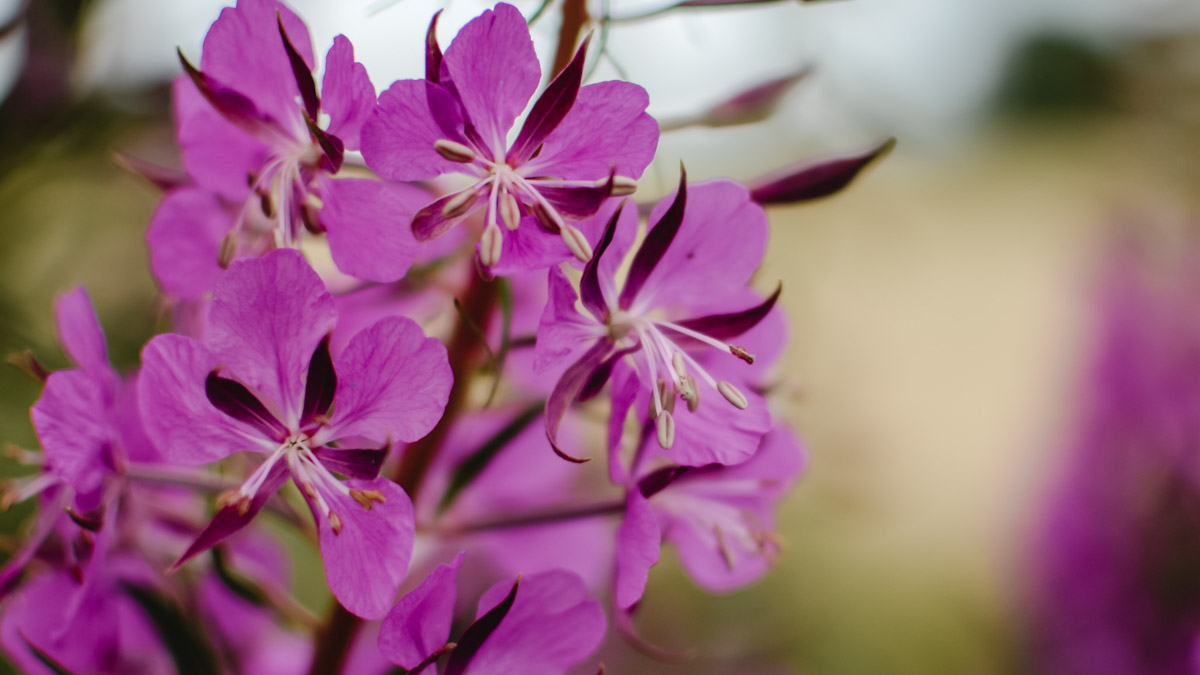
- Ts̓ixnéllp (sCHeeh-nALTHp)
- Fireweed
- Chamaenerion angustifolium
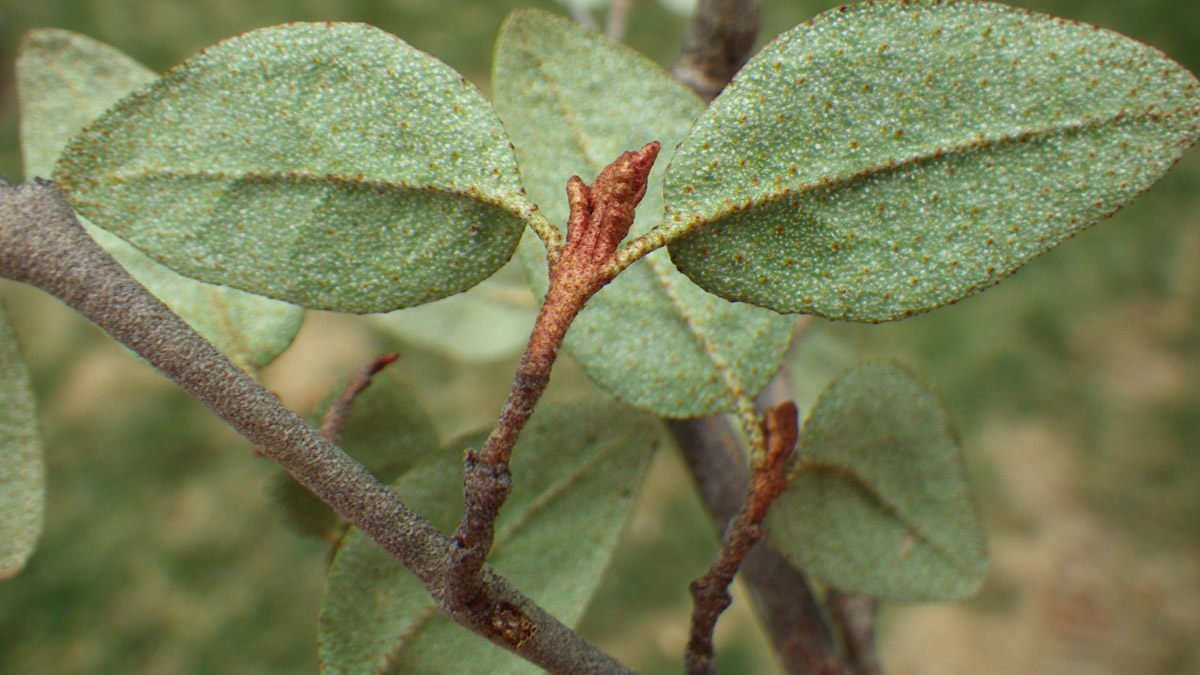
- Sxwesmellp (s-hwes-mALTHp)
- Soopolallie
- Shepherdia canadensis
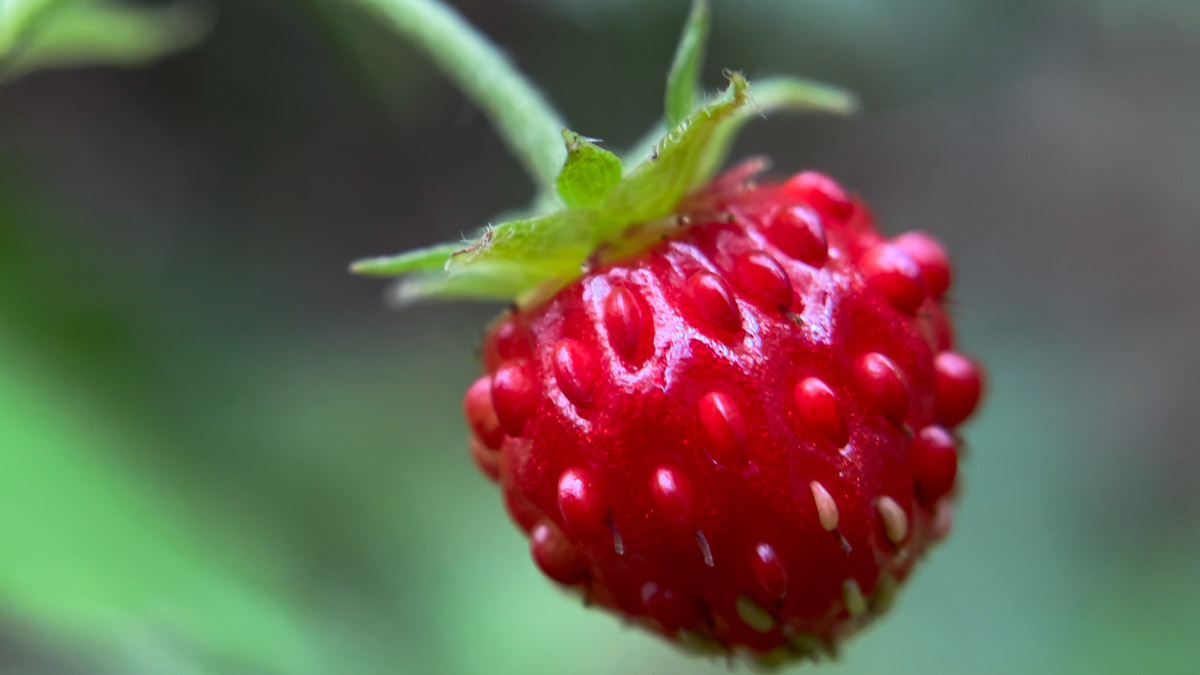
- Tqitq̓é7ellp Tqitq̓e (t-kite-KA-eLTHp)
- Wild strawberry
- Fragaria virginiana
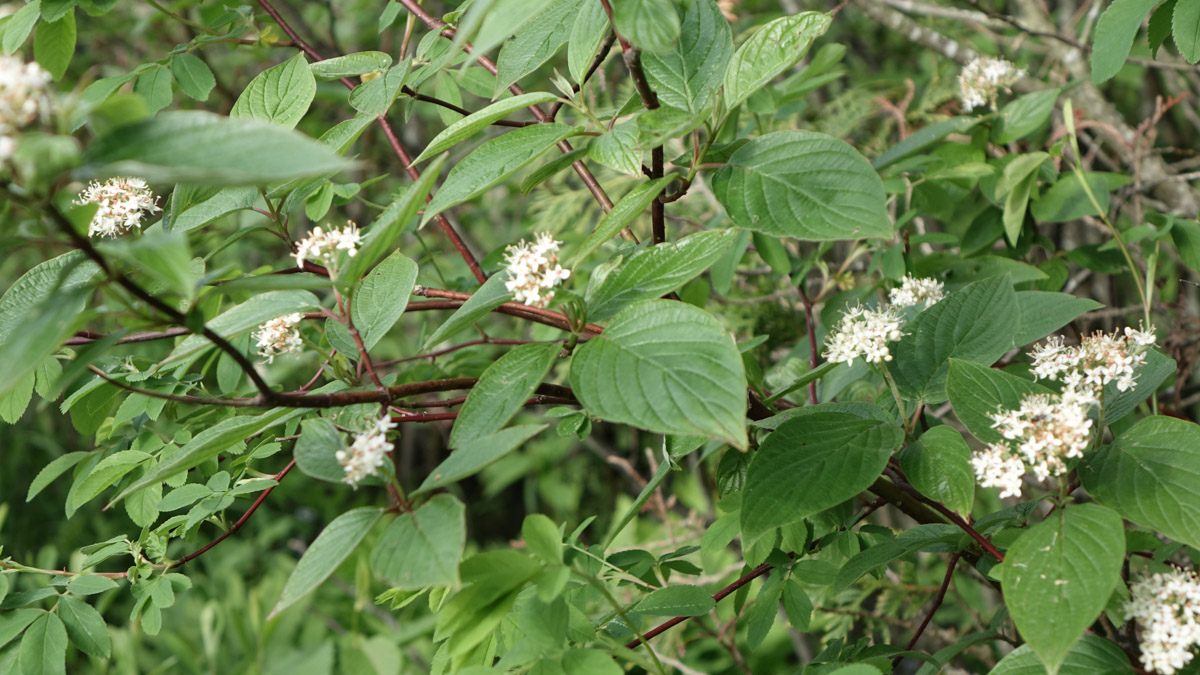
- Tseqtsqwéllp (CHeq-CH-QWAL-THp)
- Red willow dogwood
- Cornus sericea
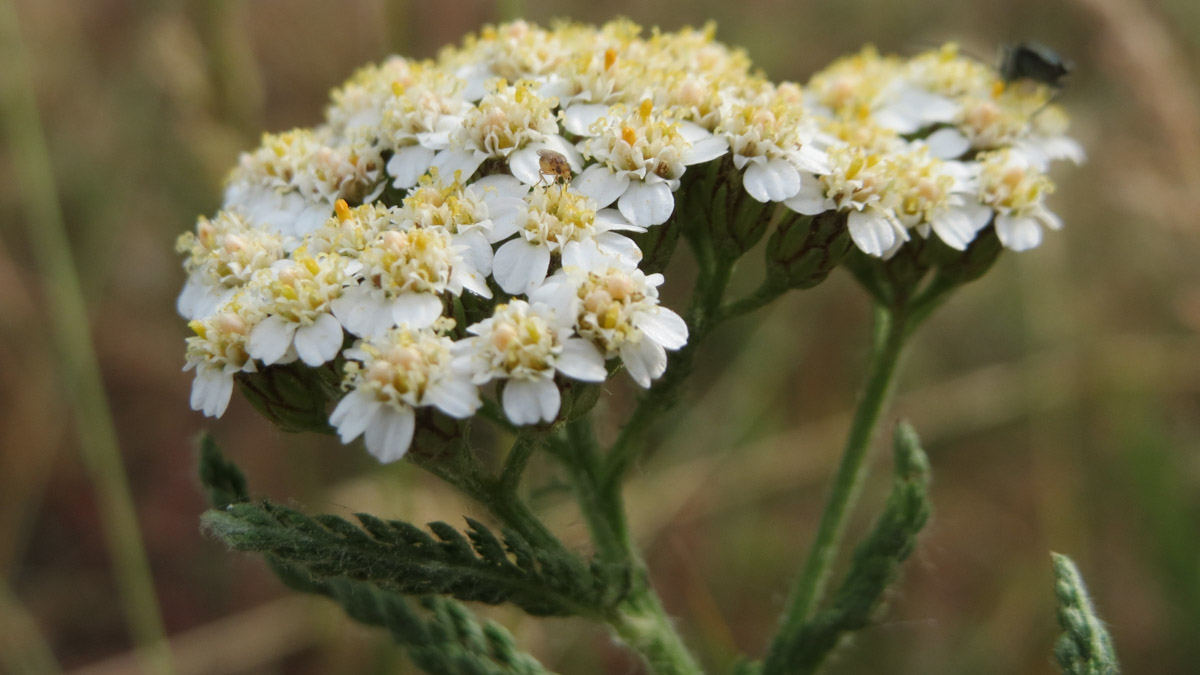
- Qetsqets̓uye7éllp (ketch-ket-CH-OO-ye-ALTHp)
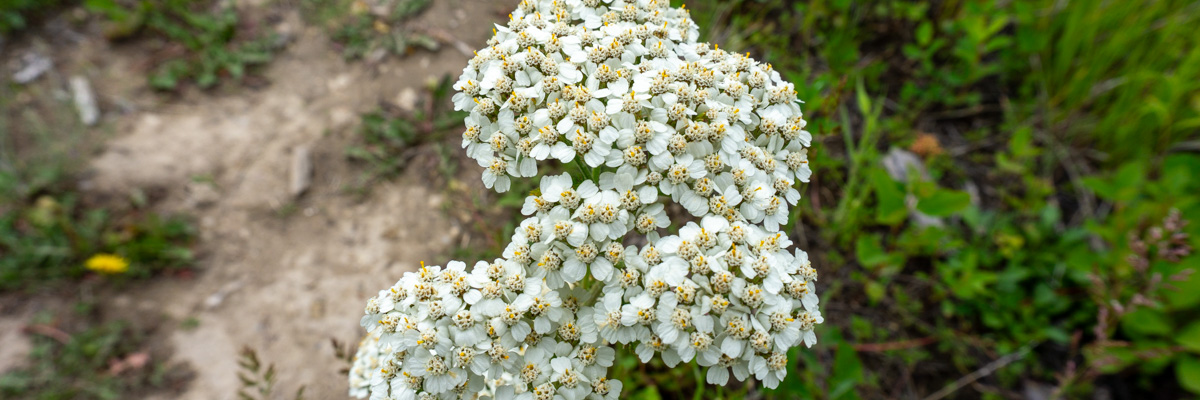
- Yarrow
- Achillea millefolium
Ecosystem restoration
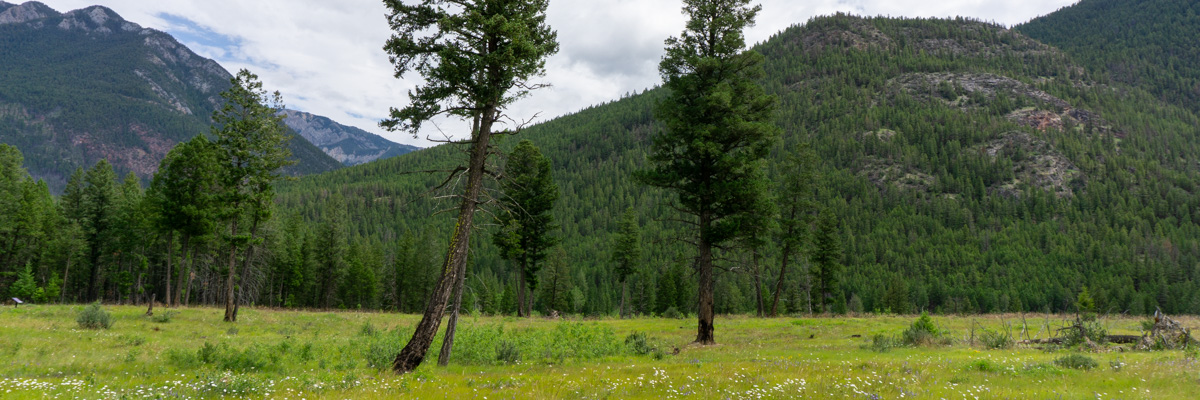
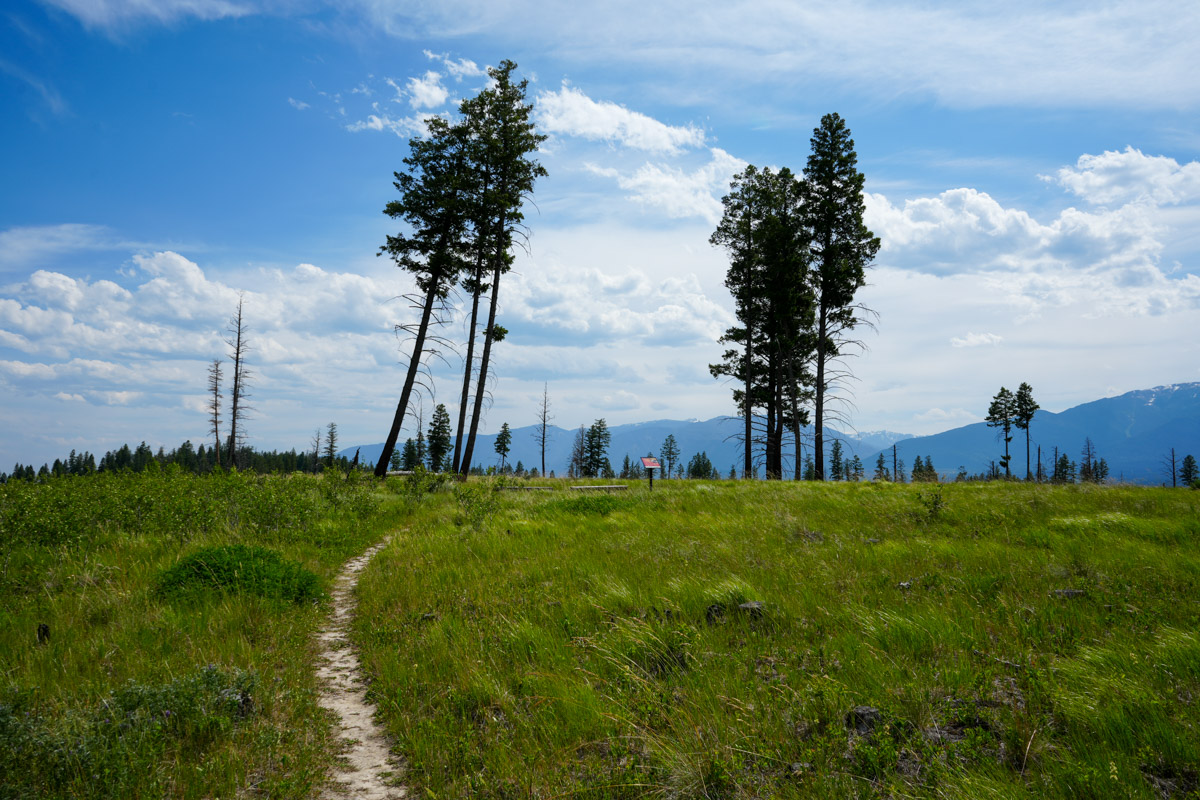
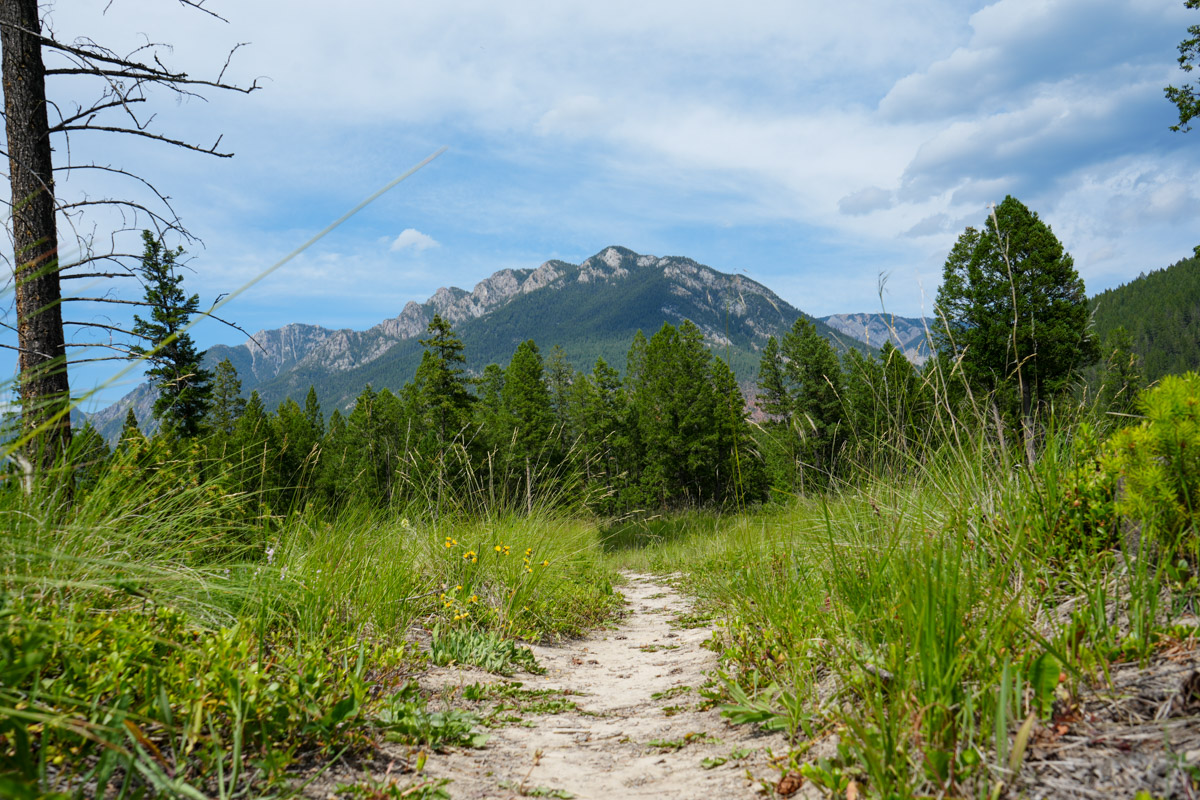
The Letwilc7úl̓ecw trail offers an opportunity to explore a biodiverse, important ecosystem restored through prescribed fire.
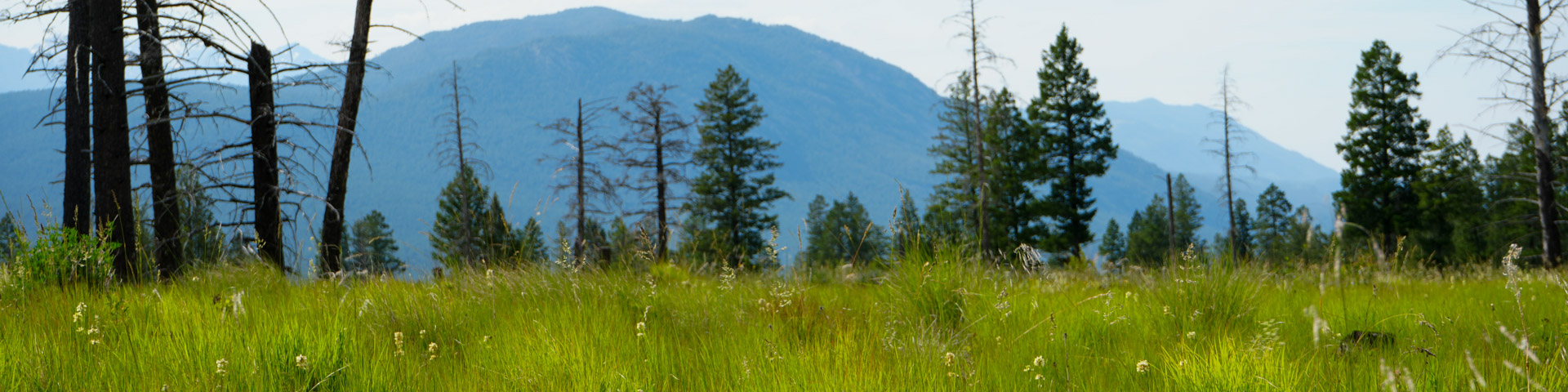
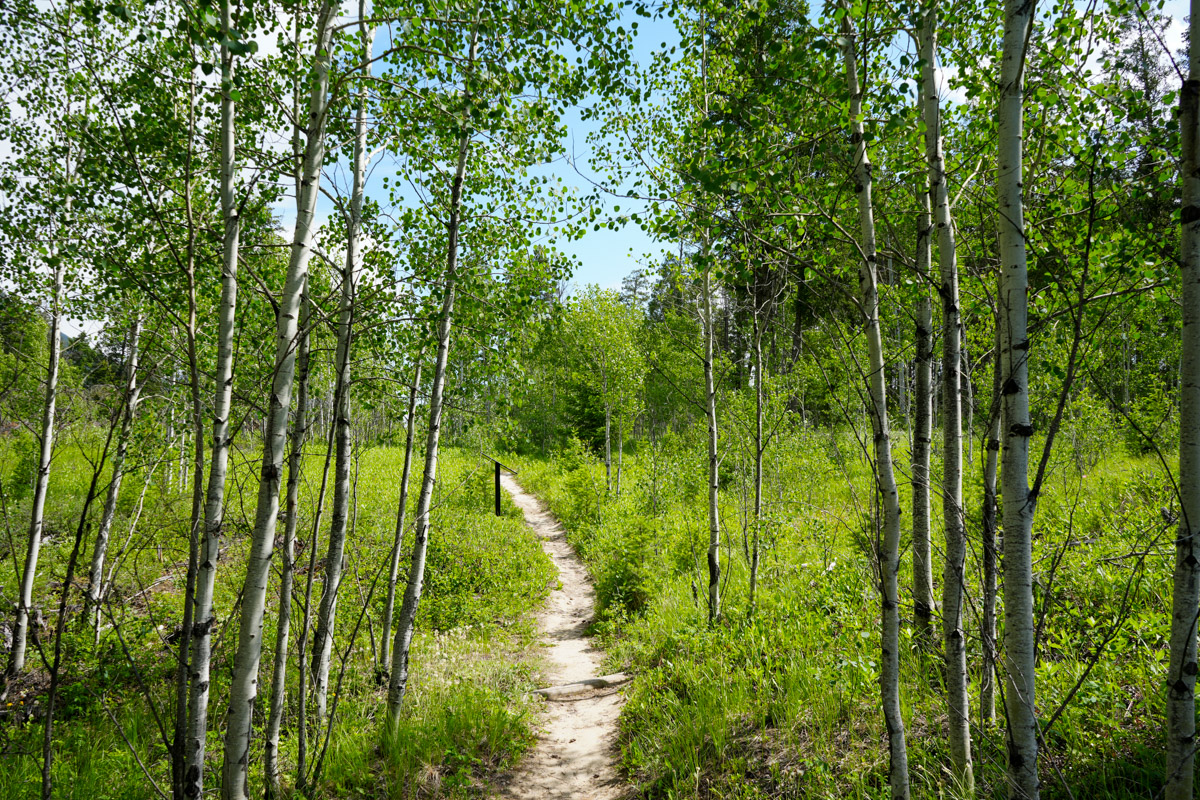
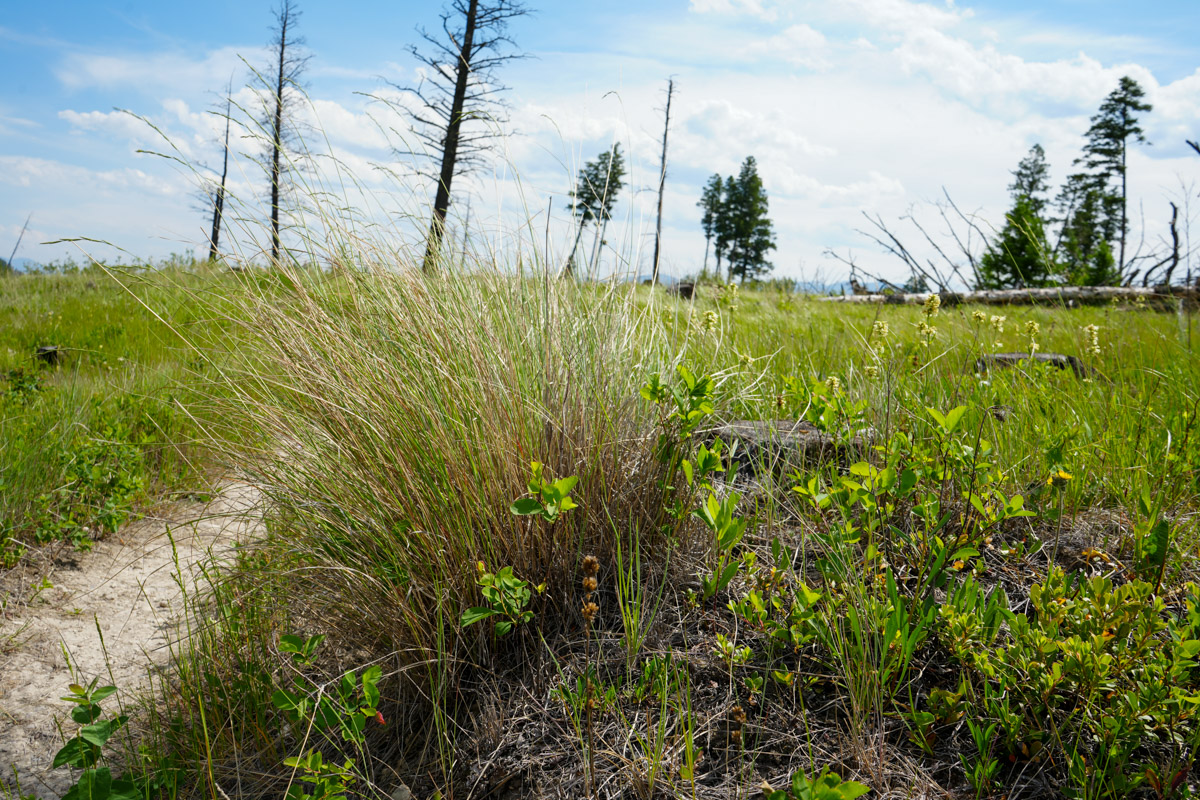
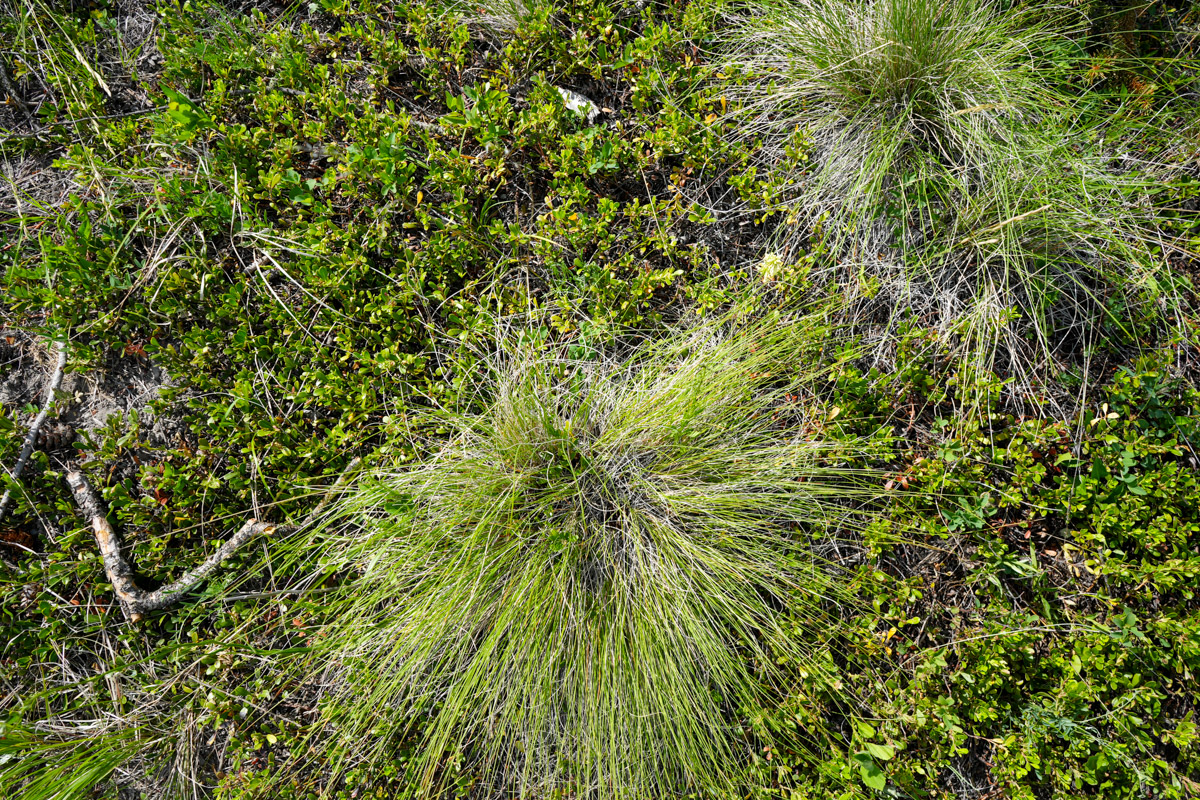
Prior to 2001, a dark forest of tightly packed coniferous trees and moss grew where the Letwilc7úl̓ecw trail loops through the Redstreak Restoration Area. Many grasses and culturally significant plants now grow in this restored area of the national park after mechanical tree removal and prescribed fire activity.
Before the 1880s, frequent low-intensity surface fires, lit by lightning or intentionally by Indigenous peoples, maintained open forests and grasslands in the Upper Columbia Valley. Indigenous peoples lit fires to improve grazing for game and renew plant habitat, which in-turn provided food security through meat, berries and roots.
From the time of park establishment up until the 1980s, Parks Canada worked to put out all wildfires in the national park, thinking it would protect the environment. When research showed that fires keep forests healthy, park fire specialists began and continue to light carefully planned prescribed fires. Today, Parks Canada and Indigenous Nations that have long standing connection to the park work together to weave Indigenous Knowledge into land stewardship approaches.
Redstreak restorationEcological significance
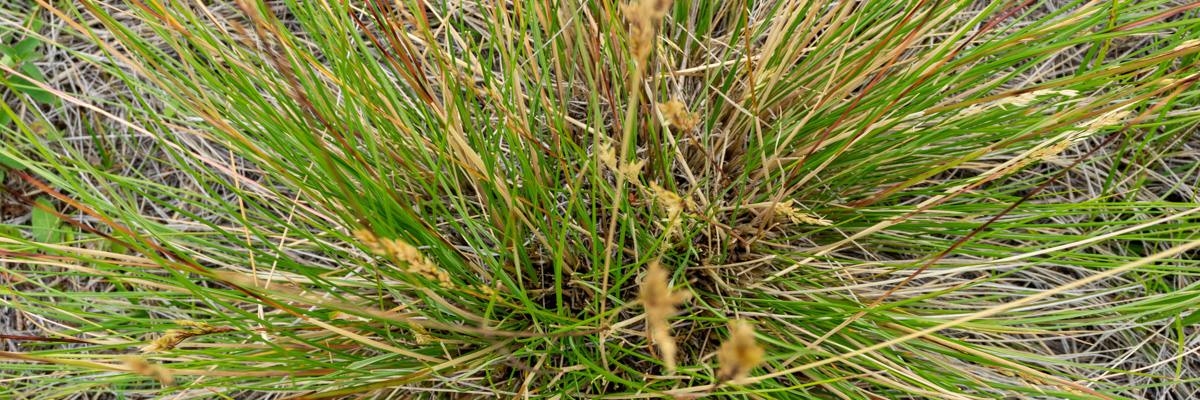
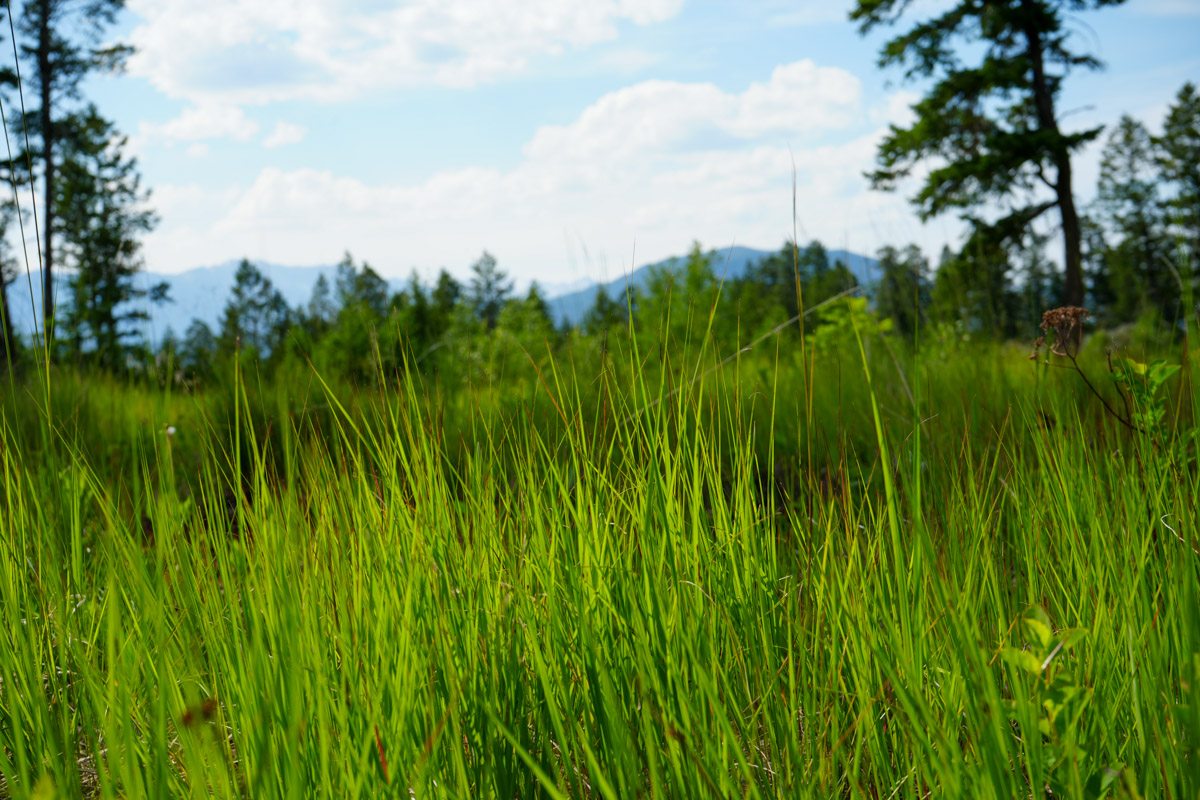
A healthy montane grasslands ecosystem relies on regular low-intensity fire activity to maintain it’s characteristic properties.
Grasslands are British Columbia's most endangered habitat. They cover just 1% of the province but are home to 30% of the province’s species at risk.
In the past, before Kootenay National Park was established, low-intensity surface fires occurred in the area every 5-30 years or so. These fires were started by summer lightning storms or Indigenous peoples and helped maintain the grassland ecosystem. To regenerate plant growth and ensure the grassland persists, future prescribed fires may be carried out.
The restoration of grasslands in the southern portion of Kootenay National Park has had many ecological benefits:
- Creation of high-quality habitat for the local bighorn sheep herd.
- Supporting species at-risk like the American badger.
- Restoration of grasses and early successional shrubs.
- Cultivating connections to the land through Secwépemc traditional knowledge of medicinal and healing plants.
- Removal of flammable fuels, providing protection to the neighbouring town of Radium Hot Springs.
Image gallery
- Date modified :