
M. Bradley
Seasonal closures for caribou conservation
Jasper National Park
Portions of Jasper National Park remain closed or affected due to impacts from the Jasper Wildfire. Please check for up to date information.
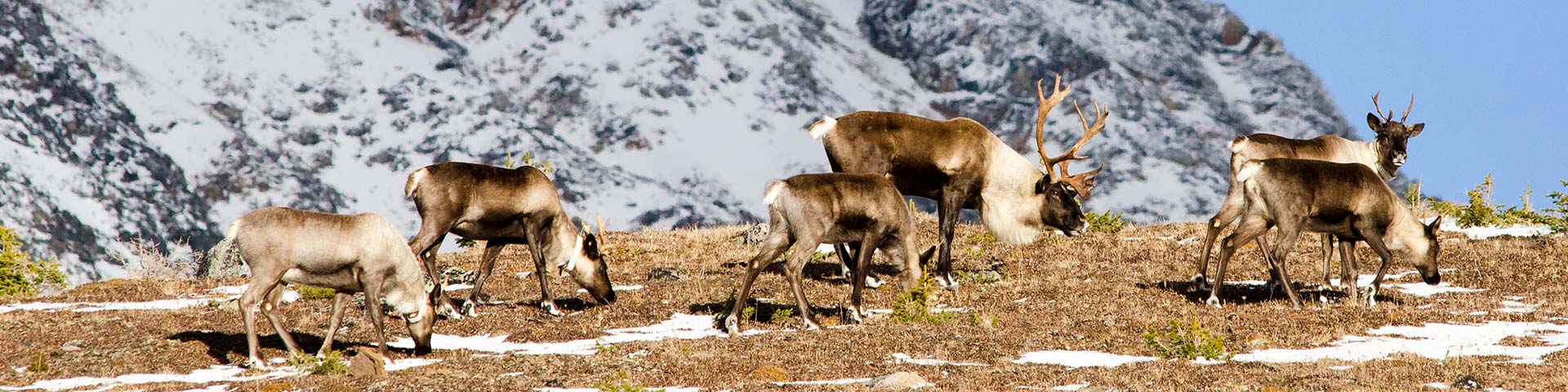
In Jasper National Park, caribou and their habitat are protected under Canada’s National Parks Act and Species at Risk Act. Seasonal closures and access restrictions are just one way that Parks Canada is protecting caribou.
Adding to year-round conservation measures and habitat protection, seasonal closures in the Tonquin, Brazeau, and À la Pêche caribou ranges of Jasper National Park protect almost 3000 km2 of winter habitat for caribou. No access to these backcountry areas is permitted between November 1 and May 15.
Without our help, the only two caribou herds remaining entirely within Jasper will disappear. Please help us protect Jasper’s threatened caribou by choosing other areas of the park for winter activities. Jasper offers many opportunities to experience the park in winter. You can also visit some of our most popular destinations during a less busy time of year.
For a full description of the closure areas, see the maps and important bulletins below.
Background
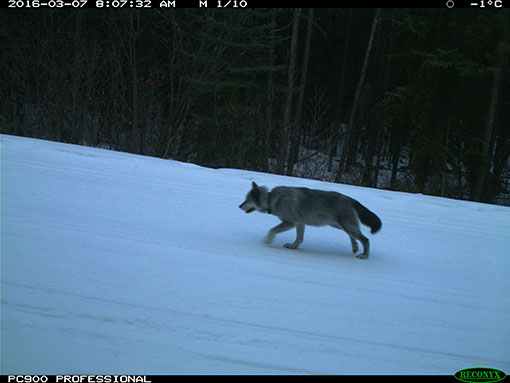
Closing critical habitat for caribou in winter prevents the development of packed trails into high-elevation caribou habitat
In winter, caribou are protected from predators by their high-elevation habitat, where the snow is too deep for wolves to move around without sinking. Research shows that trails packed by backcountry skiers, snowboarders, and snowshoers from the valley bottom to high-elevation areas can lead wolves to prey on caribou in the very places caribou go to avoid predators.
Wolf populations are dynamic and play an important role in caribou conservation
Caribou and wolf populations and how they use habitat in Jasper National Park have changed since seasonal closures were first implemented in 2009 and then expanded in 2013.
The number of caribou in the Tonquin and Brazeau herds is very low. Although their population has stabilized since 2015 and is no longer in a steep decline, their ongoing survival is precarious and could change quickly. When caribou herds get too small, the herds become more vulnerable to natural threats such as predators, disease, and accidents.
Tracking data collected through radio collars and remote cameras shows that wolves are more likely to use caribou habitat and travel in valleys when trails exist. As a result of closures and declining wolf numbers in the park, fewer wolves have been documented in caribou habitat since 2016. Wolves are spending most of their time in the valley bottom where they find their primary prey of elk, deer, and moose.
The current predation risk to caribou from wolves is low, but wolf distribution can change quickly and have large impacts on small caribou herds in a very short time. For example, Parks Canada had not documented wolves entering caribou habitat at high-elevations at any time of year between 2016 and 2021. However, a GPS collar on a female member of the Sunwapta wolf pack showed her spending time in the Tonquin caribou range in August and September 2021.
Losing any of the few female caribou left in the Tonquin and Brazeau herds is one step closer to local extinction. Precaution is necessary when we have a chance to help them rebuild their numbers through conservation breeding.
Details
Seasonal closures in the Tonquin, Brazeau, and À la Pêche caribou ranges of Jasper National Park take effect on November 1. Access to these backcountry areas is prohibited until they reopen for recreation on May 16.
1. Tonquin caribou range
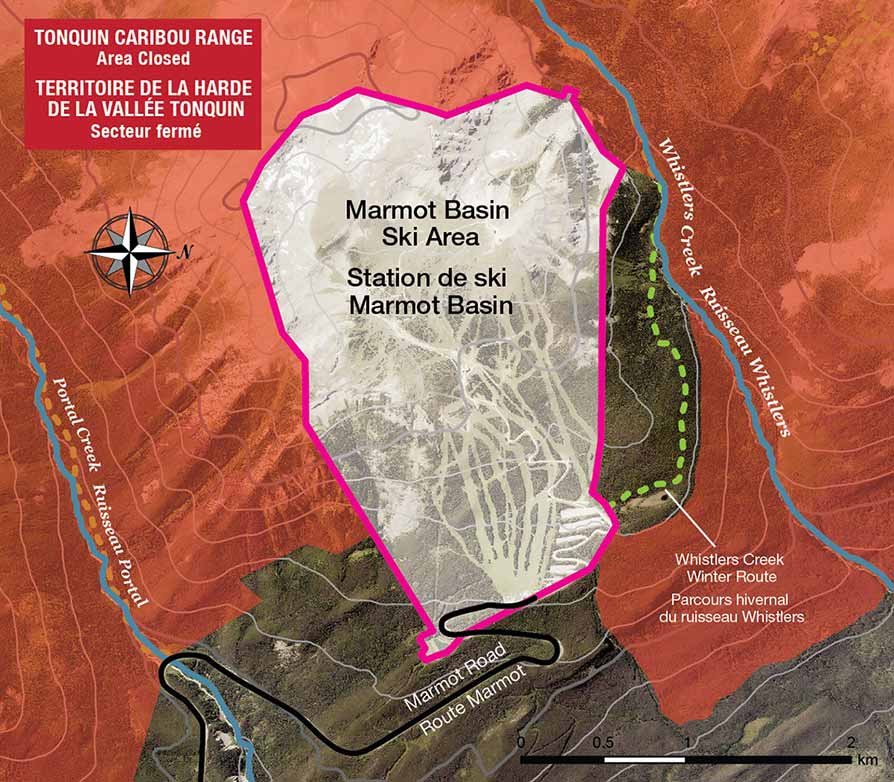
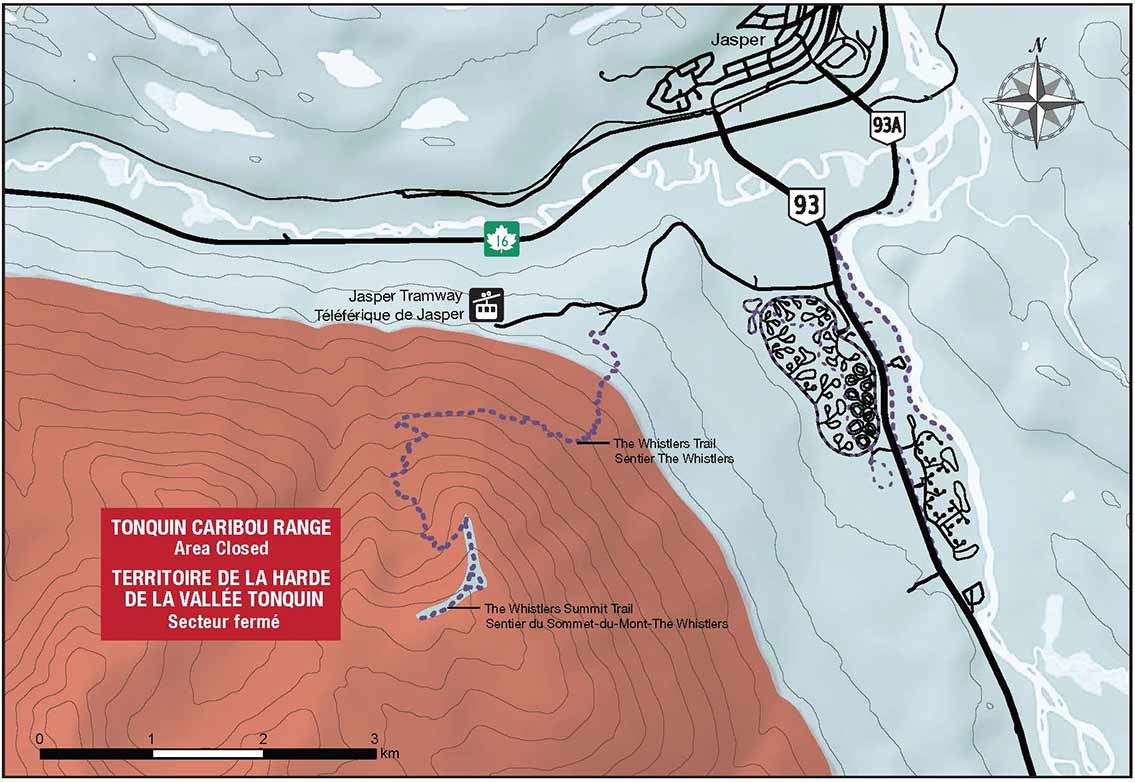
From November 1 to May 15 (inclusive), no access is permitted to critical habitat in the Tonquin caribou range. Closed: Cavell Road, Tonquin Valley, Astoria-Portal Creek Trail (105), Whistlers Creek, and Whistlers Trail (5). Open: Whistlers Summit Trail (5a) from the upper Jasper SkyTram station to the Whistlers Mountain summit.
Map areas
| Name | Description | Category |
|---|---|---|
| Tonquin Valley | Closed area |
2. Brazeau caribou range
From November 1 to May 15 (inclusive), no access is permitted to critical habitat in the Brazeau caribou range. Closed: Maligne Pass (160), Poboktan Trail (132), and Brazeau Loop Trail (130, 131). Open: All trails in the Maligne Valley and Maligne Lake, Wilcox Pass (50), Nigel Pass to Four Point Campground, Beauty Creek Trail, ice climbs south of Beauty Creek Hostel, and Churchill slide paths.
Map areas
| Name | Description | Category |
|---|---|---|
| South Boundary / Brazeau | Closed area | |
| South Boundary / Brazeau West | Closed area |
3. À la Pêche caribou range
From November 1 to May 15 (inclusive), no access is permitted to critical habitat in the À la Pêche caribou range. Closed: Rock Creek Trail (153) from the park boundary to Willow Creek and the North Boundary Trail (150) between Willow Creek and Wolverine North Campground.
Map areas
| Name | Description | Category |
|---|---|---|
| North Boundary | Closed area |
For further information
Caribou Conservation Program
780-883-0391
caribou@pc.gc.ca
- Date modified :