
Water safety
Rouge National Urban Park
Access to Rouge Beach and the Great Lakes Waterfront Trail is closed. Please visit the important bulletin for more information.
It is important to keep safety in mind and be prepared for any emergency before heading out onto the water in Rouge National Urban Park.
Check the weather forecast before you head out onto the water, as the weather and water conditions can affect your safety. If thunderstorms or strong winds are in the forecast, we recommend rescheduling your water activity for another day.
Swimming safety
CAUTION: Swimming at Rouge Beach is not recommended. Water quality is variable, and bacteria levels may pose a risk to your health. Visitors are responsible for their own safety.
Visitors who choose to swim are responsible for their own safety. Please respect all instructions on Parks Canada signage in the area and check back here for the most up-to-date information.
- Storms may deposit debris such as branches and logs under the water. They may also cause erosion and changes to beach topography that pose unseen hazards to swimmers.
- Rip currents are possible at Rouge Beach and can pose a challenge even to strong swimmers.
- Children must be supervised at all times.
- When thunder roars, go indoors; seek shelter in a vehicle or building.
- Inflatable toys and floats are not recommended. Currents and surf can quickly draw these far from shore.
- Water temperatures suitable for swimming are generally reached by June and continue through August. Swimming during the spring and fall in cold water can increase the risk of hypothermia.
- Be aware of hypothermia and how to treat it.
Water quality
Parks Canada monitors E. Coli bacteria levels at Rouge Beach to establish baseline data of water quality conditions. According to provincial and federal guidelines, a test result of 200 CFU/ 100 mL or higher is considered unsafe for human health.
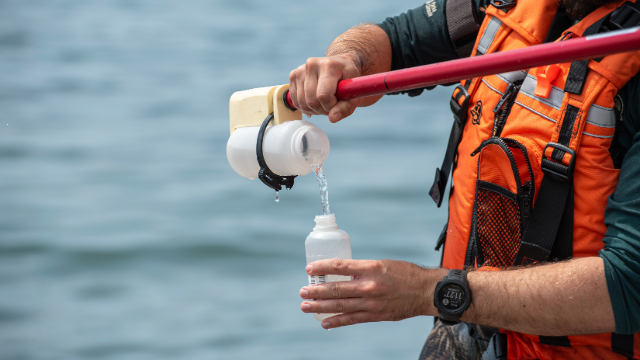
Note that water quality at Rouge Beach is highly variable and can change quickly between testing dates causing unsafe levels of bacteria due to:
- Heavy rainfall
- Presence of waterfowl
- High winds or wave activity
- Large number of swimmers
2026 Water Quality
Current water quality
Date
Measurement (CFU/100 ml)
June 11
94
June 25
38
2026 Water Quality
| Date | Measurement (CFU/100 ml) |
|---|---|
| June 11 | 94 |
| June 25 | 38 |
Learn more about recreational water health and safety by reading the Health Canada guidelines.
Paddling safety
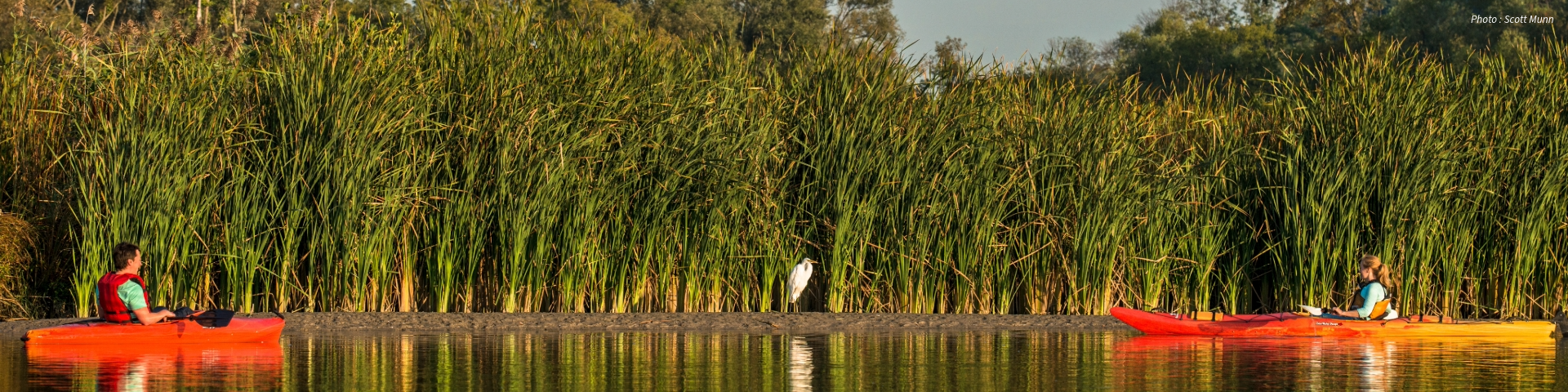
Paddling along the Rouge River is a great way to spot wildlife in the summer or the leaves changing in the fall. It is important however, to keep safety in mind and make sure you are prepared for any emergency, before you head out onto the water.
The Rouge marsh is large, be sure to keep your point of entry in mind. If you capsize, remain with your overturned vessel and move towards land. Sound three long blasts with your signaling device to attract attention if you need assistance. For more information on water safety visit Adventure Smart.
Safety gear
Bringing safety equipment is not only important for your personal safety, it is required by law. The minimum fine for not having the appropriate safety gear is $240. Ensure you have the appropriate safety gear for your vessel size and number of passengers onboard. We recommend bringing these items onboard for your next paddling adventure:
- 1 lifejacket/PFD for each person on board
- 1 buoyant heaving line at least 15m long
- 1 bailer, manual bilge pump or bilge-pumping arrangements
- 1 sound signaling device such as a whistle
- 1 magnetic compass
- 1 watertight flashlight
For a more extensive list and additional water safety info, please read the Transport Canada Safe Boating Guide available online.
Ice skating safety
CAUTION: Parks Canada does not monitor ice conditions in the park. Ice may be thin or weak, and hazardous areas are not marked. Visitors are strongly encouraged to avoid skating on natural ice and instead use designated, monitored skating locations such as municipal skating rinks.
Stay informed
Visitors are responsible for their own safety when skating on frozen bodies of water, and are strongly encouraged to proactively learn about ice safety, including how to assess ice thickness and how to self-rescue.
Many environmental factors affect the thickness of the ice. At this time of year, even water bodies that appear safe may have thin sections and open water beneath the surface. Visitors must pay close attention to where they skate as conditions can change with water flow changes beneath the surface. Because ice thickness is variable, visitors should not rely on images, social media or the presence of others as indications of safety.
Recommended ice thickness:
- 15 cm for walking or skating alone
- 20 cm for skating groups or games
If you get into trouble on ice and you are by yourself:
- Call for help;
- Resist the immediate urge to climb back out where you fell in as the ice is weak in this area;
- Try to relax and catch your breath. Turn yourself toward shore so you are looking at where you entered onto the ice. The ice is more stable close to shore;
- Reach forward onto the broken ice without pushing down. Kick your legs to try to get your body into a horizontal position;
- Continue kicking your legs and crawl onto the ice.
Leave no trace
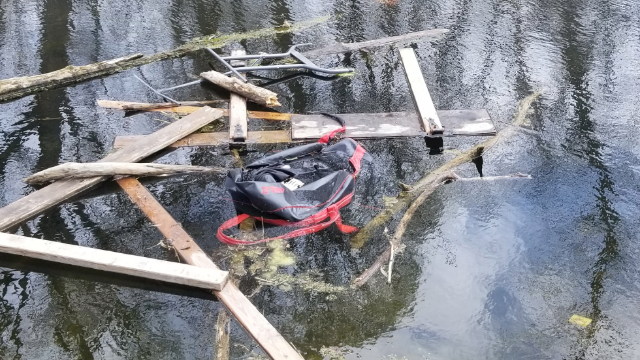
Skating and other activities on natural ice can lead to an increase in litter and other contaminants into sensitive aquatic habitats. Visitors are reminded to take all their belongings (i.e. food waste, hockey nets and other personal items) with them and not leave anything on the ice to protect the sensitive aquatic ecosystem in the marsh area.
Familiarise yourself with Leave No Trace best practices to enjoy and protect Rouge National Urban Park for generations to come.
- Date modified :