2025 was a landmark year as we marked the 10th anniversary of Rouge National Urban Park. Over the year, we reflected on a decade of community, connection and conservation while looking ahead to an exciting and evolving future.
Mikailou Sy, Field Unit Superintendent
It was a privilege to join Rouge National Urban Park this year as Field Unit Superintendent. I am honoured to take on this role and to deepen my connection to this extraordinary landscape and the people who care for it. Every day I am inspired by the dedication, creativity and passion of team members, partners and stakeholders that make this park what it is.
In this milestone year, our team celebrated a breeding pair of least bitterns in the park for the first time in over a decade, signalling an important step forward in restoring the habitat conditions needed to support consistent reproduction and sustained presence on the landscape.
Building on this momentum, the year also brought meaningful milestones, including the start of construction on the new visitor, learning and community centre as well as major progress on the Rouge Beach Improvements Project, two transformative investments that will shape how visitors experience the park for generations. We also welcomed the Government of Canada’s announcement confirming that an airport will not be built on the Pickering Lands and outlining a path forward to explore future land uses, including the potential transfer of lands with high conservation value to Parks Canada, guided by Transport Canada-led consultation with Indigenous partners, local stakeholders and the public.
As we reflect on 10 years of progress, we honour the advocacy and leadership that has helped shape the vision of Rouge National Urban Park. Together, we continue to build a national urban park rooted in respect, stewardship and shared responsibility, for today and for generations to come.
Mikaïlou Sy, Field Unit Superintendent, Rouge National Urban Park
2025 By the numbers
36,100+
Native trees and shrubs planted across 21 hectares through the 2 Billion Trees program
9+
Hectares of archaeological assessments completed to support tree planting and protect cultural resources
1.33
Hectares of new wetland habitat created
30+
Hectares treated for invasive species across 10 priority species
427
Turtle hatchlings released from 30 nests (record-breaking year)
52
Blanding’s turtles released in partnership with the Toronto Zoo
12,000+
Participants reached through Learn-to programs and outreach
1,160
Bumble bee observations recorded through community science
Marking a decade of Rouge National Urban Park
Rouge National Urban Park marked its 10th anniversary in 2025, with a year-long celebration reflecting on a decade of community, connection and conservation. Weekly Milestone Monday features on social media and new web content traced the park’s establishment journey, highlighting progress in land assembly, restoration, trail development and visitor experience.
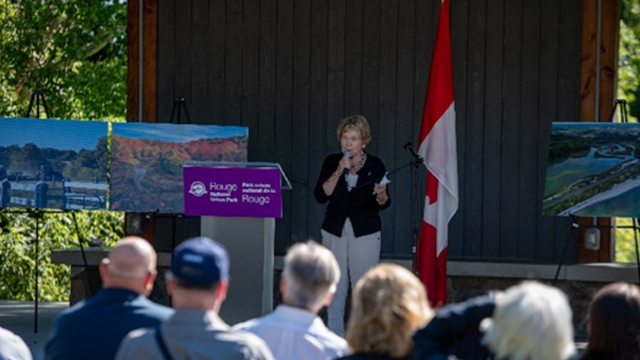
Pauline Browes speaking at Rouge National Urban Park's 10th Anniversary celebration.
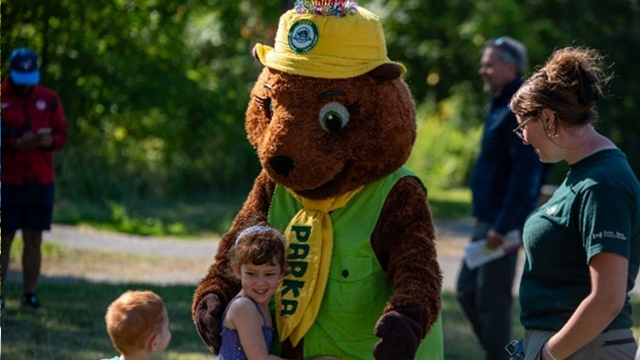
Parka joined staff and guests at Rouge National Urban Park's 10th Anniversary celebration.
The anniversary also included a summer gathering that reflected on key achievements made possible through decades of advocacy, collaboration and shared commitment to protecting this remarkable landscape. Highlights from the past ten years include the completion of the park’s first management plan (2019), 137 restoration projects, the addition of 23 kilometres of new trails and a $21 million investment in the future visitor, learning and community centre.
Throughout the season, visitors were invited to share personal reflections on what the Rouge means to them and their hopes for the future, creating a collective vision board that captured the deep connections people have formed with Canada’s first national urban park.
Pickering Lands: Historic announcement
Pickering Lands
On January 27, hundreds of farmers, residents, advocates, elected officials and media gathered at the Pickering Golf and Country Club, united by anticipation of a long-awaited announcement. Cheers, tears and thunderous applause filled the hall when Jennifer O’Connell, then MP for Pickering-Uxbridge, declared: “There will be no airport on the Pickering lands.”
Farmers, residents, advocates, elected officials and media gathered at the Pickering Golf and Country Club
For generations of community residents and environmental advocates, the moment marked the culmination of decades of tireless activism to protect these lands. The Government of Canada also announced its intention to transfer lands of high conservation value to Parks Canada for inclusion in Rouge National Urban Park. This milestone stands as a powerful reminder of what sustained advocacy can achieve.
Decisions regarding the future uses of the Pickering Lands will be informed by consultation with First Nations and engagement with other levels of government, the local community and the general public.
Visitor, learning and community centre
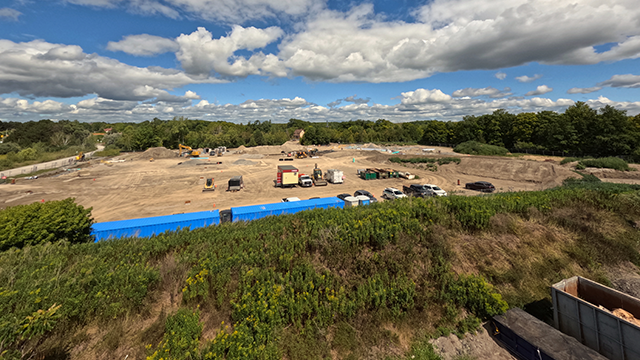
Following the $21 million contract award announcement in January 2025, construction officially began on Rouge National Urban Park’s new visitor, learning and community centre, marking a major milestone in the park’s evolution and a transformative investment in its future.
Construction of the Visitor, learning and community centre
The project was launched with a meaningful gathering of Indigenous partners and collaborating artists. Tobacco offerings and ashes from a Sacred Fire ceremony were incorporated into the building’s foundations, grounding the project in respect, connection and shared stewardship. This moment set the tone for a facility deeply rooted in partnership, cultural understanding and care for the land.
The future centre will feature immersive exhibits and installations that reflect the park’s Indigenous, natural, cultural and agricultural heritage. A strong Indigenous Participation Plan embedded in the construction process is also supporting meaningful economic and employment opportunities for Indigenous communities.
This landmark facility will strengthen visitor experiences, deepen connections to the land and create a welcoming gathering place that reflects the diversity of the communities in and around Rouge National Urban Park.
Rouge Beach Improvements Project
Progress on the long-awaited transformation of Rouge Beach and Marsh occurred in fall 2025 as Parks Canada awarded the contract for the Rouge Beach Improvements Project. Years of planning, shaped by Indigenous, public and stakeholder engagement, are now coming to life on the ground.
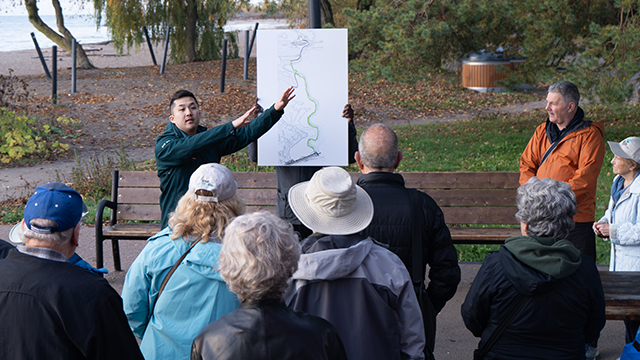
Parks Canada staff highlight changes to come with the Rouge Beach Improvements Project on a site visit with partnering organizations.
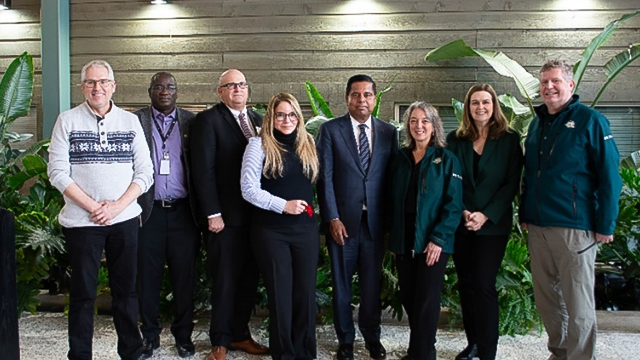
Parks Canada and partners celebrate the awarding of a $9.47 million contract to improve Rouge Beach and Marsh in Canada’s first national urban park.
Parks Canada and federal partners celebrated the project at a public announcement in early 2026. The $9.47 million investment will restore wetland and forest habitat, create an accessible 2.3 kilometre trail linking the lakeshore to Mast Trail, improve the upper beach parking area with a new washroom and re-naturalize the lower parking lot.
The Rouge Beach and Marsh area is now closed for construction, with an anticipated reopening in mid-2027. Together with the new visitor, learning, and community centre, this project demonstrates Parks Canada’s ongoing commitment to ecological restoration and to creating welcoming, sustainable and accessible spaces within the park for generations to come.
Species at risk
2025 was a year of notable achievements for the protection of species at risk in Rouge National Urban Park.
Turtle tales
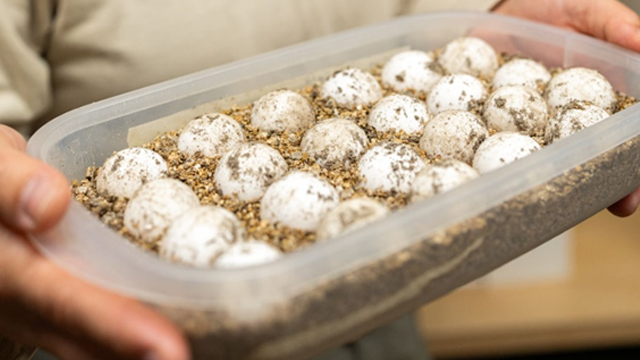
Turtle eggs
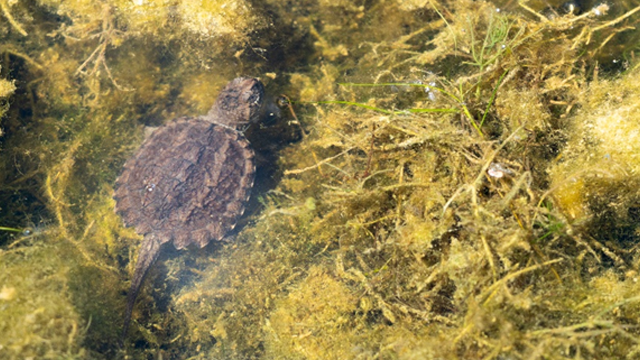
Baby snapping turtle
In collaboration with the Toronto Zoo through the Blanding’s Turtle Headstart Program, 52 two-year-old turtles were released into the park in 2025. A highlight this year was the discovery of a previously undetected adult male Blanding’s turtle in Rouge Marsh. Now named Louie, he has been tagged to monitor his survival and support ongoing efforts to build healthy, connected populations.
The park’s own turtle nest protection and egg collection program had a record-breaking year, with 427 painted and snapping turtle hatchlings released from 30 nests. Since the program began, an impressive 1,778 turtles have entered to Rouge National Urban Park’s waterways.
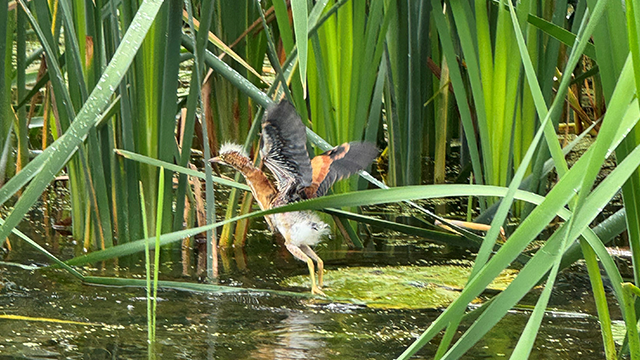
Juvenile Least Bitterns
Ecological monitoring
A particularly exciting highlight was the observation of two juvenile Least Bitterns breeding in Rouge Marsh. This threatened wetland bird had not been confirmed breeding in the park since 2014, and this sighting provides strong evidence that Rouge Marsh remains a vital breeding habitat.
Restoring resilience
Restoration and invasive species management remained a cornerstone of conservation work in 2025, with projects spanning forests, wetlands and meadow habitats across Rouge National Urban Park.
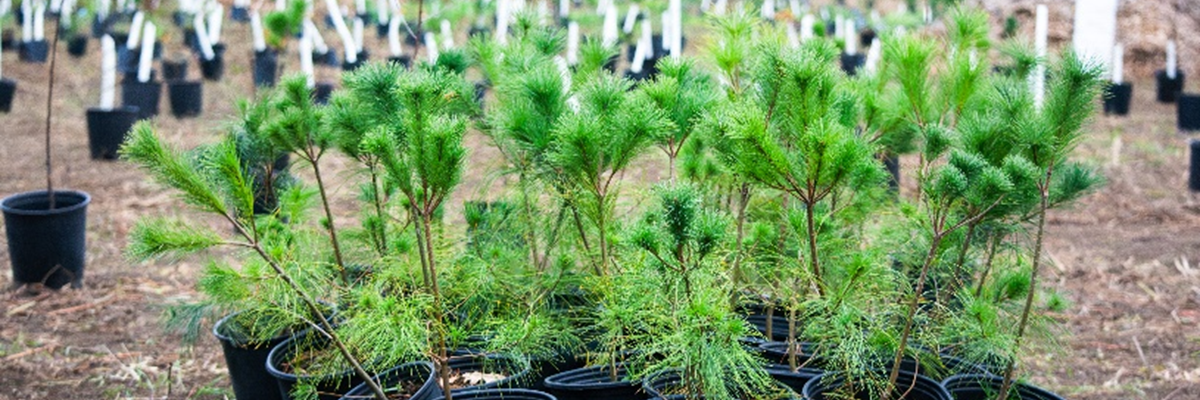
Through the 2 Billion Trees program, more than 36,100 native trees and shrubs were planted across 21 hectares, helping restore degraded landscapes, strengthen climate resilience and improve wildlife habitat. To support this work, Parks Canada also completed over 9 hectares of archaeological assessments of tree planting sites, ensuring that restoration efforts respect and protect the park’s cultural resources. An additional 75 litres of native seed from five species were collected and processed for future planting, supported by the completion of a new tree seed storage and processing facility in 2026.
Wetland restoration also advanced, with 1.33 hectares of new wetland habitat constructed, while invasive species management efforts targeted 10 priority plant species across more than 30 hectares, improving ecological health and biodiversity.
Together, these efforts reflect Parks Canada’s long-term commitment to restoring natural systems, protecting species at risk and ensuring the park continues to thrive in the heart of Canada’s largest urban region.
Hemlock woolly adelgid detected
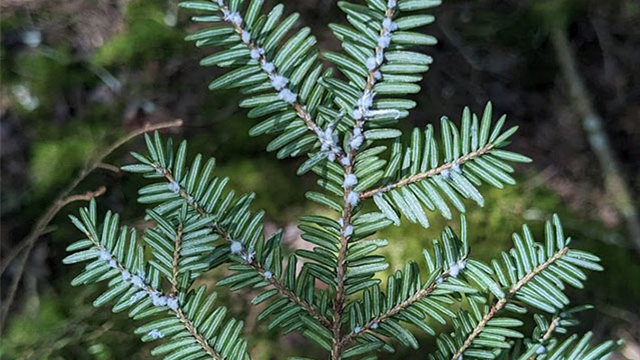
Hemlock
In 2025, Hemlock woolly adelgid (HWA), an invasive aphid-like insect that poses a serious threat to eastern hemlock trees, was confirmed in Rouge National Urban Park.
To respond to the infestation, Parks Canada implemented measures to help slow the spread and protect key hemlock stands. Unauthorized trails in affected areas were closed, and signage was installed to guide visitors away from sensitive areas. Staff conducted monitoring and surveillance, tracking the extent of the infestation and documenting its impact.
These proactive actions in 2025 help strengthen understanding of HWA’s presence in the park and guide long-term strategies for safeguarding Rouge National Urban Park’s ecologically and culturally significant hemlock forests.
Indigenous Guardians Program
New (2024) graphic representing Indigenous stewardship at Parks Canada.
In 2025, Parks Canada continued advancing Indigenous-led stewardship through the Indigenous Guardians Program at Rouge National Urban Park. The Mississaugas of the Credit First Nation and the Williams Treaties First Nations each received contributions to support capacity building and the development of draft Indigenous Guardians initiatives. These initiatives reflect shared priorities for caring for lands and waters within their traditional territories, which include areas of the park.
The Indigenous Guardians Program supports Indigenous Nations in stewarding, monitoring and protecting lands, waters and cultural sites, bringing together Indigenous knowledge and Western science. The draft initiatives developed in 2025 focus on land and water monitoring, species at risk protection, cultural site stewardship, restoration oversight, emergency response readiness and youth mentorship, laying important groundwork for future Indigenous Guardians programming at Rouge National Urban Park.
From the wardens
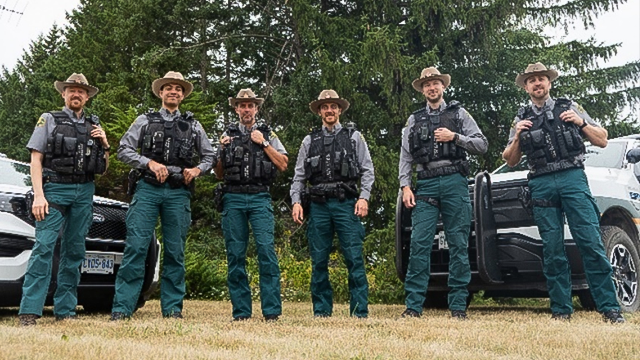
Park Wardens with the unique responsibility of protecting and stewarding Canada's first national urban park.
Through regular patrols, education and engagement, wardens connected with visitors to promote responsible recreation and protect sensitive habitats.
Efforts focused on areas such as parking, waste management, fishing compliance and public safety. Increased on-the-ground presence and proactive visitor outreach contributed to smoother operations and improved visitor experiences across the park. By combining education with monitoring, Parks Canada continues to foster a culture of respect and shared stewardship, ensuring Rouge remains an enjoyable and safe place for everyone.
The Rouge less travelled
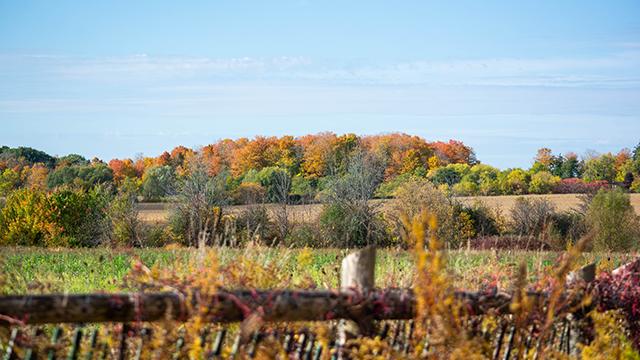
Harvest Trail in the fall
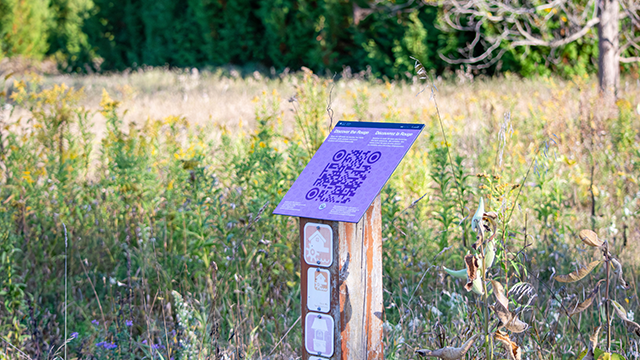
Discover the Rouge QR code station
In 2025, Parks Canada concentrated efforts on encouraging visitors to explore the northern areas of Rouge National Urban Park, helping reveal hidden gems while easing pressure on the park’s busiest southern destinations, while the Zoo Road Day Use Area remains closed. The campaign promoted alternative routes, curated itineraries and new trip-planning tools that made it easier for visitors to confidently plan day trips beyond the lakeshore and river valley.
A key feature of this approach is Discover the Rouge, a digital storytelling initiative that brings the park’s natural, cultural and agricultural heritage to life through QR code stations at trailheads and day use areas. In 2025, new stations in the north generated nearly 1,800 QR code clicks, a sign of strong visitor interest and engagement.
These efforts helped shift visitation northward, with Bob Hunter Memorial Park in particular experiencing record high fall visitation. Over the peak season, staff engaged with nearly 6,000 visitors at this day use area, and vehicle counts more than doubled compared to 2024, demonstrating a successful season that supported greater exploration of the park, particularly in less visited areas.
Learn-to, year-round
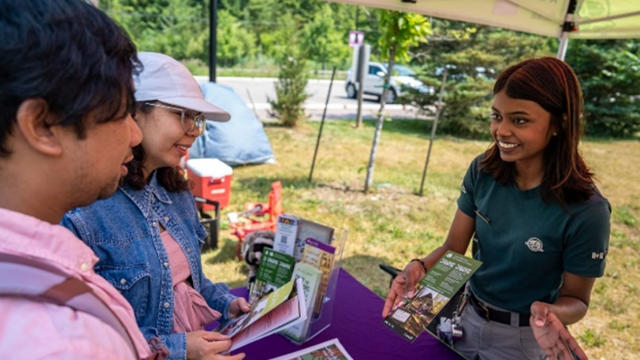
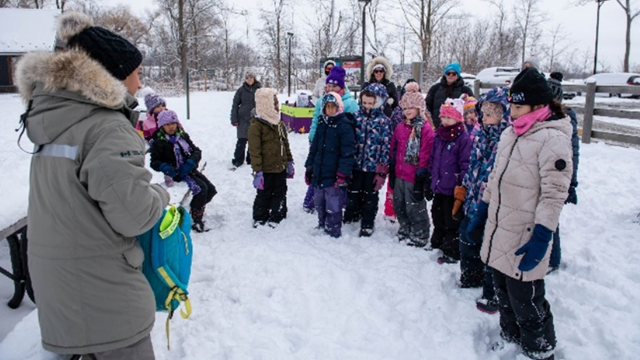
The Learn-to Camp program continued connecting visitors with the outdoors through hands-on experiences. This year, Parks Canada introduced Learn-to Snowshoe events at the park, providing snowshoes, expert tips and a guided walk along a scenic trail. The program was well received with many dates fully booked, and each experience concluded with a cozy campfire and s’mores, creating a memorable and welcoming end to the day.
During the summer, Learn-to Camp pop-ups and workshops inside the park and at community events engaged over 12,000 visitors and encouraged exploration of lesser-known day-use areas in the north.
Learn to camp
Learn to snowshoe
Powered by volunteers
Volunteers are at the heart of Rouge National Urban Park. In 2025, hundreds of dedicated individuals contributed their time, skills and passion to help protect ecosystems, connect visitors to nature and strengthen community stewardship. From habitat restoration and wildlife monitoring to guided walks and photography, volunteers play a vital role in helping this park thrive.
Newly launched
Two new volunteer programs launched in 2025, offering fresh ways for the community to get involved across the park. The inaugural Adopt a Road Program brought together small groups to care for day use areas through coordinated litter cleanups, helping keep popular spaces welcoming and safe. Parks Canada also welcomed volunteers to the Tree Seed Forecasting Program, documenting native tree species and seed availability using iNaturalist, GPS coordinates, photos and field forms. These contributions are building a detailed seed inventory to guide future restoration, supporting resilient, diverse forests and ensuring the next generation of trees is grown from seeds sourced right here in the Rouge.
Stewardship in action
The Stewardship Squad participated in hands-on conservation work across twelve events, removing invasive species, maintaining bird nest boxes, clearing old fencing and collecting nearly 190 kilograms of litter, directly improving habitat quality across the park.
📷Gary James
Monitoring
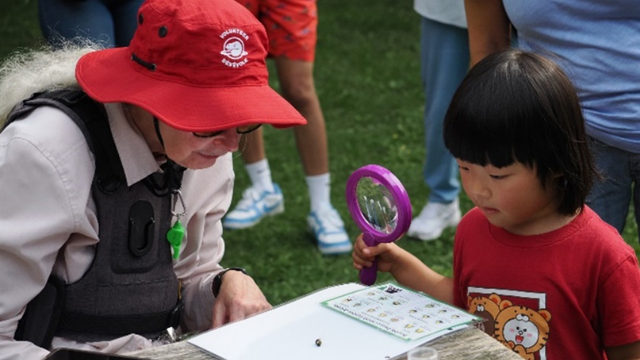
Volunteer-driven monitoring programs continued to flourish this year. The Bumble Bee Community Science Program logged 1,160 observations in 2025, a more than threefold increase since the program began in 2023, reflecting growing public enthusiasm and stronger data collection across the park. Highlights this year included two sightings of species listed as Special Concern under the Species at Risk Act, the American Bumble Bee and the Yellow-banded Bumble Bee.
📷 Marlene Duhig
Guided walks
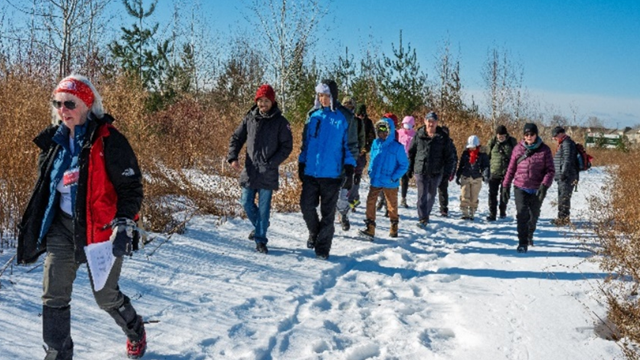
Through 146 guided walks, volunteer leaders helped visitors connect more deeply with the landscapes, stories and biodiversity of Rouge National Urban Park. One of the season’s standout experiences was the new Wondrous Woodcocks walk, where participants gathered at dusk to hear the distinctive calls of American Woodcocks and watch their aerial courtship display. The walk quickly became a favourite and will return in 2026, reflecting the growing interest in unique and immersive nature experiences across the park.
Planting powerhouse
In collaboration with 10,000 Trees, 393 volunteers came together for the annual large-scale fall planting event, planting 1,980 native trees and shrubs in a single day and restoring one hectare of forest habitat.
📷Gary James
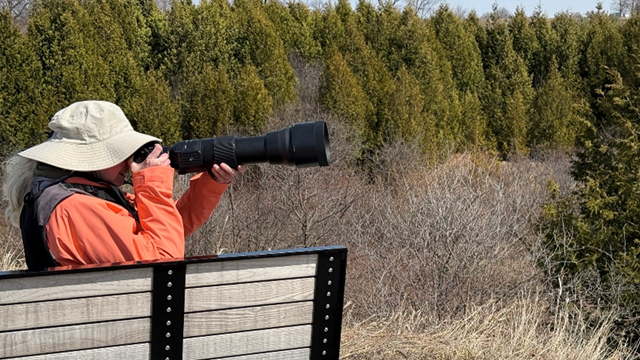
Through their lens
Volunteer photographers captured the beauty, diversity and everyday moments of Rouge National Urban Park, helping share the park’s stories and spirit with wider audiences. Their images speak for themselves.
Future conservation leaders fellowship
Future Conservation Leaders Fellowship
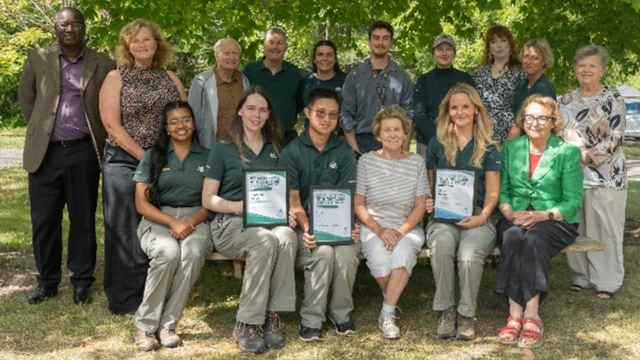
Since 2019, the Pauline Browes Future Conservation Leaders Fellowship has provided students with hands-on experience alongside Parks Canada’s Resource Conservation team at Rouge National Urban Park. In 2025, fellowship recipient Chloe Thexton worked with the park’s Ecological Integrity team, contributing to amphibian monitoring, water quality testing, vegetation and invasive species surveys and emergency wildlife response. Reflecting on her experience, Chloe described conservation as “an act of care — persistent, grounded and built on small moments that matter,” capturing the spirit of a program that continues to inspire and equip the next generation of conservation leaders.
Ten years into the journey of Rouge National Urban Park, the progress seen in 2025 is a testament to what can be achieved through collaboration, stewardship and a shared vision. As the park continues to evolve, this collective commitment will carry forward into the next decade and beyond. Thank you for journeying with us; we look forward to working collaboratively with partners and visitors to continue to build on the great work that is being done and what the next decade will bring for Canada’s first national urban park!

Mikailou Sy, Field Unit Superintendent

 Hemlock
  New (2024) graphic representing Indigenous stewardship at Parks Canada.
 Park Wardens with the unique responsibility of protecting and stewarding Canada's first national urban park.
 Harvest Trail in the fall
 Discover the Rouge QR code station
 Learn to camp
 Learn to snowshoe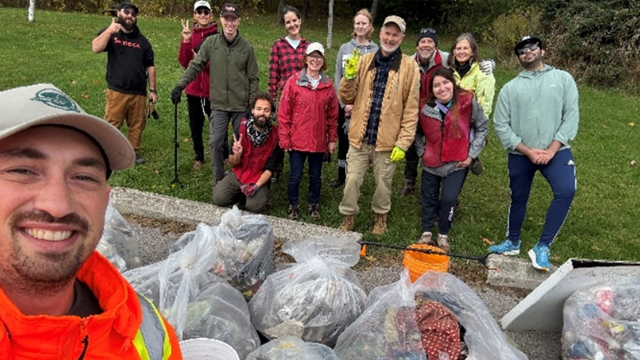
 📷Gary James
 📷 Marlene Duhig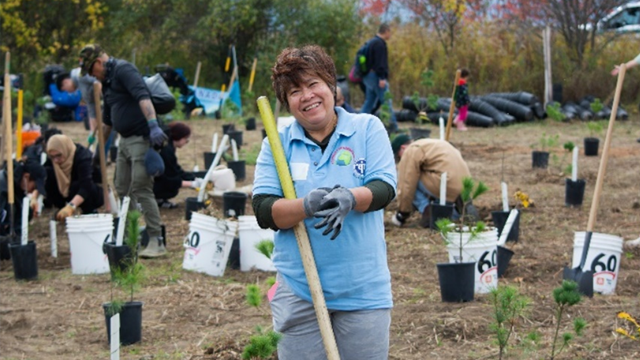
 📷Gary James
 Future Conservation Leaders Fellowship