
2024 Year in Review
Rouge National Urban Park
Over the past decade, Parks Canada has committed to building Rouge National Urban Park, fostering a unique space where the quiet beauty of nature meets the bustling urban landscape of the Greater Toronto Area. This year, we reflect on the achievements accomplished at Canada’s first national urban park, including conservation projects, infrastructure improvements, Indigenous engagement and community connection — all while welcoming thousands of visitors to experience the park’s diverse ecosystems, scenic trails and agricultural offerings.
Parks Canada would like to express a heartfelt thank you to all partners, volunteers and stakeholders for their invaluable contributions to the establishment and operation of Rouge National Urban Park. Join us in commemorating this collaboration and hard work, celebrating milestones that have shaped the Rouge into a cherished space for generations to come.
Parks Canada acknowledges and respects the deep connection of First Nations peoples to the land, recognizing their history and cultural heritage as first stewards of the lands and waters, and is grateful for the opportunity to build on this wisdom going forward. Parks Canada works closely with 10 First Nations with ancestral, traditional and historic ties to the lands that make up Rouge National Urban Park. We thank those First Nations for their continued collaboration on various projects and initiatives for the establishment of the first national urban park in Canada.
We recognize the long-standing relationship the Haudenosaunee, Anishinaabe and Wendat peoples have with the lands administered by Parks Canada at Rouge National Urban Park. We will continue to work closely with ancestral and traditional rights holders, aiming to deepen the relationships through various mechanisms such as Indigenous placemaking and with consideration of Indigenous knowledge in conservation efforts, particularly with the management of species at risk and/or culturally significant species.
2024: at a glance
- Over 26,000 visitor connections with our visitor services team
- 1,600 visitors led on a free guided walk
- 13 external guided walks introduced 230 first-timers to the Rouge
- Over 2,300 instances of visitors violating park regulations were addressed
- Over 350 turtle hatchlings released
- 61 two-year-old Blanding’s turtles released
- 45,000 trees planted
- More than 10 km of fishing line recycled
- Parks Canada Indigenous Stewardship Policy finalized with significant consultation and engagement with many Indigenous community partners at the Rouge
- Over 15,000 outdoor adventurers engaged through Learn-to Camp
- 2 new agricultural lessees joined the Rouge
- 65 tenanted properties no longer relying on bottled water
10 years at Rouge: by the numbers
Over the past ten years, Parks Canada:
- has acquired 96% of lands committed by municipal and provincial partners for the park, and the park continues to grow!
- planted over 300,000 trees in partnership with the Toronto & Region Conservation Authority (TRCA), Indigenous partners, and community groups and volunteers through various initiatives, including the federal 2 Billion Trees program.
- has overseen the stewardship of roughly 9,000 acres of agricultural lands, which can sustain more than 30 types of crops.
- has completed 137 ecological restoration and farmland best management practices projects in partnership with TRCA. These projects have restored 91 hectares of wetland habitat, 142 hectares of forest habitat, five hectares of meadow habitat, and more than 800 metres of stream restoration.
- has engaged over 117,000 outdoor adventurers and nature lovers through Learn-to Camp programming.
- has interacted with over 227,000 visitors eager to explore all corners of Rouge National Urban Park.
Park projects
Visitor, learning and community centre
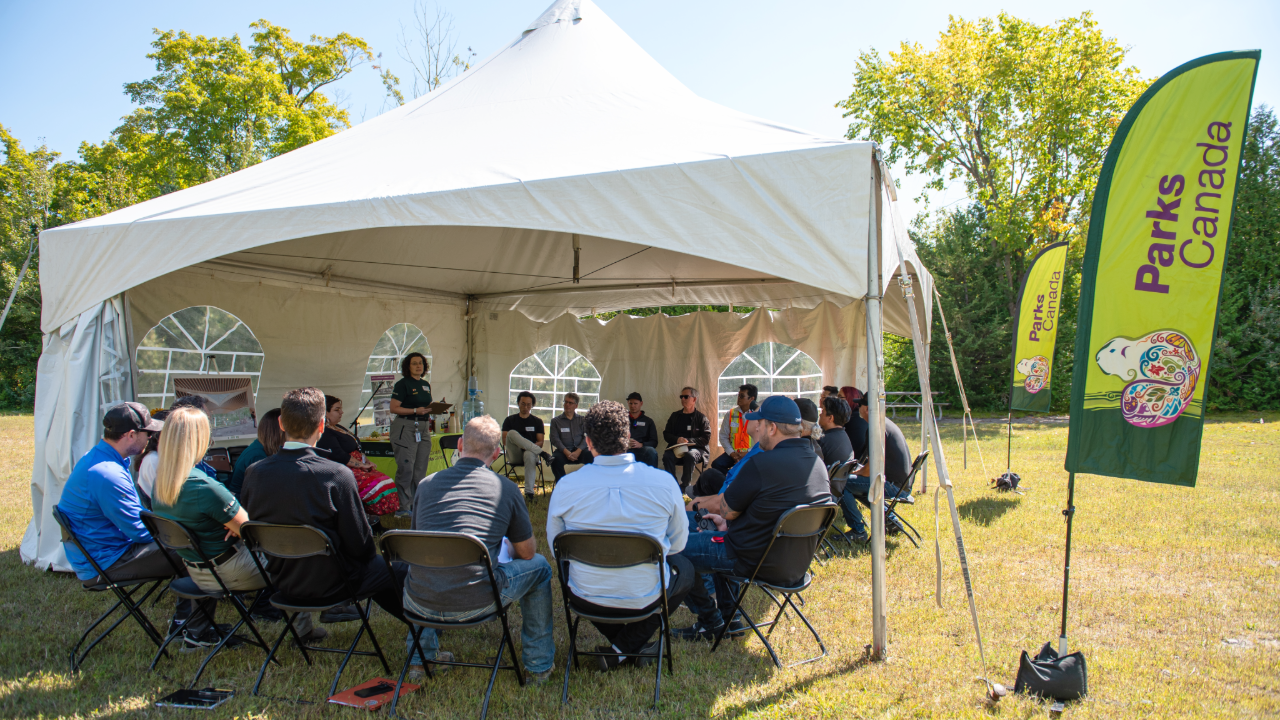
2024 marked a major milestone in the development of Rouge National Urban Park’s new visitor, learning and community centre. This year marked the completion of recording sessions featuring over a dozen First Nations artists, storytellers and performing ensembles for the Indigenous soundscape installation which will be featured in the centre. Parks Canada finalized planning and awarded the construction tender to ConPro, whose successful bid included a comprehensive Indigenous Participation Plan aimed at creating economic opportunities for local First Nation communities that are part of the park’s First Nations Advisory Circle. Preparations began for construction in 2025, which includes the closure of the Zoo Road Day Use Area. Once completed, the new centre will serve as a landmark gateway, deepening public understanding of the Rouge’s Indigenous, natural, cultural, and agricultural heritage. Follow our progress on the park’s website.
Rouge Beach glow-up
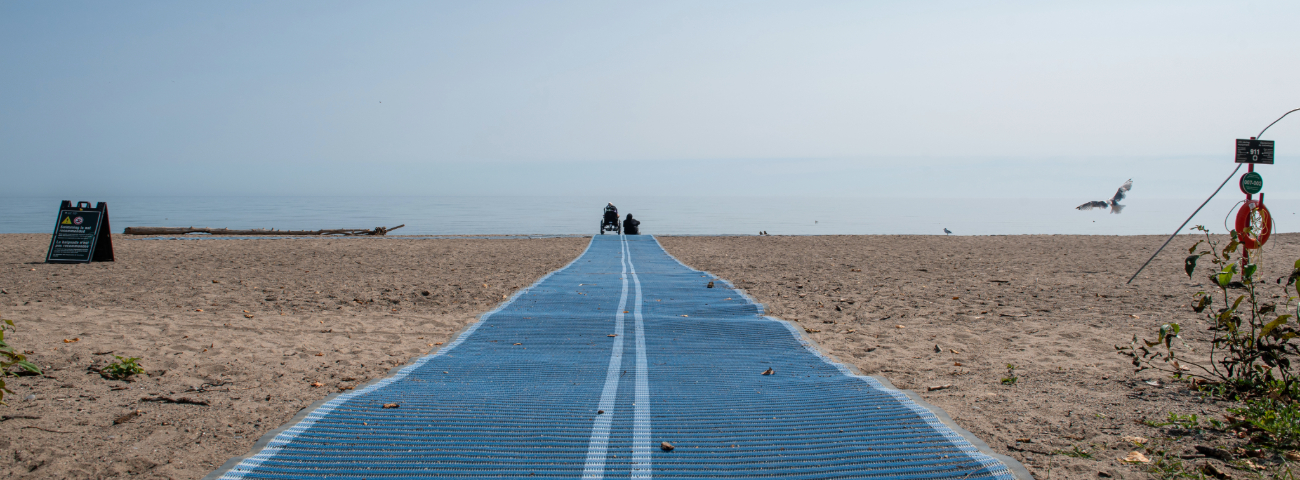
During summer 2024, Parks Canada resurfaced the concrete foundation of the former washroom building to create a new public area with a soft, non-slip rubber surface similar to those found in playgrounds. The area was then outfitted with picnic tables, cozy hammocks and shade sails, making it a perfect spot to relax and soak up the beach experience. In addition, the installation of “mobi’mats” from the beach to the shoreline improved accessibility for those using wheelchairs and strollers. Beachgoers tell us that they love these new amenities and now look forward to enjoying them seasonally!
Final touches: Twyn Rivers Day Use Area
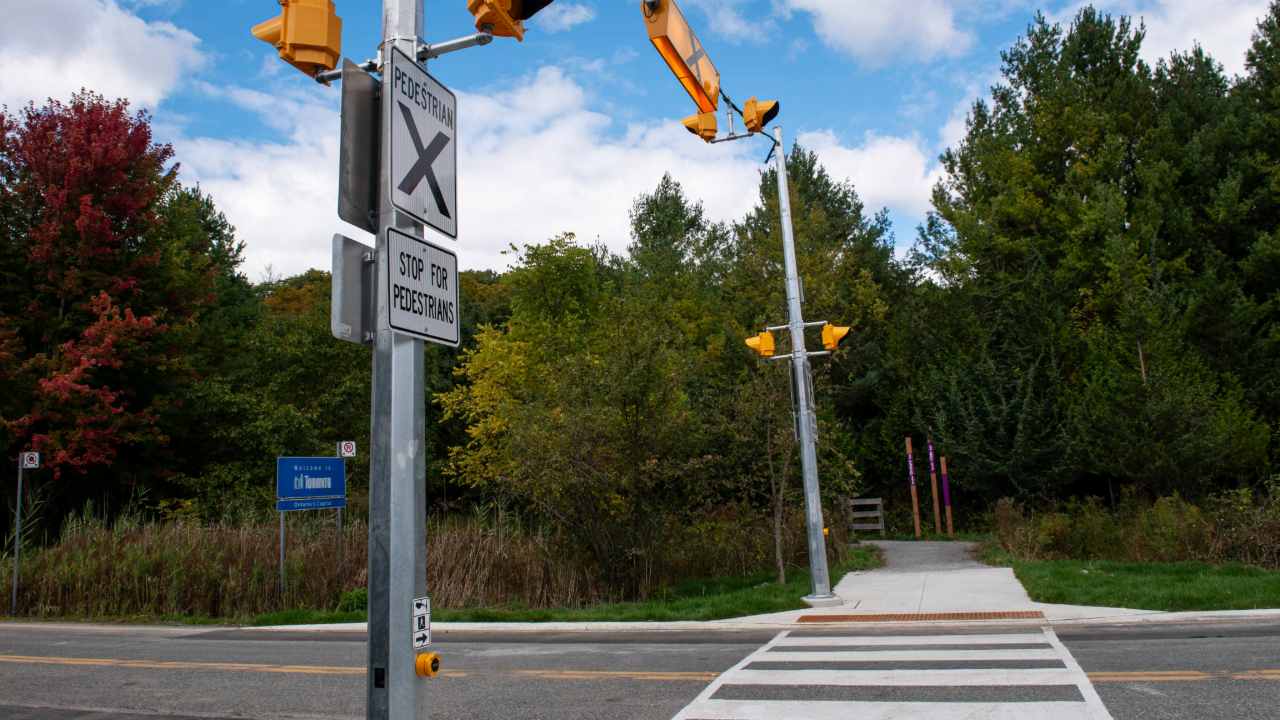
As one the last pieces to put in place at Twyn Rivers Day Use Area, Parks Canada unveiled a new pedestrian crossing on Twyn Rivers Drive in 2024. This improvement significantly enhances visitor safety and is part of the park’s ongoing commitment to ensure a safe and enjoyable experience for all park-goers. The Twyn Rivers Day Use Area reopened in July 2023 after undergoing $2.6 million in infrastructure improvements.
Indigenous leadership
Strengthening Indigenous stewardship at the Rouge
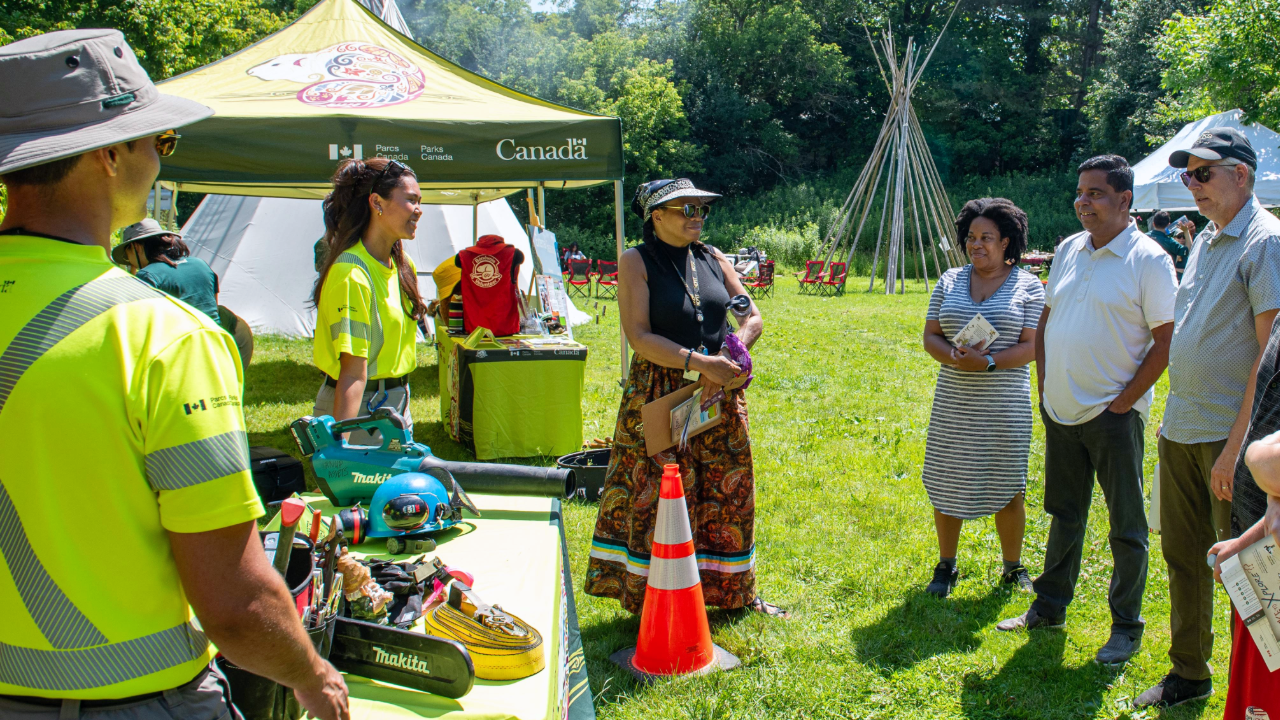
In 2024, Parks Canada celebrated the finalization of the Indigenous Stewardship Policy. This policy, developed with significant consultation and engagement with many First Nations, the National Indigenous Advisory Circle and the Rouge First Nations Advisory Circle, serves as a direction for Parks Canada. This policy works to deepen relationships with First Nation communities by fostering enhanced opportunities for shared governance, promoting economic opportunities and removing barriers to traditional practices on land, water and ice. The policy emphasizes the integration of Indigenous knowledge in all aspects of environmental stewardship, ensuring that Indigenous perspectives are considered in all aspects of the park's management and operational activities.
New initiatives mark this meaningful step in reconciliation and collaborative conservation efforts at Rouge National Urban Park. For example, Parks Canada recently launched the Indigenous Fire Circle, an initiative aimed at incorporating Indigenous perspectives, knowledge systems and concerns into wildfire management as well as prescribed and cultural burn management. The integration of Indigenous fire stewardship practices into Parks Canada’s fire management planning and operations represents a significant advancement in fostering respectful collaboration and promoting ecological resilience.
In addition, Rouge National Urban Park is supporting First Nation Advisory Circle communities interested in the development of Indigenous Guardians programs. These programs offer the opportunity for Indigenous knowledge and Western science to intersect, fostering a Two-Eyed Seeing approach to decision-making and land stewardship.
The launch of the community turtle conservation project with SNGR
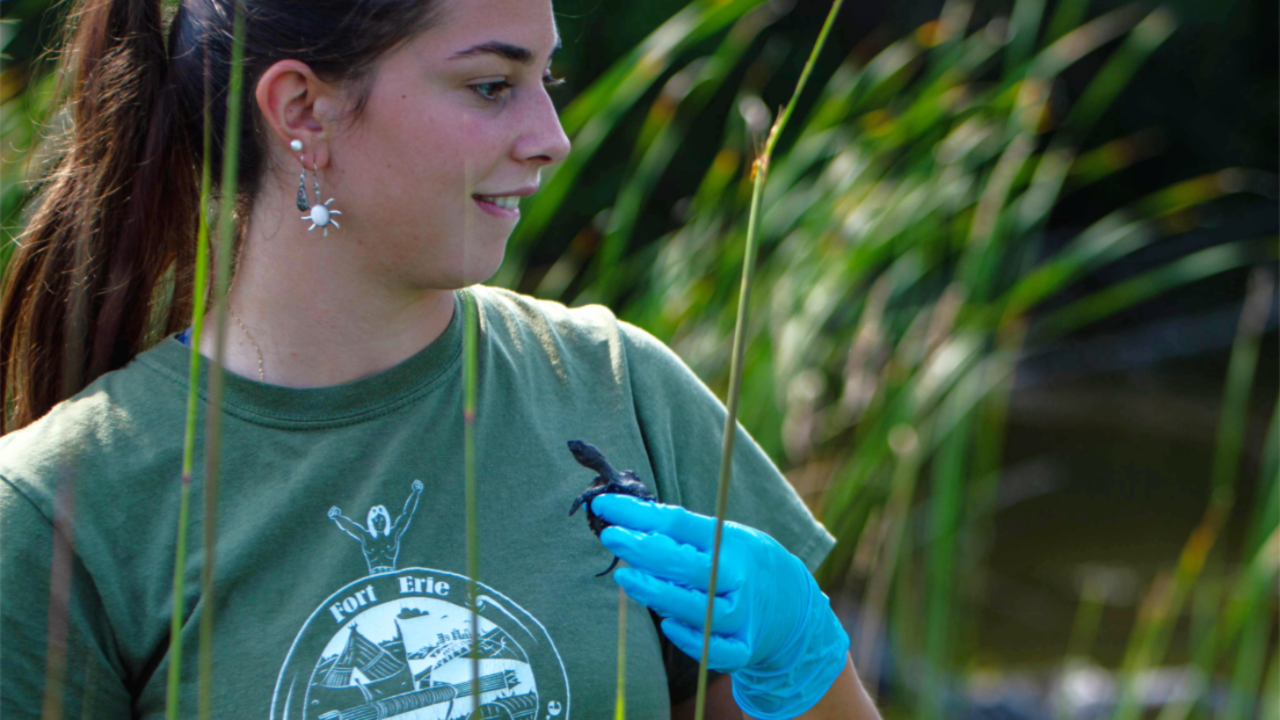
In 2024, Parks Canada and Six Nations of the Grand River (SNGR) launched a new community turtle conservation project, a Nation-based stewardship initiative that evolved into a self-sufficient program. Through training, resource sharing and on-the-land activities within Rouge National Urban Park and the Nation’s community, the collaboration has seen great strides in enhancing turtle conservation and advancing reconciliation efforts.
The project featured training workshops, outreach sessions and relationship-building activities, facilitating collaborative knowledge-sharing between SNGR and Parks Canada staff. With the help of specialty conservation equipment provided by Parks Canada, this project supports best practices in key activities like turtle nest protection, egg incubation and hatchling release. This initiative has not only advanced turtle conservation efforts, but also strengthened the partnership between Parks Canada and Six Nations of the Grand River, fostering a deeper understanding and integration of Indigenous perspectives in environmental stewardship at the Rouge.
Establishment
Expanding horizons: New funding and TRCA land transfer
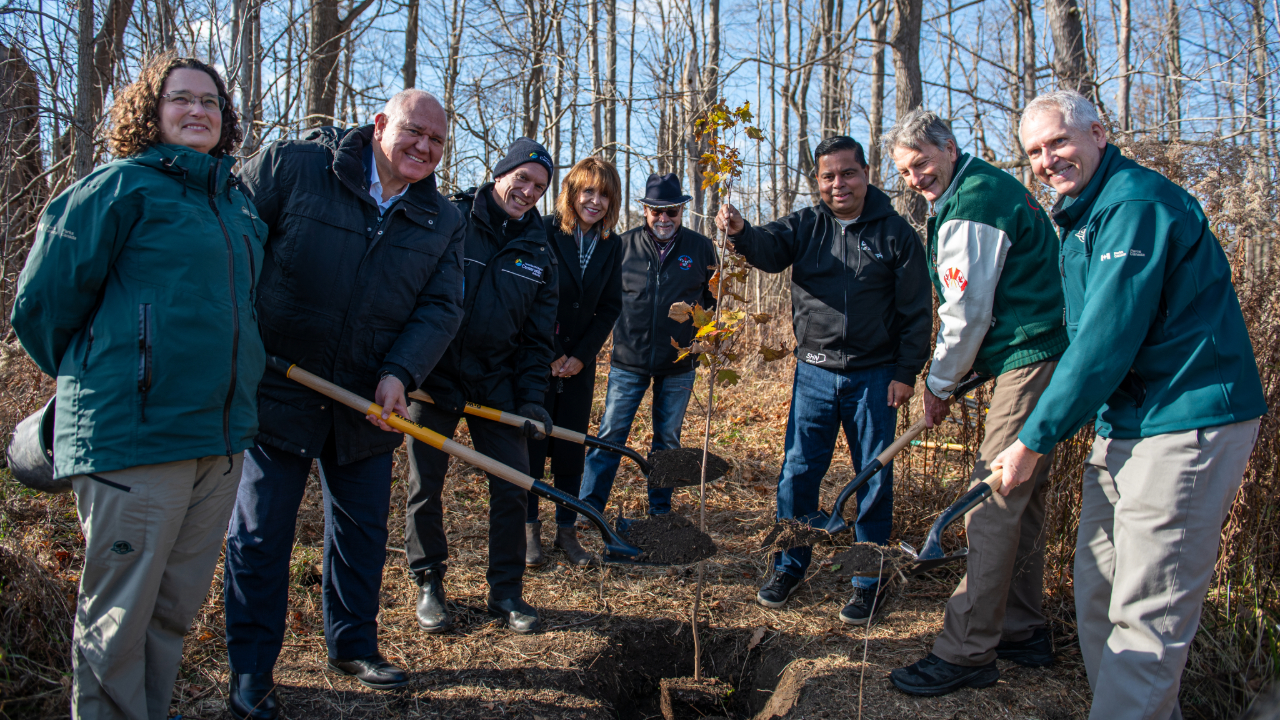
These announcements mark significant strides for Rouge National Urban Park, furthering its mandate to protect and restore vital natural spaces for generations to come.
In November 2024, Minister Gary Anandasangaree announced two major developments for Rouge National Urban Park. First, a funding contribution of $949,940 was allocated to the TRCA to collaborate with Parks Canada and Indigenous partners on critical restoration work within the park. This funding will support essential initiatives to enhance the park's ecosystems and strengthen its biodiversity.
The second was that the TRCA board approved a motion to transfer 119 hectares of TRCA-owned land to Parks Canada for future inclusion in Rouge National Urban Park. These lands, spanning areas including Major Creek, West Duffins Creek, the Duffins Rouge Agricultural Preserve and Petticoat Creek, represent an exciting opportunity for park expansion. Consultations with Indigenous partners will ensure thoughtful and respectful collaboration prior to any land transfer.
Park regulation changes
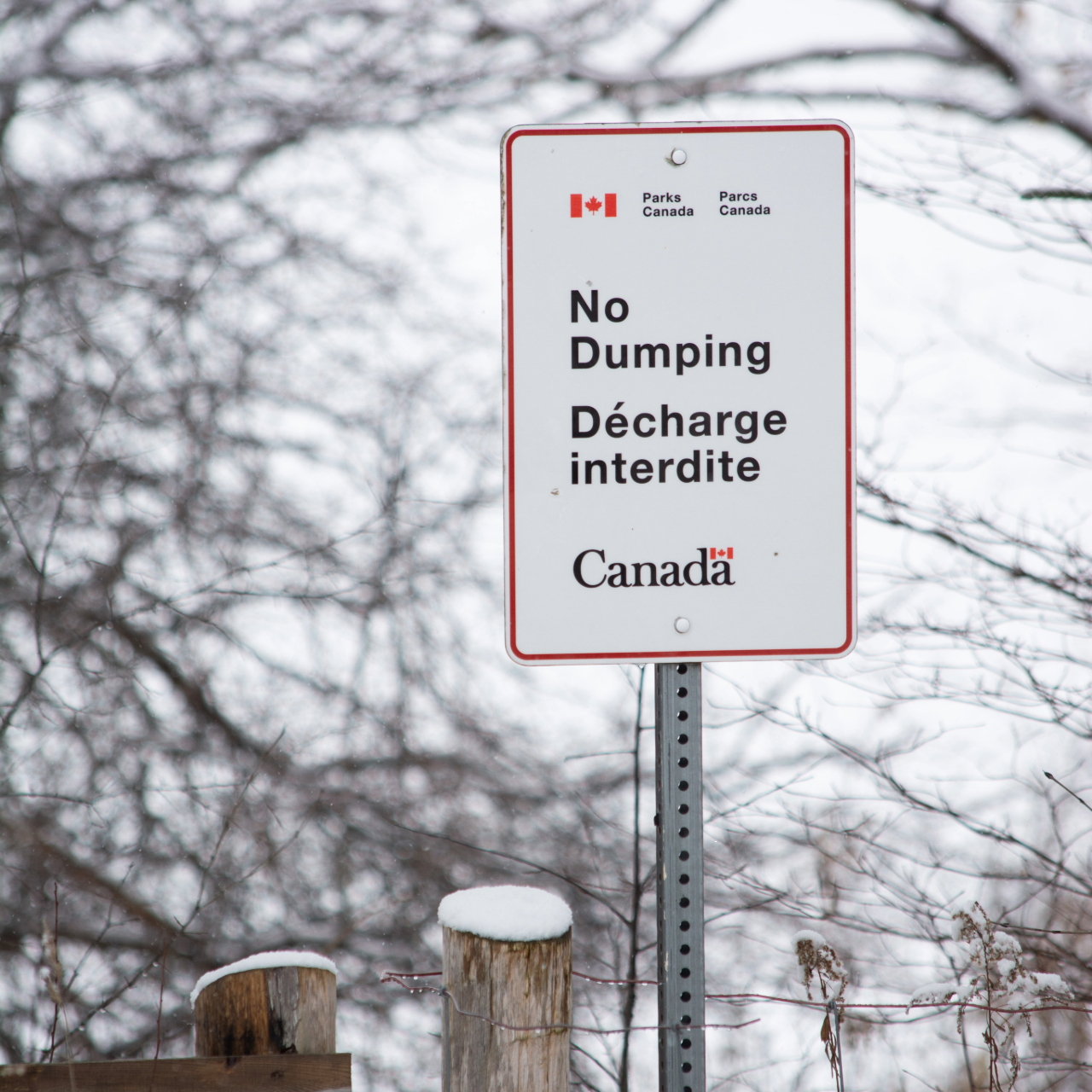
Amendments to the Contraventions Regulations officially passed on May 22, 2024, marking a big step forward for Rouge National Urban Park. Enforcement of key protections under the Rouge National Urban Park Act is now more efficient, with certain offences (such as dumping, vandalism, and damage to natural or cultural resources) now eligible for ticketing. This change follows a public consultation process and reflects Parks Canada’s continued commitment to protecting the park’s natural, cultural and agricultural integrity.
Sustainable growth in Rouge's agricultural community
This year, Parks Canada advanced the development of a comprehensive long-term agricultural leasing strategy for the park. This initiative provides farmers with greater stability and confidence, empowering them to fully pursue their agricultural visions. By supporting sustainable practices and long-term stewardship, the strategy helps strengthen the park’s vibrant farming community. In keeping with the park’s management goals to diversify the farming landscape in Rouge National Urban Park, Parks Canada welcomed two new agricultural lessees who were selected through a public solicitation process. These new farm businesses in the park will steward park lands through sustainable agricultural practices and offer new agri-tourism opportunities and local farm products.
Park visitors
Visitors by the numbers

The Visitor Services team at the Rouge had a stellar 2024 operating season, engaging with park visitors at the popular day use areas at Zoo Road, Bob Hunter Memorial Park and Twyn Rivers. From May to October, staff made more than 26,000 connections with the public, including more than 10,000 visitor interactions during the Fall Colours season! Since 2015, Rouge National Urban Park’s Visitor Services team has logged almost 228,000 interactions.
Discover the Rouge with exciting new visitor tools
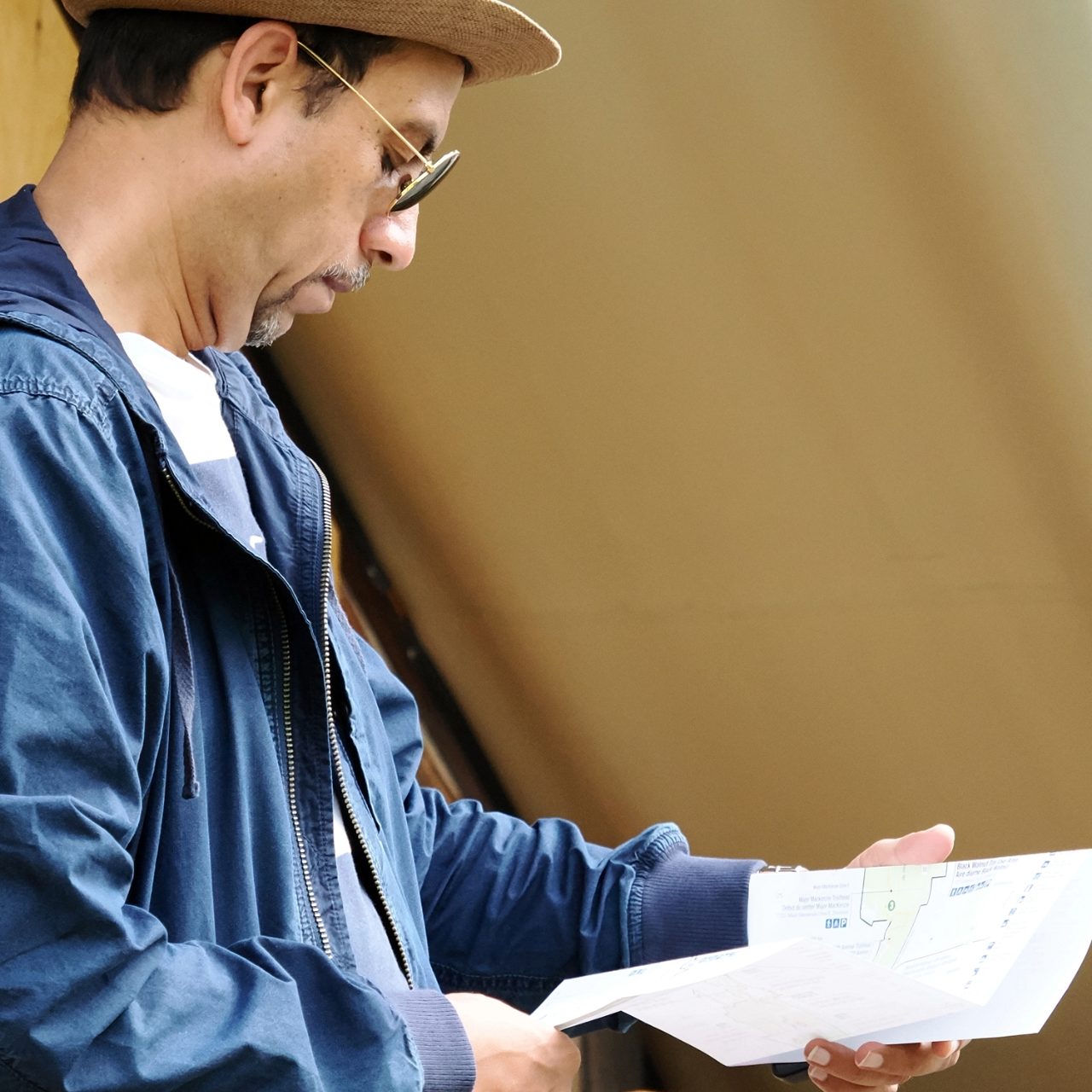
This year, the park introduced its first Trail Guide & Park Map. This comprehensive resource provides visitors with key information about planning their trip, accessibility and safety tips, activities at each day-use area and essential park rules. The reverse side features a detailed map and descriptions of the trails, showcasing what each park destination has to offer. Available both online and in print during Visitor Services hours, it’s an invaluable tool for discovering the wonders of the Rouge.
Protecting the park
In 2024, Parks Canada staff at Rouge National Urban Park worked tirelessly to promote a safe and enjoyable environment for all. Monitoring nearly 1,500 kilometres of trails over the course of the year, the compliance team addressed more than 2,300 instances of park-related infractions and violations, often issuing friendly reminders to help educate visitors. Rouge Beach saw the highest concentration of incidents, accounting for 50% of the total.
The law enforcement team maintained a strong presence in Rouge National Urban Park — Eastern Canada’s busiest law enforcement service area — recording 613 incidents in 2024. Wardens provided year-round coverage, dedicating over 2,100 hours to proactive patrols and another 1,000 hours responding to incidents. A total of 135 charges were laid, including the first-ever under the Rouge National Urban Park Act, with offences ranging from construction material dumping to salmon poaching. These efforts highlight the unique challenges of urban park enforcement and the vital role of park wardens in protecting the Rouge’s natural and cultural heritage.
Key issues addressed by park wardens and the compliance team included off-leash pets, illegal dumping, open liquor and campfire violations, parking infractions, and unauthorized resource collection. Over the past four years, nearly 18,000 rule violations have been addressed and more than 3,200 pounds of litter have been cleared from the park.
Fun fact: Over the years, Compliance staff have encountered a variety of unique pets on RNUP trails — including goats, cats, parrots, and even lizards!
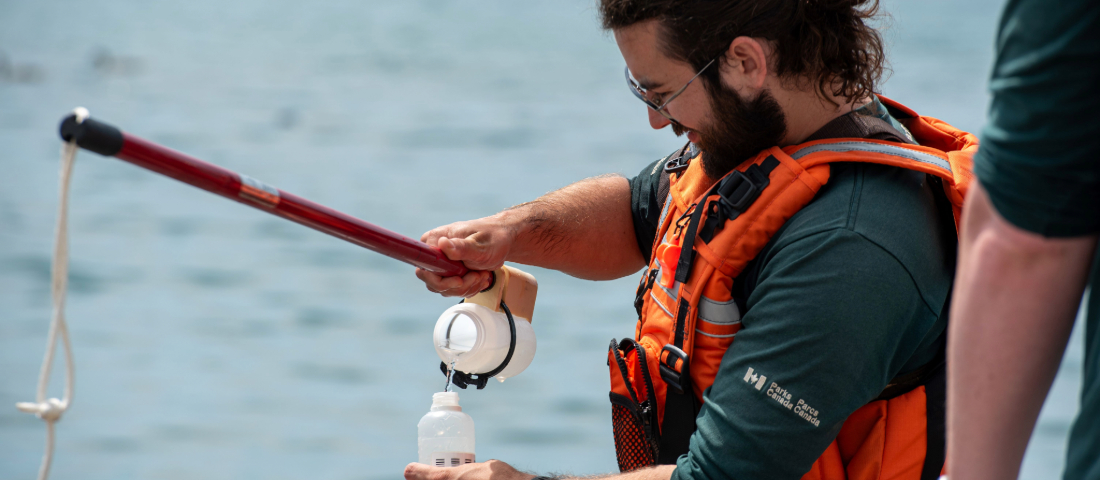
In 2024, Parks Canada staff removed more than 1,200 pounds of litter and hosted three "Learn-to Fish" events, engaging 500 participants in responsible fishing practices and fishing line recycling.
Conservation
Creating a forest: Parks Canada's Climate Crew
The Parks Canada-produced video Creating a forest takes viewers into the field for a tree-planting day with 10,000 Trees, a key partner in Parks Canada’s ecological restoration efforts. Filmed in October 2024 as part of the Climate Crew series, this 6-minute webisode highlights the critical role of afforestation — the planting of trees in an area where there was no forest previously — in combating climate change. Audiences are introduced to native tree seed collection as conservationists and volunteers work to preserve native species, guided by the Rouge National Urban Park First Nations Advisory Circle. Blending graphic novel-style animation, field action and expert interviews, Creating a Forest is packed with inspiration aimed at youth ages 11–14 to engage with conservation. You can watch the video, including interviews with Parks Canada experts and plenty of on-the-ground tree-planting action, on Parks Canada’s YouTube page.
The Architect: Secrets of the Forest
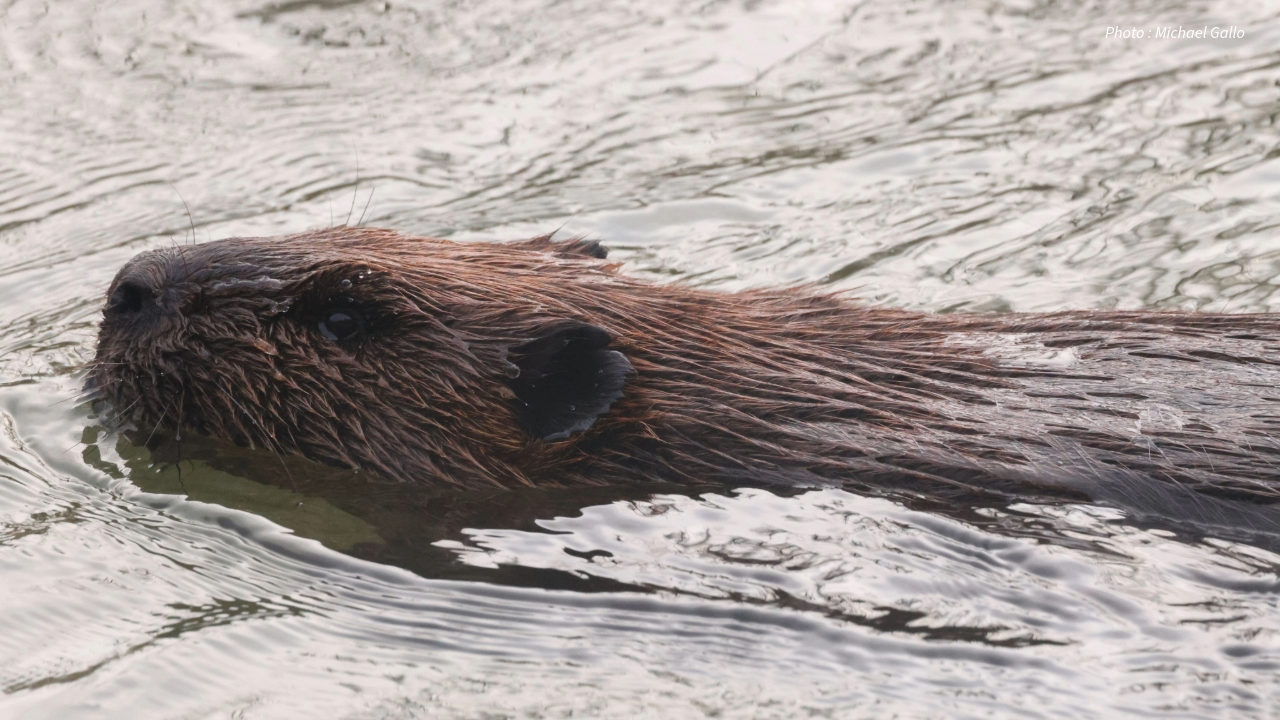
In partnership with TVOKids, Parks Canada invited viewers to Rouge National Urban Park to explore the fascinating world of beavers – one of nature’s great architects! Filmed as part of the Eco-Adventures Across Canada series, this episode reveals how beavers shape their environment by building dams and lodges that create ponds and wetlands, benefiting countless plant and animal species in the Rouge. This 11-minute adventure, designed to inspire curiosity in viewers young and old, is available now on the TVOKids YouTube channel.
Assessing ecosystems
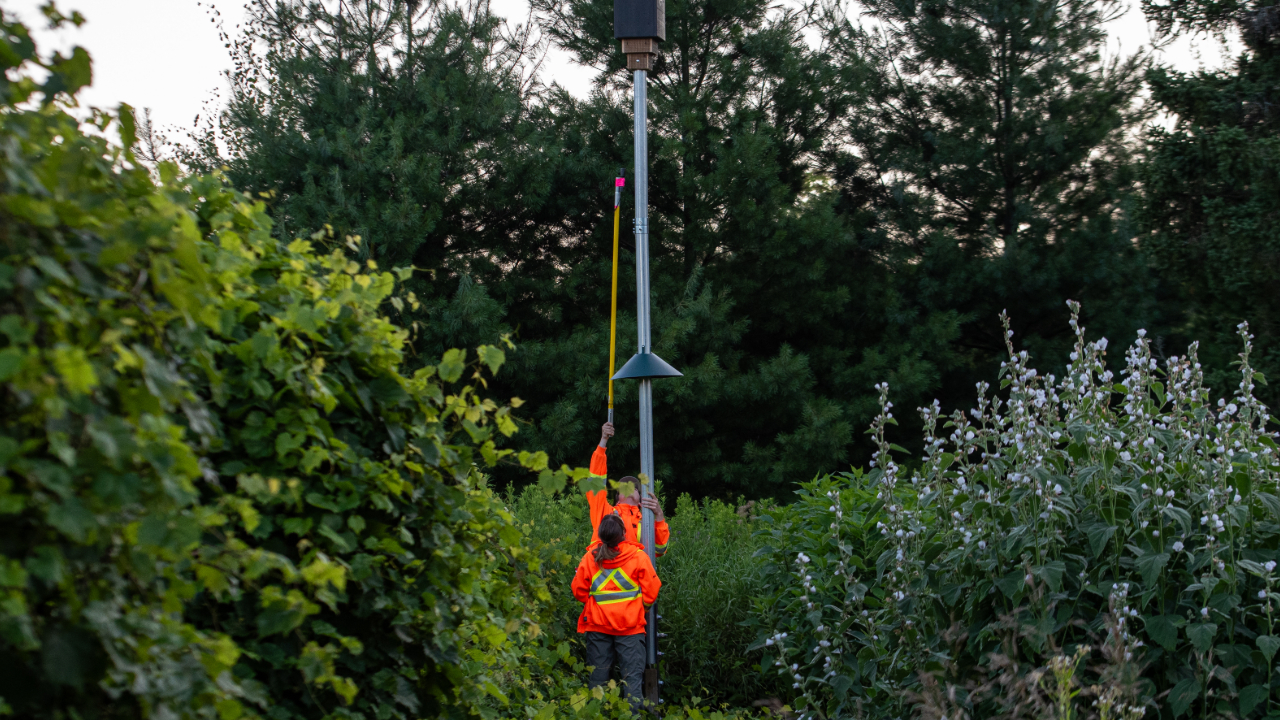
Since 2015, Parks Canada has been assessing the conditions of natural ecosystems in Rouge National Urban Park. From this, several measures had been selected and initiated across key indicators such as forests, water and agriculture. These measures have included monitoring invasive species, forest and meadow birds, water quality and aquatic connectivity. During 2024, the Rouge hosted over 15 research and educational projects, ranging from genetic testing and pollinator diversity to watershed monitoring and macroinvertebrate sampling. These projects are essential to maintaining the health and sustainability of the Rouge, protecting its unique ecosystems and promoting a balanced relationship between nature and human activity.
Bumble bee citizen science
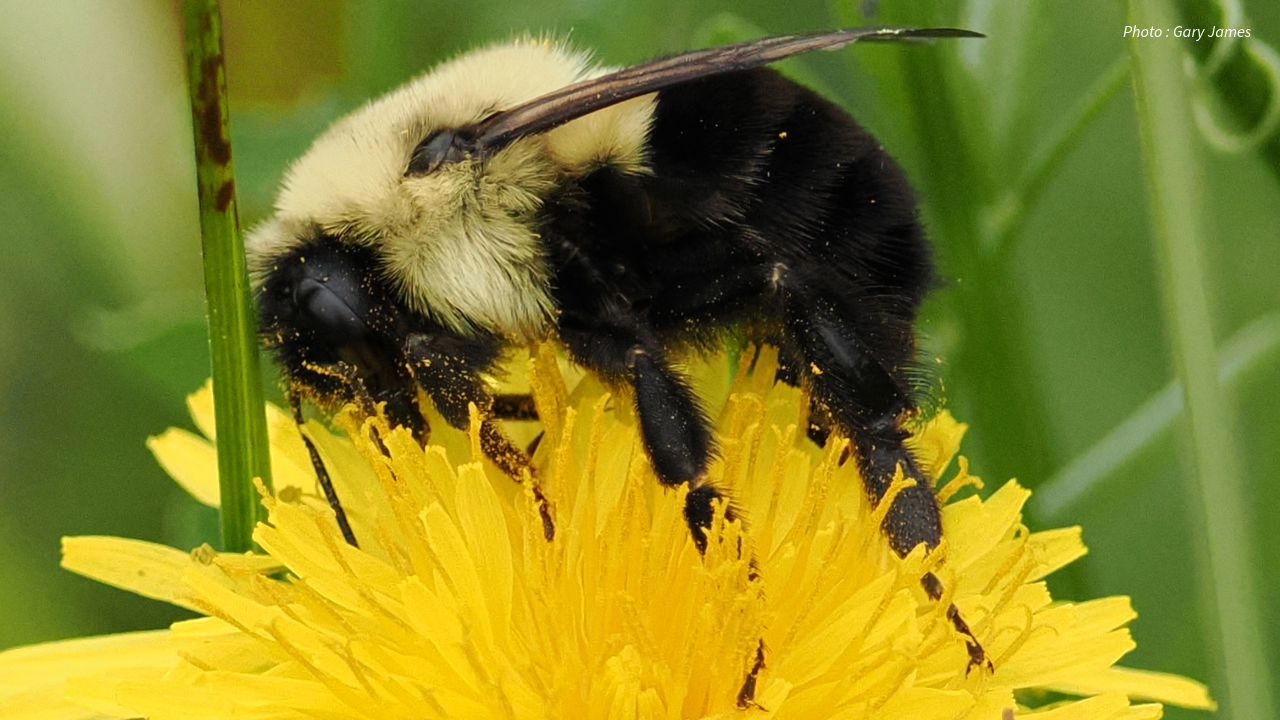
Parks Canada’s Bumble Bee Citizen Science Program in Rouge National Urban Park continued to thrive in 2024, building on its strong foundation from the previous year. A total of 23 passionate volunteers contributed an impressive 655 hours to fieldwork observing bumble bees in their natural habitats. Together, they recorded 835 bumble bee sightings, bringing the program’s overall total to 1,191 bees observed.
In 2024, the common eastern bumble bee retained its title as the most frequently spotted species, with the red-belted bumble bee and brown-belted bumble bee rounding out the top three. Multiple sightings of rare yellow bumble bees added an exciting dimension to the program’s findings. These dedicated monitoring efforts ensure that bumble bee populations and their conservation status remain in the spotlight.
Turtle hatchling highlights
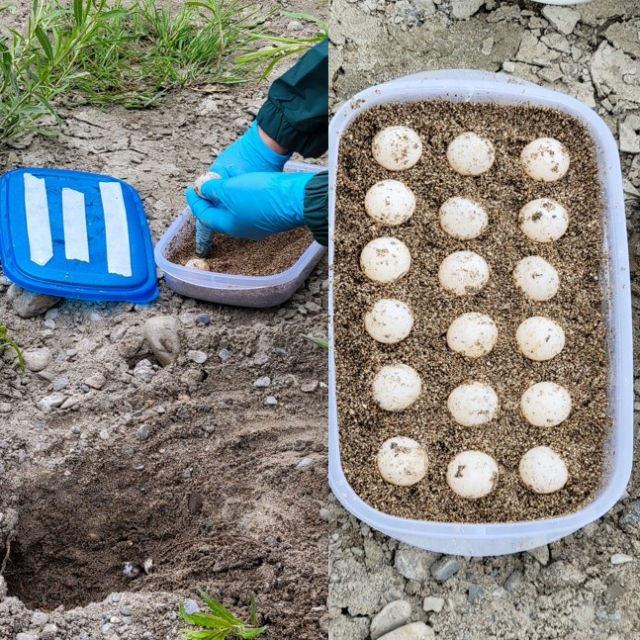
Parks Canada’s turtle nest protection, incubation and release program flourished in 2024. This year, dedicated volunteers spent 178 hours monitoring the park and located 38 nests containing 460 eggs. With an impressive hatch success rate of 95%, 359 hatchlings were released back into Rouge National Urban Park. Since its inception in 2019, this program has safeguarded over 130 nests, collected 1,800 eggs, and released 1,350 healthy hatchlings into the wild. Of these, two Blanding’s turtle nests collected in the park since 2019 joined the Toronto Zoo’s head-start program and have been successfully reintroduced into the Rouge, contributing to the ongoing recovery of this species at risk.
Shell-ebrating 11 years of Blanding’s success
2024 marked the 11th year of the Blanding’s turtle headstarting and reintroduction program in collaboration with the Toronto Zoo. In conservation, “headstarting” refers to the technique of raising young animals in a controlled environment they are released into the wild to improve survival chances. In 2022, Rouge staff were fortunate to collect eggs from “Clementine,” one of the Rouge’s wild adult Blanding’s turtles. After two years of headstarting, 10 of her hatchlings have been released in 2024. This is an exciting win for this population, as eggs from a wild adult Blanding’s turtle living in the Rouge have been successfully found and collected only twice in the project’s history, adding essential local genetics back into the population.
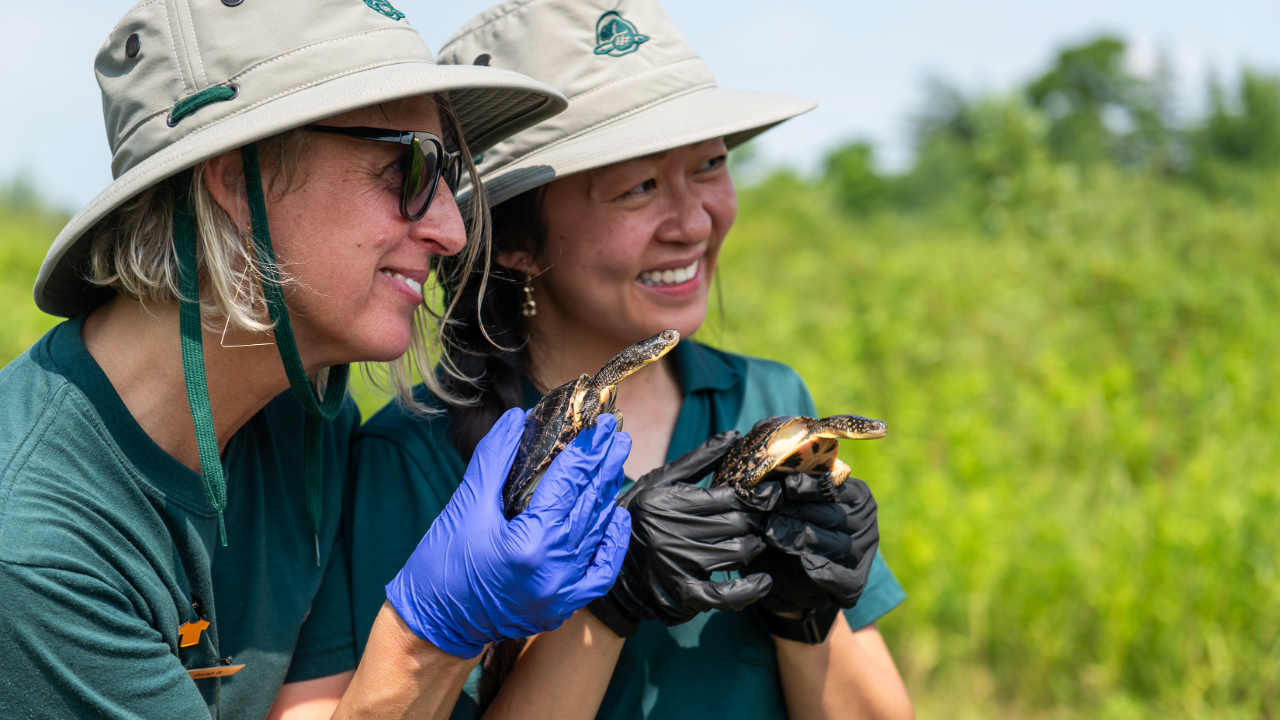
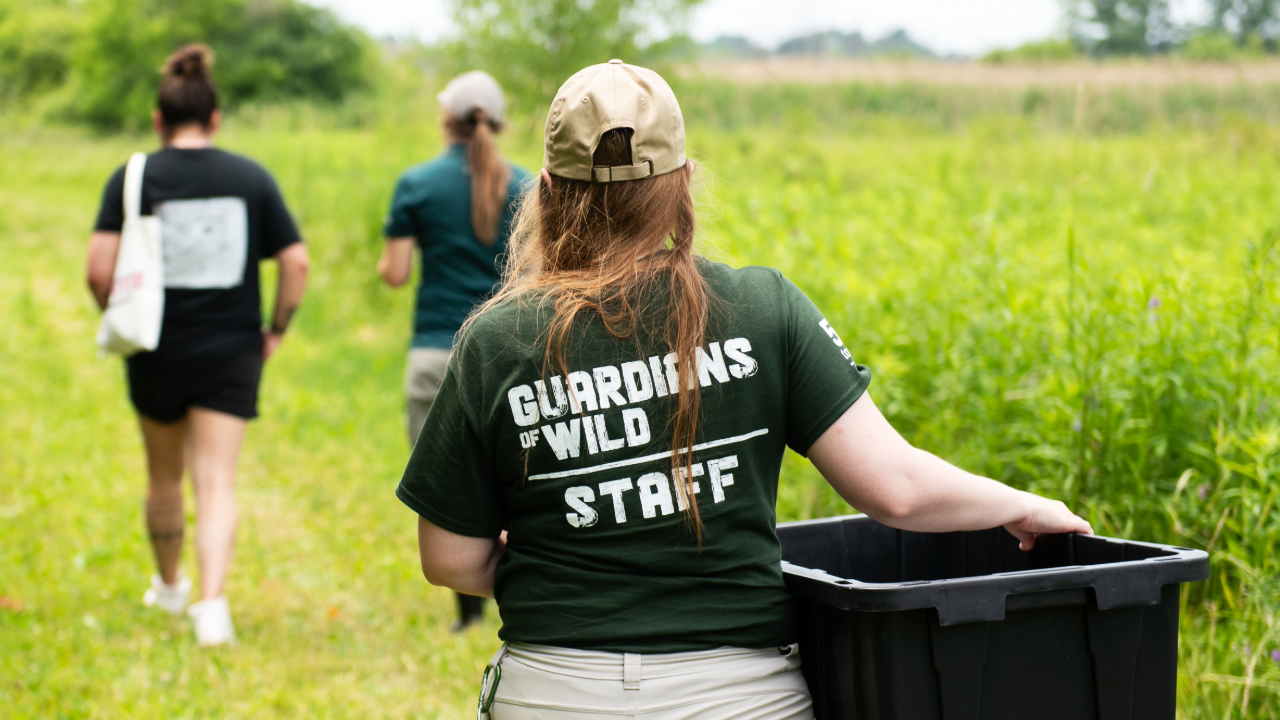
In 2024, 61 two-year old headstarted Blanding’s turtles were released in Rouge National Urban Park. To date, an incredible 740 Blanding’s turtles have been released through the program.
Coexisting with our neighbours in nature
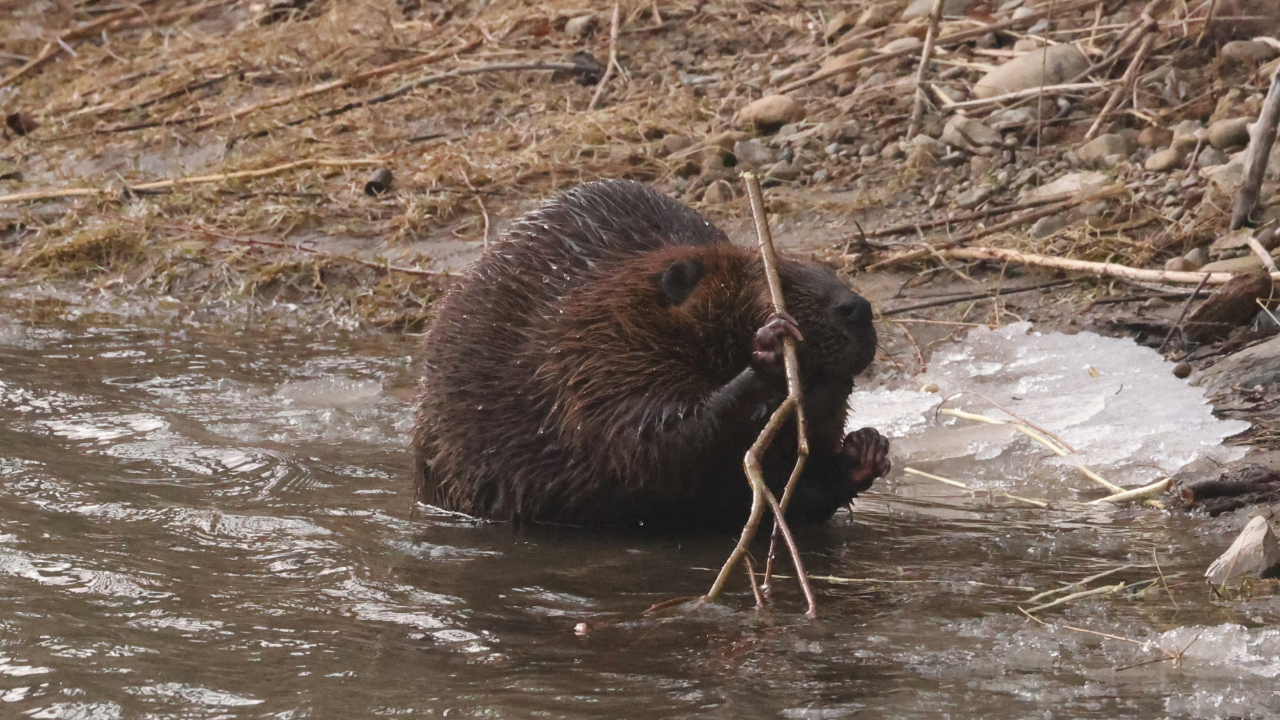
In 2024, Parks Canada continued to advance its Human-Wildlife Coexistence Program in Rouge National Urban Park, implementing innovative solutions to support both wildlife and community safety. One key initiative involved the installation of pond levelers — large pipe-based systems protected by metal fencing — that help regulate water levels in beaver ponds. These structures reduce the risk of flooding in tenanted areas while preserving essential beaver habitats, allowing people and wildlife to thrive side by side.
The program also focused on black bear coexistence, as bears continue to live, hibernate and raise young within the park. Through prevention and response strategies, including improved monitoring and public education, Parks Canada aims to reduce human-wildlife conflict and empower visitors and residents with the knowledge to safely navigate bear encounters, reinforcing the importance of coexisting with these cherished animals.
Tree planting for the future
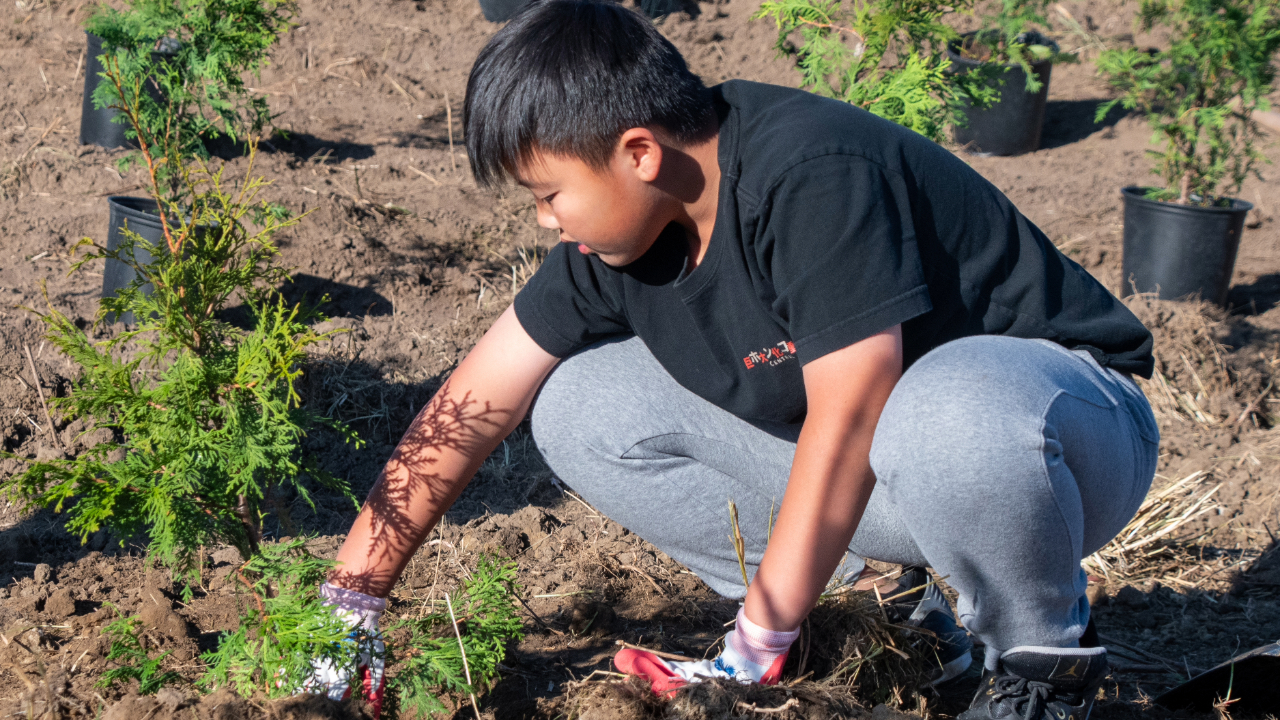
In support of the federal 2 Billion Trees program, Parks Canada and partners planted a remarkable 45,000 trees in 2024. These efforts, enriched by the participation of students, community groups and Indigenous partners, are strengthening ecosystems and enhancing habitat connectivity. In collaboration with the non-profit organization 10,000 Trees, one tree-planting event alone added 2,200 native trees and shrubs to the park's landscape, powered by 467 volunteers who contributed more than 1,400 hours of their time.
Fishing line recycling
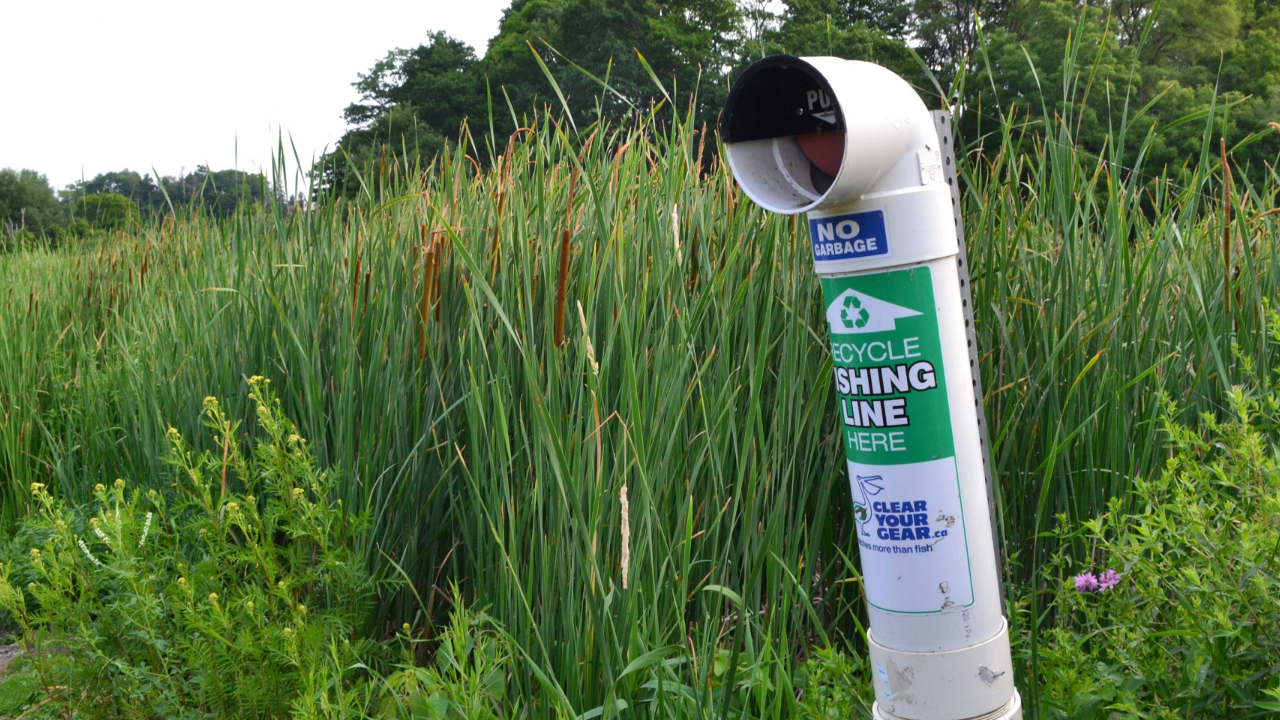
Now in its third year, the Clear Your Gear fishing line recycling program at Rouge Beach continues to make waves in protecting wildlife. With over 10 kilometres of fishing line recycled this year alone, the program has now collected a total of 28,161 metres since its launch in August 2021. That’s enough fishing line to stretch from Rouge Beach all the way to the CN Tower!
Championing conservation: Pauline Browes Future Conservation Leaders Fellowship
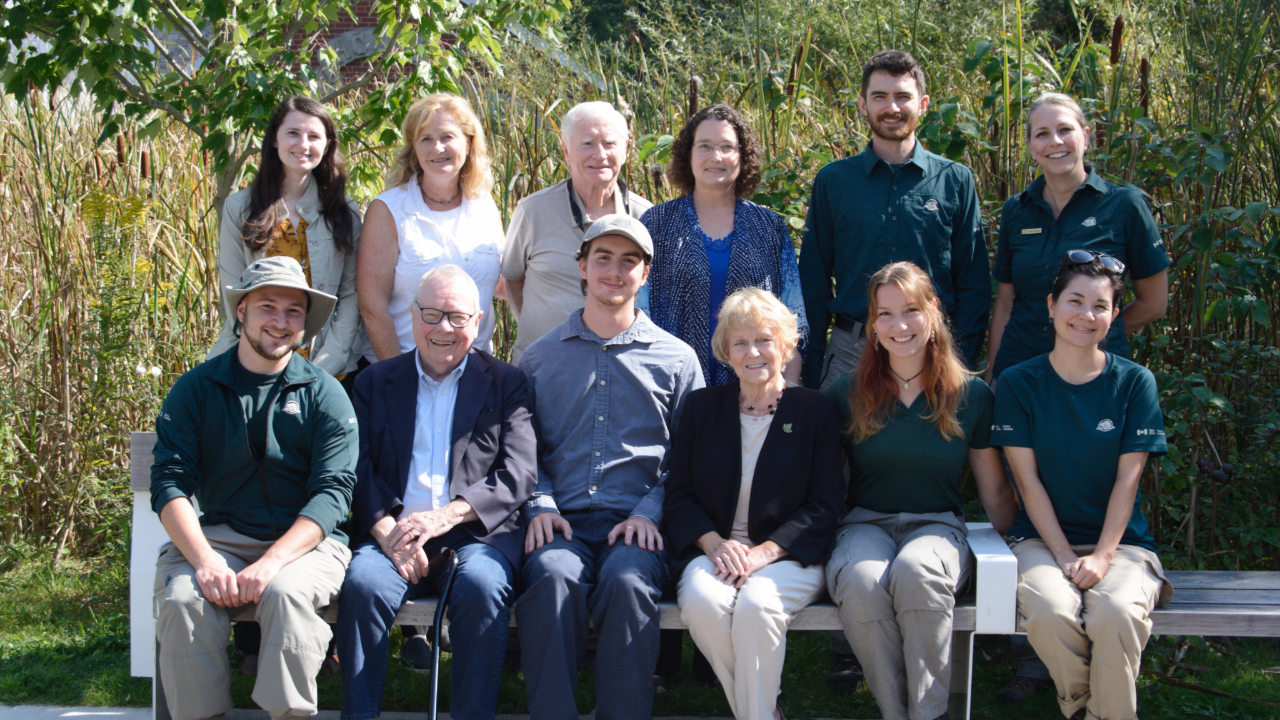
Since 2019, the Pauline Browes Future Conservation Leaders Fellowship has offered students hands-on experience in Rouge National Urban Park alongside the Parks Canada Resource Conservation team. In 2024, fellow Vaughn Philipsz worked with Parks Canada’s Species at Risk and Restoration teams, contributing to crucial conservation projects like Mission Monarch, Bumble Bee Watch, turtle nest protection, wildlife monitoring and black ash mapping. Vaughn described the fellowship as the “best student job ever,” highlighting the program’s success in nurturing passion and expertise in young conservationists.
Cultural resource management
Archaeology at the Rouge
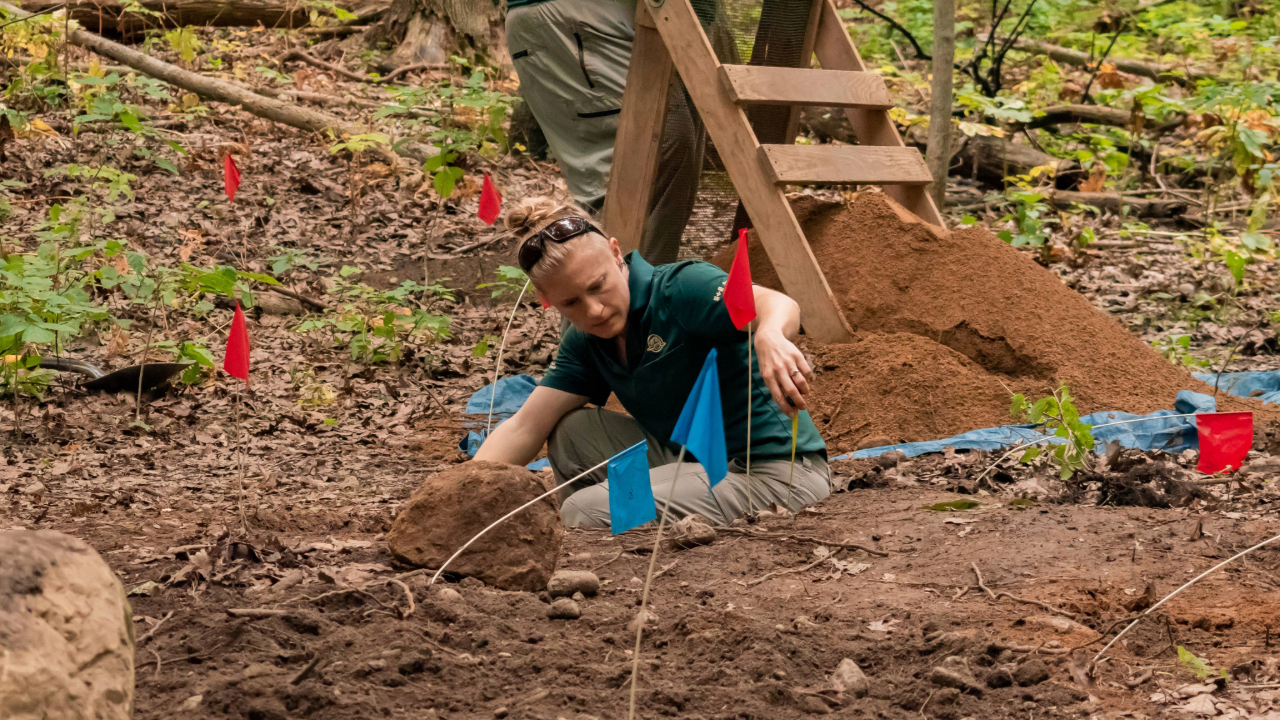
With over 300 archaeological sites registered in the park, the lands and waters that make up Rouge National Urban Park are witness to more than 10,000 years of human history. These sites record early Paleo-Indigenous activity to larger Indigenous settlements, as well as early Euro-Canadian farmsteads to industrial-era remnants. Since 2015, Parks Canada has worked in collaboration with First Nations partners and community stakeholders to carry out more than 200 archaeological assessments across nearly 300 hectares of land, resulting in the identification of 48 previously undocumented archaeological sites at the Rouge. Archaeological efforts have also focused on re-assessing previously identified archaeological sites under a Cultural Heritage Inventory Project. The archaeological assessments and research conducted over the last 10 years have greatly enriched our understanding of the Rouge’s vast history and cultural heritage.
In May 2024, the Department of Anthropology at the University of Toronto Scarborough (UTSC) led a month-long archaeological field methods course in Rouge National Urban Park. The course focused on identifying the footprint of surviving features at the historic Altona Mills site. Utilizing investigation methods such as walking surveys, remote sensing and mapping and limited testing, students were trained with an intentional focus on minimally invasive techniques to identify and document archaeological resources. The project explored how land-use patterns can transform landscapes over time, emphasizing the cultural importance of archaeology and the value of understanding the past from multiple perspectives. This initiative offered students unique, hands-on educational experiences in archaeology and cultural heritage, helping to build future capacity for archaeological site protection.
Growing community
Enhanced access to the Rouge with Parkbus
This year, the Rouge celebrated its 7th year of partnering with Parkbus, the service that connects city dwellers with nature through a free bus trip to the park. The shuttle was in high demand this year, with 16 trips to the Rouge booked to the brim with nature enthusiasts. That’s over 730 visitors between June and October! Parkbus has played a crucial role in enhancing access to Rouge National Urban Park, allowing more people to explore its diverse landscapes and rich natural, cultural and agricultural heritage.
Learn-to programming
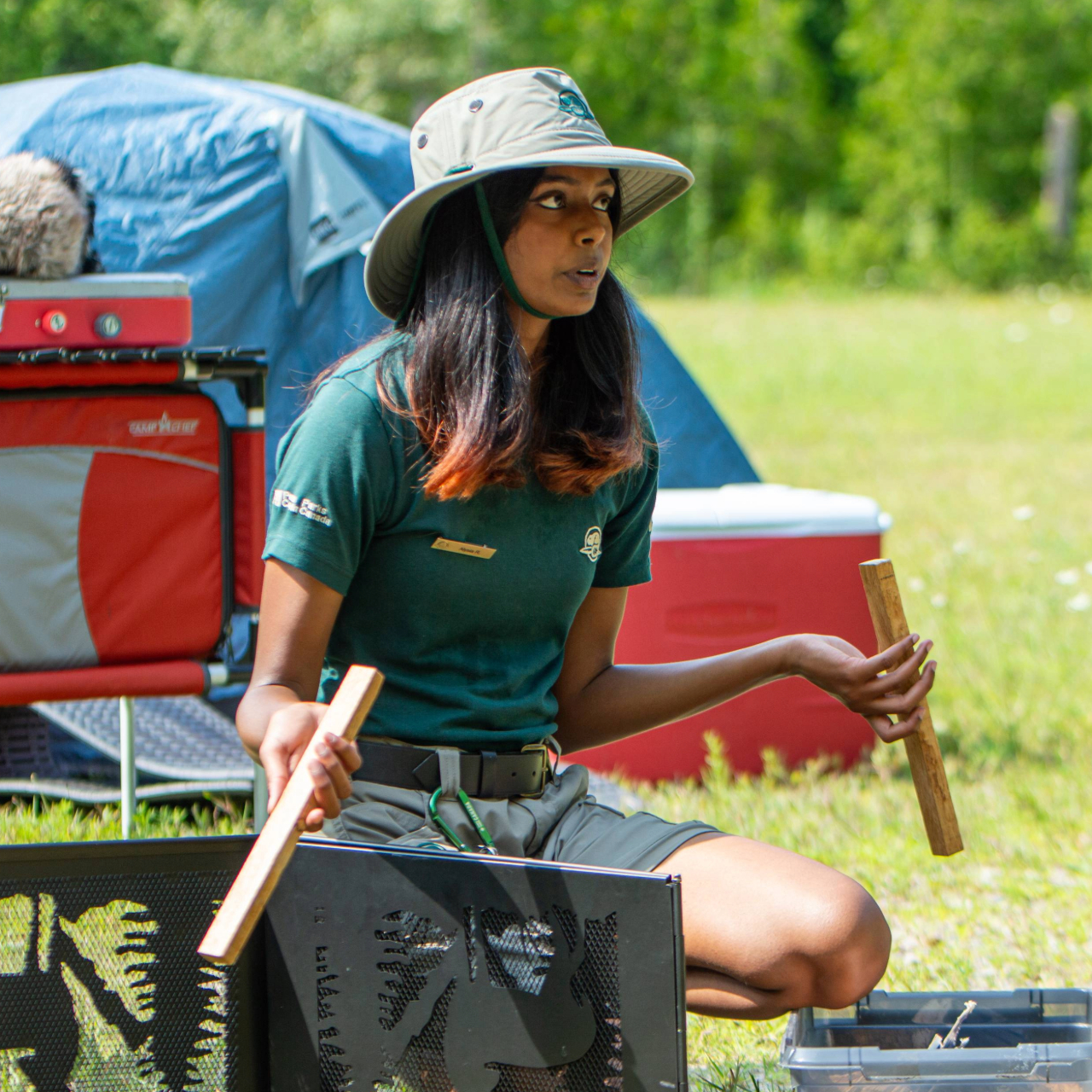
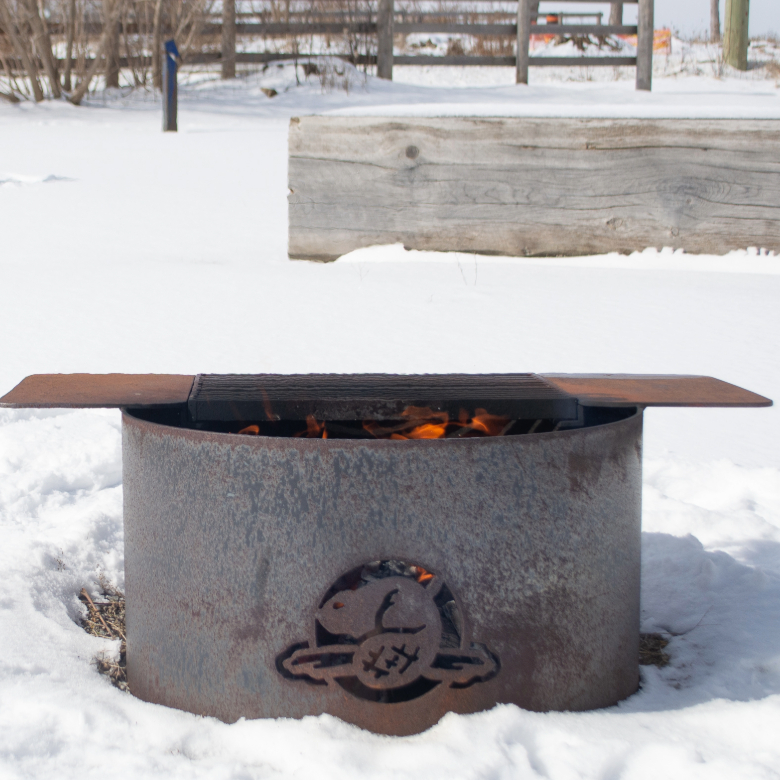
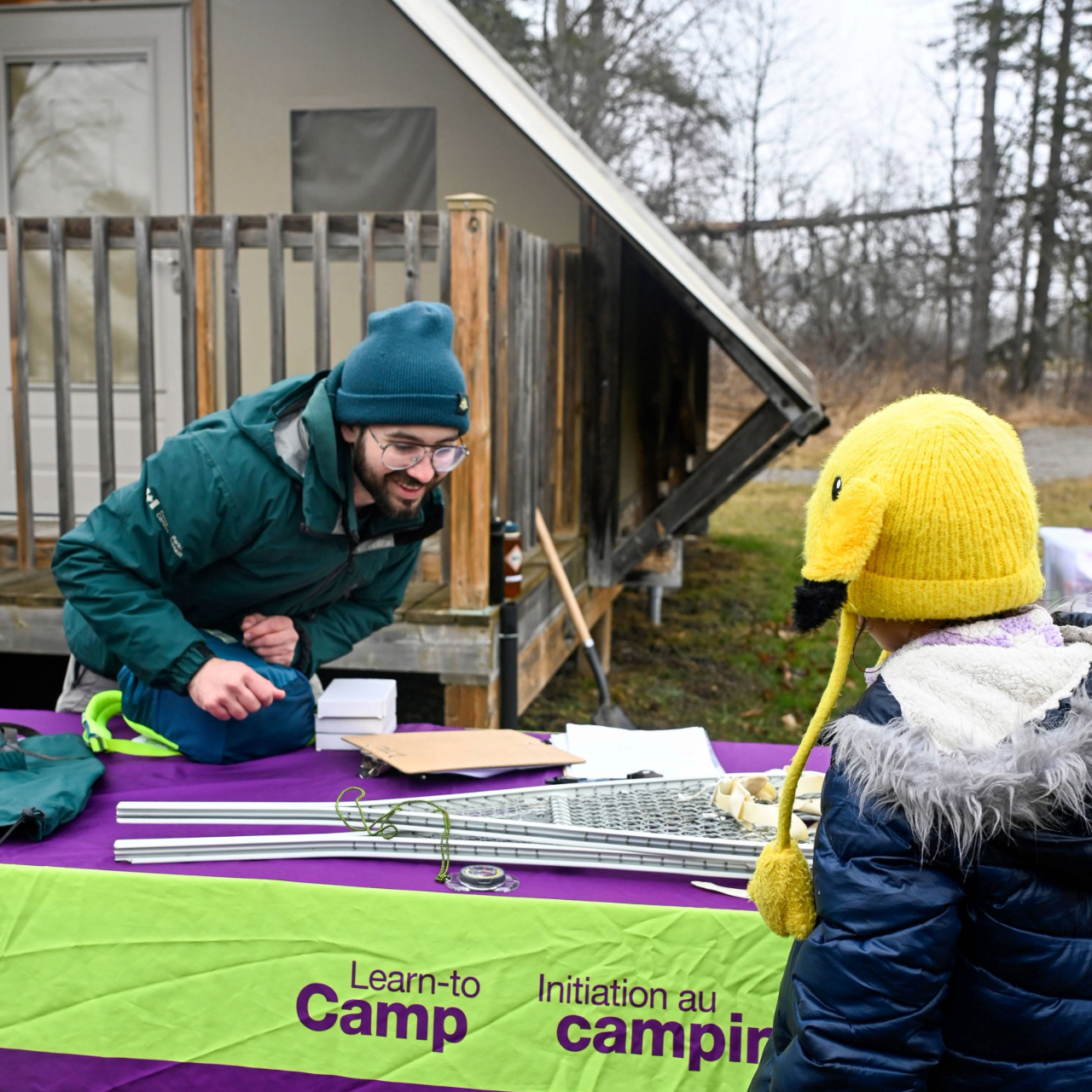
Since its inception in 2017, the Rouge LTC team has engaged more than 117,000 visitors!
The park’s Learn-to Camp program had an incredible year, collaborating with organizations such as Wildlife Outside, Centennial College, YMCA, and many more. The team successfully reached over 15,000 participants during the peak summer months, engaging visitors in nature-based activities and fostering a love for the outdoors. As well, Parks Canada’s outreach learning programs inspired hundreds to explore the outdoors in 2024. The new Learn-to Snowshoe sessions quickly filled up, while Camping 101 workshops drew over 700 participants from across the GTA. The team was also active on the road, participating in over 60 pop-up booths, five community festivals and hosted a memorable overnight camping trip at Trent-Severn Waterway, where 30 nature enthusiasts learned essential outdoor skills.
Safe passages for wildlife
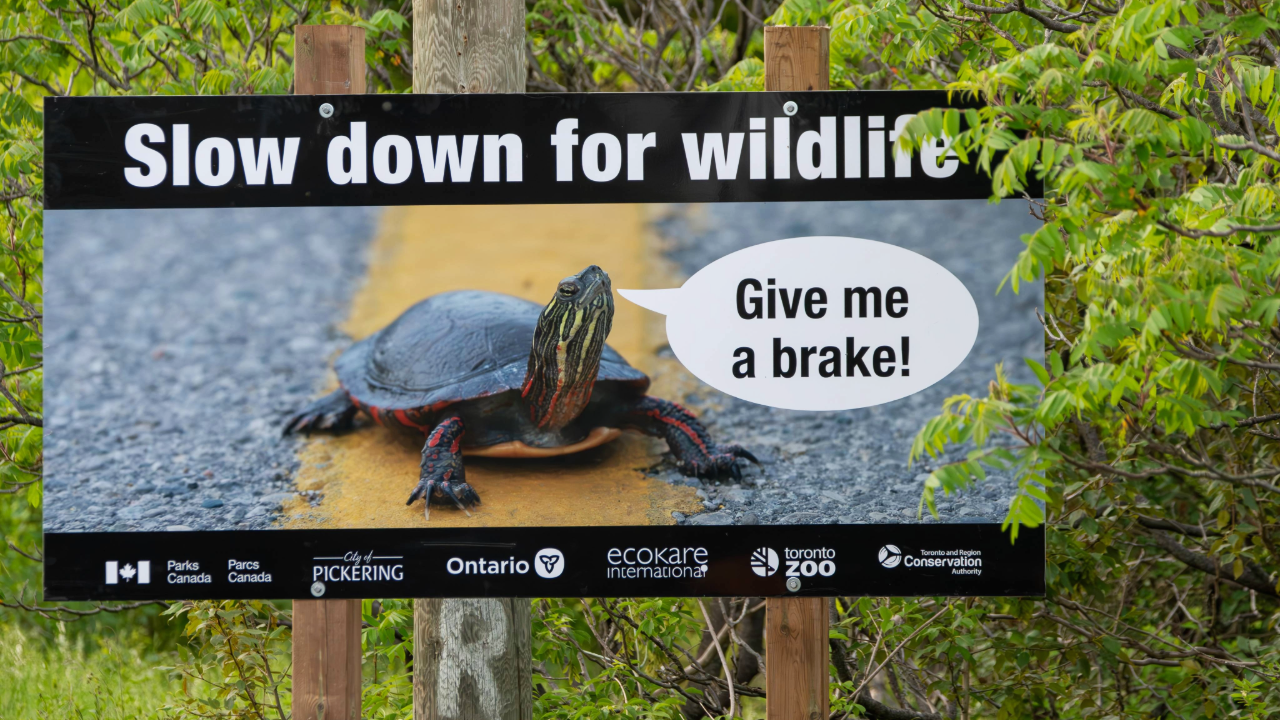
In 2024, Parks Canada and partners from the City of Pickering, Eco-Kare International, the Toronto and Region Conservation Authority and the Toronto Zoo worked to reduce wildlife-vehicle collisions in the Rouge. Measures included exclusion fencing, wildlife crossing signs and plans for a dedicated wildlife passage. Ongoing monitoring by staff and volunteers will help evaluate the success of these strategies and guide future road ecology projects.
Nature's navigators: guided walks in the Rouge
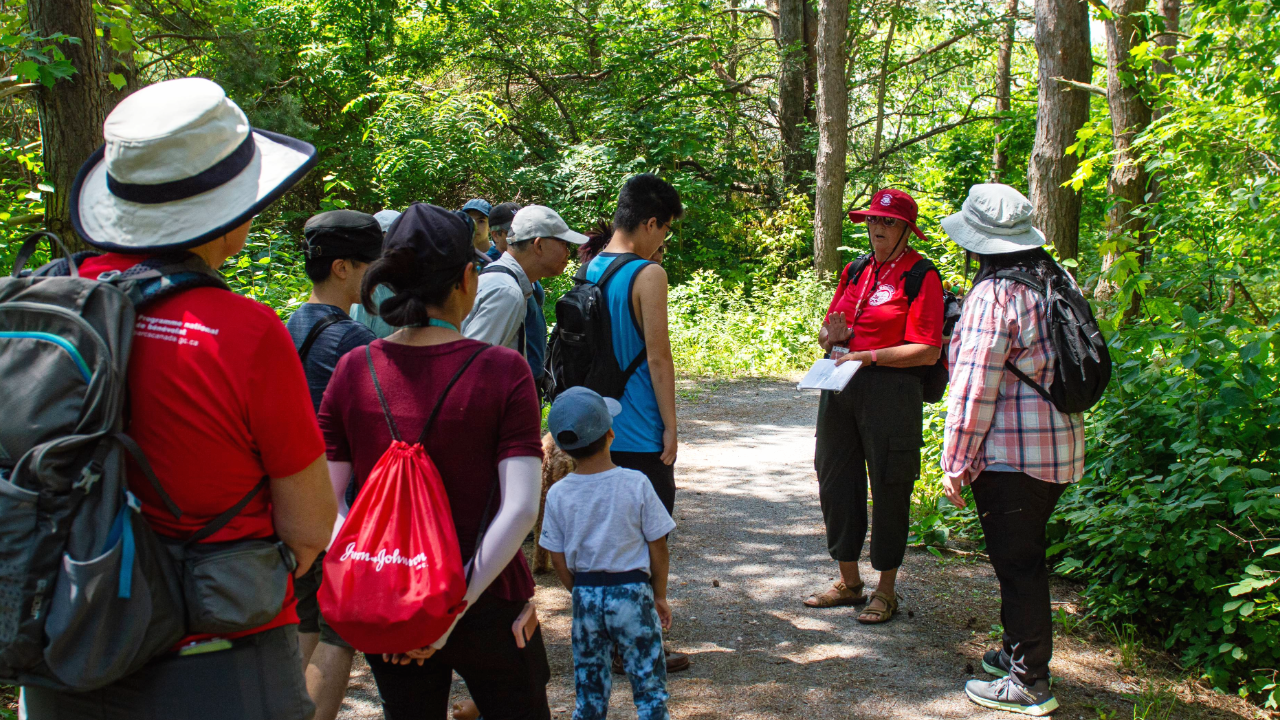
2024 was an exciting year for Rouge National Urban Park’s guided walk program. With the dedication of 43 volunteers contributing almost 12,000 hours combined, the guided walk program delivered 139 regular guided walks, welcoming 1,600 visitors — 765 of whom were first-time participants. In addition, 13 private groups on guided walks introduced 300 visitors (including 230 first timers!) to the beauty of the Rouge.
Stewardship efforts
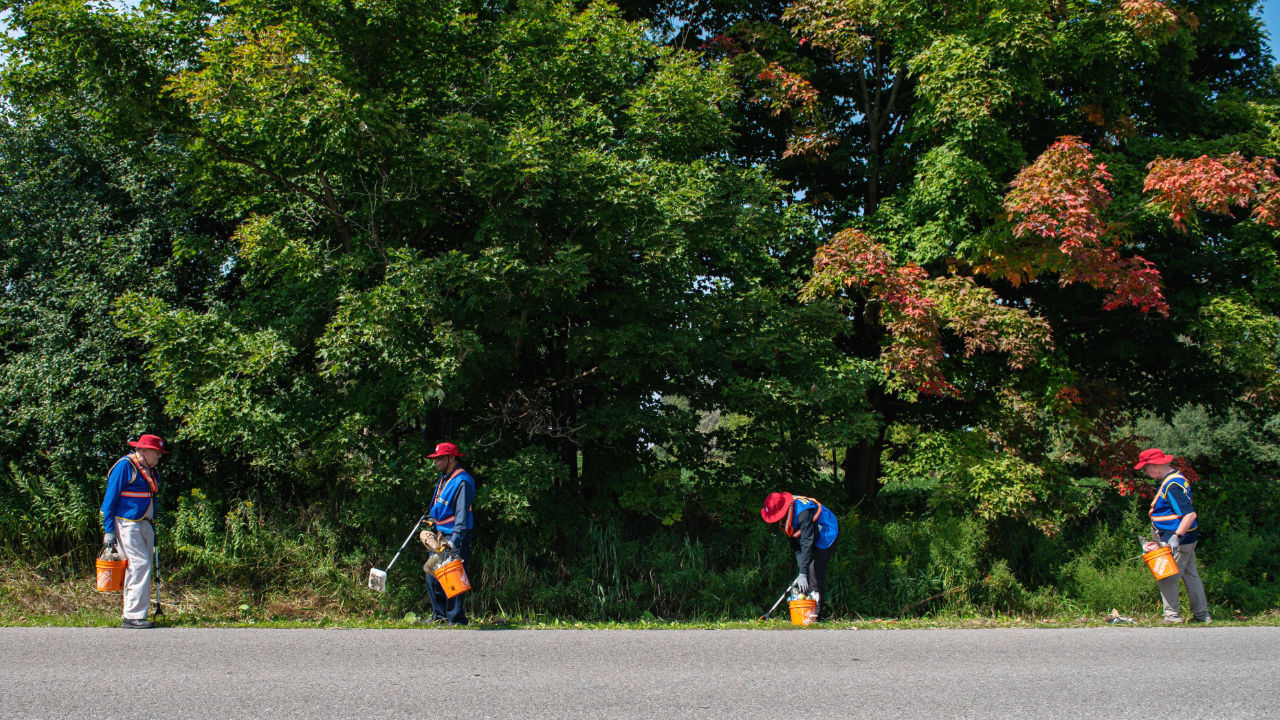
Stewardship efforts continued to shine in Rouge National Urban Park throughout the year, with 200 dedicated volunteers contributing 400 hours across 9 impactful events. The year also saw strengthened community partnerships through collaborative events with the Scarborough Rotary Club and Across U-Hub. Since 2022, there have been 48 stewardship events in the park, during which more than 150 bird boxes have been cleaned, 250 square metres of invasive plants removed and over 440 pounds of litter collected.
Capturing the Rouge
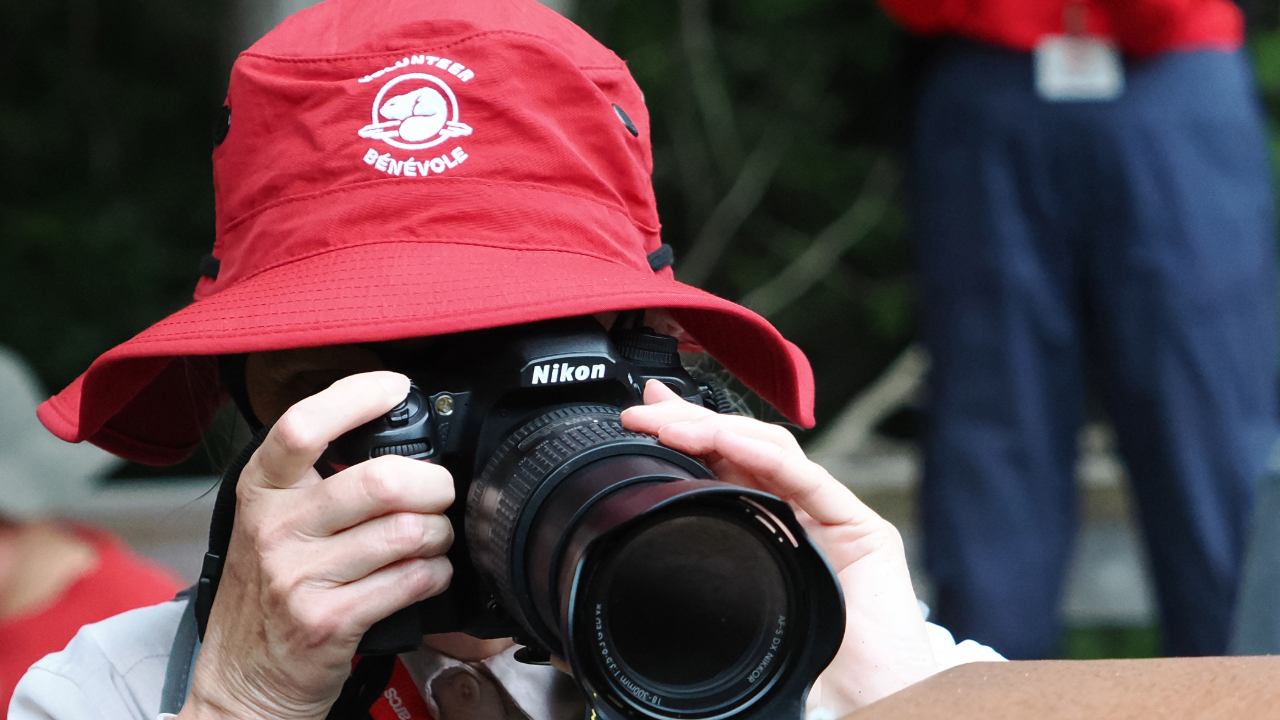
Last year, 5 talented volunteers contributed more than 300 hours to document the beauty and vibrancy of the Rouge. Their efforts help bring the stories of the park to life through thousands of photos, highlighting the park’s rich biodiversity and cultural heritage. Thank you for helping us see the park through a whole new lens!
- Date modified :