
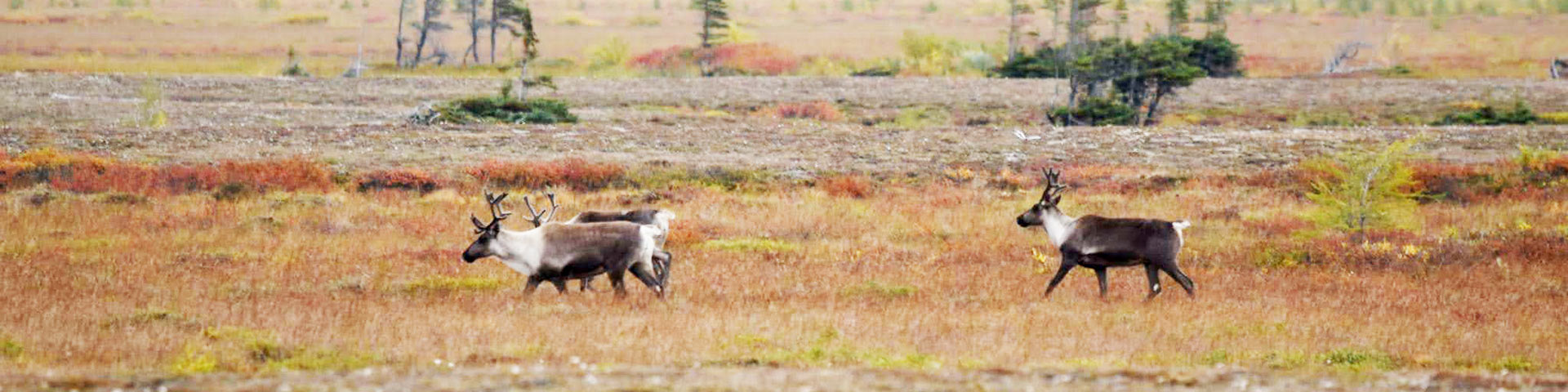
The Cape Churchill Herd
Wapusk National Park
What makes a caribou, a caribou?
- Their Latin name (Scientific name): Rangifer tarandus.
- Member of the deer family (Cervidae) along with moose, deer and elk.
- The word “caribou” comes from Mi'kmaq “xalibu”, meaning “who digs for food”.
- Unlike others within the deer family, both male and female caribou have antlers.
The Eastern Migratory Caribou
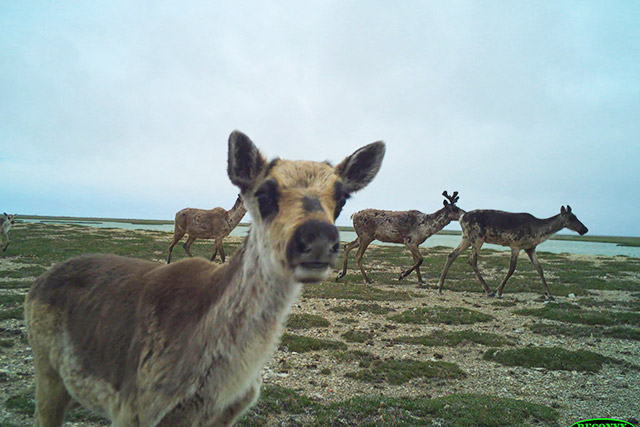
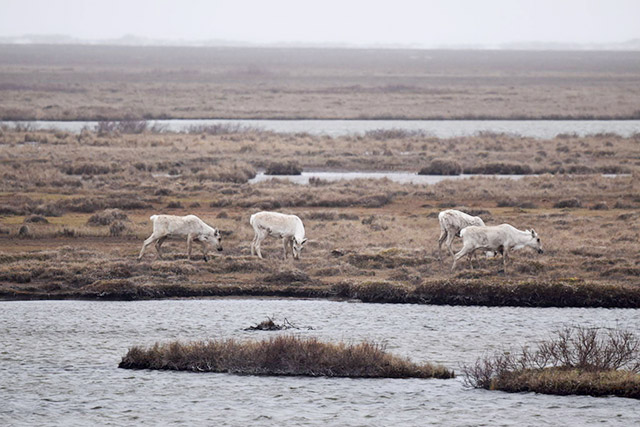
- The two main herds that use the Wapusk region are the Qamanirjuaq Herd (Barren-ground caribou) and the Cape Churchill herd (Eastern Migratory caribou).
- This EduKit focuses on the Eastern Migratory, Cape Churchill Caribou herd.
Parka Fact
Just like snowflakes, no two antlers are ever the same!
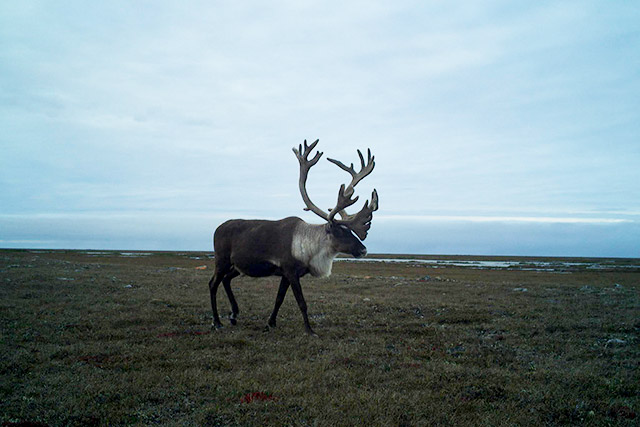
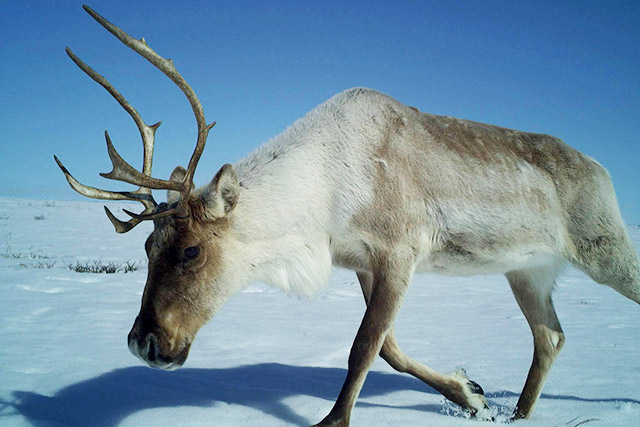
Facts about the Cape Churchill Caribou
- Population counts suggest the size of the Cape Churchill herd has varied from 1,000 to 3,000 caribou over the past 25 years.
- The Cape Churchill herd is a unique forest-tundra ecotype, which describes the area they live in. A large portion of their habitat is protected within Wapusk National Park.
What do they eat?
- Their main food source is lichen. Lichen is a mix of algae and fungi that fuse together.
- To stay healthy, caribou eat over 2 garbage bags full of lichen every day!
- They also have been known to eat willow and birch branches, berries, grasses, sedges and even mushrooms at times.
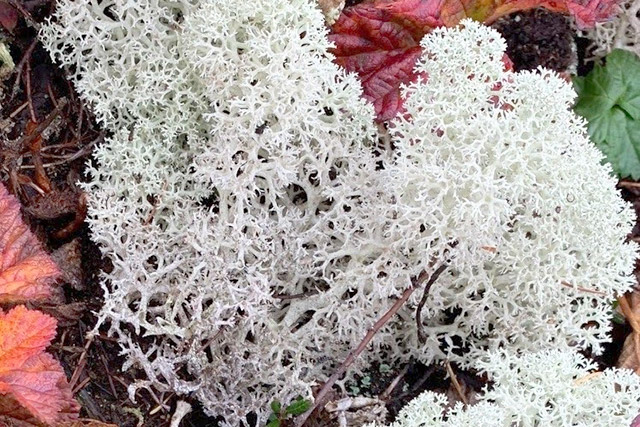
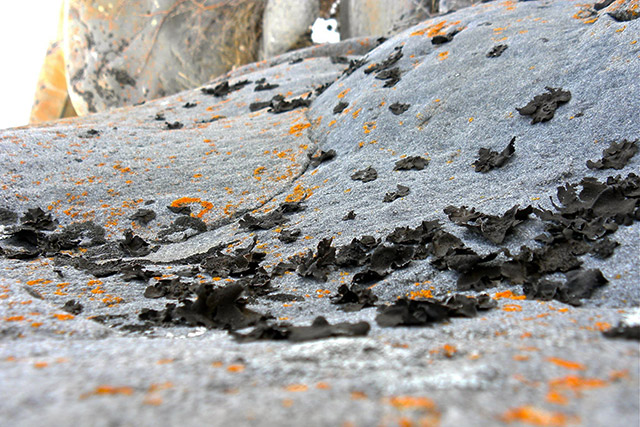
What is your favourite meal? Could you eat 2 garbage bags full of it each day?
How long do caribou live?
Caribou live for about 15 years!
Are reindeer and caribou the same animal?
Yes! They belong to the same genus and species.
In North America, we use the name “caribou”, while in Europe and Asia they typically use the name “reindeer”.
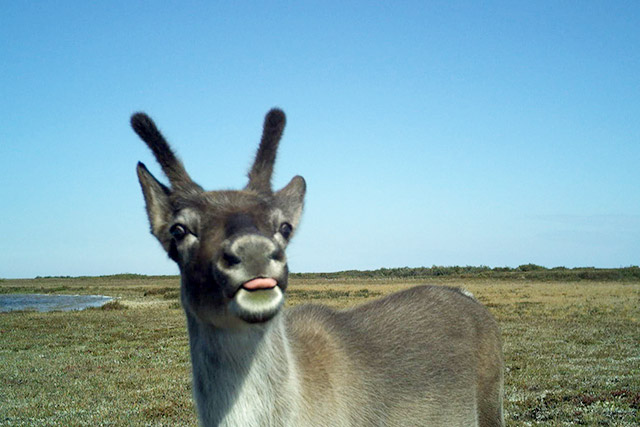
Do caribou make noise?
- They make many sounds! Including grunting and bellowing.
- You may also hear a clicking sound when caribou are on the move. That sound comes from a tendon rolling around a small bone in their foot. Some think the clicking helps individuals stay close together in a snowstorm or when it’s super foggy.
Parka Fact
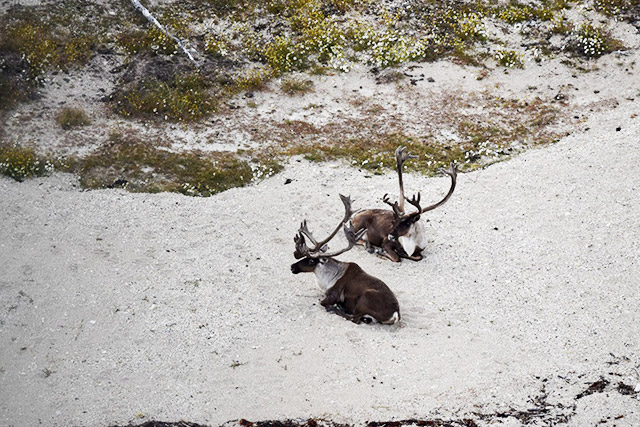
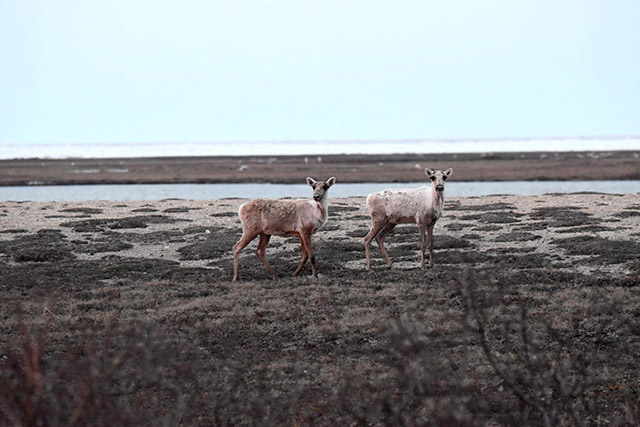
Bulls are male caribou, cows are female caribou, and calves are baby caribou.
Caribou are very important to many Indigenous peoples. What do caribou mean to you?
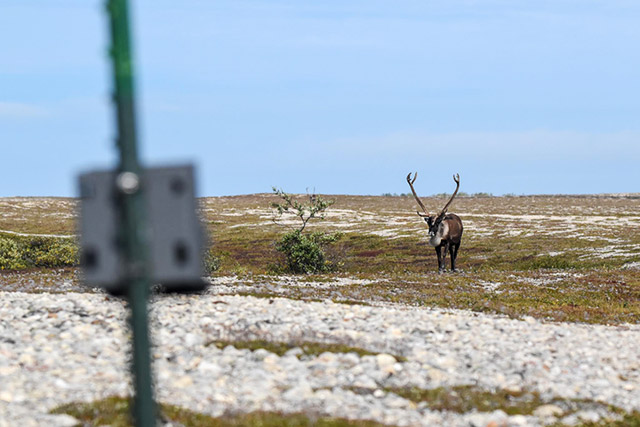
Do antlers stay on forever?
- Antlers grow and shed every year.
- For males (bulls), antlers are shed after the fall rut in October/November (they no longer need them to impress). Their antlers can weigh up to 25 pounds. That’s about 3 milk jugs!
- For females (cows), antlers are not shed until after they’ve given birth as they use their antlers to defend their food. Their antlers can weigh up to 8 pounds!
What are antlers made of?
- Bone! They are protected and wrapped with velvet skin which helps them grow.
Are caribou dangerous to people?
- Caribou are known to be very docile animals and would prefer to be left alone. Always remember, these are wild animals and to be respectful and cautious.
Have you HERD?
- Wapusk National Park is home to approximately 300 species of lichen!
- They are found in forested areas, as well as on the tundra, on rocks, trees and human-made structures within the park!
<< Parks Canada || Migration patterns >>
- Date modified :