
Parks Canada
Wapusk National Park
Parks Canada's mandate
On behalf of the people of Canada, we protect and present nationally significant examples of Canada's natural and cultural heritage, and foster public understanding, appreciation and enjoyment in ways that ensure the ecological and commemorative integrity of these places for present and future generations.
Our role
We are guardians
...of the national parks, the national historic sites and the national marine conservation areas of Canada.
We are guides
...to visitors from around the world, opening doors to places of discovery and learning, reflection and recreation.
We are partners
...building on the rich traditions of Indigenous peoples, the strength of our diverse cultures and our commitments to the international community.
We are storytellers
...recounting the history of our land and our people – the stories of Canada.
Our commitments
To protect,
...as a first priority, the natural and cultural heritage of our special places and ensure that they remain healthy and whole.
To present
...the beauty and significance of our natural world and to chronicle the human determination and ingenuity which have shaped our nation.
To celebrate
...the legacy of visionary Canadians whose passion and knowledge have inspired the character and values of our country.
To serve
... Canadians, working together to achieve excellence guided by values of competence, respect and fairness.
Parks Canada in Manitoba
Check out all of the Parks Canada administered sites in Manitoba!
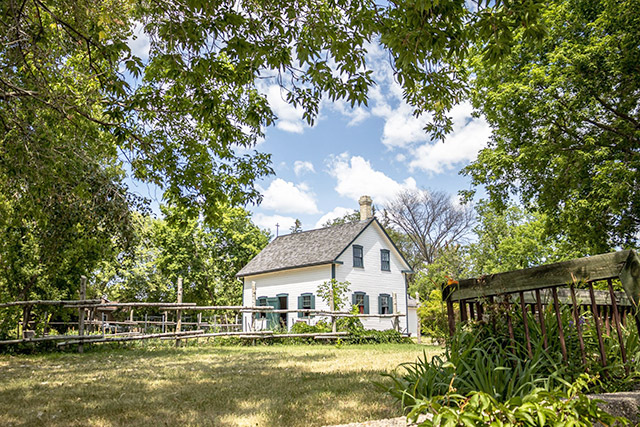
Parks Canada protects national historical sites in Manitoba like Lower Fort Garry and Riel House.
Parks Canada protects national parks in Manitoba like Wapusk and Riding Mountain.
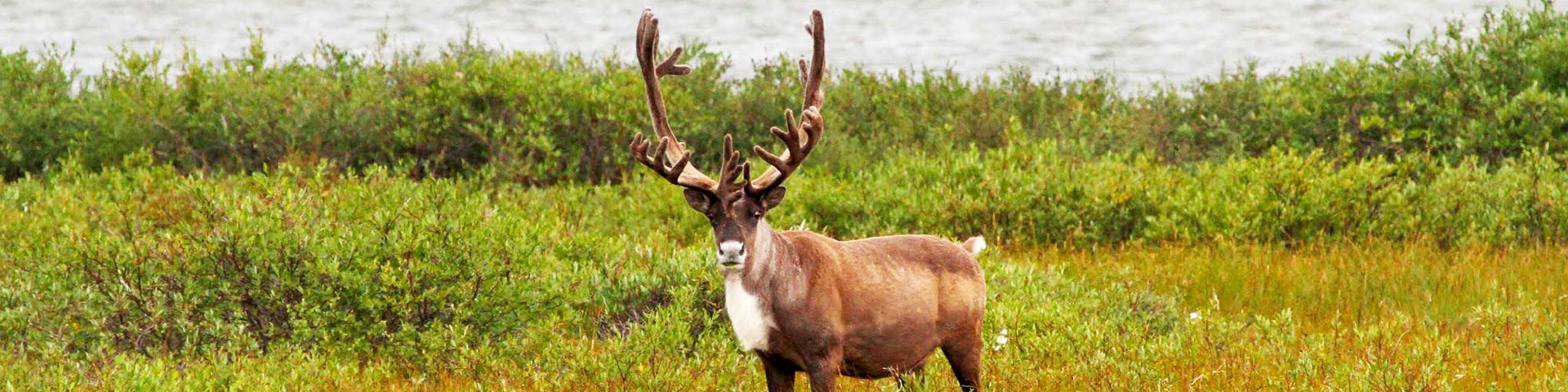
Parks Canada protects animals in Manitoba like bison, monarch butterflies, polar bears and caribou!
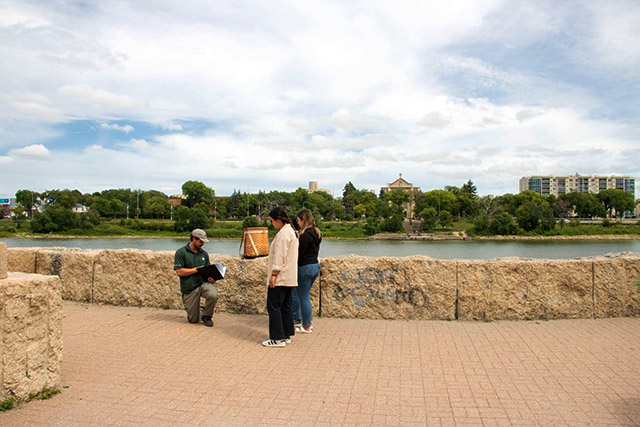
An overview of national parks and historic sites in northern Manitoba
National parks and national historic sites protect some of Canada’s most spectacular natural areas, and commemorate unique historic places, events and people who have shaped this nation. As the name “national” indicates, the Canadian government commemorates and preserves these parks and sites in all parts of Canada.
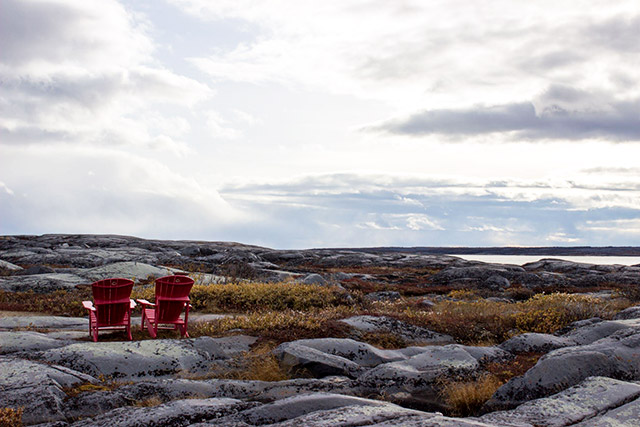
Wapusk (Wah-pusk) National Park, the focus of this EduKit, covers 11,475 square kilometres of land. It is the eighth largest national park in Canada! It preserves an area called the Hudson-James Lowland; where 50% of the surface is covered by water and where the treeless tundra meets the boreal forest.
Here, female polar bears have their cubs in the world’s largest concentration of inland polar bear denning habitat! In the summer, Wapusk is home to countless nesting waterfowl and songbirds.
Near Churchill, Manitoba, the area has been home to the Cree, Dene, Inuit and Métis for over 4,000 years and is rich in cultural history.
Have you HERD?
Manitoba has two national parks! Riding Mountain National Park was established in 1929. It’s a great place to go camping with your family and friends.
The second national park, Wapusk National Park, is found on the western shore of the Hudson Bay, south-east of Churchill.
This park was established in 1996.

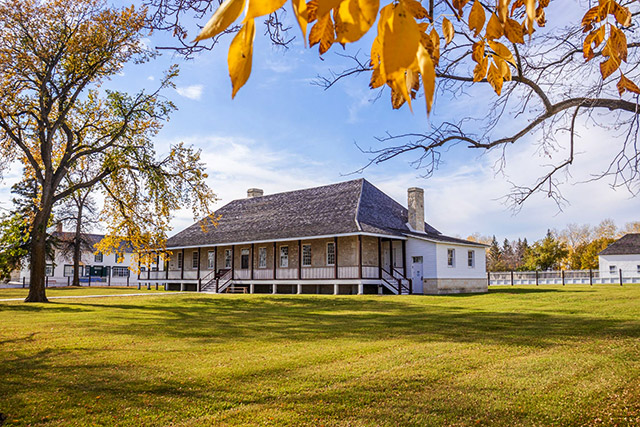
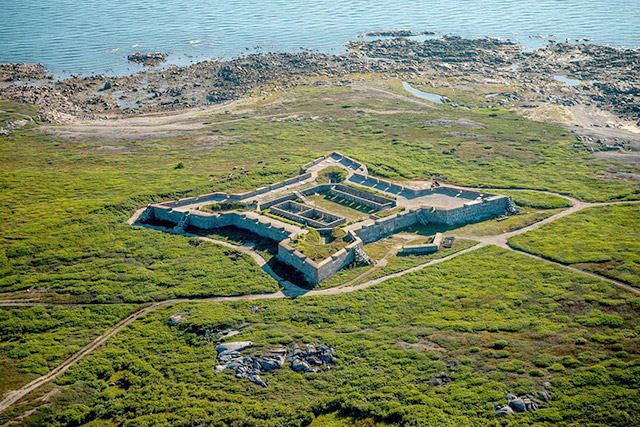
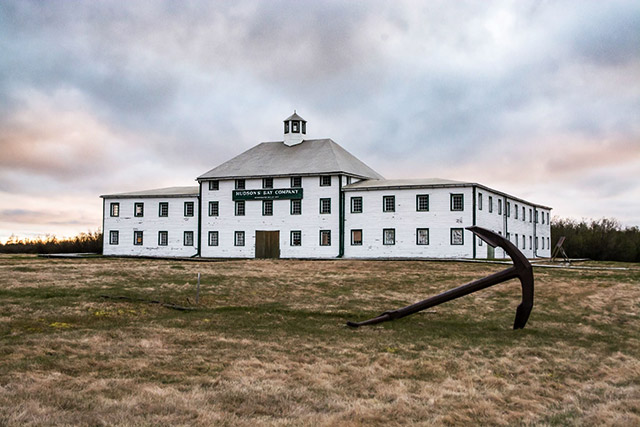
There are also two national historic sites in northern Manitoba: Prince of Wales Fort and York Factory. They represent parts of a long history of the fur trade and the contributions of Indigenous peoples.
Between 1684 and its closing 273 years later in 1957, York Factory served as a trading post, distribution point and administrative centre for a vast network of fur posts throughout the West. From 1812 to the late 1850s, it was also the main entry point for European immigration to Western Canada. By the 1860s, York Factory had over fifty buildings, including a doctor's house, church, school, hospital, photographic room, library, blacksmith shop, and a bakehouse! York Factory was designated as a national historic site in 1936.
Once established at York Factory on the Hayes River, the Hudson's Bay Company (HBC) looked north to increase its scope of the fur trade. A trading post was built from 1731 to 1771 on the Churchill River by the HBC, mainly to trade with the Dene peoples, Inuit from the northwest coast of Hudson Bay, and the Cree living north of the Nelson River. It was a base for northern exploration, whaling, and the search for precious metals. This fort, Prince of Wales Fort, was designated as a national historic site by Parks Canada in 1920.
While all national parks and national historic sites in Manitoba have a special meaning for the people who live near them, they are important as national treasures, to be preserved and protected for all.
Map of Parks Canada-administered sites
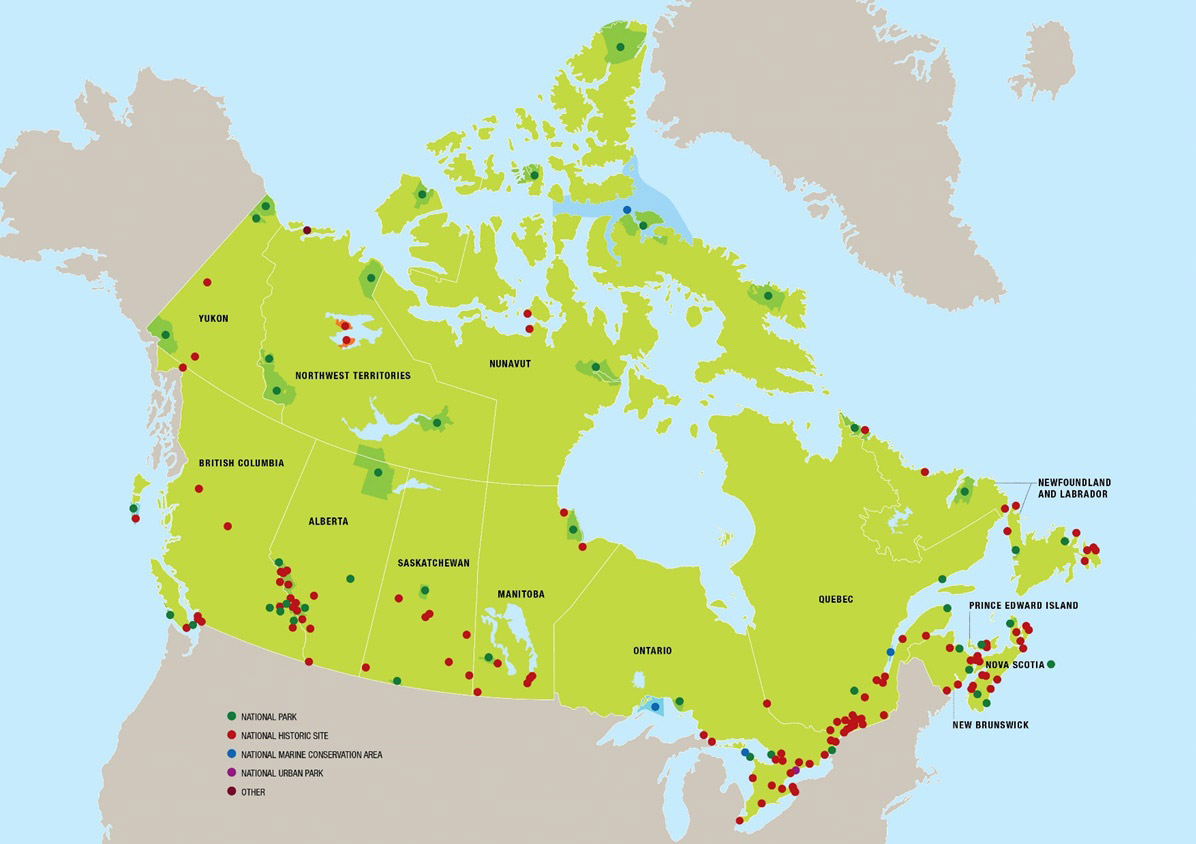
Map of national parks and historic sites in Manitoba
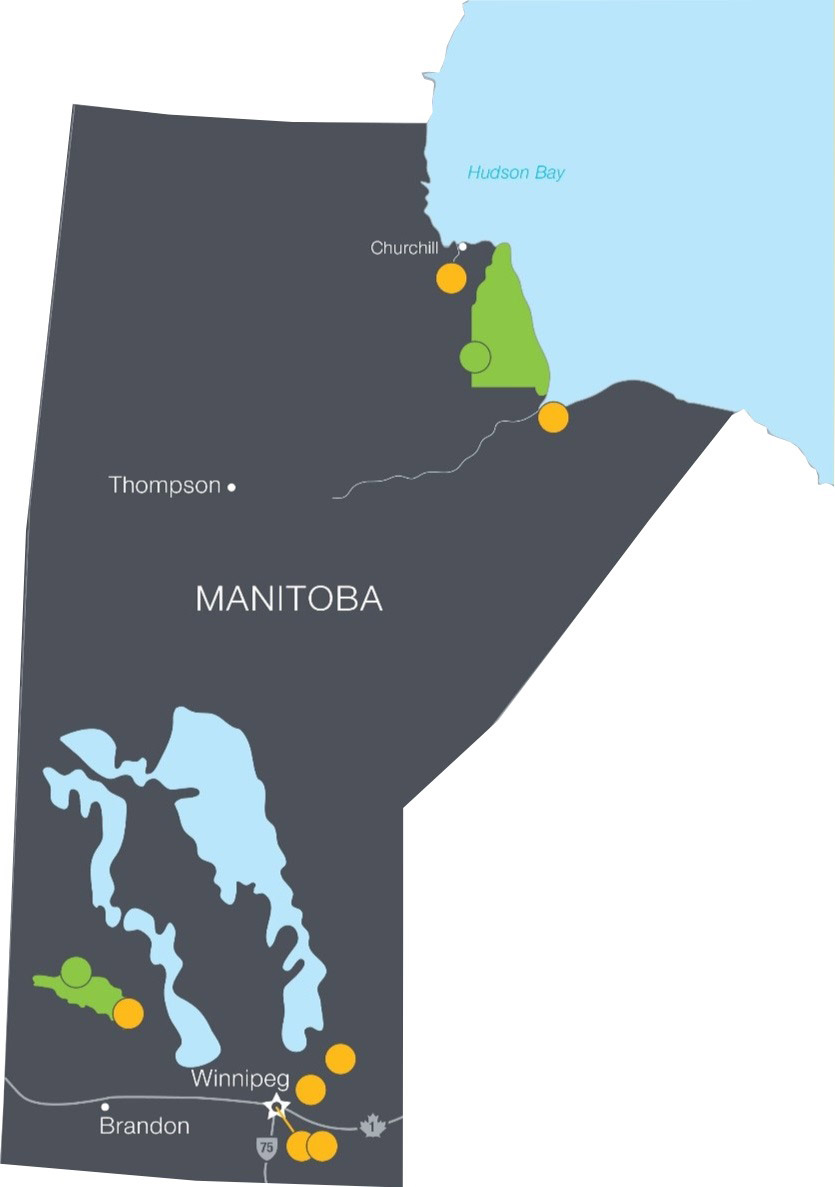
Research and identify what national parks and historic sites are indicated on this map.
Here’s a hint: green are national parks and yellow are national historic sites.
Map of Wapusk National Park
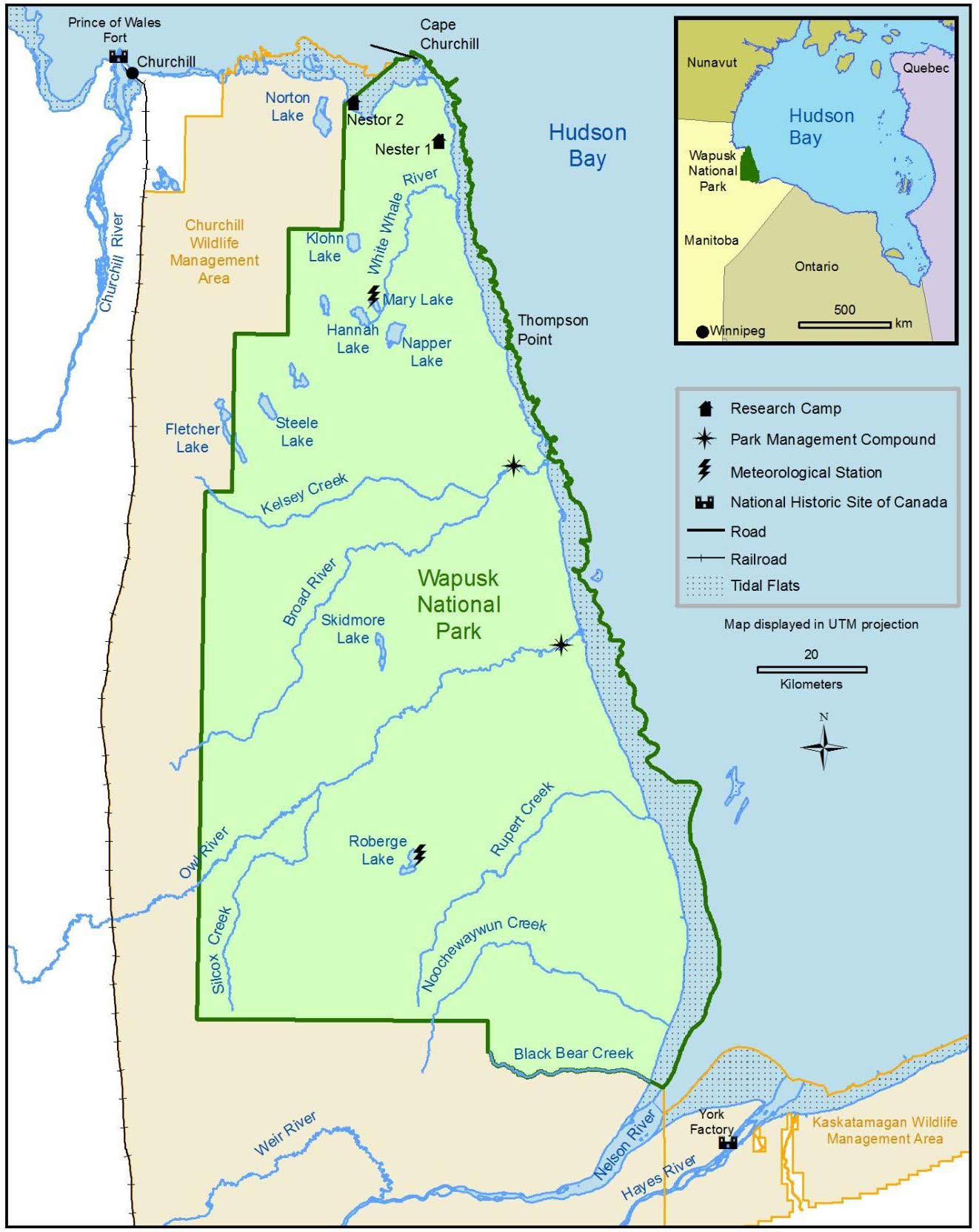
Planning a trip to Churchill, Manitoba
Home of the Cape Churchill herd
How to get there- Churchill is on the edge of Hudson Bay, 1,000 km north of Winnipeg, Manitoba. It’s accessible by plane from Winnipeg and from Thompson or Gillam, Manitoba. The 44-hour train ride from Winnipeg to Churchill leaves only a few times a week and is a great way to see the scenery of northern Manitoba.
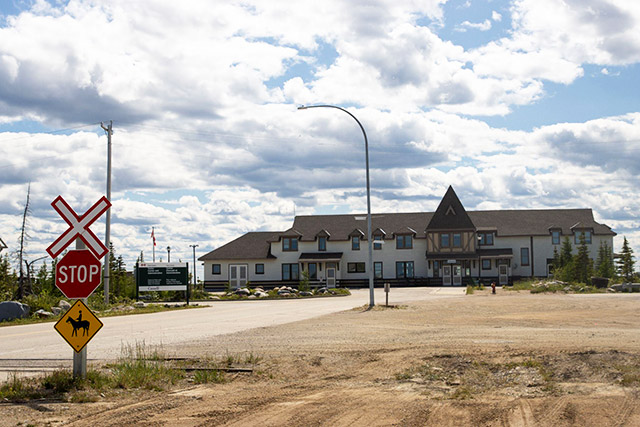
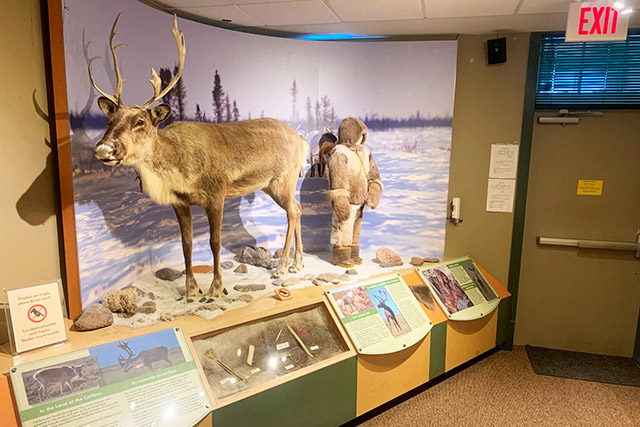
- Start with a visit to the Parks Canada Visitor Centre, pictured below, to learn the history of the Churchill area. You can also see a caribou exhibit!
- Wapusk has no roads or hiking trails. However, tour operators can fly over Wapusk or take you into the Churchill Wildlife Management Area by plane, helicopter, car or tundra vehicle.
- Come prepared for an incredibly varied climate – from the coldest winters to the warmest summer days.
- There are so many different bird species to watch! Get your binoculars out.
- Go whale watching! More than 4,500 beluga whales return to the Churchill River in July and August. Take it one step further and kayak alongside these friendly whales!
- Watch breathtaking displays of Northern Lights from the end of September through April.
- Take a dog sled ride across the tundra.
- Take a trip to Prince of Wales Fort, Cape Merry Battery and Sloop Cove!
<< Introduction || Cape Churchill Herd >>
- Date modified :