
Field Community Plan Draft (2026)
Yoho National Park of Canada
Table of contents
- Chapter 1: Introduction
- 1.1 Purpose of the Community Plan
- 1.2 Scope of the Community Plan
- 1.3 Field Community Plan Engagement
- Chapter 2: Context
- Chapter 3: Policy framework and direction
- 3.1 Parks Canada Agency context
- 3.2 Yoho National Park Management Plan
- 3.3 Roles and responsibilities
- Chapter 4: Current situation
- 4.1 A place for nature
- 4.2 A place for historical and cultural significance
- 4.3 Community character
- 4.4 Socio-economic situation
- Chapter 5: Community vision
- Chapter 6: Achieving the vision
- 6.1 Ecological integrity & environmental stewardship
- 6.2 A place for people
- 6.3 Managing community development
- 6.4 Cultural resource protection
- 6.5 Strengthening Indigenous relations and stewardship
- 6.6 Climage change and adaptation
- Chapter 7: Land use
- 7.1 Residential Land Use Zone
- 7.2 Commercial Land Use Zone
- 7.3 Institutional Land Use Zone
- 7.4 Parks Operation Land Use Zone
- 7.5 Open Space Land Use Zone
- 7.6 Canadian Pacific Kansas City (CPKC) lands
- Chapter 8: Community Environmental Assessment summary
Parks Canada respectfully acknowledges that Yoho National Park is located within the traditional lands of the Ktunaxa and Secwépemc peoples. We recognize their stewardship of the lands and waters in the area now known as Yoho National Park since time immemorial.
Chapter 1: Plan introduction
1.1 Purpose of the community plan
The Field Community Plan is one of the key document that guides decision making for the management of the community of Field. It presents a vision and associated strategic goals and objectives that will be pursued over the next ten years. With ecological integrity as its cornerstone, this community plan builds upon the direction and accomplishments of the last plan, and considers relevant research, agency priorities and obligations, and the views of Indigenous Peoples, the public, and stakeholders.
Parks Canada is committed to working collaboratively with Indigenous Peoples including the Ktunaxa Nation and Secwépemc Nation whose traditionally used lands and waters include Yoho National Park and the community of Field. It is important to ensure that the capacity, interests, and protocols of those nations are considered.
This plan provides strategic guidance for the management of the Field community. The detailed requirements regarding the form, character, location and density of commercial, residential and institutional leaseholds in the community are set out in a separate document, the Development and Design Standards for Lake Louise and Field.
The guiding principles outlined in this plan represent a desired path for the future. This direction may be influenced by uncertainties, natural variability, new technologies, and new information. Consequently, Parks Canada uses an adaptive management approach where, after careful monitoring of on-the-ground indicators, strategies may be adjusted to improve decision-making and management effectiveness. Where not otherwise specified within this plan, the timing, milestones and process required to proceed with any works or projects identified in the community plan will be determined by park managers following the approval and tabling of this plan in Parliament.
1.2 Scope of the community plan
The Community Plan only guides Parks Canada decisions and activities within the legislated boundaries of the community, as defined in Schedule 4 of the Canada National Parks Act. Statutory requirements, current policies, guide¬lines and directives must also be considered in future decisions related to the community, including, but not limited to, the following key Parks Canada planning documents:
- Canada National Parks Act, Regulations and Relevant Policies
- Yoho National Park of Canada Management Plan (2022)
- Yoho Emergency Management Plan
- Banff, Yoho and Kootenay National Parks Fire Management Plan
- Indigenous Stewardship Policy
The community of Field is heavily influenced by surrounding land uses and activities, whether managed by Parks Canada or third parties. This community plan does not address these adjacent uses but does recognize their influence on the community. They include:
- Campgrounds - Kicking Horse and Monarch Campgrounds are located at the start of the Yoho Valley Road. They offer easy access to the community of Field for services and amenities, as well as the Spiral Tunnels viewpoints, which are part of the Kicking Horse Pass National Historic Site.
- Yoho Valley Road – the Takkakaw Falls Day-use Area and Campground are located at the end of the Yoho Valley Road. Here visitors can view one of the highest waterfalls in Canada, and access backcountry trails, campgrounds and huts.
- Lake O’Hara – Access to Lake O’Hara is managed to protect its sensitive alpine environment. Advance bus reservations for day-use shuttles or overnight accommodation are required. Visitors can stay at the Lake O’Hara Lodge, camp at the Lake O’Hara Campground and access backcountry trails and huts.
- Emerald Lake and Natural Bridge areas – Both accessed off the Emerald Lake Road, these two areas offer impressive views of the natural environment, access to trails for hiking, biking and cross-country skiing, and accommodation, food and beverage at the Emerald Lake Lodge.
- Trans-Canada Highway (TCH) - The presence of the TCH has a significant impact on the community and its economy on a year-round basis. TCH travelers stop for gas, food, and rest in the Field community and require sufficient services to meet their needs. Field residents rely on the TCH to connect them to essential services in Golden, or employment locations in Yoho National Park or the Lake Louise area.
- Field cemetery - The cemetery is located at the end of a gravelled road less than one kilometer southeast of the community. Established in 1913, it has at least one burial dating to 1914 and is reported to be the oldest national park cemetery still being used for those eligible under the National Parks Cemetery Regulations. The cemetery represents elements of the social history and heritage of the community.
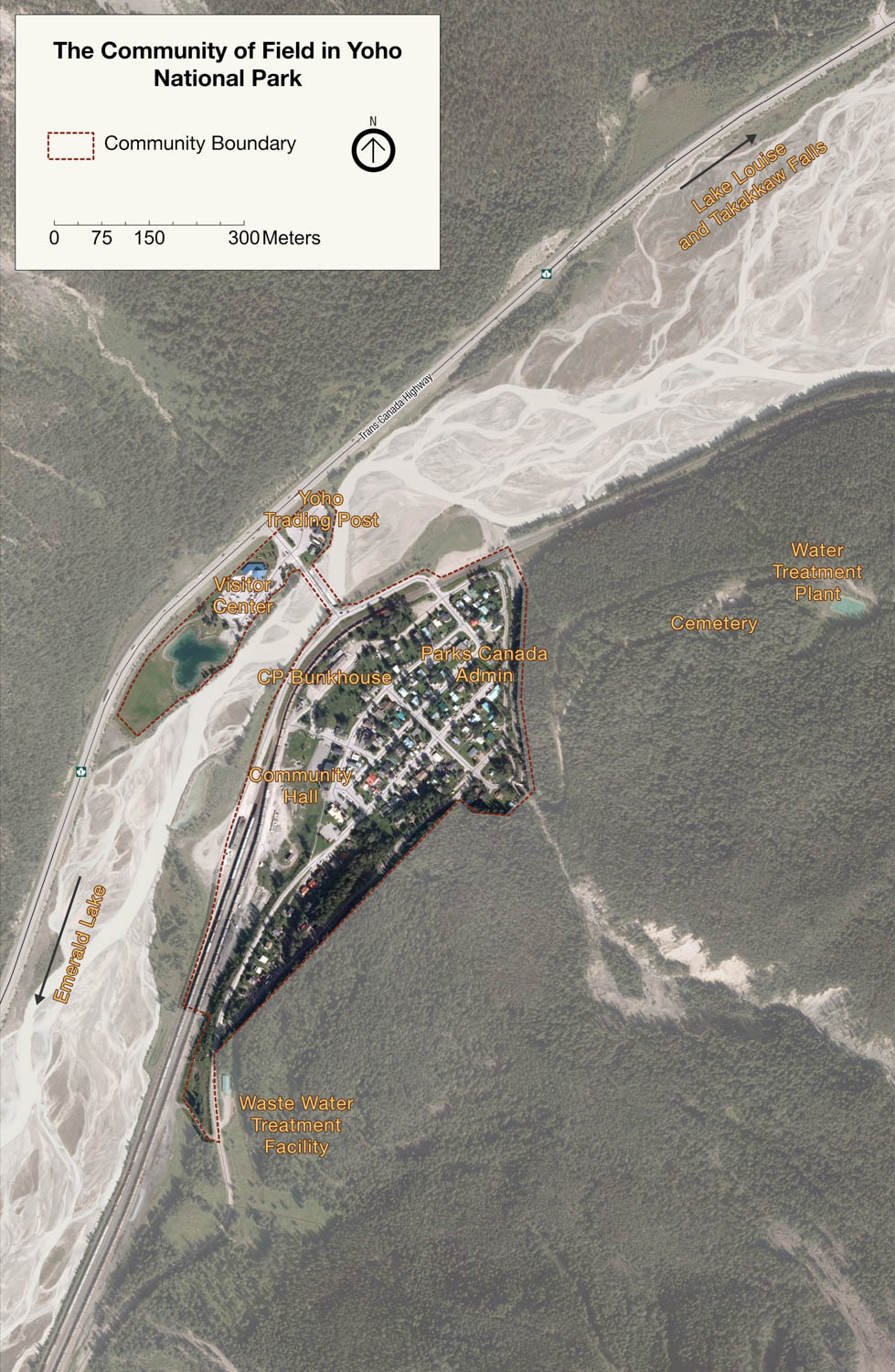
Map 1: Field community surrounding activities and uses
Map of the community of Field showing key landmarks and leaseholds.
1.3 Field Community Plan engagement
Work to update the Field Community Plan began in October 2023. The first phase of engagement ran from November 2023 to September 2024. Building on prior initiatives, Parks Canada facilitated activities and discussions to assess current challenges, priorities, and aspirations of residents, businesses, community stakeholders, the general Canadian public and Indigenous Nations. This process aimed to determine what should be addressed in the community plan, and to gather input on the vision for the community over the next decade.
The first phase of engagement demonstrated widespread support for updating the community plan for Field. Residents expressed a deep appreciation for living in Field, emphasizing its close-knit character, stunning mountain scenery, and abundant outdoor recreation opportunities. These qualities were consistently highlighted as defining attributes of the community. Participants shared enthusiastic and thoughtful ideas about what they envision for Field, both in the near future and over the next decade and beyond. Overall, the engagement process confirmed broad alignment with the proposed goals and desired outcomes of the plan.
Key issues and concepts identified in the first phase of engagement include:
- Support for ecological integrity as the first priority when considering all aspects of the management of parks, as stated in the Canada National Parks Act,
- The need for more and varied housing opportunities,
- Challenges resulting from the high cost of living and lack of a grocery store,
- Ensuring effective and reasonable connections between the community and the surrounding park and trails,
- Improving collaboration with Canadian Pacific Kansas City Rail (CPKC), their operations and contribution to the community, and
- The need to recognize the Indigenous Peoples history and connection to Field and surrounding area.
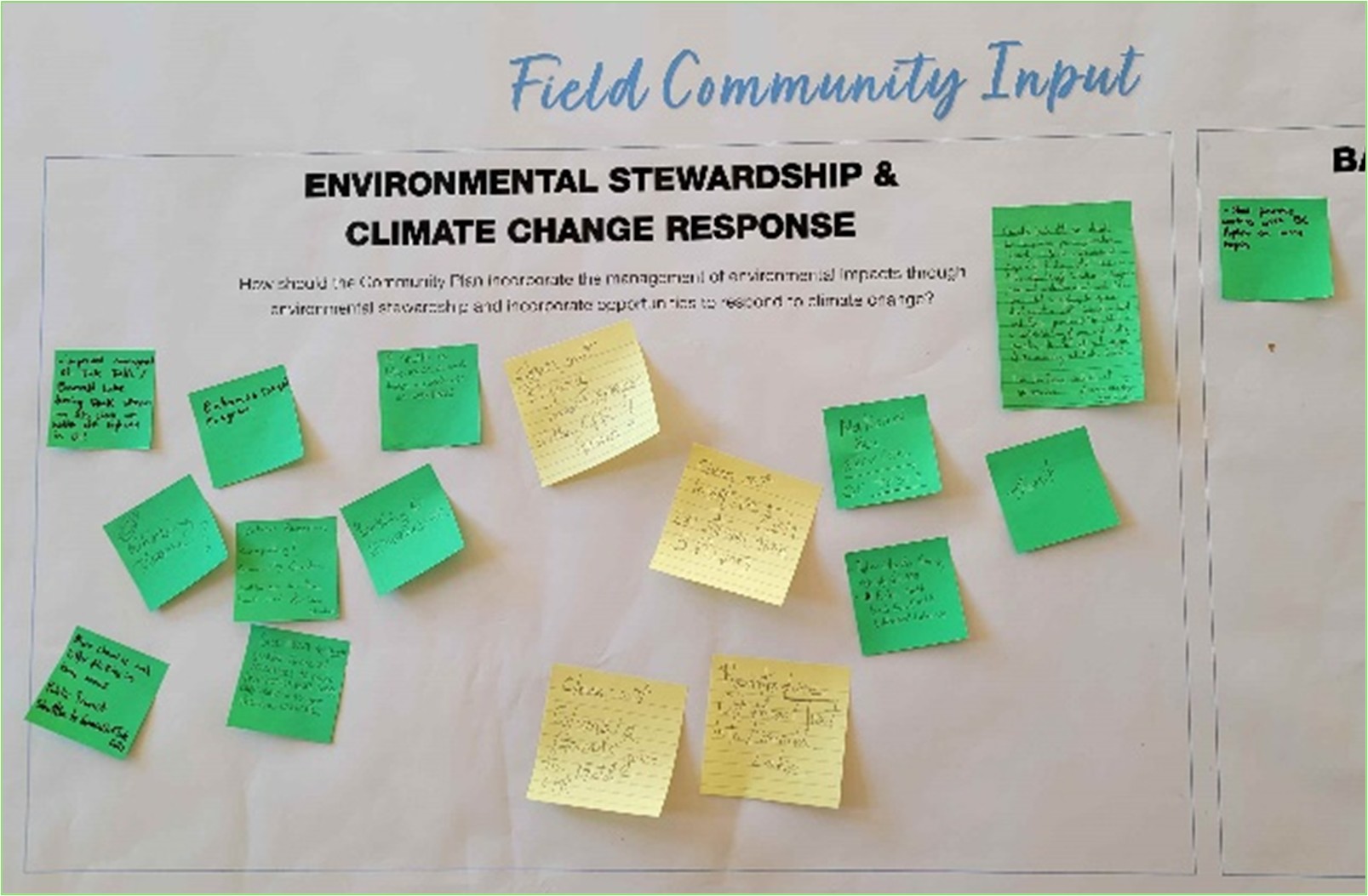
The second phase of engagement provided the opportunity for interested parties to review and provide feedback on the draft version of the community plan. All input received was considered in the development of the Field Community Plan.
Back to top
Chapter 2: Community context
2.1 Community map and boundaries
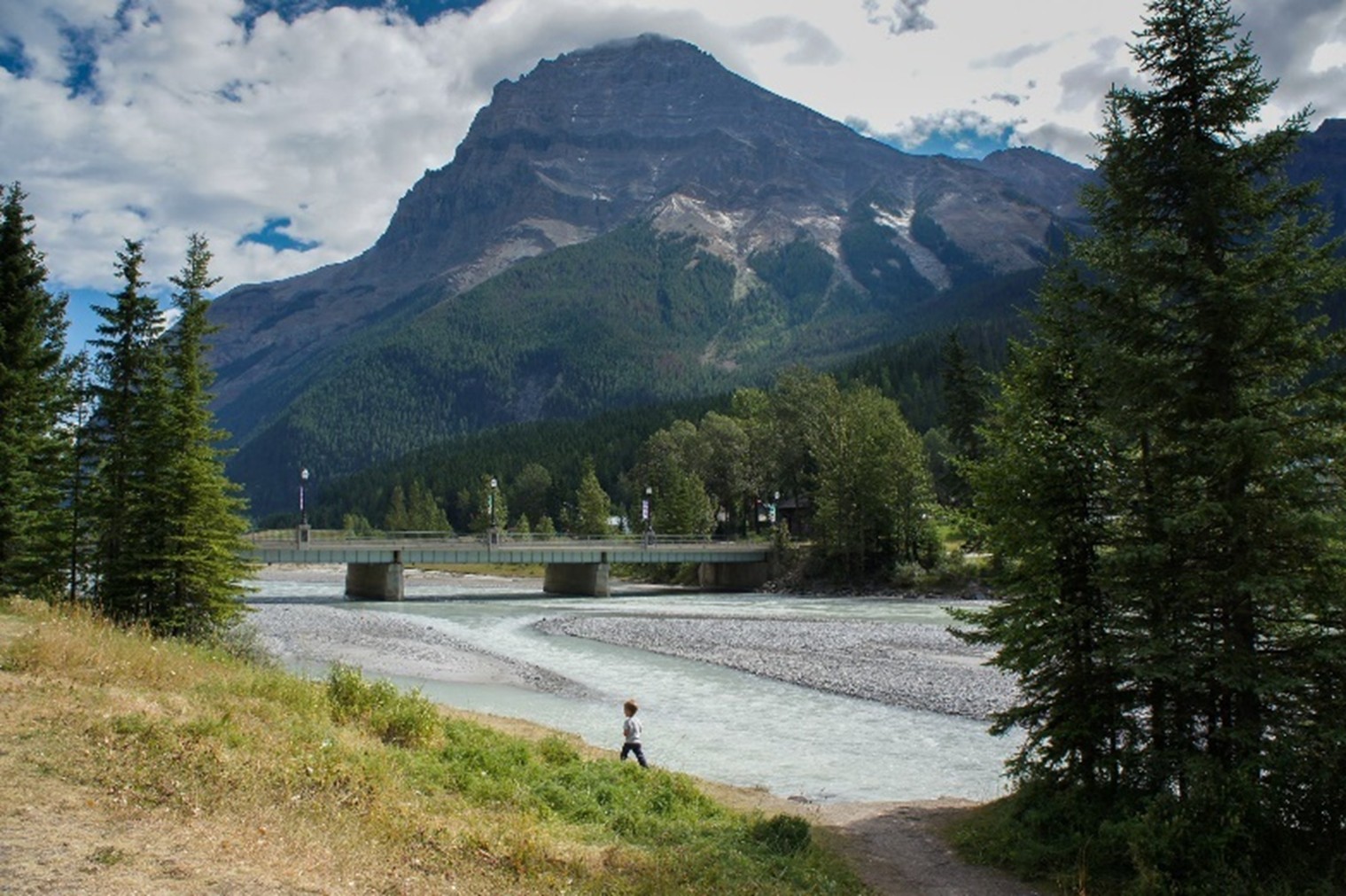
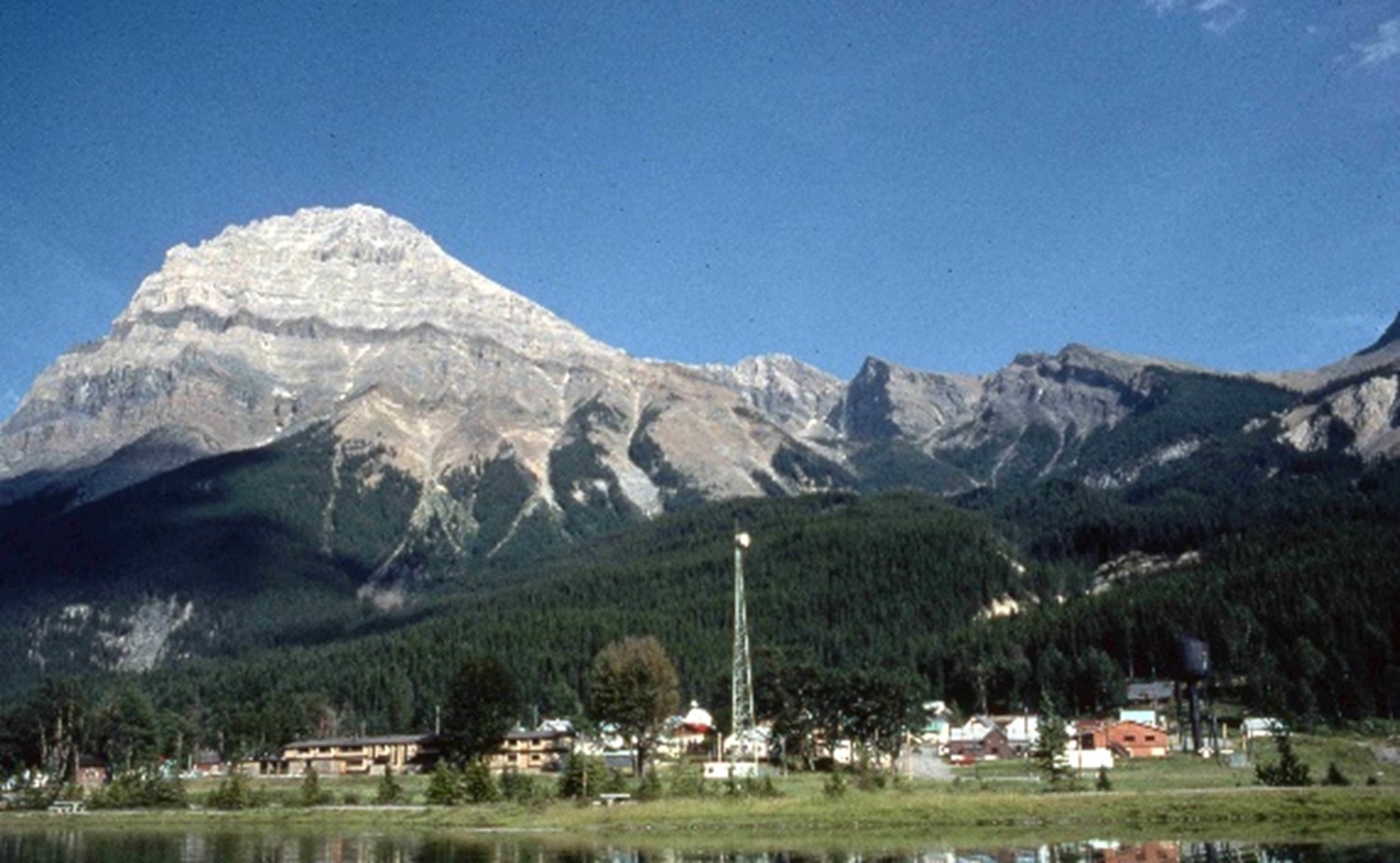
The community of Field is located along the Trans-Canada Highway in the centre of Yoho National Park. The community is situated on an alluvial fan at the confluence of Stephen Creek and the Kicking Horse River, adjacent to the steep slopes of Mount Stephen and Mount Dennis. The Kicking Horse River was designated a Canadian Heritage River in 1989 in recognition of its important natural, cultural, and recreational values.
The community of Field is 15 km west of the British Columbia/ Alberta border and 26 km west of the community of Lake Louise, AB. Golden, B.C. is 58 km to the west and is the closest centre for Field residents to get medical attention, groceries, and everyday supplies. Golden is also where the children of Field go to school.
Field lies within the provincial jurisdiction of the Columbia Shuswap Regional District (CSRD) Electoral Area ‘A.’
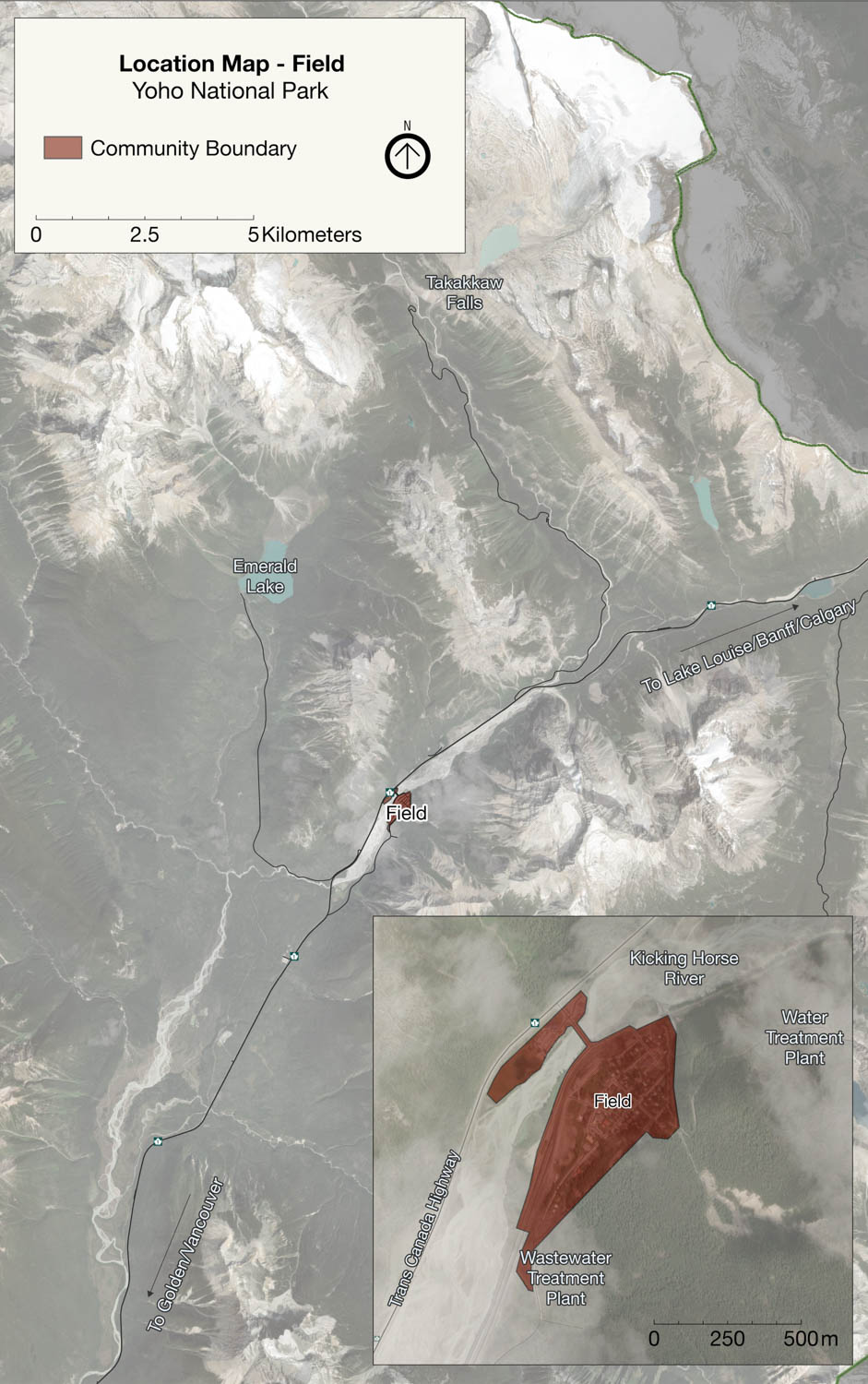
Map 2: Community of Field location
Map of the community of Field showing the boundaries of the community.
The boundary for the community of Field is contained within the legislated community boundary as shown on survey Plan 88096 CLSR as referenced in Schedule 4 of the Canada National Parks Act (CNPA).
2.2 History of the Field community
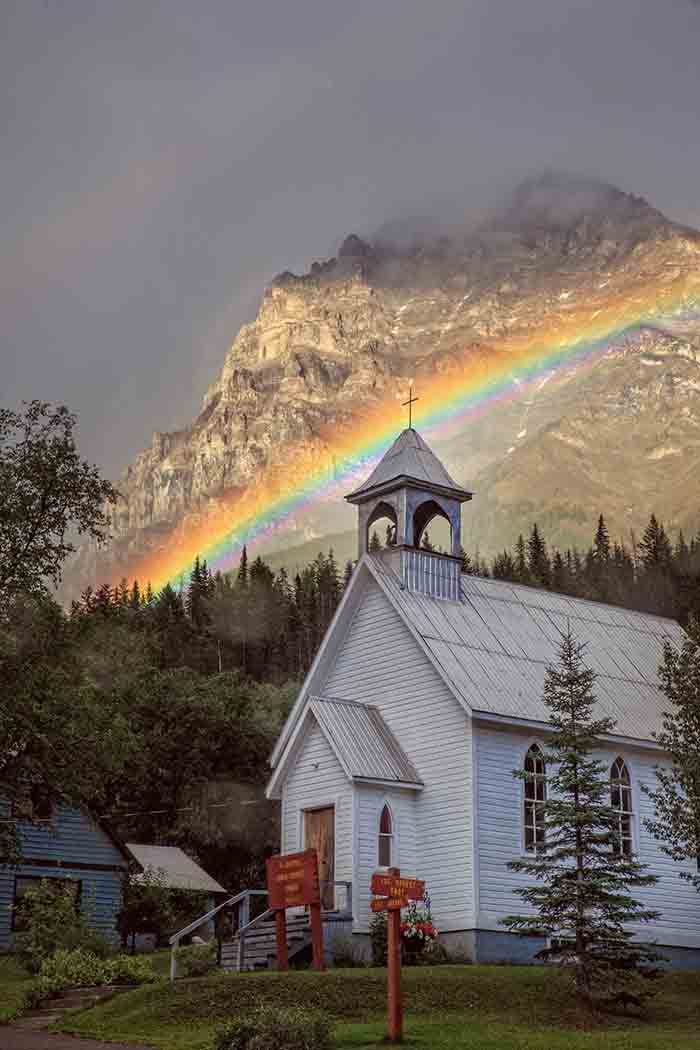
Indigenous Peoples have been stewards of the lands and waters of Field and the surrounding area since time immemorial. Prior to Yoho National Park being established as a national park in 1886, Field was a settlement at a divisional point on the Canadian Pacific Railway line. In 1886, Canadian Pacific Railway (CPR) built the Mount Stephen House in Field, the first railway hotel in the Canadian Rockies. The 1904 official survey identified the community as the centre of Yoho National Park. The name Field was given to the community in honour of Cyrus West Field, the promoter of the first trans-Atlantic cable, who was courted as a potential financier for the completion of the CPR.
Over the years, Field has operated as the administrative centre for Yoho National Park and has evolved into an attractive and functional community. The Mount Stephen House hotel, along with other early commercial facilities, marked the beginning of tourism and alpine recreation in the area.
Since the 1990s, Field’s community composition has undergone significant changes. The CPR (now CPKC) has reduced the number of workers required to live or stay in Field, and Parks Canada has consolidated Yoho National Park’s management into the Lake Louise, Yoho, and Kootenay Field Unit (LLYK). As a result, the population has shifted from primarily working families to a mix of singles, seasonal employees, and retirees.
Visitation to Field is tracked using data from the Yoho National Park Visitor Centre, located adjacent to the Trans-Canada Highway. Between 2016 and 2024, the Visitor Centre welcomed an average of approximately 163,500 visitors annually.
Today, Field continues to serve as the administrative centre for Parks Canada’s LLYK Field Unit in Yoho National Park. It is home to residents, families, and staff working for Parks Canada and other businesses in the community and surrounding areas, including Lake Louise. In addition, Field offers a range of guest accommodations and services for visitors to Yoho National Park.
Back to top
Chapter 3: Policy framework and direction
3.1 Parks Canada Agency context
Field is one of seven communities in the national park system. The Canada National Parks Act (CNPA) requires that each of these communities have an approved community plan. A national park community plan is a non-regulatory policy document tabled in Parliament by the Minister responsible for the Parks Canada Agency.
3.2 Yoho National Park of Canada Management Plan
As per legislative requirements, a community plan reflects and aligns with the approved park management plan. The 2022 Yoho National Park of Canada Management Plan provides important guidance on topics that were considered in the development of the updated Field community plan. These include:
- Forest fuel management and wildfire risk reduction in the Field community.
- Improvements to wayfinding and trail networks to establish clear connection between the community and the broader park.
- Efforts to protect and present the cultural resources related to Field’s railway history that contribute to a unique sense of place to help visitors understand and appreciate the community’s settlement origins.
- Release of the remaining available residential and commercial lots.
- Development and redevelopment remaining within the legislated community boundary.
- Commercial development respecting the community maximums as described in Schedule 4 of the Canada National Parks Act.
- Administering the lands and water that comprise modern-day Yoho National Park to respect the cultural and spiritual significance of the place to Indigenous Peoples, while facilitating access and use of the park by Indigenous Nations with historical connections.
3.3 Roles and responsibilities
Parks Canada holds the mandate to administer all lands within Yoho National Park, including those situated in the community of Field and is further responsible for the management and operation of community-based infrastructure. These responsibilities include, but are not limited to, the following:
- Reviewing and approving development proposals,
- Issuing business licences aligned with approved activities and land use considerations,
- Evaluating and approving activities and land use changes,
- Managing and operating community infrastructure, including road maintenance and regulation of road use, and
- Coordinating emergency management for the Field community and surrounding area in partnership with the Columbia Shuswap Regional District.
The Field community is fortunate to have several partners and stakeholders that assist with community services. These include:
- Canadian Pacific Kansas City Rail (CPKC)
- Columbia Shuswap Regional District (CSRD) - The British Columbia provincial government regional authority, the CSRD collects taxes for the provision of community services and amenities, such as local recreation facilities and programs, social services, road rescue, emergency medical services, policing and education services. Parks Canada collaborates with CSRD to facilitate the delivery of services and programs and contributes its equitable share of funding to CSRD operations through Payments in Lieu of Tax (PILT), which are equivalent to municipal tax payments.
- Field Advisory Board (FAB) - FAB serves as a key liaison between residents, businesses, stakeholders, and Parks Canada. Its role is to engage the community, gather feedback, and provide recommendations to the Superintendent on matters related to the management of the Field community, including Parks Canada projects and initiatives. FAB plays an essential role in fostering a strong, connected community and contributes to identifying best practices for community management, sustainability, and climate adaptation strategies.
Other partners and agencies that provide necessary services to the Field community include the Golden Royal Canadian Mounted Police (RCMP) detachment, the Field Recreation and Advisory Association, the Field Fire Department, and B.C. Ambulance. Parks Canada supports their efforts and continues to collaborate with them on the provision of these services and programs. As citizens of British Columbia, Field residents also benefit from additional provincial services not included under CSRD areas of responsibility.
Back to top
Chapter 4: Current situation
This chapter highlights some of the key values that help shape the character of Field and that influence Parks Canada’s approach to managing the community.
4.1 A place for nature
The natural environment in and around Field is central to its appeal as a place to live, work and play. Its location in Yoho National Park ensures that the surrounding landscape is protected and continues to provide vital social, recreational, and ecological benefits to the community. Maintaining a healthy natural environment is not only essential for the community’s well-being but is also a core mandate of Parks Canada.
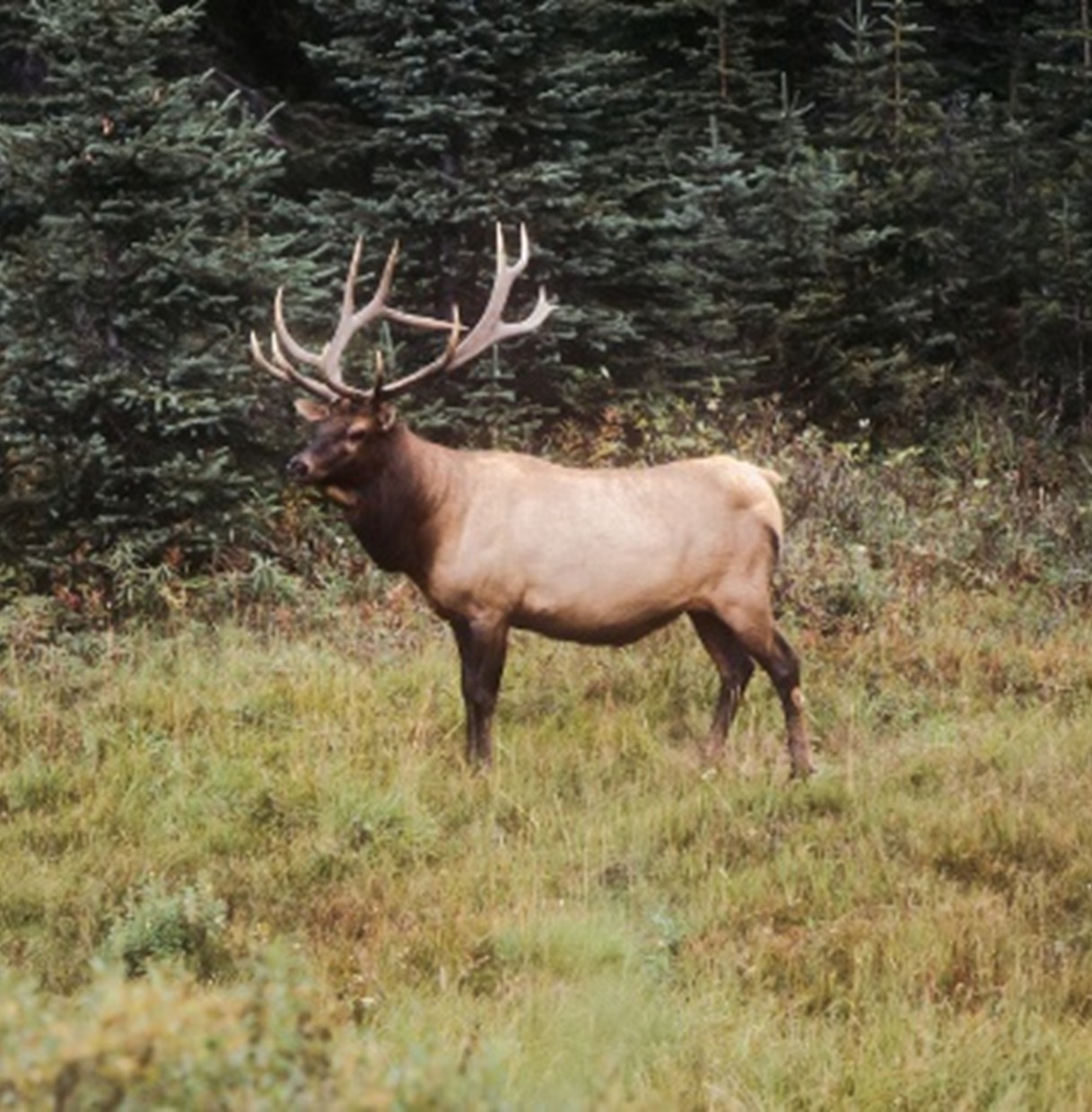
The existing infrastructure in the Field area has contributed to the fragmentation of the landscape and disrupted habitat connectivity for species such as elk and grizzly bear. This can limit wildlife access to essential habitat and may increase the risk of human-wildlife conflict. Ensuring the long-term survival of these species requires maintaining the community within its legislated boundaries and managing development in accordance with the principles of No Net Negative Environmental Impact (NNNEI). These principles call for a strategic approach to address the cumulative effects of development and land use, ensuring that the community does not compromise the ecological integrity of Yoho National Park. The Field Community Plan supports this goal by establishing a framework for managing growth, development, land use, and operations to ensure no-net-negative environmental impact.
4.2 A place for historical and cultural significance
Archaeological sites in Yoho National Park record evidence of both pre-contact (Indigenous) and post-contact (Euro-Canadian) land-use occupation and history. The human occupation and use of the Yoho National Park area may extend back 10,000 years, following the recession of Late Wisconsin Cordilleran glacial ice. Succeeding glacial advances, post-glacial deposits, and dynamic mountain environments, together with modern infrastructure developments, have limited the identification of pre-contact archaeological sites. Nonetheless, historic records indicate that Ktunaxa, Secwepemec, and the Stoney Nakoda camped and hunted for generations within the lands known today as Yoho National Park.
All known archaeological sites within the community of Field are post-contact and relate to the development of the Canadian Pacific Railway (CPR) and the subsequent establishment of the community.
There remains potential for the discovery of unrecorded archaeological sites associated with Indigenous presence within the community boundaries.
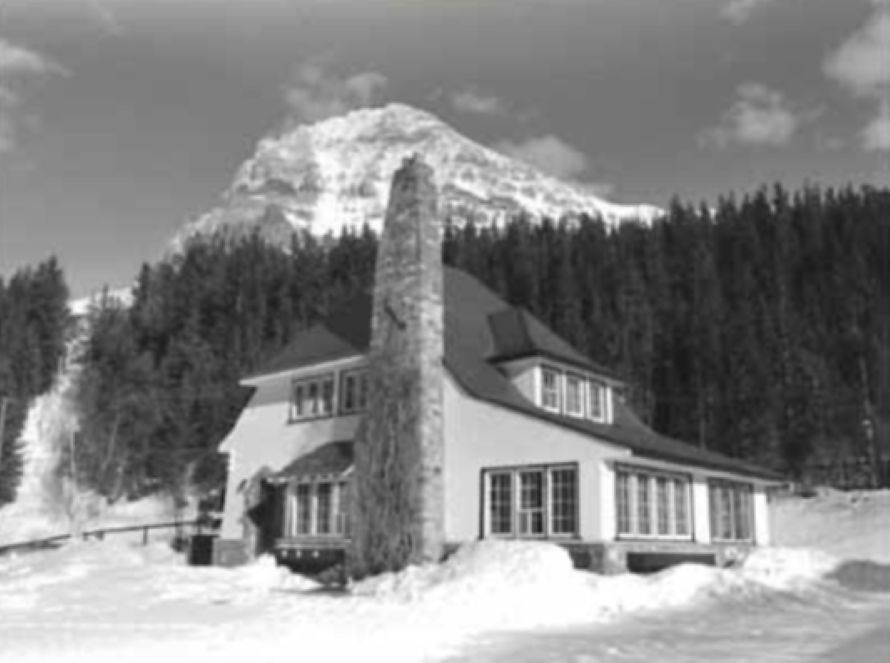
Although many of Field’s early structures have been lost over time, several unique buildings remain that reflect the community’s eclectic history. The former Park Superintendent’s House is recognized as a Federal Heritage Building. CPKC also owns and manages structures immediately adjacent to the community that have local historical significance. These include the 1930s Water Tower, which stands as a reminder of the significant role the railway played in Field’s early development. Other notable CPKC structures include the 1930s Canadian Pacific Railway (CPR) telegraph building and the 1954 Railway Station, which is a designated federal Heritage Railway Station. These buildings highlight Field’s historic ties to the railway era.
All new construction and renovations in the community must respect the historic character, scale and feel of the community. While modern building materials may differ from those used historically to meet current building codes and improve wildfire resilience, design should remain consistent with the community’s heritage values.
4.3 Community character
Community character refers to the distinct identity of a place. It is the collective impression that residents and visitors are left with after visiting a place. The character of a community evolves over time and is generally influenced by features such as land use; road layout; the scale, type, and style of the built environment; historic structures and features; the natural environment; and other physical or social characteristics. Development control and management tools like zoning, architectural guidelines, landscaping requirements, and land use controls, all help protect or enhance the desired character of a community. People often choose the places they live, or visit based, in part, on their perceptions of community character.
Field’s community character is shaped by the visual, emotional, and aesthetic qualities that create a lasting impression on individuals. From any point within the community, the views of the surrounding mountain landscape are spectacular, fostering a strong connection to the Rocky Mountains and the natural environment.
Change has been a recurring theme throughout Field’s history. The community’s evolution is evident in the diversity of its heritage resources. The architectural style of Field’s buildings—past and present—has played a significant role in defining its character. By drawing inspiration from these structures, much of this character can be preserved for current and future generations.
Field’s older homes were originally built as modest, single-family dwellings. Like other mountain park communities, early construction relied heavily on locally available materials, particularly timber. Horizontal saddle-notched log construction was a common and enduring vernacular form throughout the mountain national parks, including Field. Other features included rough timber framing and the use of fieldstone, typically for foundations and fireplaces.
A unique example of Field’s development history is the “boxcar” houses—former CPR boarding cars clad in shingles and converted into functional homes. Several were built by local workers and served as housing for working families. Their charm lies in their varied styles, consistent scale, and the way they collectively create a welcoming, folksy atmosphere.
Field stands apart from other national park communities due to its distinctive location, rich history, and unique composition—all of which define its enduring character.
4.4 Socio-economic situation
The community of Field is the staging area for visitors to Yoho National Park. The Yoho National Park Management Plan reported an increase of 31% visitation between 2011 and 2020. The COVID years of 2020 to 2023 saw visitation dip slightly, but 2024 statistics indicate that visitation is returning to pre-COVID levels with more than 680,000 visitors arriving in 2024-25. These visitors to the Field community and surrounding area are drawn to the spectacular scenery and hiking adventures among the lakes, glaciers and waterfalls of the park, as well as opportunities to learn about the origins of animal life recorded in the fossils of the Burgess Shale.
Field is particularly well suited, and continues, to attract a segment of the rapidly growing tourism market associated with the mountain parks and their protected environments. The community offers visitors unique attributes, including:
- A quiet, low-key, and intimate mountain atmosphere
- A variety of overnight accommodations, from hotels to in-home stays
- Opportunities to learn about, explore, and enjoy the mountain environment, including the renowned Burgess Shale.
- A refreshing contrast to the faster pace of Lake Louise and Banff.
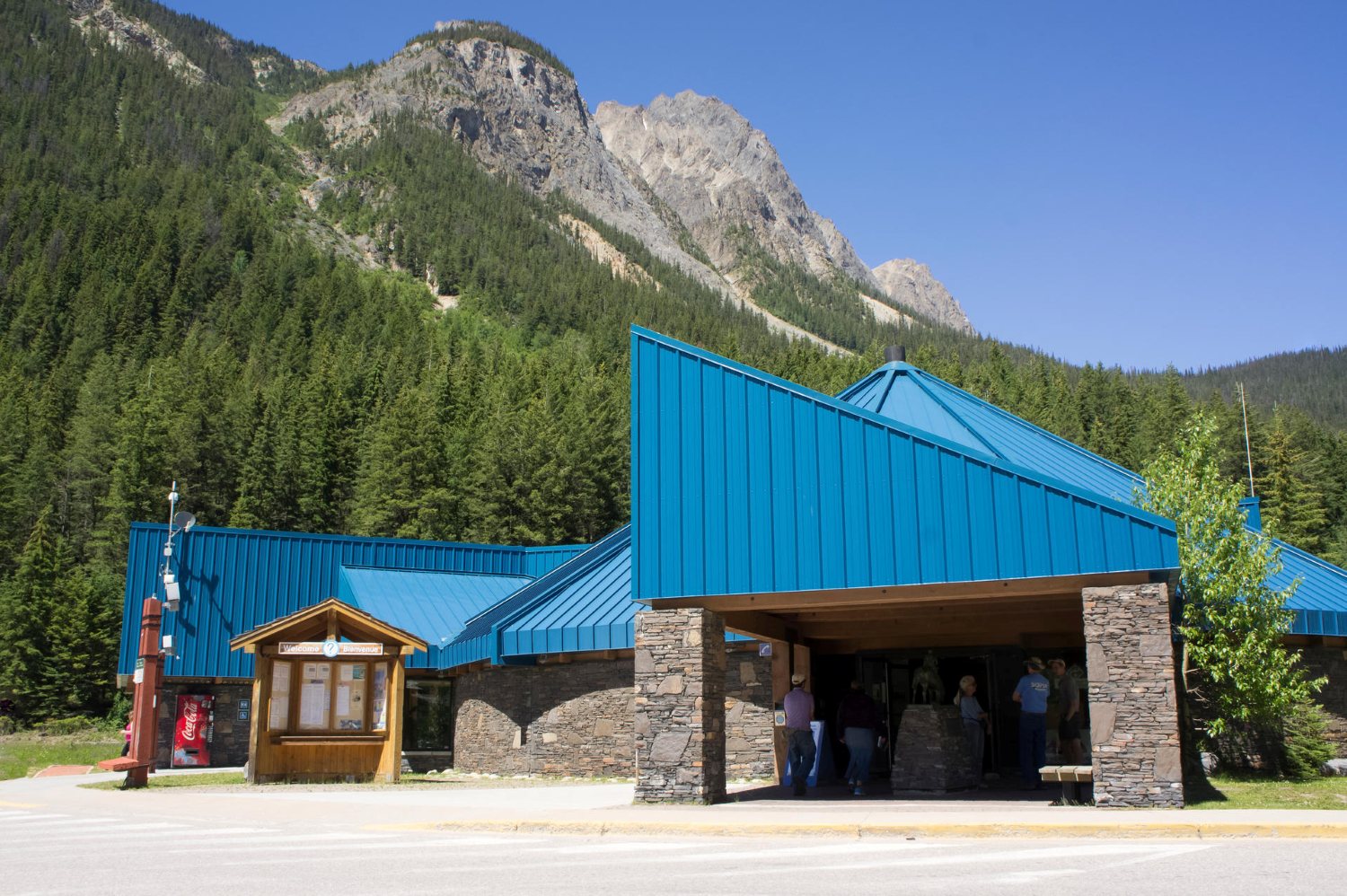
The community of Field thrives in its role as an eclectic and unique mountain town that respects the ecological and cultural importance of its national park setting. The community is primarily residential with a limited number of commercial uses providing services and accommodation to national park visitors. Travellers passing along the Trans-Canada Highway also take advantage of the services in the community. Parks Canada maintains an administrative office and visitor information services in Field while CPKC Rail continues their operations which include staff accommodations.
The Yoho National Park Visitor Centre operates seasonally, while the highway gas station is open year-round. A few commercial establishments draw visitors into the centre of the community, complemented by a hotel featuring an in-house restaurant that operates year-round and offers 12 guest rooms accommodating approximately 44 guests. In addition, several in-home guest accommodations provide lodging options for park visitors, with capacity for about 96 guests primarily during the summer months. Operations and occupancy are reduced during the winter and shoulder seasons.
Residing in Field and Yoho National Park is a privilege reserved for individuals who meet the criteria to be eligible residents as defined in the National Parks Lease and Licence of Occupation Regulations and have an approved “need to reside.” Many Field residents work in the Lake Louise area, where housing is limited, and individual residential leases are not permitted. According to the 2021 Statistics Canada census, the population of Field was 157 residents. This figure may underrepresent seasonal staff who live in the community during the busy summer months.
Over the past 30 years, the resident composition has shifted from primarily families to more singles and couples. Historically dominated by single-family homes, many of these buildings are now being converted into multi-unit or shared accommodations. Future development and redevelopment will likely focus on multi-unit housing.
Field has the capacity for additional commercial offers or expansion of existing commercial operations. For example, the gas station presents an opportunity for redevelopment to meet current industry standards.
Residents enjoy a variety of recreational opportunities within and near the community, including a small fitness facility in the Parks Canada Administration building, a playground, a baseball diamond, a swimming pond, and hiking trails along the river flats and adjacent forest. The Field Community Hall serves as a versatile indoor space and the hub for local events and programs. Essential services are provided by the volunteer fire department and the BC Ambulance station, supporting both the community and surrounding areas.
Back to top
Chapter 5: Community vision
5.1 Community vision statement
The community vision statement was developed though input and feedback from residents, leaseholders, businesses and stakeholders, combined with Parks Canada legislative and policy requirements, and strategic initiatives for the community.
The community vision for Field defines the desired future state of the community, ensuring it fulfills its role within the Parks Canada system and remains sustainable over time.
The community of Field is a well-established, enduring, and unique gem within Yoho National Park, offering services and amenities to residents and visitors that support the national park experience. It is a place valued for year-round access to the many recreational activities and adventures in Yoho National Park.
Field has a diverse population with a variety of ages and family compositions. This includes both long-term and seasonal residents who enjoy a sense of community and support family-friendly activities and events.
Indigenous connections to this place are known, understood and shared in meaningful ways as guided by Indigenous communities whose knowledge and perspectives inform a strong stewardship ethic in the community.
Field is a community that appropriately manages growth and the built environment, while protecting and conserving the natural and historic landscapes and structures found here. The community works collaboratively with Parks Canada and other regional organizations to support a vibrant and healthy environment, economy and community.
5.2 Community plan guiding principles
Through the community planning and engagement process and in alignment with the Yoho National Park of Canada Management Plan, six guiding principles emerged:
- Ecological Integrity & Environmental Stewardship
- A Place for People
- Managing Community Development
- Cultural Resource Protection
- Strengthening Indigenous Relations and Stewardship
- Climate Change and Adaptation
These guiding principles set out the overarching approach for managing the community consistent with the Parks Canada mandate. They establish how the community’s key challenges and opportunities will be addressed over the ten-year duration of the plan.
It is important to recognize that these principles are interconnected; they must be applied together to achieve their intended outcomes. While they represent Parks Canada’s best strategy for moving forward, park management occurs in a dynamic environment with uncertainties, natural variability, emerging technologies, and new information. For this reason, Parks Canada will adopt an adaptive management approach to ensure effective decision-making.
Back to top
Chapter 6: Achieving the vision
The community vision is achieved by pursuing the desired results identified under a guiding principle and its associated objectives. Unless otherwise specified, the desired results are ongoing throughout the life of this plan. Barring the unexpected, the commitments identified are achievable within the funding and human resource capacity of the Lake Louise, Yoho, Kootenay Field Unit.
6.1 Ecological integrity & environmental stewardship
As a park community, the primary guiding principle for the Field community is to maintain and restore ecological integrity, in alignment with Parks Canada’s top priority as outlined in section 8(2) of the Canada National Parks Act.
Legislated community boundaries play a critical role in protecting ecological integrity beyond the community, including two important adjacent ecological corridors. Maintaining and respecting these limits is perhaps the most important way the Field Community Plan supports ecological integrity and environmental stewardship.
Within the community boundary, priorities include adhering to NNNEI principles, the prevention of human wildlife conflict and deterring wildlife habituation.
6.1.1 Objectives
- Respect the community’s legislated boundaries.
- Manage community growth and development, uses, activities and site operations consistent with NNNEI principles.
- Protect ecosystems functions and prevent the habituation of wildlife to humans, and conflict between people and wildlife.
6.1.2 Desired results
- No development or release of lots is permitted outside the community boundary established under Schedule 4 of the Canada National Parks Act.
- All requests for new and renewed business licences are assessed to ensure the approved activities and operations result in no-net-negative environmental impact to the community or park.
- Impacts generated through growth, development, activities and uses are addressed by restoration or mitigation measures.
- All new developments incorporate design best practices that address the needs of species at risk. Examples include using architectural features over entry doors that discourage swallows from nesting.
- Fences are installed in a manner that does not restrict wildlife movement – for example, using low-height fencing with only two or three sides, leaving spaces unenclosed.
- The planting of fruit trees will not be permitted to avoid attracting wildlife. Wildlife patterns will continue to be monitored closely, and management actions will be taken if a risk of habituation is identified.
- Parks Canada outdoor lighting standards are implemented to promote habitat security and wildlife movement, while maintaining a safe and healthy environment for residents and visitors.
- Prioritize retaining existing native plants and planting native species.
- All proposed uses, activities and development within 30 m of water courses in the community (Stephen Creek and the Kicking Horse River) will be assessed and considered to ensure the protection of riparian areas.
- Community members, leaseholders and residents actively practice water conservation, following best practices and industry standards.
- Snow is stored entirely on-site and away from riparian or other sensitive areas. All development /redevelopment incorporates on-site snow storage in the site design.
6.2 A place for people
National park communities exist primarily as service centres for park visitors. They are also tasked with offering a comfortable living for eligible residents.
Field offers a small but unique range of facilities and services that help to meet the needs of both visitors and community residents. Parks Canada will continue to work closely with community residents and partners to facilitate appropriate commercial services.
Housing for eligible residents is a challenge throughout the Banff-Field corridor, including in the community of Field. Providing opportunities for appropriate housing for eligible residents, especially those actively employed within the park, is a priority.
Yoho National Park is experiencing increased pressure as approximately four million visitors to the adjacent Banff National Park and Lake Louise area seek alternatives to those busy destinations. While commercial operations benefit from this additional visitation, day-use areas and some backcountry facilities face seasonal challenges associated with high use.
Addressing the impacts of growing visitation is beyond the scope of this plan. However, Parks Canada has indicated its intent to undertake visitor use management planning for key high-use areas in Yoho National Park to protect park ecosystems and ensure quality visitor experiences.
6.2.1 Objectives:
- Visitors feel welcomed to the park, and their experiences are enhanced by a range of services, facilities and opportunities that are consistent with the mandate of the park and the community character.
- Quality residential housing opportunities for eligible residents are enhanced by permitting secondary long-term rental suites in existing houses and allowing multi-unit developments to occur on all residential parcels throughout the community.
- Uphold eligible resident requirements as described in the National Parks of Canada Lease and Licence of Occupation Regulations and the Development and Design Standards for Lake Louise and Field, to preserve housing supply and support affordability for residents.
6.2.2 Desired results:
- Welcoming design elements throughout the community create a friendly atmosphere, improve wayfinding, and enhance safety. Trail connections linking the community to surrounding park trails support easy exploration of the national park.
- Active transportation options are available within the community, and Parks Canada facilitates the provision of public transit by partner jurisdictions, contributing to quality visitor experiences and residents’ quality of life.
- Commercial activities in Field that serve residents’ needs are supported through permitting and zoning, where possible.
- On-street parking is closely managed to prevent congestion issues within the community.
- The residential zone permits secondary suites for long-term rentals in private homes.
- The residential zone supports redevelopment of existing low-density housing to higher density residential uses such as duplexes, triplexes or other multi-unit structures.
- The residential zone supports upgrades to residential unit types to satisfy current market demands.
- Available vacant residential infill parcels are released for development to eligible lessees and providers of essential community services.
- Due to the severe limitations to housing supply and the need to maintain affordability for local staff, recreational or secondary home uses continue to be prohibited in Field.
- Enforcement of the need-to-reside provision includes random verifications and new annual reporting requirements for all leaseholders, requiring documentation of the need-to-reside for each housing unit occupant.
- Parks Canada continues to work closely with CSRD to facilitate their efforts to provide community services, facilities, and programs to meet residents’ needs and enhance quality of life.
- In-home visitor accommodation is managed to ensure it does not diminish the availability of long-term residential units.
6.3 Managing community development
Some development is essential in the community of Field to facilitate visitors experience, activities and education about the national park. When thoughtfully designed and located, development can directly reinforce connection to the natural, cultural and human history of the park, and encourage public understanding, appreciation and enjoyment of mountain landscapes. It can also help protect the natural environment from the degradation that often accompanies high human use.
For decades, stakeholders have consistently affirmed the importance of limiting commercial development in the park. Accordingly, through policy and legislation, Parks Canada has put in place a framework that limits the amount of commercial development that may occur within the Field community. Adherence to these legal limits and respect for the policy framework will continue to be a cornerstone for Parks Canada’s approach in managing future development within the community. A significant amount of commercial space in Field remains available for development on vacant commercial lots or through the redevelopment of existing commercial parcels.
Any development in Field must clearly support the goals and objectives of Yoho National Park, as described in the Park Management Plan, by facilitating greater awareness and connection to natural and cultural spaces while protecting the distinctive qualities of these places for future generations. Parks Canada’s approach will be transparent and consistent, and will continue to respect limits, zoning and community boundaries.
Unstable terrain along Second Avenue has resulted in the removal of some residential buildings and the removal of several lots from the list of available development opportunities. This further constrains future residential land use and limits new development opportunities within the community.
6.3.1 Objectives:
- Development complements and enhances the community character through its appearance, form and design, honoring the area history and natural setting while preserving scenic views, in accordance with the Development and Design Standards for Lake Louise and Field.
- Commercial uses and spaces within the community of Field will not exceed the legislated commercial floor area (CFA) maximum of 5,055 m2. This approved commercial floor space does not include staff accommodations and facilities.
- In Field, only uses and activities that support the community’s role as a visitor destination and service centre - while enhancing the visitor experience - are permitted. It is recognized that not all services and activities desired by visitors or residents can be provided or supported.
6.3.2 Desired results:
- All commercial development permit applications include a summary document outlining how the operation and proposed improvements support community heritage and national park objectives.
- All commercial activities occur on parcels currently zoned for that use as per Schedule 4 of the Canada National Parks Act.
- The natural aesthetic of the surrounding environment must remain dominant. Building placement, type, scale, material and construction methods will ensure the primacy of the natural landscape.
- New development will be compatible with the surrounding built form.
- Redevelopment, upgrades and modernization of existing commercial sites are assessed for compliance with the Development and Design Standards for Lake Louise and Field.
- The community should reflect the unique experience of being in a national park. Commercial operations will offer facilities and services that enable visitors to connect with and appreciate the park’s natural and cultural heritage.
- Commercial floor area (CFA) estimates undertaken in 2024 reveal that the amount of CFA currently developed in the community of Field is 2,040 m2. This leaves 3,015 m2 for new commercial development or expansion of existing commercial sites. Expansion and development of commercial parcels will be considered until the community CFA maximum is reached. Parks Canada will allocate the remaining CFA based on commercial expansion requests that include detailed plans and align with direction from the park management plan and this community plan. The location and size of available commercial lots within the community boundaries (excluding CPKC land) is shown on the Field Land Use and Zoning map.
A CFA survey is required with all commercial development permit applications and during lease renewal discussions.
All development or redevelopment - whether commercial, residential or institutional - must include on-site parking appropriate to the approved or intended use of the site. Underground parking, garages or carports are preferred while surface parking may be used where necessary.
The principles for appropriate commercial services and products (figure 1), along with examples of suitable services (figure 2) will guide the assessment of new business applications or renewals, proposed changes in use at commercial operations, and all new development or redevelopment proposals.
- Appropriate use principles
Services and products will: - support heritage tourism and help visitors enjoy their national park experience,
- have no-net-negative environmental impact,
- have a significant, legitimate market in the park and not be intended for sale elsewhere as a value-added product or service,
- meet the immediate needs of visitors or be an appropriate secondary operation (e.g., meeting space),
- support the social fabric of the community,
- foster an appreciation of the park,
- complement the services provided in the community of Field and/or in the town of Banff,
- commit to environmental stewardship, and
- respect the requirements of the Impact Assessment Act (IAA).
- Examples of appropriate services:
- Emergency services (e.g. police, fire, ambulance, rescue),
- Basic medical, financial and postal services,
- Interpretation, heritage education, information and activity guides,
- Overnight visitor accommodation,
- Staff residential accommodation and facilities,
- Basic retail (e.g., groceries, toiletries, newspapers, liquor, pharmacy items),
- Tourist and visitor products and supplies retail (focusing on the local area and climbing, skiing, hiking, nature, history, and Indigenous arts and crafts),
- Food and beverage services (e.g., bakeries, restaurants, cafes, pubs and bars),
- Transportation services (e.g., bus, taxi, rental cars and bikes),
- Social and recreation facilities, services and opportunities. (e.g., recreation / community centre, daycare, religious services, basic trades and personal services), and
- Operational support services (e.g., snow removal and landscape maintenance).
6.4 Cultural resource protection
Much of Field’s character is expressed through its built environment. Variations in architectural form and style contribute to the community’s unique and appealing appearance. Most of the buildings with heritage or historic value in Field are privately owned on lands leased from Parks Canada. Other buildings of significance are on CPKC-managed lands.
The layout of the community also contributes to its character. In reviewing the block survey of 1905, Legal Commissioner Thomas Rothwell observed that “the town was surveyed precisely as if the small area of land the community covers was level, unoccupied prairie, instead of parts of uneven lands at the base of a large mountain”. Slope and soil instability factors have influenced the use of land in the community, limiting where structures can be built and leaving several parcels of vacant land in the centre of the community.
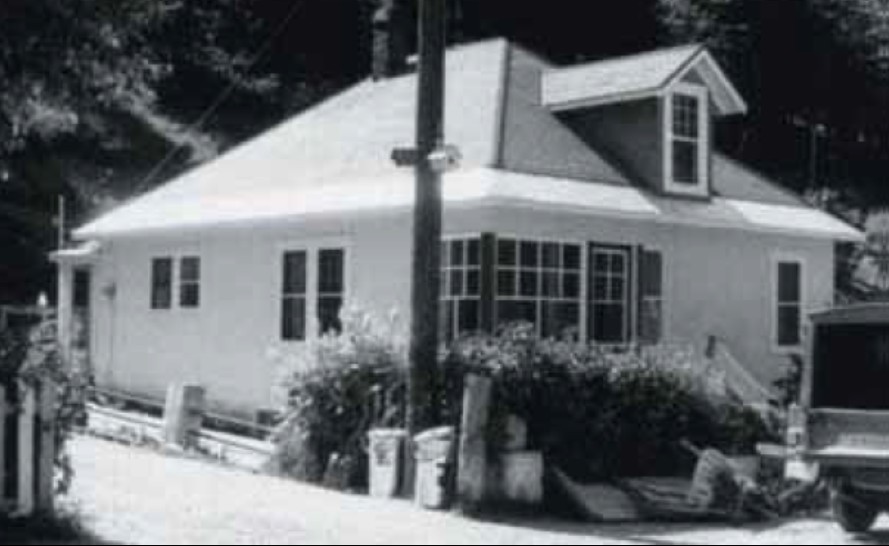
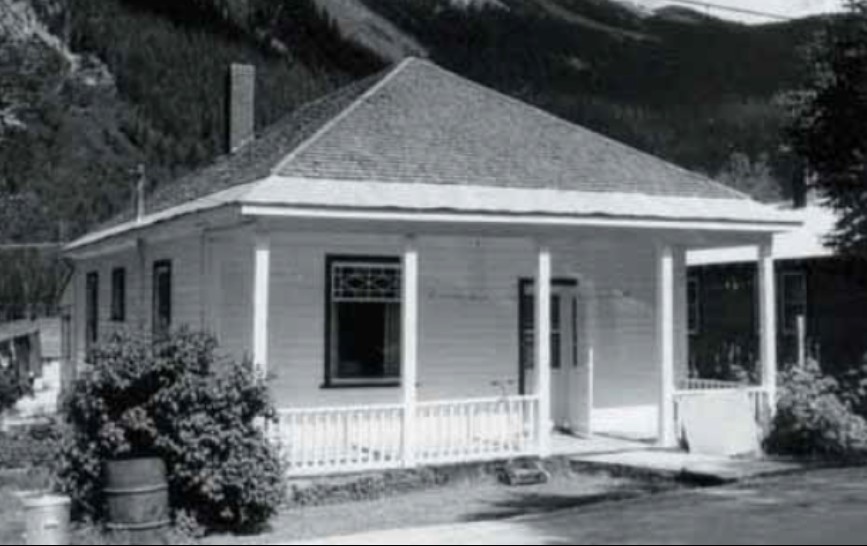
Field is primarily a residential community, with homes originally built as modest single-family dwellings showcasing a variety of early 1900s architectural styles. Most houses are wood construction and remain in good condition, often surrounded by mature landscaping. These homes are fine examples of historic architecture, reflecting utilitarian railway working-class housing with horizontal wood or stucco siding.
Some residences feature more elaborate detailing, including multi-paned windows, decorative brackets, exposed rafter ends, and wrought iron elements. Stone is commonly used for fences, retaining walls, and exterior siding throughout the community—the Superintendent’s Residence being a notable example of this style.
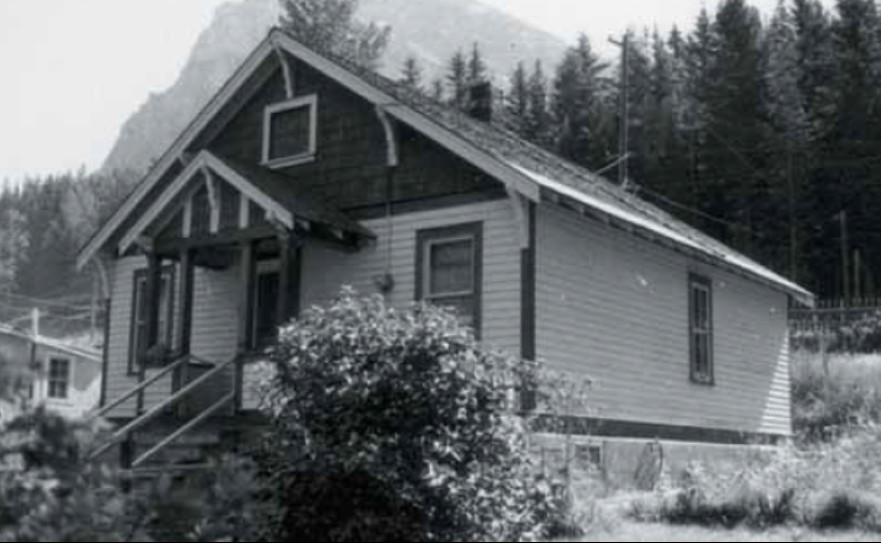
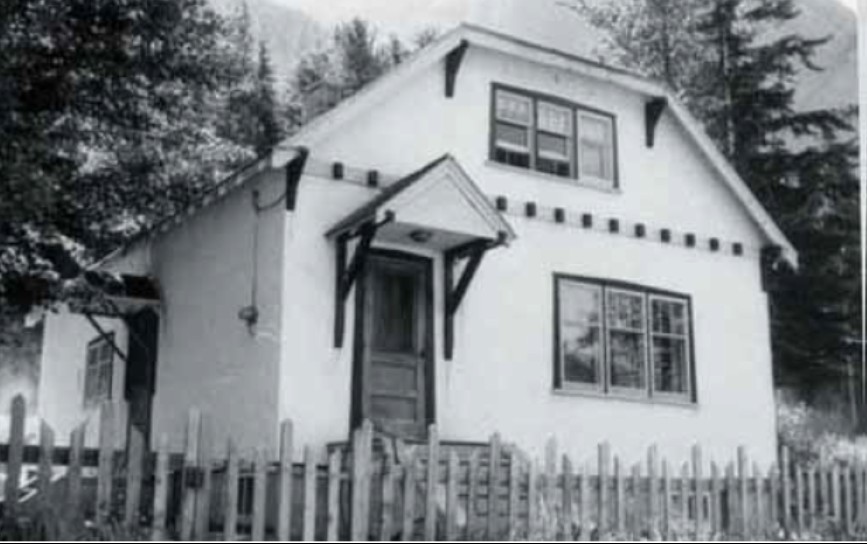
Preserving the community’s character requires maintaining connections to its historic architectural styles. Where appropriate, conserving this unique heritage can help shape the design of new development. While honoring the historic character, all new buildings and structures must be designed to withstand Field’s demanding mountain environment—both functionally and aesthetically.
New development should strive to respect and reinforce community character while adapting to evolving circumstances and societal needs. Current architectural direction emphasizes balancing the historic identity of the community with contemporary design principles that support modern amenities and meet current market demands.
6.4.1 Objectives:
- Community growth and redevelopment are managed to protect and respect the cultural and heritage resources and existing community character.
- Architectural designs enhance the visitor experience while minimizing environmental impacts.
6.4.2 Desired results:
- All development/redevelopment proposals include strategies to protect and present the identified and potential heritage features and structures on-site.
- The site and building design for all new developments must maintain a strong visual connection to the surrounding natural environment. Building placement, type, scale, materials, and construction methods should complement and support the character of the natural landscape.
- The desired characteristics for all new construction and redevelopment in Field are outlined in the Development and Design Standards for Lake Louise and Field, which include specific architectural elements.
- Cultural resources owned and administered by Parks Canada are managed in accordance with the Treasury Board Directive on the Management of Real Propertyand the Cultural Resource Management Policy.
- Leaseholders and CPKC are encouraged to maintain and enhance cultural resources that have special historical significance or character to the community and park.
- The use of the Field Built Heritage Resource Description and Analysis (Field BHRDA) is recommended as a foundational reference for culturally and historically significant buildings, structures, and elements within the community.
6.5 Strengthening Indigenous relations and stewardship
When Yoho National Park was established in 1886, legislation and management of parks did not consider Indigenous traditional knowledge or recognize long-standing cultural and spiritual values and use of the landscape. Consequently, Indigenous Peoples were excluded from the park and lost physical ties and cultural connections with places of importance within their traditional territories. Parks Canada is embarking on a process of renewal, centered around a vision of protected area management and governance that enables Indigenous stewardship across Parks Canada administered places that is respectfully aligned with Indigenous stewardship of lands, water, and ice.
Indigenous Peoples with traditional connections to Yoho National Park include the Ktunaxa and Secwépemc peoples who have used and occupied the region since time immemorial. Some modern roads and trails in the park follow traditional Indigenous travel routes, used for trade, hunting and gathering medicinal plants.
The goal of this guiding principle is to affirm the importance of working in partnership with the Indigenous Nations to support the implementation of the United Nations Declaration on the Rights of Indigenous Peoples Act Action Plan. It seeks to foster more equitable, effective and collaborative stewardship between Indigenous communities and Parks Canada.
6.5.1 Objectives:
- Build and maintain strong relationships between Indigenous Peoples and Parks Canada.
- Work collaboratively with Indigenous Peoples to examine Parks Canada’s history and take responsibility for past actions by acknowledging, apologizing for, and addressing impacts on Indigenous communities.
- Incorporate Indigenous knowledge systems to help protect and sustain relationships with the lands and waters for the benefit of future generations.
- Enhance learning and understanding among Parks Canada employees and park visitors about the rights, roles and responsibilities of Indigenous Peoples in the stewardship of lands and waters that are now housing the Field community.
6.5.2 Desired results:
- Ensure the roles of Indigenous Peoples and the incorporation of Indigenous knowledge systems in decision-making on areas of shared interest in Field.
- Facilitate active relationships for Indigenous Peoples with the lands and waters within the community.
- Support economic opportunities for Indigenous Nations.
- The process for reviewing and considering large-scale development or redevelopment proposals is open and transparent, and one in which Indigenous Nations can access information and express views before decisions are made.
- The historical presence and contemporary importance of Indigenous Peoples in the area is recognized through interpretation opportunities within the community.
- Traditional cultural activities and ceremonies in the Field community are supported, with the support and guidance of Indigenous Nations with connections to the area.
- Requests for Proposals (RFP) on procurement and new lease opportunities provide prospects for Indigenous involvement.
6.6 Climate change and adaptation
The national parks were established to protect and present specific features of Canada’s natural heritage. The mountain national parks include some of Canada’s most significant landscapes and natural and cultural resources, which are already being impacted by climate change. To ensure that Yoho National Park continues to meet its commitments to Canadians, climate change considerations must be integrated into all core Parks Canada activities, including the management of the community of Field. This work involves studying and understanding the effects of climate change, developing adaptation strategies in response to those effects, and implementing measures to reduce carbon emissions that contribute to the problem.
Climate change impacts on the Field community may include increased risks of flooding, landslides, debris flows, and blowdown from extreme weather events, as well as larger and more frequent wildfires driven by ongoing drought and rising summer temperatures.
To ensure a coordinated response to potential emergencies, Parks Canada has implemented a comprehensive all-hazards emergency management system in partnership with the CSRD and other emergency response agencies. The active support of local businesses and residents is essential for effective emergency response and for creating conditions that enable efficient recovery.
Of all the risks exacerbated by climate change, perhaps the most pressing in the Field area is the risk of wildfire. Wildfire ecology, wildfire resilience and wildfire preparedness are issues that extend beyond the boundary of the community. Parks Canada has prepared a Fire Management Plan covering Yoho National Park, and wildfire risk reduction measures are being implemented in the park on an ongoing basis to help reduce the risk of catastrophic wildfires.
In and around the community of Field, Parks Canada has worked to reduce the risks associated with wildfire with the comprehensive park-wide fire management program. To improve wildfire resilience of the community, Parks Canada actively implements many best practices and principles of wildfire risk reduction in its community wildfire protection program. This includes promoting wildfire risk reduction work on every site, land and buildings to further reduce the risk of property loss and enhance safety in the community.
6.6.1 Objectives:
- Reduce the operational carbon footprint of the Field community.
- Collaborate with partners to implement the community emergency management plan and to evaluate risks to the community.
- Updated architectural motif and design guidelines mandate the use of non-combustible exterior material and fire resilient site design and maintenance, consistent with wildfire risk reduction best practices.
6.6.2 Desired results:
- Vehicle emissions are reduced through implementation of EV charging infrastructure and the promotion of public transit use.
- Low emission and reduced energy consumption components are integrated in new builds and renovation projects.
- The installation and use of alternative energy sources throughout the community, including the electrification of transportation, are encouraged and supported, while carefully managing and mitigation impacts on the landscape and key sightlines.
- A community waste diversion strategy is developed and implemented that includes solid waste, recycling and composting.
- Support the emergency management plan for the community of Field and surrounding area, ensuring it remains current and evergreen, in partnership with CSRD.
- Work with individual leaseholders on the development and maintenance of their site evacuation plans and ensure they align with Parks Canada’s broader park evacuation plans.
- The new Development and Design Standards for Lake Louise and Field include the requirement that wildfire risk reduction principles and best practices for buildings, structures and sites are included in all development projects and designs. Examples of these principles include the incorporation of appropriate simple roof designs, installation of non-combustible exterior building materials, and landscape modification to remove shrubs, trees, deadfall or woodpiles from within ten meters of a building. (resources link: firesmartcanada.ca)
- All community leaseholders must submit a site wildfire resilience assessment to Parks Canada at the request of the Superintendent. The assessment should identify strategies for vegetation management, removal of combustible materials, and any necessary work to improve the site’s fire resilience or ensure it meets established standards. All listed work and improvements must be completed within two years of the assessment’s approval.
- A landscape plan is required with all development/redevelopment applications that aligns with Parks Canada direction, including planting material that grows within site conditions or ecozone, meets wildfire risk reduction standards and low-palatability requirements.
Back to top
Chapter 7: Land use
The community of Field does not have a ‘zoning bylaw’ as it is not an incorporated municipality and therefore cannot establish bylaws. This community plan provides the guidance normally found in a zoning bylaw.
A high-level summary for each land use zone is listed below to provide basic parameters of the zone. It should be noted that the legal land use agreement for each parcel, such as a lease or licence of occupation, dictates the use of the parcel. The site-specific guidelines contained within the Development and Design Standards for Lake Louise and Field provide details on what is permitted in each area. The legal land use document takes precedence over this community plan and development and design standards. The attached updated zoning map identifies the land use zone for each parcel or site within the community.
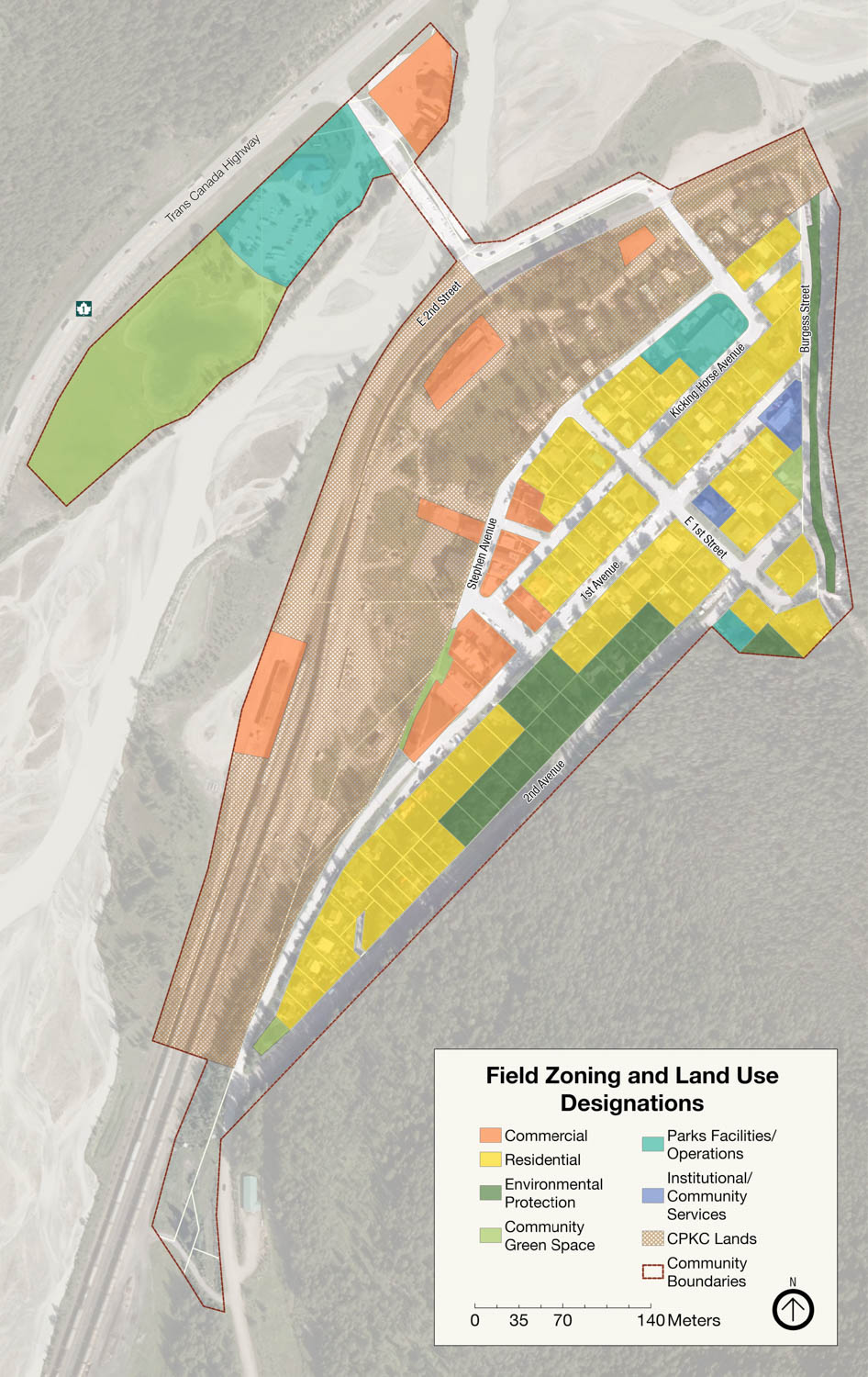
Map 3: Community of Field zoning and land use
Map showing zoning and land-use designations in the community of Field.
7.1 Residential Land Use Zone
This community plan introduces opportunities for additional housing within Field’s residential zone. Maximum densities for individual parcels have been increased across the community. The residential land use designation now permits all housing types on any residential lot—from low-density single-family and duplex homes to higher-density townhouses or apartment-style buildings.
Applications for any residential development will be considered provided they include, at minimum, adequate on-site parking, appropriate open space areas, and compliance with all lot line setback requirements. Complete details are outlined in the Development and Design Standards for Lake Louise and Field.
Residential leases in Field can be held by individuals, commercial head lessees or corporations as approved by Parks Canada. Occupants must meet the need-to-reside requirements as an Eligible Resident defined in the National Parks Lease and Licence of Occupation Regulations.
7.1.1 Field home-based businesses including in-home visitor accommodation
Home-based businesses are permitted in the community of Field. All proposed home-based businesses must align with the Appropriate Use Principles for Commercial Services and Products listed in Chapter 6.3. An In-Home Visitor Accommodation business is included as an appropriate service and considered a Home-Based business in Field.
All home-based businesses must meet the following requirements:
- Have a valid Parks Canada Business Licence.
- Be contained within the home, except when the in-home visitor accommodation is approved within a carriage house.
- A home-based business must not negatively affect adjacent properties, their uses, or activities in any way. This includes avoiding excessive noise, odors, disturbances, or parking impacts.
- All home-based businesses must be a secondary use to the primary residential use.
- The owner or operator of the home-based business must reside on-site and have a valid need-to-reside.
- Operating a home-based business, including in-home visitor accommodation, does not qualify as meeting the need-to-reside requirement.
- All required building permits must be in place prior to the operation of the home-based business.
Only a limited number of in-home visitor accommodation units may be approved within the residential zone. Parks Canada defines in-home visitor accommodation as a business providing short-term stays of 14 consecutive days or less.
The intent of this designation is to offer lodging for individuals considered “visitors”—those who do not have a valid need-to-reside and therefore do not meet the Eligible Resident requirements.
The maximum allowable number of in-home overnight visitor spaces within the community of Field is 115. According to the 2023 business licence record, 19 additional guest spaces remain available for allocation to in-home visitor accommodation businesses.
There are three types of in-home visitor accommodation permitted in Field.
- Single suites,
- Multiple guest suites or
- Carriage houses.
An in-home visitor accommodation unit, whether consisting of one or multiple suites, may only occupy a portion of a residential building and cannot encompass the entire building or residential unit. Only one in-home visitor accommodation unit(s) is permitted in each residential building. The accommodation business must remain secondary to the primary residential use, and the operator is required to reside on-site.
Accommodation may be offered as self-contained units or in a Bed and Breakfast format. Each suite or carriage house may include no more than two bedrooms, one kitchen, one bathroom, and one common area.
All in-home visitor accommodation units must be constructed under an approved Parks Canada Building Permit and comply with National Building Code. Development standards, including but not limited to parking and setback requirements, as outlined in the Development and Design Standards for Lake Louise and Field, apply to all projects.
Operators are required to display their Parks Canada Business Licence on the premises and include the licence number on all marketing materials and online listings, including platforms such as Airbnb, VRBO, Booking.com, and social media forums like Facebook Marketplace. Prior to annual licence renewal, Parks Canada will conduct an inspection of the accommodation area to verify compliance with development standards, signage requirements, and permit conditions. Licence renewal is contingent upon successful inspection.
During low season, primarily in winter, Parks Canada encourages operators to utilize in-home accommodation units as long-term rentals for eligible residents.
7.2 Commercial Land Use Zone
The Commercial Land Use Zone encompasses all commercial uses and activities in the Field community. All commercial business operations must occur on lands zoned as commercial and will be limited to activities that support and provide services to the park visitors and residents. Approval of commercial business operations is at the discretion of the Superintendent. Examples of acceptable types of services are listed in Figures 1 and 2 of Chapter 6.3. Drive through commercial offers are prohibited within the Field community.
Truffle Pigs Lodge currently is the only commercial overnight visitor accommodation within the boundary of the Field community. Other overnight accommodations can be found outside the community within Yoho National Park at Emerald Lake Lodge, Cathedral Mountain Lodge, Lake O’Hara Lodge and various camping facilities. Other commercial operations in Field include food and beverage services, gift stores, a pottery shop, and a gas station.
New commercial and institutional development cannot proceed unless adequate staff housing is provided for in the community.
7.3 Institutional Land Use Zone
The Institutional Land Use Zone in Field is designated for community service-related activities, managed through leases or other agreements with Parks Canada. Current uses include emergency services (fire and ambulance) and recreational facilities. Although not currently found in the community, religious facilities or other social amenities can be accommodated in this zone.
7.4 Parks Operation Land Use Zone
The Park Operation Land Use Zone encompasses all Parks Canada facilities and operational uses within the community boundary. It inlcudes operations compounds, administration buildings, public parking lots and all visitor use and information facilities.
7.5 Open Space Land Use Zone
The Open Space Lands Use Zone includes areas that remain open and undeveloped for a variety of reasons. Some of these lands serve as buffers between different land uses, roadways and the CPKC railway line, offering aesthetic or recreational values. Other areas have been identified as environmentally significant with attributes that warrant preservation or special care.
Together with the surrounding protected park, these open spaces play an essential role in reducing the environmental impacts of the community’s presence.
Where conditions allow, a limited number of pathways, trails or picnic sites may be permitted within this zone.
7.6 Canadian Pacific Kansas City (CPKC) lands
Canadian Pacific Kansas City (CPKC) Railway Company holds lands within Yoho National Park, including within the community of Field, under Letters Patent. Under the Letters Patent, these lands are designated primarily for railway purposes including CPKC staff housing.
Parks Canada collaborates with CPKC to ensure that all developments, uses and activities align with Parks Canada processes and principles, including no-net-negative environmental impact.
Back to top
Chapter 8: Community environmental assessment summary
All national park community plans are assessed through a strategic environmental assessment (SEA) to understand the potential for cumulative impacts. The SEA for the Field Community Plan considered the potential impacts of climate change, local activities and development, anticipated increases in visitation, and the proposed direction outlined in the plan. It also assessed potential impacts on key ecosystem components, including water quality, vegetation, and wildlife.
The Community Plan will result in many positive impacts on the environment including these no-net negative environmental impacts principles:
- The community does not extend beyond defined boundaries and limits on floor area in the commercial zones in the Canada National Parks Act
- The extent of nonnative species along important dispersal corridors, such as roadways, boundaries and waterways are minimized
- Wildlife habitat/corridor usage is maintained or improved; and
- Human wildlife co-existence is maintained or improved.
Although the wastewater effluent quality is not currently meeting site-specific guidelines due to phosphorus exceedances in recent years, biomonitoring data from the Kicking Horse River, both upstream and downstream of the wastewater treatment plant, remains good, meaning they are within reference conditions. Repairs to the treatment system are planned to address the phosphorus exceedances and improve overall treatment performance.
While the potential for the spread of non-native vegetation increases with visitation, the impacts are minimized through ongoing monitoring and management under the Integrated Invasive Plant Management Plan, the Field Community Plan, and the Yoho National Park of Canada Management Plan. Continued prevention, rapid response, and interagency collaboration uphold the no-net-negative impact (NNNEI) principle and support the maintenance of ecological integrity in and around Field.
Increases in visitation in Field has the potential to increase instances of human-wildlife conflict. All garbage and attractants must be kept in wildlife proof enclosures and the planting of fruit trees is prohibited, which will mitigate the potential impacts on wildlife and improve human-wildlife co-existence. Maintaining the commitment to the NNNEI principle of no increase to the size of the community (which is also outlined in the Canada National Parks Act) will protect the wildlife corridor and effective wildlife habitat outside of the community.
Parks Canada is actively advancing towards achieving the principle of no-net negative environmental impacts in the community of Field, supported by strong plans and commitments. For wastewater effluent treatment, plans are in place to fully meet the principle. The Community Plan sets clear objectives and desired outcomes results to guide growth within the legislated boundary, and its implementation is expected to uphold and protect the ecological integrity of Yoho National Park.
Back to top
- Date modified :