
Banff National Park of Canada, Annual Report 2025
Banff National Park
Executive summary
This report highlights Parks Canada’s progress and accomplishments in managing Banff National Park in 2025, guided by the Banff National Park of Canada Management Plan (2022). Stewarding Banff National Park carries a national responsibility. As Canada’s first national park and a UNESCO World Heritage Site, Banff plays a leadership role in conservation science and protected area management.
In 2025, the park welcomed a record 4,515,168 visitors. During the peak summer and winter periods, the Canada Strong Pass made it easier than ever for people to experience Banff National Park by offering free entry to all national parks, national marine conservation areas, and national historic sites, along with discounted camping opportunities. As visitation pressures continue to grow each year, responsible park management remains essential to balance visitor use with the protection of the park’s natural and cultural heritage.
Parks Canada is pleased to present the second annual report, reflecting progress made in 2025 toward achieving the Management Plan’s goals, and highlighting ongoing priorities for 2026. Notable outcomes include protecting and restoring aquatic ecosystems through invasive species monitoring and native trout revitalization and the implementation of significant wildfire risk reduction strategies, strengthening the park’s ecological integrity and safety of park communities.
Indigenous Peoples played a central role in cultural programming, sharing stories and leading activities across the park. Community planning also progressed through projects such as the 200-Block Banff Avenue design competition and the development of the Lake Louise Community Plan draft. These projects will remain key priorities for Parks Canada in 2026.
Through science-based stewardship, collaboration with Indigenous Peoples, and careful management of visitor use, Parks Canada continues to uphold its mandate and commitment to conservation and responsible park management.
“On behalf of the people of Canada, we protect and present nationally significant examples of Canada's natural and cultural heritage, and foster public understanding, appreciation and enjoyment in ways that ensure the ecological and commemorative integrity of these places for present and future generations.”
- Parks Canada Mandate
Introduction
Parks Canada prepares this report to share progress in implementing the Banff National Park of Canada Management Plan (2022). The Management Plan provides long-term direction for park management, emphasizing respect for the land, wildlife, and culture. It calls for collaborative stewardship with Indigenous Peoples, partners, communities, and visitors, and guides Parks Canada’s priorities and actions across all areas of park management.
This is the second annual report highlighting key achievements and progress made in 2025 under the 2022 Management Plan, as well as ongoing priorities for 2026. The report is organized around the Management Plan’s strategic priorities and management areas.
Parks Canada gratefully acknowledges the contributions of Indigenous Peoples, stakeholders, visitors, local communities, and businesses. Their ongoing partnership and stewardship are essential to safeguarding Banff National Park and promoting public understanding, appreciation, and enjoyment of this iconic landscape.
Highlights
Banff National Park by the numbers
Visitation
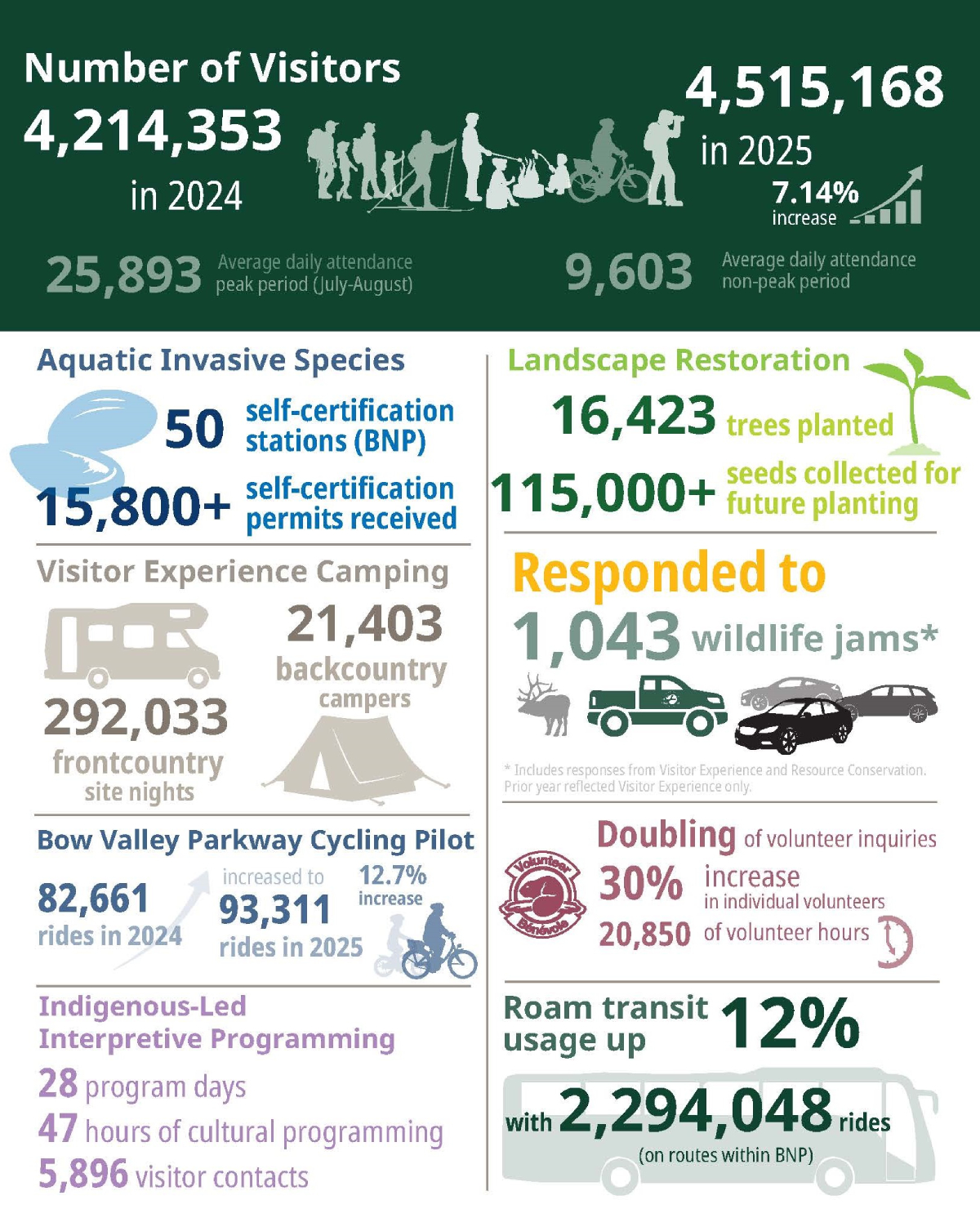
In 2025, Banff National Park welcomed 4.515 million visitors, the highest number to date, surpassing 2024 by 7.14%. Visitation was particularly high over the peak summer period, with a 9% increase in visitor numbers. Frontcountry campgrounds were fully booked during this time, totalling 292,033 site nights for the year. As visitation levels continue to increase each year, it is likely that campgrounds will remain fully booked for the foreseeable future.
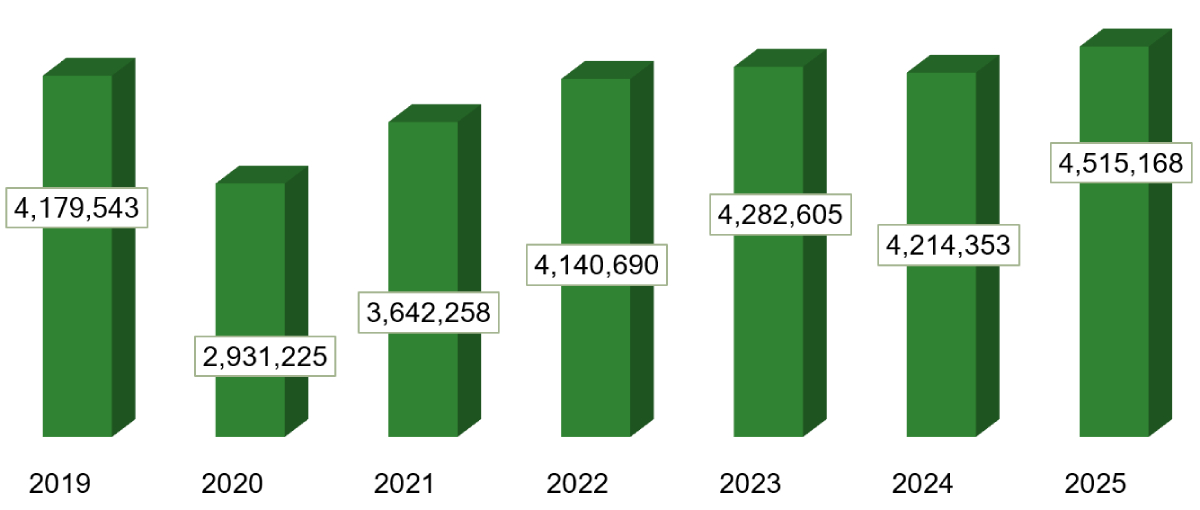
Figure 1: Banff National Park Visitation by Year (Note: 2020 coincided with COVID-19.)
Visitation to National Historic Sites within the park also rose in 2025. During the summer, the Cave and Basin experienced a 5.48% increase in visitors compared to 2024, while the Banff Park Museum saw a remarkable 112.36% increase.
Conserving natural and cultural heritage
Protecting Endangered Species
Building on successes and lessons learned from the 2017 Multi-Species at Risk Action Plan, Parks Canada has developed an updated plan that identifies strategies for the recovery, protection, and monitoring of species at risk in Banff National Park. The plan includes 53 conservation and recovery measures for 20 species at risk, that will be prioritized over the next 10 years. Engagement with Indigenous Nations and key stakeholders was completed in 2025. Draft plans will be made available for public review on the Species at Risk Act Registry (SARA) in 2026.
Combatting Aquatic Invaders
Since 2017, Parks Canada has adaptively managed and prevented the spread of aquatic invasive species in the mountain national parks through aquatic monitoring, permitting and inspections, education, and regulations.
2025 marked the fifth year of the Aquatic Invasive Species (AIS) Prevention Program. Key initiatives included mandatory pre-launch inspections for motorized watercraft, a self-certification program for non-motorized users, compliance monitoring, and education and outreach initiatives such as the new “Don’t Let It Loose” tabletop activity.
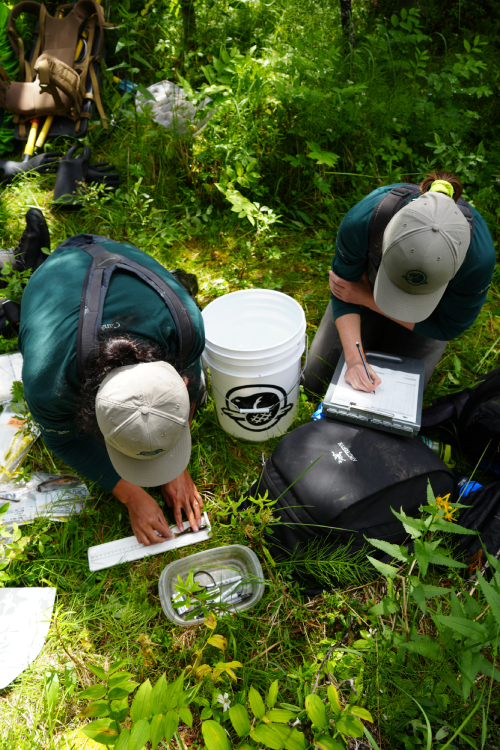
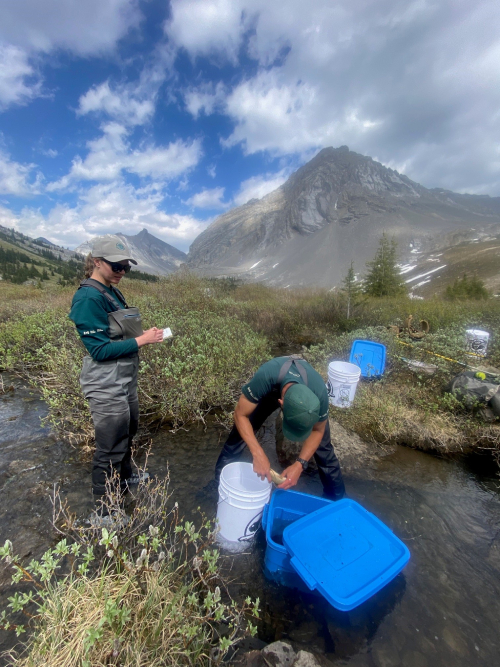
Early detection monitoring and environmental DNA (genetic material organisms shed) sampling were conducted at several high-priority lakes and waterbodies, with no new detections of invasive mussels or other priority invasive species. However, sampling of wild fish confirmed the presence of Proliferative Kidney Disease in Boom Lake and Vista Lake. Monitoring results in 2025 also indicated a new detection of whirling disease in Lake Louise, likely spread from the Bow River or other infected water on watercraft or angling equipment. These results highlight the importance of increasing public awareness, ongoing monitoring, and proactive management to maintain healthy aquatic ecosystems.
To further strengthen our defence against AIS, in 2025 Parks Canada finalized the Mountain National Parks AIS Prevention Strategy. The Strategy advances the next phase of adaptive management by implementing a coordinated, regionally consistent approach building on existing measures, lessons learned, and data gathered.
The updated Strategy introduces a zoning framework for waterbodies and will enhance protection for more sensitive systems where the ecological impacts of aquatic invasive species would be most significant. This approach reflects a shift from reactive, temporary actions toward long-term, adaptive management of aquatic ecosystems at a regional scale. The Strategy will be implemented over several years starting in spring 2026, with further measures being implemented across the mountain national parks in 2027.
Revitalizing Native Trout
Parks Canada has also been working to restore native Westslope Cutthroat Trout to waterbodies across the park. Population estimates at Hidden Lake indicate that the restoration project there is now successfully complete. The Cascade Creek restoration project continued into its second year. This year, eggs were sourced from Stoney Creek and Fish Lakes to increase genetic diversity and build a more resilient population. Early assessments suggest many of the relocated juvenile trout are likely to survive the winter, and healthy one-year-old trout from the 2024 relocation were also observed. The project will continue in 2026.
Meanwhile, eDNA sampling at Margaret Lake confirmed that no non-native brook trout remain, clearing the way for the reintroduction of Westslope Cutthroat Trout in 2026. A new impact assessment is underway for the next phase of this project, which may include restoration of native aquatic ecosystems in Fish Creek, Corral Creek, Consolation Lakes, and Babel Creek. These restoration efforts will support the recovery of this threatened species and contribute to the overall health and resilience of Banff’s aquatic ecosystems.
Restoring Bison
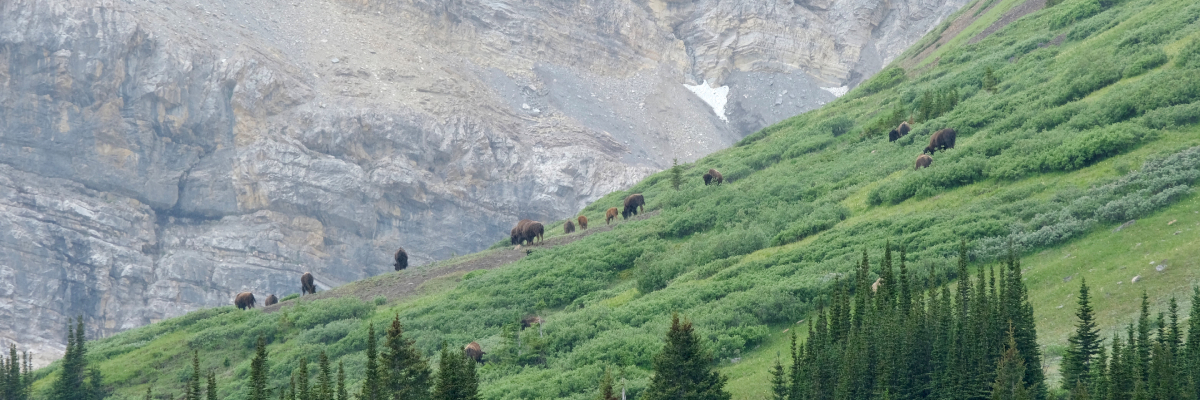
Following the conclusion of the successful bison reintroduction project, management efforts have focused on keeping the growing bison population within the target reintroduction zone using tools such as wildlife-permeable drift fences and low-stress herding. Parks Canada also conducted population modelling and supported research to better understand how bison interact with the environment, including their effects on plant communities and other wildlife. These actions help to maintain a balanced ecosystem and support the long-term health and success of the bison population in Banff National Park.
Building upon its success in 2024, in 2025 the Indigenous Advisory Circle led the second ceremonial bison harvest in Banff National Park. This event marked another important step toward strengthening Indigenous partnerships and connections to the land, while supporting the revitalization of ceremonial and cultural harvesting practices.
Managing Cultural Resources
In 2025, Parks Canada completed the restoration of the federally recognized Sulphur Mountain Weather Observatory. Built in 1903 to support meteorological research in Banff National Park, the observatory operated until 1933 and remains a prominent local landmark. The project returned the building to its original design, repaired the damaged masonry and foundations, and refurbished the windows, doors, and lightning protection. These improvements will keep visitors safe and preserve the building’s commemorative integrity, ensuring future generations can continue to appreciate and learn about the park’s history.
Work also continued to commemorate the Abbot Pass Refuge Cabin National Historic Site. The Historic Sites and Monuments Board is currently reviewing the revised text for the commemorative plaque, while Parks Canada historians are collecting oral histories to complement a collection of essays published in 2024. An interpretive plan for the use of the 1922 Date Stone from the original hut has been prepared. A request for proposal will be issued in 2026 for the use of original materials salvaged during the decommissioning for use in third-party legacy projects.
Prescribed Fires and Wildfire Risk Reduction
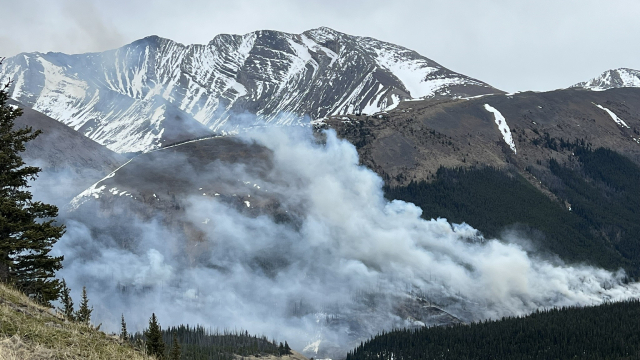
In 2025, Parks Canada advanced multiple wildfire risk reduction priorities. Prescribed fires were completed at Wigmore Meadows to restore natural ecological processes and expand bison habitat. Fuel breaks were established in Tunnel Toe and Lake Louise using mechanical tree removal, with hand-felling in areas where mechanical thinning was not feasible. Phase 1 of the Lake Louise Community Fireguard saw the completion of two units totaling 70.1 ha over the winter of 2025. Over 100 hectares around the town of Banff were also treated with fuel thinning, helping to restore the Bow Valley to its natural forest-grassland mosaic.
Parks Canada efforts will reduce wildfire risk to park communities, increase safety for park visitors and residents, and improve wildlife corridors and foraging habitat away from roads and railways. Work will continue in 2026 around Tunnel Toe, Spray-Middle Springs, and on Phase 2 of the Lake Louise Community Fireguard project.
Restoring and Managing Vegetation Communities
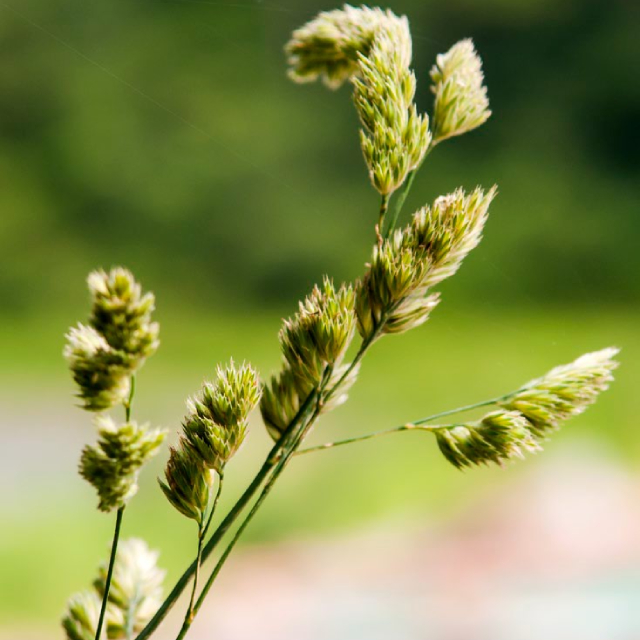
Of the 74 known non-native plant species in the park, 36 were actively managed, with efforts focused on sensitive habitats such as montane meadows and wetlands. One new invasive species - Orchard Grass (Dactylis glomerata) - was detected in a remote backcountry area and will be addressed through early detection and rapid response.
To support identifying new invasive, rare, or ecologically significant plant species, Parks Canada encouraged the use of iNaturalist, a citizen science platform for recording observations. Over 10,000 plants were documented by the public and reviewed by Parks Canada staff. In addition, 96 long-term monitoring plots were established in Bryant Valley and in areas near the town of Banff to assess native plant communities.
Restoring native vegetation also remained a priority in 2025. Across the park, 16,423 trees were planted, and approximately 115,000 seeds were collected for future planting. These included fire-resilient species such as Douglas Fir, as well as at-risk species such as the critically endangered Whitebark Pine and endangered Limber Pine. Together, these actions strengthen the ecological integrity of vegetation communities across Banff National Park, contribute to a more fire-resilient landscape, and improve wildlife habitat. The collected seeds will also support recovery efforts in Jasper National Park following the 2024 wildfires.
Monitoring Grizzly Bears
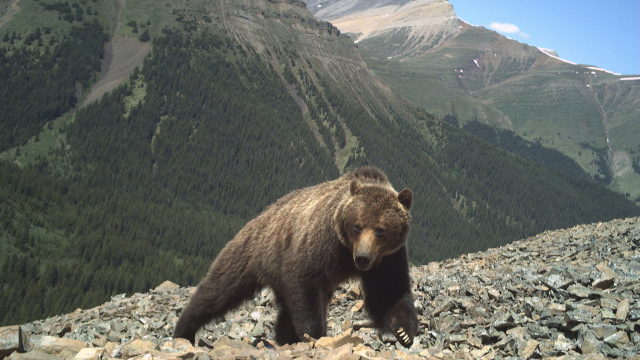
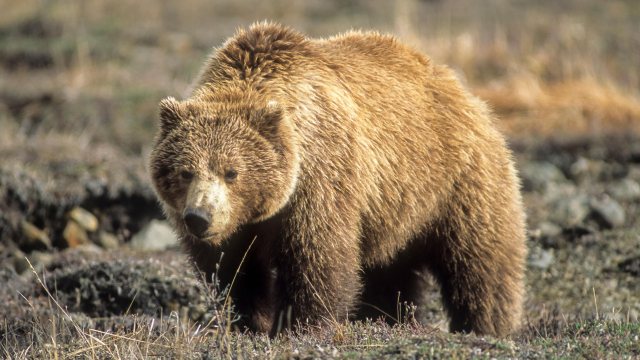
After more than a decade of monitoring grizzly bear populations in Banff National Park, findings were recently published in the journal Ecosphere. The park’s grizzly bear population increased from approximately 64 individuals between 2012 and 2014, to 71 between 2021 and 2023. However, grizzly bear density within four kilometres of paved roads declined by 56%, likely due to higher mortality from vehicle and train collisions, combined with displacement by human activity. These findings highlight the need to safeguard critical habitat and manage human activity to support the long-term conservation of grizzly bears and other carnivores in the park.
Moving people sustainably
Transportation
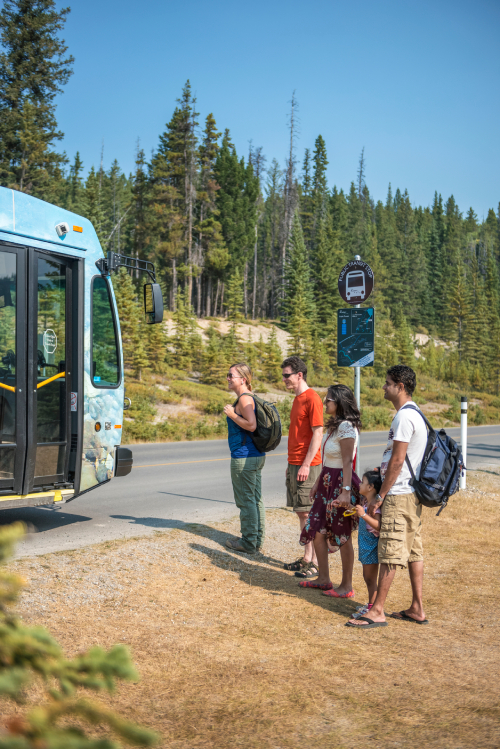
Parks Canada continued to support the Bow Valley Regional Transit Services Commission and partnered on paid marketing communications campaigns to promote public transportation. These efforts helped Roam Public Transit achieve record ridership of 2,294,048 passengers within Banff National Park, a 12% increase over 2024.
For a third consecutive year, Parks Canada also managed the Park and Ride initiative at Lake Minnewanka, to help visitors travel more sustainably, reduce congestion, and improve the visitor experience.
Lake Louise is one of the most popular and congested areas of the park. To mitigate congestion, Moraine Lake Road has been closed to personal vehicles since 2023. In 2025, 115,019 vehicles (two-way) were recorded on Moraine Lake Road between June 1 and October 31, representing an increase of 34% over 2023 and 4% over 2024. The Parks Canada shuttles to Lake Louise and Moraine Lake had 1,069,351 rides. To ease the process, access to both lakes was combined into one reservation.
Parking and Traffic Management
Given the high levels of visitation in the peak summer period, Parks Canada prioritized effective parking and traffic management, clear visitor information, and compliance measures at busy day-use areas. Lessons learned this year will inform visitor use management strategies for summer 2026 and beyond.
Improvements to parking and visitor access were made at key high-use areas across the park. The Fairview picnic area on Lake Louise Drive was refurbished and reconfigured in 2024, increasing available parking stalls from 40 to 70 for the 2025 summer season. At Moraine Lake and Upper Lake Louise, parking areas were also reconfigured to improve efficiency, and additional bike racks were installed. Parks Canada is now reviewing day-use parking along the Icefields Parkway to identify opportunities for further improvements.
Electric Vehicle Charging Stations
To support the transition to lower-emission transportation, Parks Canda has expanded electric vehicle (EV) infrastructure across the park. In Lake Louise, four EV chargers were installed at the Visitor Reception Centre and six at the Parks Canada Lake Louise Operations Compound. In Banff, an additional two public facing chargers were installed at the Banff Administration Building as well as twenty new chargers at the Banff Operations Compound. Fuel station leases in Lake Louise are being revised to include the fueling of zero-emission vehicles as a permitted use.
Bow Valley Parkway Cycling Experience
Parks Canada continued to promote active transportation by extending the Bow Valley Parkway Cycling Pilot for an additional 5-years (2025-2030). Seasonal vehicle restrictions create a 17-kilometre cycling route that offers a safe and memorable cycling experience for visitors.
Ridership has consistently grown, rising from 63,695 in 2022 to 93,311 in 2025, demonstrating strong and sustained public support for this initiative. Parks Canada will continue to address visitor experience, accessibility, safety, enforcement, and wildlife management concerns to support long-term, data-driven decisions for the pilot.

Providing true-to-place experiences
Paragliding and Hang Gliding Trial
In collaboration with the Hang Gliding and Paragliding Association of Canada (HPAC), Parks Canada launched a three-year trial program in May 2025 permitting non-motorized recreational hang gliding and paragliding within Banff National Park. To avoid disturbance to sensitive ecological and busy visitor use areas, specific parts of the park remain off-limits to launching or landing. Pilots must also be members of HPAC and are required to log flights to support monitoring and assessment of the trial.
Interpretive Programming
Interpretive content on Westslope Cutthroat Trout, Whitebark Pine, grizzly bears, wolverine, and pika was developed for a variety of interpretive programs, including guided hikes, activity stations, theatre programs, and geocaching. Species at risk outreach programming was delivered through the Calgary Zoo’s Campus Club program, and virtual content was delivered through the “Exploring by the Seat of Your Pants” program. These initiatives helped visitors and students connect with the park’s natural heritage while raising awareness of species at risk and conservation efforts.
Natural History Tour
The Cave and Basin National Historic Site launched the Natural History Tour, an hour-long guided experience that introduces visitors to the unique thermal marsh ecosystem surrounding the Cave and Basin hot springs. The tour helps visitors understand and appreciate the terraced landscape, geology, and ecology of the springs - an area that supports the highest levels of biodiversity in the park, including the endangered Banff Springs Snail found nowhere else in the world.
Indigenous-led Interpretive Programs
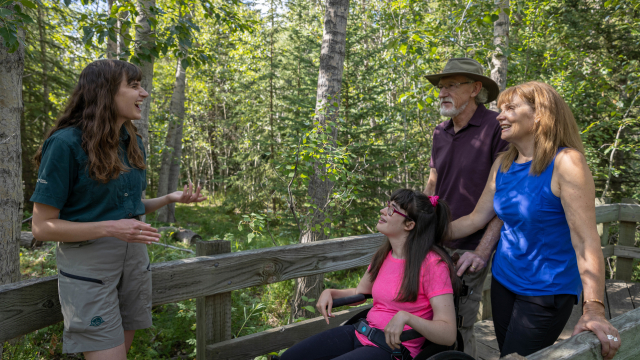
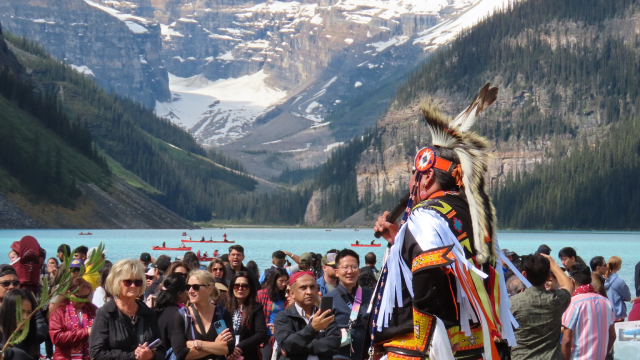
Another resounding highlight of 2025 was the delivery of Indigenous-led interpretive programs across the park.
Throughout summer 2025, Indigenous- led interpretive programs took place in Banff Avenue Square, at the Cave and Basin National Historic Site, Tunnel Mountain Campground, Lake Louise lakeshore and Moraine Lake.
Seven out of eight Banff National Park Indigenous Advisory Circle member Nations led activities including dance demonstrations, tipi raising and lowering, traditional arts and skills, jigging lessons, storytelling, traditional games demonstrations, singing and drumming, culture sharing, guided plant walks, photo opportunities, and question-and-answer sessions. Videos made with the Ktunaxa and Secwépemc were also shown in campgrounds at Lake Louise as part of the pre-show playlists.
These programs fostered reconnection to ancestral lands and deepened visitor understanding, with an estimated 28 program days consisting of 5,869 visitor contacts and 47 hours of cultural programming.
Strengthening indigenous relations
Indigenous Advisory Circle
The Indigenous Advisory Circle (IAC) continued to facilitate meaningful involvement of Indigenous Peoples in the management of Banff National Park. Key projects included the Cultural Modernization of the Cave and Basin, Lake Louise Interpretation, and the Bison Indigenous Guardians program.
The Cultural Modernization Working Group launched a public-facing project that will see Indigenous place names for the Cave and Basin National Historic Site prominently displayed on site. The IAC has also initiated an interpretive signage project that will feature Indigenous languages and perspectives at a prominent viewpoint in Banff National Park.
Planning is underway for an Indigenous-led exhibit to be installed in Lake Louise. IAC Nations also shared perspectives on truth-telling and content related to some dark chapters of Canada’s history through their Indigenous-led interpretive programs.
Restoring Cultural Connections
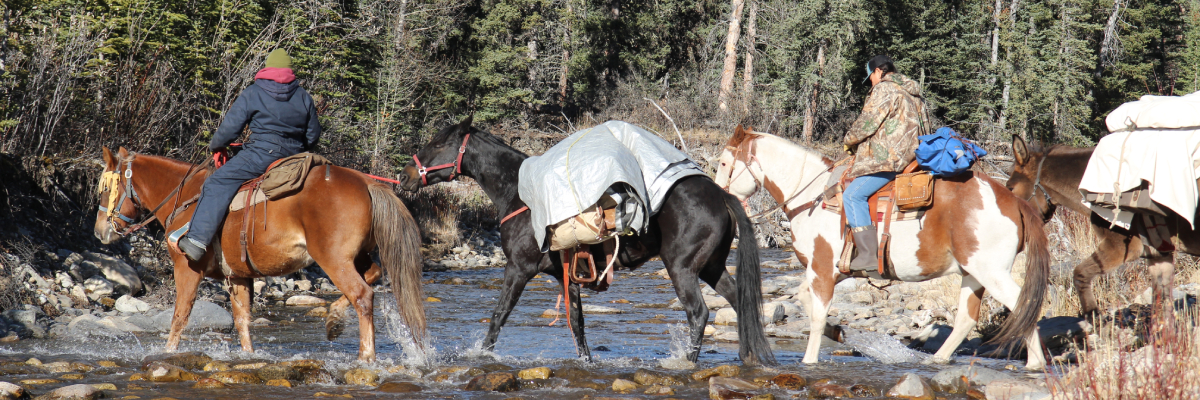
In response to the guidance and advice provided by the IAC, four cultural closures were held at the Cave and Basin National Historic Site, providing exclusive access for Indigenous gathering and ceremony around the solstice and equinox. Community members from all Treaty Seven Nations and the Rocky View Métis District of the Otipemisiwak Métis Government hosted ceremonies including smudges, sweats, pipe ceremonies, and a naming ceremony.
Connecting with canadians
Park Volunteering
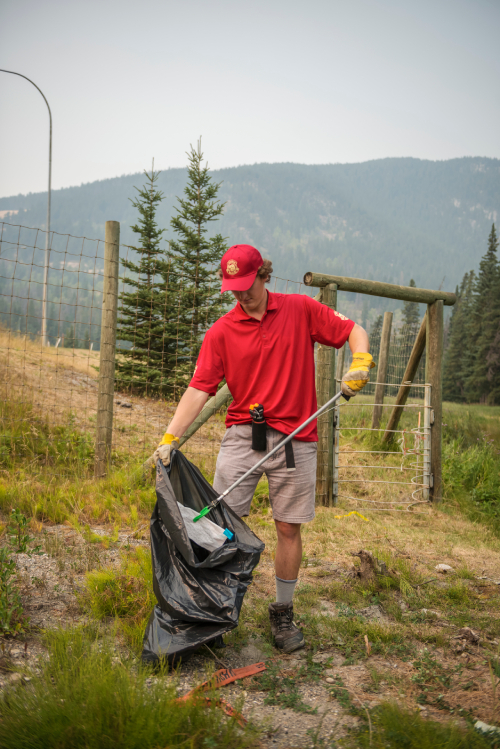
In 2025, the Banff National Park Volunteer Program welcomed a 30% increase in individual volunteers, who supported key projects related to human-wildlife coexistence, trail monitoring, and the annual TransCanada litter pick. Parks Canada staff, local businesses, and community members also participated in the Lake Louise annual litter pick, helping make the area a cleaner, greener place to live and visit.
Understanding Visitors
Parks Canada conducted surveys as part of the Visitor Information Program to better understand park visitors. 1,751 questionnaires were completed with statistically representative and significant results. The insights from these surveys will help Parks Canada make informed decisions about programs and services to ensure they continue to meet visitor needs.
Managing development
Land-Use Planning Regulations
New Land Use Planning Regulations were implemented across all national parks and national park reserves in Canada, replacing rules and fees that had not been updated in over 50 years. These regulations established a standardized decision-making framework for assessing projects, reinforcing Parks Canada’s commitment to a rigorous, transparent, and consistent review process. The framework respects local contexts, follows best practices, and supports the delivery of high-quality services as visitation and development pressures continue to grow.
Improving Icefields Parkway Visitor Facilities
Parks Canada is currently reviewing visitor facilities along a portion of the Icefields Parkway, including Bow Lake Day Use Area, Waterfowl Day Use Area, and Crowfoot Glacier Viewpoint. Work also includes the decommissioning of several pieces of derelict infrastructure at Waterfowl and Mosquito Creek Campgrounds, with demolitions scheduled for 2026. The intent of this project is to improve public safety and visitor experience at key locations while reducing operational and maintenance demands at lower priority locations. It also aims to reduce carbon emissions and minimize the landscape footprint in the northern region of the park.
Park communities
Banff Ave 200-Block Redevelopment
In June 2025, Parks Canada launched an international design competition, overseen by the Royal Architecture Institute of Canada, to develop a new conceptual design for the iconic 200-Block of Banff Avenue. Following a rigorous evaluation process, the top six pre-qualified teams were invited to submit conceptual designs, which were shared in early 2026 for public input. An independent jury will then evaluate the proposals, consider public feedback, and provide a final recommendation to Parks Canada.
Each team brings together a diverse range of expertise, including Indigenous knowledge weavers and visitor experience specialists, reflecting a commitment to design excellence, sustainability, and cultural awareness. The values and vision identified by Indigenous Peoples, stakeholders, and the public through previous engagement have been carefully incorporated into the materials provided to the six teams.
Lake Louise Wastewater Treatment Plant Rehabilitation
2025 marked the completion of a multi-year rehabilitation project to return the Lake Louise Wastewater Treatment Plant to its designed efficiency and capacity. This work will vastly improve the integrity of municipal services delivered in the community of Lake Louise.
Staff Housing Projects
As part of the Government of Canada’s priority to address housing shortages, two underutilized Parks Canada owned lots within the town of Banff have been identified for redevelopment into additional staff accommodation. Parks Canada and the Town of Banff have agreed to jointly redevelop the land located at 409/413 Squirrel Street, aiming to maximize the number of residential units being built while sharing project costs.
Recognizing the risks posed by wildfires and climate change, the cedar shake roofing on 39 units at the Saddleback Staff Accommodation in the community of Lake Louise were also replaced with fire-resistant roofing.
Regional connectivity and climate change
Banff National Park Climate Change Summary
In 2025, Parks Canada completed a climate change summary for Banff National Park with support from climate change specialists at the Parks Canada National Office. The summary provides an overview of projected changes in key climate variables under different emissions scenarios for the period 2051–2080. Climate change is expected to affect all areas of Parks Canada’s responsibility, including ecosystem health, infrastructure, and visitor experience. Understanding projected climate trends will help staff anticipate potential impacts and support informed planning and adaptation decisions.
A climate change profile was also produced for Lake Minnewanka, providing more precise predictions for this popular area of the park. This will be an important reference for the ongoing Lake Minnewanka Area Plan project.
Climate Change Awareness
Parks Canada incorporated climate change content into theatre programs and activity stations around Lake Louise during the summer of 2025. Events marking the United Nations “International Year of the Glacier” were also supported in coordination with other mountain parks, highlighting the critical state of glaciers, snow, and ice, and raising awareness about the impacts of climate change.
Wildlife Connectivity Studies
Parks Canada contributed to two recently published studies examining regional wildlife connectivity.
The first study evaluated the performance of Canada-wide connectivity prediction models on 17 wildlife species. These broad predictive models inform land management decisions when species-specific models are not available. Results indicated that the models were accurate for valley-dwelling species like wolves but were less reliable for alpine species such as mountain goats and wolverines.
The second study analyzed grizzly bear movements from the United States border through Banff National Park, finding that highways, towns, and other developments reduced connectivity. Although grizzly bears tended to avoid roads, limited forage in their home ranges led more bears within the park to feed on grasses, berries, and forbs growing by roadsides, increasing the likelihood of human-wildlife conflict and risk of mortality.
Together, these findings highlight the importance of maintaining connected landscapes and applying predictive tools appropriately to support land management decisions.
Emergency Management Planning
The Parks Canada National Emergency Management Coordination Program was established in January 2025, focusing on proactive, all-hazard preparedness to protect visitors, staff, infrastructure, and ecological integrity. Banff National Park was supported with additional dedicated staff to develop draft emergency plans and deliver training. Emergency management planning, in coordination with partners and stakeholders, will continue to be advanced in 2026.
Management areas
Lake Louise Area
In 2024/2025, Parks Canada engaged with stakeholders and the public on key concepts for the Lake Louise Community Plan. Based on this feedback, a draft plan has been prepared and will be released in 2026 for public and Indigenous engagement. A strategic environmental assessment has also been completed, and a summary is included in the draft plan.
The Lake Louise Area Visitor Use Management Plan also progressed with the development of management strategies, actions, and monitoring measures. Preliminary Phase 2 stakeholder consultation was completed in June 2025, and public consultation began in February 2026, with the aim of finalizing the report for implementation later in the year.
Several trail changes in the Fairview Corridor were implemented to reduce trail redundancies in 2025. These changes will help to reduce human disturbance within the Fairview Wildlife Corridor while maintaining essential trail connectivity between the community and Upper Lake Louise.
Lake Minnewanka Area
In 2025, Parks Canada concluded the first phase of public, stakeholder, and Indigenous engagement to inform planning scope and direction for development of the Lake Minnewanka Area Plan. Extensive input was gathered across a range of perspectives and summarized into a What We Heard Report, scheduled for public release in early 2026. A Background Report, compiling existing knowledge and current conditions across priority topics, was also advanced over 2025. The Background Report helps to builds a shared understanding of the area as it is today, before moving into future planning. In 2026, the area planning process will progress from background, scoping, and assessment to drafting the plan. Through the Lake Minnewanka Area Plan, clear site-specific management direction with actionable measures will be developed to guide the long-term stewardship of this special place.
- Date modified :