

The Dikes of the canal
Chambly Canal National Historic Site
A Key Element of the Chambly Canal
Did you know that Parks Canada manages 14 dams at the Chambly Canal National Historic Site? This canal, which stretches nearly 20 km between Chambly and Saint-Jean-sur-Richelieu, is much more than just a waterway for boats. It relies on infrastructure made up of locks, weirs, and earthen dikes that play a crucial role in water management.
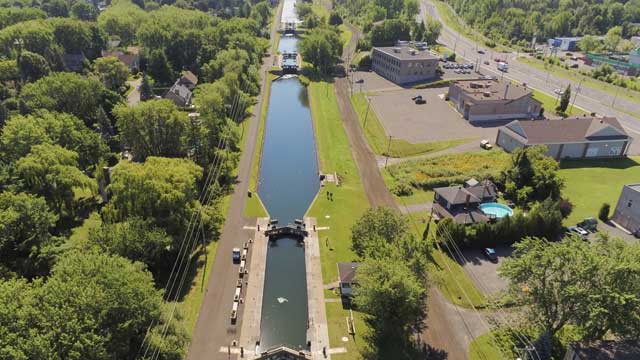
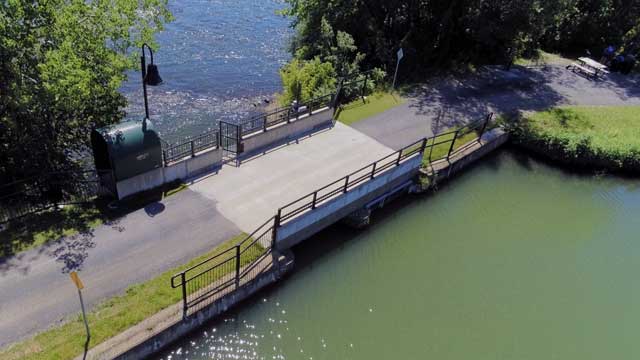
Among these structures, dikes are essential. They function like dams, maintaining water levels in the canal to ensure safe navigation and helping to prevent flooding along this historic waterway. In this way, the dikes support recreational boating while ensuring the safety of surrounding communities.
Why are the dikes so important?
Dikes serve several vital purposes:
- Water level regulation: They maintain a stable water height for navigation and recreational activities, enabling vessels to overcome the 24-meter elevation difference between the Richelieu River at Saint-Jean-sur-Richelieu and the Chambly Basin.
- Heritage preservation: They help conserve a historic site visited by tens of thousands of people each year. Built in the 19th century during the construction of the canal, the dikes are valuable witnesses to the past!
- User safety: Whether you're a boater, cyclist, hiker, or resident, the integrity of the dikes is essential to your safety.
Simple actions to help protect the dikes
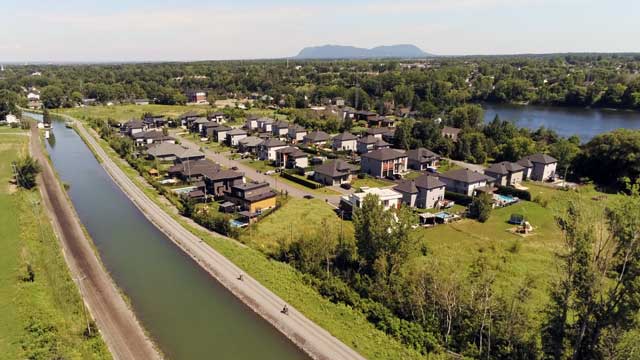
Everyone has a role to play in preserving the dikes! Here are some best practices to help maintain their durability:
- Avoid using unauthorized motorized vehicles on the dikes: These can damage the structure and weaken the soil.
- Do not plant trees or shrubs on the dikes: Their roots can cause cracks and undermine stability.
- Do not dig: Any alteration to the dikes can compromise their safety.
- Do not install any equipment: Even surface-level installations can hinder monitoring and inspection efforts.
- Stay on designated trails: This helps protect the vegetation that shields against erosion.
A shared heritage to preserve
The dikes of the Chambly Canal National Historic Site are part of a precious legacy. Their sound condition ensures a safe and enjoyable place for everyone—residents, visitors, and outdoor enthusiasts alike. By adopting responsible behaviors, we help protect this heritage gem and ensure it endures for generations to come.
Related links
- Date modified :