
Clear Your Gear
Sault Ste. Marie Canal National Historic Site
By Elia Marini
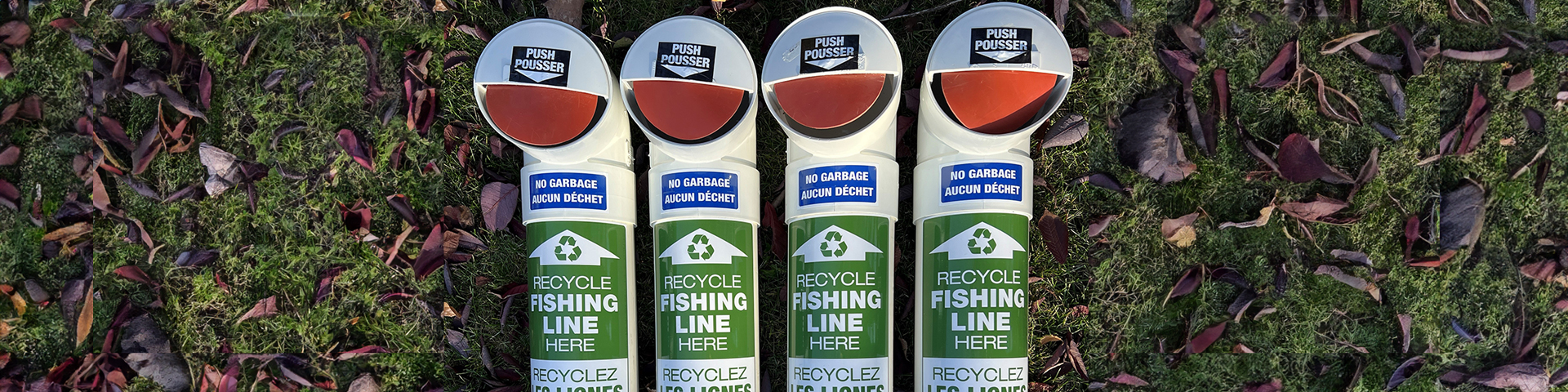
Sault Ste. Marie is launching a 'Clear Your Gear' initiative to protect St. Mary's River fishing habitat at Whitefish Island and the Sault Ste. Marie Canal National Historic Site. Receptacles will be placed at popular fishing spots for proper disposal of fishing lines, preventing harm to waterways and wildlife.
The St. Mary’s Rapids, also known as Bawaating by the Anishinaabe People, have long been an important fishing resource. The abundance of fish supported First Nation and Métis people who have harvested fish from these waters for their families and communities for generations. Today, thousands of anglers come to the rapids in search of premier fishing experiences.
The St. Mary’s Rapids are a critical area for various fish species and other wildlife. Discarded fishing lines, often left in the water due to snagging or breakage, pose serious challenges to wildlife like birds or turtles, which may ingest or become entangled in the lines.
Parks Canada, Tourism Sault Ste. Marie, and Batchewana First Nation, with the support of the City of Sault Ste. Marie’s Green Initiative Fund, invested in the ‘Clear your Gear’ project. This project aims to mitigate the impact of improperly disposed fishing lines. Typically, fishing lines are made of a single strand of strong, flexible plastic that can persist in the environment for centuries - as long as 600 years!
Seven 'Clear Your Gear' fishing line receptacles will be strategically positioned around the Sault Ste. Marie Canal and Whitefish Island. These receptacles serve as dedicated disposal points for waste fishing lines, where Parks Canada volunteers and staff can collect the lines and remove hooks, leaders, weights, and other debris before sending them to ‘Clear Your Gear’ for recycling. The collected fishing lines are recycled into raw plastic pellets that will find new life as various plastic products, ranging from tackle boxes to fish habitats and toys.
This approach will not only keep fishing lines out of waterways, but will also contribute to reducing landfill waste, aligning with the broader goal of promoting sustainable tourism, and ensuring the safety of wildlife and residents from the hazards of discarded fishing lines. Please help us by depositing used or broken lines into the provided receptacles.
- Date modified :