
2022 Artifacts
Wrecks of HMS Erebus and HMS Terror National Historic Site
Recovered from HMS Erebus, on lower deck
September 2022
ᑕᖅᓴᓄᑦ ᐸᓕᐊᖑᔭᖅ ᐱᔭᐅᓯᒪᔪᖅ ᐅᒦᔭᕈᑕᐅᔪᕕᓂᖅ ᑯᐄᓐ ᐅᒥᐅᖁᑖ ᐃᕆᐸᔅ, ᐊᑦᑎᓂᒃᓴᖓᓂ ᐊᒥᕋᐃᔭᕐᕕᒃ ᐸᖕᓂᕐᓄᑦ 2022
ᓯᑎᐱᕆ 2022
Watercolour Palette
-
Where was this artifact found?
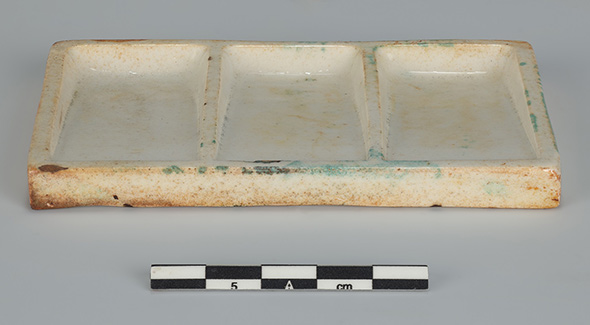
This watercolour palette was discovered on the lower deck of Erebus, in the presumed Captain’s Steward’s pantry.
-
What material is this artifact made of?
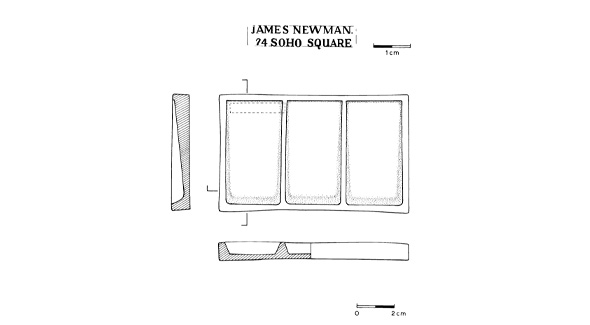
It is made of a whiteware or refined white earthenware. A maker’s mark on the underside reads “James Newman 24 Soho Square”.
-
What was this artifact used for?
This watercolour palette is of a type commonly found in artist’s boxes of the period. It has three wells to hold different colours. This palette was likely a personal possession, from an officer's artist box.
-
What do we know about this artifact?
James Newman was one of the leading artists’ supply firms in London, located at 24 Soho Square from 1801 to 1937. Many officers on the expedition were skilled artists. The palette may have been used for recreational painting purposes or for the creation of colour illustrations for scientific purposes, or to document the ship’s voyage.
Watercolour Palette
-
Where was this artifact found?
This watercolour palette was discovered on the lower deck of Erebus, in the presumed Captain’s Steward’s pantry.
-
What material is this artifact made of?
It is made of a whiteware or refined white earthenware. A maker’s mark on the underside reads “James Newman 24 Soho Square”.
-
What was this artifact used for?
This watercolour palette is of a type commonly found in artist’s boxes of the period. It has three wells to hold different colours. This palette was likely a personal possession, from an officer's artist box.
-
What do we know about this artifact?
James Newman was one of the leading artists’ supply firms in London, located at 24 Soho Square from 1801 to 1937. Many officers on the expedition were skilled artists. The palette may have been used for recreational painting purposes or for the creation of colour illustrations for scientific purposes, or to document the ship’s voyage.
ᑕᖅᓴᓄᑦ ᐸᓕᐊᖑᔭᖅ
-
ᓇᑭᑦ ᐅᓇ ᐃᑦᑕᕐᓂᑕᖅ ᓇᓂᔭᐅᕙ?
ᑕᖅᓴᓄᑦ ᐸᓕᐊᖑᔭᖅ ᓇᖮᕚᖅᑖ ᐅᒥᐊᕐᖪᐊᖅ ᐃᕆᐸᔅ ᐊᑦᑎᓂᒃᓴᖓᓂ, ᑳᐱᑕᐅᑉ ᓯᑑᕗᑦ ᐱᖁᑎᑯᕕᖓᓃᑦᑐᒋᔭᒥᓂᖅ.
-
ᑭᓱᒥᑦ ᓴᓇᓯᒪᔪᖅ ᐅᓇ ᐃᑦᑕᕐᓂᑕᖅ?
ᓴᓇᓯᒪᔪᖅ ᖃᑯᖅᑕᐅᓪᓗᓂ ᔭᕐᕋᖅ ᒪᕐᕋᓴᔭᐅᓪᓗᓂᓘᓐᓃᑦ. ᓴᓇᔪᒥᓂᖅ ᓇᓗᓇᐃᒃᑯᑎᖃᖅᑐᓂ ᐃᒫᒃ “James Newman 24 Soho Square”.
-
ᑭᓱᒧᑦ ᐅᓇ ᐃᑦᑕᕐᓂᑕᖅ ᐊᑐᖅᑕᐆᓲᕕᓂᖅ?
ᑕᖅᓴᓄᑦ ᐸᓕᐊᖑᔭᖅ ᐃᑦᑎᕐᕕᐅᔭᑲᓪᓚᒦᖃᑦᑕᖅᑐᒥᓃᑦ ᓴᓇᔨᓄᑦ. ᐱᖓᕼᐅᓂᒃ ᐳᑐᖃᖅᑐᑎᑦ ᑕᖅᓴᑯᕕᖏᑦ ᐊᔾᔨᒌᓐᖏᑦᑐᓄᑦ. ᑖᓐᓇ ᐸᓕᐊᖑᔭᖅ ᓇᒻᒥᓂᕆᔭᐅᔪᖅᓴᐅᔪᒥᓂᖅ, ᐅᒥᐊᕐᖪᐊᖅ ᐃᖅᑲᓇᐃᔭᖅᑎᐅᑉ ᐃᑦᑎᕐᕕᐅᔭᑲᓪᓚᖓᓂᒃ.
-
ᖃᓄᖅ ᖃᐅᔨᒪᔭᐅᕙ ᐅᓇ ᐃᑦᑕᕐᓂᑕᖅ?
ᔭᐃᒻᔅ ᓅᒪᓐ ᐊᒥᐊᕆᔨᓗᐊᑕᕆᔭᐅᓚᐅᖅᓯᒪᔪᖅ ᓱᓇᒃᑯᑖᖃᖅᑐᓂ ᓚᓐᑕᒻᒥ, ᑕᐃᑲᓂ 24 ᓱᕼᐅ ᓱᑯᐃᓪ 1801−ᒥ 1937−ᒧ. ᐊᒥᓱᑦ ᐃᖅᑲᓇᐃᔭᖅᑏᑦ ᐅᒥᐊᕐᖪᐊᕐᒥ ᐊᐅᓪᓚᖅᓯᒪᔪᑦ ᐊᒥᐊᕆᔪᓐᓇᓚᐅᕐᒥᔪᑦ. ᐊᒥᐊᕆᔾᔪᑏᑦ ᐊᑐᖅᑕᐅᖃᑦᑕᖅᑐᒥᓃ ᒥᖑᐊᖅᑖ ᖁᕕᐊᓲᑕᐅᓪᓗᓂ, ᑕᐃᒪᓘᓐᓃᑦ ᖃᐅᔨᓴᕐᓂᖏᓐᓄᑦ ᐊᑐᖅᑐᑎᓪᓘᓐᓂᑦ, ᑕᐃᒪᓘᓐᓃᑦ ᑎᑎᕋᖅᑐᑎᓪᓘᓐᓃᑦ ᐅᒥᐊᕐᔪᐊᑉ ᐃᖏᕐᕋᓂᖓᓂ.
ᑕᖅᓴᓄᑦ ᐸᓕᐊᖑᔭᖅ
-
ᓇᑭᑦ ᐅᓇ ᐃᑦᑕᕐᓂᑕᖅ ᓇᓂᔭᐅᕙ?
ᑕᖅᓴᓄᑦ ᐸᓕᐊᖑᔭᖅ ᓇᖮᕚᖅᑖ ᐅᒥᐊᕐᖪᐊᖅ ᐃᕆᐸᔅ ᐊᑦᑎᓂᒃᓴᖓᓂ, ᑳᐱᑕᐅᑉ ᓯᑑᕗᑦ ᐱᖁᑎᑯᕕᖓᓃᑦᑐᒋᔭᒥᓂᖅ.
-
ᑭᓱᒥᑦ ᓴᓇᓯᒪᔪᖅ ᐅᓇ ᐃᑦᑕᕐᓂᑕᖅ?
ᓴᓇᓯᒪᔪᖅ ᖃᑯᖅᑕᐅᓪᓗᓂ ᔭᕐᕋᖅ ᒪᕐᕋᓴᔭᐅᓪᓗᓂᓘᓐᓃᑦ. ᓴᓇᔪᒥᓂᖅ ᓇᓗᓇᐃᒃᑯᑎᖃᖅᑐᓂ ᐃᒫᒃ “James Newman 24 Soho Square”.
-
ᑭᓱᒧᑦ ᐅᓇ ᐃᑦᑕᕐᓂᑕᖅ ᐊᑐᖅᑕᐆᓲᕕᓂᖅ?
ᑕᖅᓴᓄᑦ ᐸᓕᐊᖑᔭᖅ ᐃᑦᑎᕐᕕᐅᔭᑲᓪᓚᒦᖃᑦᑕᖅᑐᒥᓃᑦ ᓴᓇᔨᓄᑦ. ᐱᖓᕼᐅᓂᒃ ᐳᑐᖃᖅᑐᑎᑦ ᑕᖅᓴᑯᕕᖏᑦ ᐊᔾᔨᒌᓐᖏᑦᑐᓄᑦ. ᑖᓐᓇ ᐸᓕᐊᖑᔭᖅ ᓇᒻᒥᓂᕆᔭᐅᔪᖅᓴᐅᔪᒥᓂᖅ, ᐅᒥᐊᕐᖪᐊᖅ ᐃᖅᑲᓇᐃᔭᖅᑎᐅᑉ ᐃᑦᑎᕐᕕᐅᔭᑲᓪᓚᖓᓂᒃ.
-
ᖃᓄᖅ ᖃᐅᔨᒪᔭᐅᕙ ᐅᓇ ᐃᑦᑕᕐᓂᑕᖅ?
ᔭᐃᒻᔅ ᓅᒪᓐ ᐊᒥᐊᕆᔨᓗᐊᑕᕆᔭᐅᓚᐅᖅᓯᒪᔪᖅ ᓱᓇᒃᑯᑖᖃᖅᑐᓂ ᓚᓐᑕᒻᒥ, ᑕᐃᑲᓂ 24 ᓱᕼᐅ ᓱᑯᐃᓪ 1801−ᒥ 1937−ᒧ. ᐊᒥᓱᑦ ᐃᖅᑲᓇᐃᔭᖅᑏᑦ ᐅᒥᐊᕐᖪᐊᕐᒥ ᐊᐅᓪᓚᖅᓯᒪᔪᑦ ᐊᒥᐊᕆᔪᓐᓇᓚᐅᕐᒥᔪᑦ. ᐊᒥᐊᕆᔾᔪᑏᑦ ᐊᑐᖅᑕᐅᖃᑦᑕᖅᑐᒥᓃ ᒥᖑᐊᖅᑖ ᖁᕕᐊᓲᑕᐅᓪᓗᓂ, ᑕᐃᒪᓘᓐᓃᑦ ᖃᐅᔨᓴᕐᓂᖏᓐᓄᑦ ᐊᑐᖅᑐᑎᓪᓘᓐᓂᑦ, ᑕᐃᒪᓘᓐᓃᑦ ᑎᑎᕋᖅᑐᑎᓪᓘᓐᓃᑦ ᐅᒥᐊᕐᔪᐊᑉ ᐃᖏᕐᕋᓂᖓᓂ.
Recovered from HMS Erebus, on lower deck
September 2022
ᐅᖃᓕᒪᒐᐅᑉ ᓯᓚᑖ ᐱᕆᓯᒪᑐᐃᓐᓇᖅ-ᑐᓪᓘᓐᓃᑦ ᐊᓕᕋᕈᖅ ᐱᔭᐅᓯᒪᔪᑦ ᐅᒦᔭᕈᑕᐅᔪᕕᓂᖅ ᑯᐄᓐ ᐅᒥᐅᖁᑖ ᐃᕆᐸᔅ, ᐊᑦᑎᓂᒃᓴᖓᓂ ᐊᒥᕋᐃᔭᕐᕕᒃ ᐸᖕᓂᕐᓄᑦ 2022
ᓯᑎᐱᕆ 2022
Book Cover or Folio
-
Where was this artifact found?
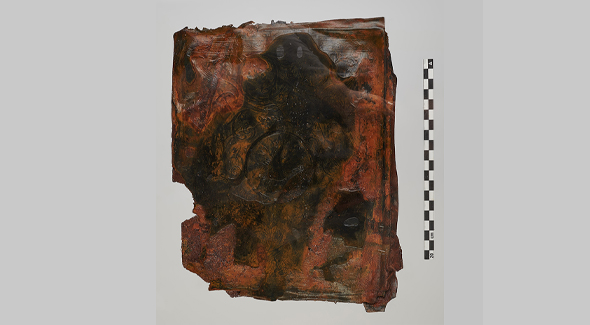
This leather book cover or folio was discovered on the lower deck of Erebus, in the presumed Captain’s Steward’s Pantry.
-
What material is this artifact made of?
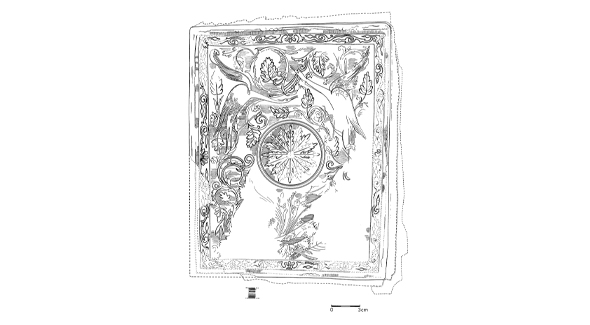
The object is made of embossed leather, produced using a heated, engraved plate pressed onto the leather rather than being hand tooled. Conservation treatment will reveal if any paper or interior contents have survived.
-
What was this artifact used for?
The original owner of the artifact is unknown, but it may have belonged to an officer or Captain’s Steward Edmund Hoar. When recovered, part of a small feather or quill was visible protruding near the spine.
-
What do we know about this artifact?
The book cover or folio is decorated on both sides with an elaborate, embossed arabesque design depicting three or four long-legged birds, likely cranes, within a dense foliage of leaves and ferns. Erebus and Terror were amply supplied with written material. Together, the libraries of both vessels contained approximately 3,000 books and magazines, including technical manuals, accounts from previous expeditions, bibles, plays, and novels for the officers and crew.
Book Cover or Folio
-
Where was this artifact found?
This leather book cover or folio was discovered on the lower deck of Erebus, in the presumed Captain’s Steward’s Pantry.
-
What material is this artifact made of?
The object is made of embossed leather, produced using a heated, engraved plate pressed onto the leather rather than being hand tooled. Conservation treatment will reveal if any paper or interior contents have survived.
-
What was this artifact used for?
The original owner of the artifact is unknown, but it may have belonged to an officer or Captain’s Steward Edmund Hoar. When recovered, part of a small feather or quill was visible protruding near the spine.
-
What do we know about this artifact?
The book cover or folio is decorated on both sides with an elaborate, embossed arabesque design depicting three or four long-legged birds, likely cranes, within a dense foliage of leaves and ferns. Erebus and Terror were amply supplied with written material. Together, the libraries of both vessels contained approximately 3,000 books and magazines, including technical manuals, accounts from previous expeditions, bibles, plays, and novels for the officers and crew.
ᐅᖃᓕᒪᒐᐅᑉ ᓯᓚᑖ ᐱᕆᓯᒪᑐᐃᓐᓇᖅᑐᕐᓘ-ᓐᓃᑦ ᐊᓕᕋᕈᖅ
-
ᓇᑭᑦ ᐅᓇ ᐃᑦᑕᕐᓂᑕᖅ ᓇᓂᔭᐅᕙ?
ᐅᓇ ᐊᒥᖅ ᓯᓚᐱᐊᒥᓂᖅ ᐱᕆᓯᒪᑐᐃᓐᓇᖅᑐᓪᓘᓐᓃᑦ ᐊᓕᕋᕈᖅ ᓇᓂᔭᒥᓂ ᐅᒥᐊᕐᖪᐊᑉ ᐃᕆᐸᔅ ᐊᑦᑎᓂᒃᓴᖓᓂ, ᑲᑉᑕᓐ ᓯᑑᕗᑦ ᓂᕿᖃᕐᕕᖓᓃᑦᑐᒋᔭᐅᔪᖅ.
-
ᑭᓱᒥᑦ ᓴᓇᓯᒪᔪᖅ ᐅᓇ ᐃᑦᑕᕐᓂᑕᖅ?
ᑖᓐᓇ ᐃᑦᑕᕐᓂᓴᖅ ᑭᐊ ᐱᒋᓐᓂᕐᒪᖔᒍ ᓇᓗᒋᔭᖅ, ᑭᓯᐊᓂ ᐃᖅᑲᓇᐃᔭᖅᑎᒧᑦ ᐅᒥᐊᕐᖪᐊᒥ ᑳᐱᑕᒧᓪᓘᓐᓃᑦ ᓯᑑᕗᑦ ᐃᐊᑦᒪᓐ ᕼᐅᐊᕐ ᐱᒋᑐᐃᓐᓇᕆᐊᓕᖓ. ᐱᔭᐅᒻᒪᑦ, ᐃᓚᖓ ᓱᓗᕋᓛᖅ ᑕᐃᒪᓘᓐᓃᑦ ᑭᖑᖅᐸᒥᓂᖅ ᑕᑯᔅᓴᐅᓪᓗᓂ ᕿᒥᕐᓗᖓᑕ ᖃᓂᖓᓂ.
-
ᑭᓱᒧᑦ ᐅᓇ ᐃᑦᑕᕐᓂᑕᖅ ᐊᑐᖅᑕᐆᓲᕕᓂᖅ?
ᑕᖅᓴᓄᑦ ᐸᓕᐊᖑᔭᖅ ᐃᑦᑎᕐᕕᐅᔭᑲᓪᓚᒦᖃᑦᑕᖅᑐᒥᓃᑦ ᓴᓇᔨᓄᑦ. ᐱᖓᕼᐅᓂᒃ ᐳᑐᖃᖅᑐᑎᑦ ᑕᖅᓴᑯᕕᖏᑦ ᐊᔾᔨᒌᓐᖏᑦᑐᓄᑦ. ᑖᓐᓇ ᐸᓕᐊᖑᔭᖅ ᓇᒻᒥᓂᕆᔭᐅᔪᖅᓴᐅᔪᒥᓂᖅ, ᐅᒥᐊᕐᖪᐊᖅ ᐃᖅᑲᓇᐃᔭᖅᑎᐅᑉ ᐃᑦᑎᕐᕕᐅᔭᑲᓪᓚᖓᓂᒃ.
-
ᖃᓄᖅ ᖃᐅᔨᒪᔭᐅᕙ ᐅᓇ ᐃᑦᑕᕐᓂᑕᖅ?
ᐅᖃᓕᒪᒐᐅᑉ ᓯᓚᑖ ᐱᕆᓯᒪᑐᐃᓐᓇᖅᑐᕐᓘ-ᓐᓃᑦ ᐊᓕᕋᕈᖅ ᐊᓪᓚᔅᓯᒪᔪᖅ ᐃᓪᓗᑦᑐᑦ, ᓇᓗᓇᓐᖏᑦᑎᐊᖅᑐᑯᓗᓐᓂᑦ, ᑎᑎᖅᑐᒐᖅᓯᒪᔫᔮᖅᑐᓂᒃ ᐊᓪᓚᓕᒃ ᐱᖓᓱᑦ ᓯᑕᒪᓂᓪᓘᓐᓃᑦ ᑎᖕᒥᐊᑦ ᓂᐅᓖᑦ, ᓲᕐᓗ ᑕᑎᒡᒐᕐᔪᐊᓐᖑᐊᕐᓂᑦ, ᐆᔭᐅᔭᓂᒃ ᐃᕕᔅᓱᒐᓐᖑᐊᖃᖅᑐᓂ. ᐃᕆᐸᔅ ᐊᒻᒪᓗ ᑎᐅᕐᕈᕐ ᐅᖃᓕᒫᒐᑦᑕᓕᐊᓘᓚᐅᖅᓯᒪᔪᑦ, ᐊᒻᒪᓗ ᐅᖃᓕᒫᒐᖃᕐᕕᖃᖅᑐᑎᑦ. ᑕᒪᒃᑮᒃ ᐅᒥᐊᕐᖪᐊᒃ, ᑕᒪᓂᖃᐃ 3,000−ᖏᓐᓃᑦᑐᓂᒃ ᐅᖃᓕᒫᒐᕐᓂᑦ ᒪᒃᐱᕌᖅᓂᓪᓗ, ᐊᓯᖏᓐᓂᓪᓗ ᒪᓕᒐᕐᓂᑦ, ᐅᓂᒃᑳᕐᓂᑦ ᐊᐅᓪᓚᖅᓯᒪᓂᕆᓚᐅᖅᓯᒪᔭᖏᓐᓂ ᐊᓯᐊᓂ, ᐸᐃᑉᐹᖁᑎᓂᒃ, ᐱᓐᖑᐊᖅᑎᓄᑦ ᒪᓕᒐᕐᓂᑦ ᐅᓂᒃᑳᑐᐃᓐᓇᕐᓂᓪᓗ ᐃᖅᑲᓇᐃᔭᖅᑏᑦ ᐅᒥᐊᕐᖪᐊᒥ ᐊᑐᐃᓐᓇᐅᓪᓗᑎᑦ.
ᐅᖃᓕᒪᒐᐅᑉ ᓯᓚᑖ ᐱᕆᓯᒪᑐᐃᓐᓇᖅᑐᕐᓘ-ᓐᓃᑦ ᐊᓕᕋᕈᖅ
-
ᓇᑭᑦ ᐅᓇ ᐃᑦᑕᕐᓂᑕᖅ ᓇᓂᔭᐅᕙ?
ᐅᓇ ᐊᒥᖅ ᓯᓚᐱᐊᒥᓂᖅ ᐱᕆᓯᒪᑐᐃᓐᓇᖅᑐᓪᓘᓐᓃᑦ ᐊᓕᕋᕈᖅ ᓇᓂᔭᒥᓂ ᐅᒥᐊᕐᖪᐊᑉ ᐃᕆᐸᔅ ᐊᑦᑎᓂᒃᓴᖓᓂ, ᑲᑉᑕᓐ ᓯᑑᕗᑦ ᓂᕿᖃᕐᕕᖓᓃᑦᑐᒋᔭᐅᔪᖅ.
-
ᑭᓱᒥᑦ ᓴᓇᓯᒪᔪᖅ ᐅᓇ ᐃᑦᑕᕐᓂᑕᖅ?
ᑖᓐᓇ ᐃᑦᑕᕐᓂᓴᖅ ᑭᐊ ᐱᒋᓐᓂᕐᒪᖔᒍ ᓇᓗᒋᔭᖅ, ᑭᓯᐊᓂ ᐃᖅᑲᓇᐃᔭᖅᑎᒧᑦ ᐅᒥᐊᕐᖪᐊᒥ ᑳᐱᑕᒧᓪᓘᓐᓃᑦ ᓯᑑᕗᑦ ᐃᐊᑦᒪᓐ ᕼᐅᐊᕐ ᐱᒋᑐᐃᓐᓇᕆᐊᓕᖓ. ᐱᔭᐅᒻᒪᑦ, ᐃᓚᖓ ᓱᓗᕋᓛᖅ ᑕᐃᒪᓘᓐᓃᑦ ᑭᖑᖅᐸᒥᓂᖅ ᑕᑯᔅᓴᐅᓪᓗᓂ ᕿᒥᕐᓗᖓᑕ ᖃᓂᖓᓂ.
-
ᑭᓱᒧᑦ ᐅᓇ ᐃᑦᑕᕐᓂᑕᖅ ᐊᑐᖅᑕᐆᓲᕕᓂᖅ?
ᑕᖅᓴᓄᑦ ᐸᓕᐊᖑᔭᖅ ᐃᑦᑎᕐᕕᐅᔭᑲᓪᓚᒦᖃᑦᑕᖅᑐᒥᓃᑦ ᓴᓇᔨᓄᑦ. ᐱᖓᕼᐅᓂᒃ ᐳᑐᖃᖅᑐᑎᑦ ᑕᖅᓴᑯᕕᖏᑦ ᐊᔾᔨᒌᓐᖏᑦᑐᓄᑦ. ᑖᓐᓇ ᐸᓕᐊᖑᔭᖅ ᓇᒻᒥᓂᕆᔭᐅᔪᖅᓴᐅᔪᒥᓂᖅ, ᐅᒥᐊᕐᖪᐊᖅ ᐃᖅᑲᓇᐃᔭᖅᑎᐅᑉ ᐃᑦᑎᕐᕕᐅᔭᑲᓪᓚᖓᓂᒃ.
-
ᖃᓄᖅ ᖃᐅᔨᒪᔭᐅᕙ ᐅᓇ ᐃᑦᑕᕐᓂᑕᖅ?
ᐅᖃᓕᒪᒐᐅᑉ ᓯᓚᑖ ᐱᕆᓯᒪᑐᐃᓐᓇᖅᑐᕐᓘ-ᓐᓃᑦ ᐊᓕᕋᕈᖅ ᐊᓪᓚᔅᓯᒪᔪᖅ ᐃᓪᓗᑦᑐᑦ, ᓇᓗᓇᓐᖏᑦᑎᐊᖅᑐᑯᓗᓐᓂᑦ, ᑎᑎᖅᑐᒐᖅᓯᒪᔫᔮᖅᑐᓂᒃ ᐊᓪᓚᓕᒃ ᐱᖓᓱᑦ ᓯᑕᒪᓂᓪᓘᓐᓃᑦ ᑎᖕᒥᐊᑦ ᓂᐅᓖᑦ, ᓲᕐᓗ ᑕᑎᒡᒐᕐᔪᐊᓐᖑᐊᕐᓂᑦ, ᐆᔭᐅᔭᓂᒃ ᐃᕕᔅᓱᒐᓐᖑᐊᖃᖅᑐᓂ. ᐃᕆᐸᔅ ᐊᒻᒪᓗ ᑎᐅᕐᕈᕐ ᐅᖃᓕᒫᒐᑦᑕᓕᐊᓘᓚᐅᖅᓯᒪᔪᑦ, ᐊᒻᒪᓗ ᐅᖃᓕᒫᒐᖃᕐᕕᖃᖅᑐᑎᑦ. ᑕᒪᒃᑮᒃ ᐅᒥᐊᕐᖪᐊᒃ, ᑕᒪᓂᖃᐃ 3,000−ᖏᓐᓃᑦᑐᓂᒃ ᐅᖃᓕᒫᒐᕐᓂᑦ ᒪᒃᐱᕌᖅᓂᓪᓗ, ᐊᓯᖏᓐᓂᓪᓗ ᒪᓕᒐᕐᓂᑦ, ᐅᓂᒃᑳᕐᓂᑦ ᐊᐅᓪᓚᖅᓯᒪᓂᕆᓚᐅᖅᓯᒪᔭᖏᓐᓂ ᐊᓯᐊᓂ, ᐸᐃᑉᐹᖁᑎᓂᒃ, ᐱᓐᖑᐊᖅᑎᓄᑦ ᒪᓕᒐᕐᓂᑦ ᐅᓂᒃᑳᑐᐃᓐᓇᕐᓂᓪᓗ ᐃᖅᑲᓇᐃᔭᖅᑏᑦ ᐅᒥᐊᕐᖪᐊᒥ ᐊᑐᐃᓐᓇᐅᓪᓗᑎᑦ.

Recovered from HMS Erebus, on lower deck
September 2022
ᐃᑦᑕᕐᓂᓴᖅ ᐱᔭᐅᓯᒪᔪᑦ ᐅᒦᔭᕈᑕᐅᔪᕕᓂᖅ ᑯᐄᓐ ᐅᒥᐅᖁᑖ ᐃᕆᐸᔅ, ᐊᑦᑎᓂᒃᓴᖓᓂ ᐊᒥᕋᐃᔭᕐᕕᒃ ᐸᖕᓂᕐᓄᑦ 2022
ᓯᑎᐱᕆ 2022
Fossil
-
Where was this artifact found?
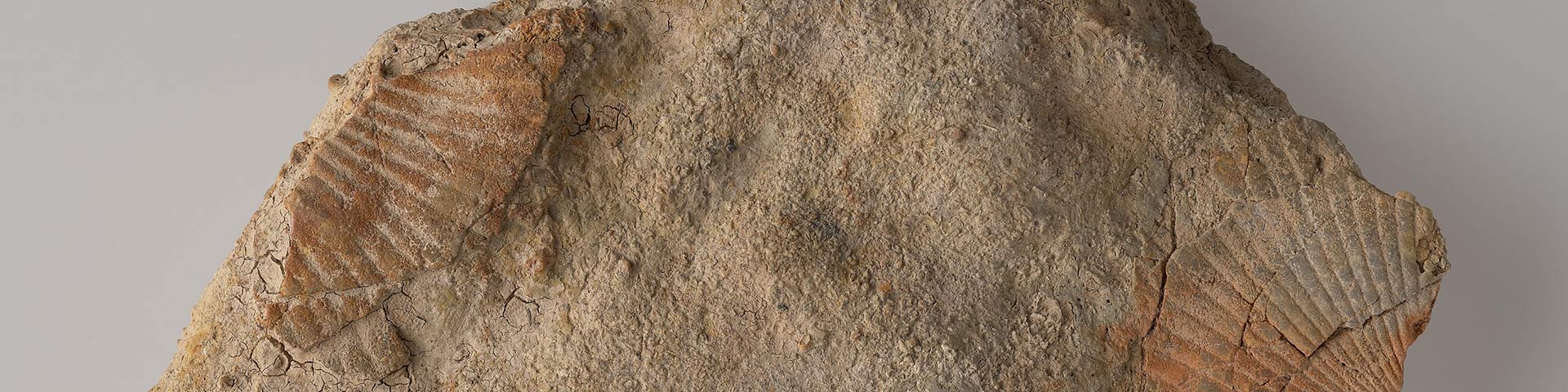
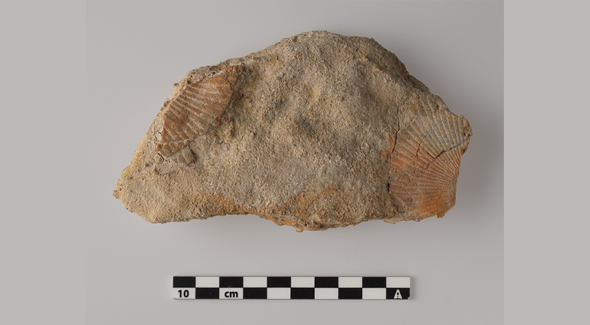
This fossil was discovered on the lower deck of Erebus, in the presumed cabin of Third Lieutenant James Walter Fairholme.
-
What material is this artifact made of?
Preliminary analysis by the Geological Survey of Canada (GSC) indicates that the fossil matrix is a crinoidal/echinoid pack-stone to grainstone, a type of limestone characterized by an abundance of marine invertebrate fragments. Portions of two bivalve or brachiopod shells are visible at opposite ends. Parks Canada and the GSC are working together to attempt to determine the geographic provenance of this and other geological samples which could shed light on the expedition’s route and activities.
-
What was this artifact used for?
The fossil may have been collected as a natural history specimen, either by Fairholme himself, or another member of the ship’s crew. The Admiralty’s instructions to Sir John Franklin directed him “to make use of every means in your power to collect and preserve specimens of the animal, mineral and vegetable kingdoms”.
-
What do we know about this artifact?
Crew members of Erebus and Terror were actively engaged in scientific work whenever possible, including collecting fossils and other natural history specimens.
Fossil
-
Where was this artifact found?
This fossil was discovered on the lower deck of Erebus, in the presumed cabin of Third Lieutenant James Walter Fairholme.
-
What material is this artifact made of?
Preliminary analysis by the Geological Survey of Canada (GSC) indicates that the fossil matrix is a crinoidal/echinoid pack-stone to grainstone, a type of limestone characterized by an abundance of marine invertebrate fragments. Portions of two bivalve or brachiopod shells are visible at opposite ends. Parks Canada and the GSC are working together to attempt to determine the geographic provenance of this and other geological samples which could shed light on the expedition’s route and activities.
-
What was this artifact used for?
The fossil may have been collected as a natural history specimen, either by Fairholme himself, or another member of the ship’s crew. The Admiralty’s instructions to Sir John Franklin directed him “to make use of every means in your power to collect and preserve specimens of the animal, mineral and vegetable kingdoms”.
-
What do we know about this artifact?
Crew members of Erebus and Terror were actively engaged in scientific work whenever possible, including collecting fossils and other natural history specimens.
ᐃᑦᑕᕐᓂᓴᖅ
-
ᓇᑭᑦ ᐅᓇ ᐃᑦᑕᕐᓂᑕᖅ ᓇᓂᔭᐅᕙ?
ᐅᓇ ᓇᖮᕚᖅᑖ ᐅᒥᐊᕐᖪᐊᑉ ᐃᕆᐸᔅ ᐊᑦᑎᓂᒃᓴᖓᓂ, ᑳᐱᑕᐅᖅᑲᐃ ᐃᑲᔪᖅᑎᖓᑕᓘᓐᓃᑦ ᐱᖓᔪᒋᔭᐅᔪᖅ ᐅᒥᐊᓕᑦᑕᐅᖅ ᔭᐃᒻᔅ ᐅᐊᑐ ᐱᐅᕼᐅᒻ.
-
ᑭᓱᒥᑦ ᓴᓇᓯᒪᔪᖅ ᐅᓇ ᐃᑦᑕᕐᓂᑕᖅ?
ᖃᐅᔨᓴᖅᑕᐅᑎᓪᓗᒍᑦ ᓄᓇᓕᕆᓂᕐᒧᑦ ᖃᐅᔨᓴᖅᑎᓄᑦ ᑲᓇᑕᒥ (ᖃᐅᔨᓴᖅᑎ) ᐅᖃᓚᐅᖅᑐᑦ ᐅᓇ ᐃᑦᑕᕐᓂᓴᖅ ᐆᒪᔪᓄᑦ ᐊᔾᔨᒌᓐᖏᑦᑐᓄᑦ ᕿᒥᕐᓗ ᑎᓯᑦᑎᓯᒪᔪᖅ ᐅᔭᕋᕈᖅᑐᓂ, ᐃᒪᕐᒥᐅᑕᓃᓐᖔᖅᓯᒪᔪᖅ ᐅᔭᕋᕈᖅᓯᒪᔪᖅ ᑎᓯᑦᑎᓯᒪᓂᖓᓄᑦ ᕿᒥᕐᓗᒥᓂᖅ ᐃᒪᕐᒥᐅᑕᕐᒧᑦ. ᐃᓚᖏᑦ ᒪᕐᕉᒃ ᐅᔭᕌᒃ ᑕᐃᒪᓘᓐᓃᑦ ᓴᐅᓂᓕᒥᓃᑦ ᑕᑯᔅᓴᐅᔪᑦ ᐃᓱᐊᓃᑦᑐᖅ. ᑲᓇᑕᒥ ᒥᕐᖑᐃᓯᕐᕕᒃ ᑲᓇᑕᒥ ᓄᓇᓕᕆᓂᕐᒧᑦ ᖃᐅᔨᓴᖅᑎᓪᓗ ᑲᓇᑕᒥ ᐱᓕᕆᖃᑎᒌᑦᑐᑦ ᖃᐅᔨᓇᓱᐊᖅᑐᑎᑦ ᑕᒪᒃᑯᓂᖓ ᐊᓯᖏᓐᓂᓪᓗ ᐃᑦᑕᕐᓂᓴᐅᔪᓂᒃ ᓄᒃᑕᖅᑎᑦ ᐊᖅᑯᑖᓂᑦ ᖃᓄᐃᓘᕐᓂᐅᔪᒥᓂᕐᓂᓪᓗ ᖃᐅᔨᓴᖅᓯᓐᓇᖅᑐᑦ.
-
ᑭᓱᒧᑦ ᐅᓇ ᐃᑦᑕᕐᓂᑕᖅ ᐊᑐᖅᑕᐆᓲᕕᓂᖅ?
ᐃᑦᑕᕐᓂᓴᖅ ᓄᐊᑕᐅᔪᑦ ᓄᓇᒥᓐᖔᖅᓯᒪᔪᑦ ᖃᐅᔨᓵᔅᓴᐃᑦ, ᑕᐃᔅᓱᒪᖃᐃ ᐱᐅᕼᐅᒻ ᓇᒻᒥᓂᖅ, ᑕᐃᒪᓘᓐᓃᑦ ᐊᓯᐊᓄᑦ ᐅᒥᐊᕐᖪᐊᕐᒥᐅᑕᕐᒧᑦ. ᐊᖏᔪᖅᑳᖓᑦᑕ ᐅᖃᐅᓯᒥᓂᖏᑦ ᓲ ᔮᓐ ᕗᕋᐃᖕᓕᓐ ᐅᖃᐅᔾᔨᓚᐅᖅᓯᒪᒻᒪᑦ “ᐊᑑᑎᖃᑦᑎᐊᖁᓪᓗᒋᑦ ᓴᓐᖏᓂᓕᒫᖏᓐᓂ ᓄᐊᑦᑎᓗᑎᑦ ᐱᐅᖅᓱᐊᕐᓗᑎᓪᓗ ᖃᐅᔨᓵᔅᓴᓂᒃ ᐆᒪᔪᓂᑦ, ᐅᔭᕋᕐᓂᑦ ᐱᕈᖅᑐᓂᓪᓗ”.
-
ᖃᓄᖅ ᖃᐅᔨᒪᔭᐅᕙ ᐅᓇ ᐃᑦᑕᕐᓂᑕᖅ?
ᐅᒥᐊᕐᖪᐊᕐᒥᐅᑦ ᐃᕆᐸᔅ ᐊᒻᒪᓗ ᑎᐅᕐᕈᕐ ᖃᐅᔨᓴᕈᒪᓚᐅᖅᓯᒪᒻᒪᑕ ᐊᔪᕐᓇᓐᖏᓂᓕᒫᖏᓐᓂ, ᓄᐊᑦᑎᓪᓗᑎ ᐃᑦᑕᕐᓂᓴᕐᓂᑦ ᐊᓯᖏᓐᓂᓪᓗ ᓄᓇᒦᓐᖔᖅᑐᓂᒃ ᐱᑐᖃᐅᔪᓂᒃ ᖃᐅᔨᓵᔅᓴᓂᒃ.
ᐃᑦᑕᕐᓂᓴᖅ
-
ᓇᑭᑦ ᐅᓇ ᐃᑦᑕᕐᓂᑕᖅ ᓇᓂᔭᐅᕙ?
ᐅᓇ ᓇᖮᕚᖅᑖ ᐅᒥᐊᕐᖪᐊᑉ ᐃᕆᐸᔅ ᐊᑦᑎᓂᒃᓴᖓᓂ, ᑳᐱᑕᐅᖅᑲᐃ ᐃᑲᔪᖅᑎᖓᑕᓘᓐᓃᑦ ᐱᖓᔪᒋᔭᐅᔪᖅ ᐅᒥᐊᓕᑦᑕᐅᖅ ᔭᐃᒻᔅ ᐅᐊᑐ ᐱᐅᕼᐅᒻ.
-
ᑭᓱᒥᑦ ᓴᓇᓯᒪᔪᖅ ᐅᓇ ᐃᑦᑕᕐᓂᑕᖅ?
ᖃᐅᔨᓴᖅᑕᐅᑎᓪᓗᒍᑦ ᓄᓇᓕᕆᓂᕐᒧᑦ ᖃᐅᔨᓴᖅᑎᓄᑦ ᑲᓇᑕᒥ (ᖃᐅᔨᓴᖅᑎ) ᐅᖃᓚᐅᖅᑐᑦ ᐅᓇ ᐃᑦᑕᕐᓂᓴᖅ ᐆᒪᔪᓄᑦ ᐊᔾᔨᒌᓐᖏᑦᑐᓄᑦ ᕿᒥᕐᓗ ᑎᓯᑦᑎᓯᒪᔪᖅ ᐅᔭᕋᕈᖅᑐᓂ, ᐃᒪᕐᒥᐅᑕᓃᓐᖔᖅᓯᒪᔪᖅ ᐅᔭᕋᕈᖅᓯᒪᔪᖅ ᑎᓯᑦᑎᓯᒪᓂᖓᓄᑦ ᕿᒥᕐᓗᒥᓂᖅ ᐃᒪᕐᒥᐅᑕᕐᒧᑦ. ᐃᓚᖏᑦ ᒪᕐᕉᒃ ᐅᔭᕌᒃ ᑕᐃᒪᓘᓐᓃᑦ ᓴᐅᓂᓕᒥᓃᑦ ᑕᑯᔅᓴᐅᔪᑦ ᐃᓱᐊᓃᑦᑐᖅ. ᑲᓇᑕᒥ ᒥᕐᖑᐃᓯᕐᕕᒃ ᑲᓇᑕᒥ ᓄᓇᓕᕆᓂᕐᒧᑦ ᖃᐅᔨᓴᖅᑎᓪᓗ ᑲᓇᑕᒥ ᐱᓕᕆᖃᑎᒌᑦᑐᑦ ᖃᐅᔨᓇᓱᐊᖅᑐᑎᑦ ᑕᒪᒃᑯᓂᖓ ᐊᓯᖏᓐᓂᓪᓗ ᐃᑦᑕᕐᓂᓴᐅᔪᓂᒃ ᓄᒃᑕᖅᑎᑦ ᐊᖅᑯᑖᓂᑦ ᖃᓄᐃᓘᕐᓂᐅᔪᒥᓂᕐᓂᓪᓗ ᖃᐅᔨᓴᖅᓯᓐᓇᖅᑐᑦ.
-
ᑭᓱᒧᑦ ᐅᓇ ᐃᑦᑕᕐᓂᑕᖅ ᐊᑐᖅᑕᐆᓲᕕᓂᖅ?
ᐃᑦᑕᕐᓂᓴᖅ ᓄᐊᑕᐅᔪᑦ ᓄᓇᒥᓐᖔᖅᓯᒪᔪᑦ ᖃᐅᔨᓵᔅᓴᐃᑦ, ᑕᐃᔅᓱᒪᖃᐃ ᐱᐅᕼᐅᒻ ᓇᒻᒥᓂᖅ, ᑕᐃᒪᓘᓐᓃᑦ ᐊᓯᐊᓄᑦ ᐅᒥᐊᕐᖪᐊᕐᒥᐅᑕᕐᒧᑦ. ᐊᖏᔪᖅᑳᖓᑦᑕ ᐅᖃᐅᓯᒥᓂᖏᑦ ᓲ ᔮᓐ ᕗᕋᐃᖕᓕᓐ ᐅᖃᐅᔾᔨᓚᐅᖅᓯᒪᒻᒪᑦ “ᐊᑑᑎᖃᑦᑎᐊᖁᓪᓗᒋᑦ ᓴᓐᖏᓂᓕᒫᖏᓐᓂ ᓄᐊᑦᑎᓗᑎᑦ ᐱᐅᖅᓱᐊᕐᓗᑎᓪᓗ ᖃᐅᔨᓵᔅᓴᓂᒃ ᐆᒪᔪᓂᑦ, ᐅᔭᕋᕐᓂᑦ ᐱᕈᖅᑐᓂᓪᓗ”.
-
ᖃᓄᖅ ᖃᐅᔨᒪᔭᐅᕙ ᐅᓇ ᐃᑦᑕᕐᓂᑕᖅ?
ᐅᒥᐊᕐᖪᐊᕐᒥᐅᑦ ᐃᕆᐸᔅ ᐊᒻᒪᓗ ᑎᐅᕐᕈᕐ ᖃᐅᔨᓴᕈᒪᓚᐅᖅᓯᒪᒻᒪᑕ ᐊᔪᕐᓇᓐᖏᓂᓕᒫᖏᓐᓂ, ᓄᐊᑦᑎᓪᓗᑎ ᐃᑦᑕᕐᓂᓴᕐᓂᑦ ᐊᓯᖏᓐᓂᓪᓗ ᓄᓇᒦᓐᖔᖅᑐᓂᒃ ᐱᑐᖃᐅᔪᓂᒃ ᖃᐅᔨᓵᔅᓴᓂᒃ.
Recovered from HMS Erebus, on lower deck
September 2022
ᐃᖮᒐᒃ ᐱᔭᐅᓯᒪᔪᑦ ᐅᒦᔭᕈᑕᐅᔪᕕᓂᖅ ᑯᐄᓐ ᐅᒥᐅᖁᑖ ᐃᕆᐸᔅ, ᐊᑦᑎᓂᒃᓴᖓᓂ ᐊᒥᕋᐃᔭᕐᕕᒃ ᐸᖕᓂᕐᓄᑦ 2022
ᓯᑎᐱᕆ 2022
Eyeglass Lens
-
Where was this artifact found?
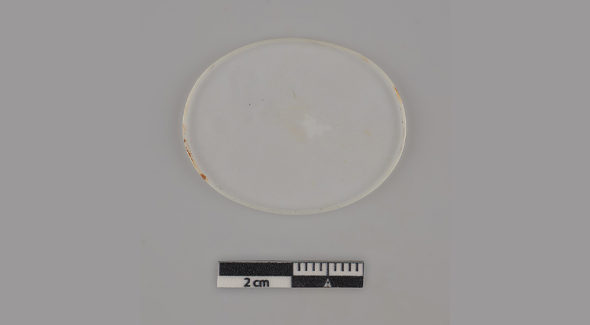
The eyeglass lens was discovered on the lower deck of Erebus, in the presumed cabin of Second Lieutenant Henry Thomas Dundas Le Vesconte.
-
What material is this artifact made of?
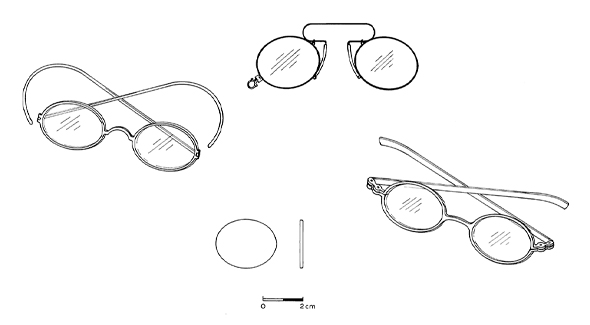
The lens is made of glass. The oval shape of the lens suggests it was from a pair of corrective eyeglasses.
-
What was this artifact used for?
Although it is not known if Le Vesconte wore eyeglasses, it is possible that the thin lanyard visible running across his waistcoat in his 1845 daguerreotype portrait may have secured a pair of spectacles, rather than a watch.
-
What do we know about this artifact?
The oval shape and colourless glass of the lens suggest it comes from a pair of spectacles used for correcting vision, rather than a scientific instrument or a pair of snow goggles. Several pairs of spectacles and spectacle lenses from the Franklin Expedition were retrieved from King William Island by 19th-century search expeditions (https://www.rmg.co.uk/collections/objects/rmgc-object-2177)
Eyeglass Lens
-
Where was this artifact found?
The eyeglass lens was discovered on the lower deck of Erebus, in the presumed cabin of Second Lieutenant Henry Thomas Dundas Le Vesconte.
-
What material is this artifact made of?
The lens is made of glass. The oval shape of the lens suggests it was from a pair of corrective eyeglasses.
-
What was this artifact used for?
Although it is not known if Le Vesconte wore eyeglasses, it is possible that the thin lanyard visible running across his waistcoat in his 1845 daguerreotype portrait may have secured a pair of spectacles, rather than a watch.
-
What do we know about this artifact?
The oval shape and colourless glass of the lens suggest it comes from a pair of spectacles used for correcting vision, rather than a scientific instrument or a pair of snow goggles. Several pairs of spectacles and spectacle lenses from the Franklin Expedition were retrieved from King William Island by 19th-century search expeditions (https://www.rmg.co.uk/collections/objects/rmgc-object-2177)
ᐃᖮᒐᒃ
-
ᓇᑭᑦ ᐅᓇ ᐃᑦᑕᕐᓂᑕᖅ ᓇᓂᔭᐅᕙ?
ᐃᖮᒐᒃ ᓇᖮᕚᖅᑖ ᐅᒥᐊᕐᔪᐊᑉ ᐃᕆᐸᔅ ᐊᑦᑎᓂᒃᓴᖓᓂ, ᐃᓱᒪᒋᔭᐅᓪᓗᑎᑦ ᐃᓪᓘᔭᖓᓂ ᑐᖏᓕᐅᔪ ᐅᒥᐊᓕᑦᑕᐅᖅ ᕼᐊᓐᓇᓕ ᑖᒫᔅ ᑕᓐᑕ ᓕ ᕕᔅᑲᐅᓐ.
-
ᑭᓱᒥᑦ ᓴᓇᓯᒪᔪᖅ ᐅᓇ ᐃᑦᑕᕐᓂᑕᖅ?
ᐃᖮᒐᒃ ᐃᖮᒐᓚᖑᔪᖅ. ᐊᒻᒪᓗᑭᑖᑯᑖᖑᓪᓗᑎᑦ ᑕᐅᑐᑦᑎᐊᖏᑦᑐᖅᓯᐅᑕᐅᓱᒋᔭᐅᓗᑎᑦ.
-
ᑭᓱᒧᑦ ᐅᓇ ᐃᑦᑕᕐᓂᑕᖅ ᐊᑐᖅᑕᐆᓲᕕᓂᖅ?
ᖃᐅᖨᒪᖕᖏᑦᕤᖅ ᓖ ᕕᔅᑳᓐᑦ ᐃᖮᒐᒋᓐᓂᕐᒪᖔᒋᑦ, ᐊᒥᑦᑐᕈᓗᒻᒥᑦ ᐊᑕᕕᖃᖅᑐᑎᒃ ᑕᑭᔪᑯᑖᒥᑦ ᕿᑎᖓᓂᒃ ᐊᓐᓄᕌᖓᓂ ᑕᐃᑲᓂ 1845−ᒥ ᐊᔾᔨᓕᐅᖅᓯᒪᔪᖅ ᐃᖮᒐᖃᖅᑐᓂᒃ, ᑭᓯᐊᓂᓕ ᐊᖮᒐᐅ’ᒥᐊᖏᑦᑐᒥᑦ.
-
ᖃᓄᖅ ᖃᐅᔨᒪᔭᐅᕙ ᐅᓇ ᐃᑦᑕᕐᓂᑕᖅ?
ᐊᒻᒪᓗᑭᑖᑯᑖᖑᓪᓗᑎᑦ ᑕᖅᓴᖃᓐᖏᑦᑑᒃ ᐃᖮᒑᒃ ᑕᐅᑐᑦᑎᐊᖏᑦᑐᓄᑦ ᐊᑐᖅᑕᐅᓱᒋᔭᒥᓂᒃ, ᖃᐅᔨᓴᖅᑐᔅᓯᐅᑕᐅᓐᖏᑦᑑᒃ ᑕᐃᒪᓘᓐᓃᑦ ᓯᕿᓐᓂᑐᖅᓯᐅᑕᐅᓐᖏᑦᑑᒃ. ᐱᔪᖃᓚᐅᖅᓯᒪᔪᑦ ᐊᒥᓱᒐᓪᓚᓐᓂᒃ ᐃᖮᒐᓐᓂᑦ ᐃᖮᒐᒥᓂᕐᓂᓪᓗ ᐃᖮᒐᓚᖑᔪᓂᑦ ᕗᕋᐃᖕᓕᓐ ᓄᒃᑕᖅᑎᓂᑦ ᑕᐃᑲᓐᖓᑦ ᑭᖕ ᐅᐃᓕᐊᒻ ᕿᑭᖅᑕᖓᓐᓂ 1800−ᖏᓐᓂ ᖃᐅᔨᓴᖅᑐᖃᖅᑎᓪᓗᒍ (https://www.rmg.co.uk/collections/objects/rmgc-object-2177)
ᐃᖮᒐᒃ
-
ᓇᑭᑦ ᐅᓇ ᐃᑦᑕᕐᓂᑕᖅ ᓇᓂᔭᐅᕙ?
ᐃᖮᒐᒃ ᓇᖮᕚᖅᑖ ᐅᒥᐊᕐᔪᐊᑉ ᐃᕆᐸᔅ ᐊᑦᑎᓂᒃᓴᖓᓂ, ᐃᓱᒪᒋᔭᐅᓪᓗᑎᑦ ᐃᓪᓘᔭᖓᓂ ᑐᖏᓕᐅᔪ ᐅᒥᐊᓕᑦᑕᐅᖅ ᕼᐊᓐᓇᓕ ᑖᒫᔅ ᑕᓐᑕ ᓕ ᕕᔅᑲᐅᓐ.
-
ᑭᓱᒥᑦ ᓴᓇᓯᒪᔪᖅ ᐅᓇ ᐃᑦᑕᕐᓂᑕᖅ?
ᐃᖮᒐᒃ ᐃᖮᒐᓚᖑᔪᖅ. ᐊᒻᒪᓗᑭᑖᑯᑖᖑᓪᓗᑎᑦ ᑕᐅᑐᑦᑎᐊᖏᑦᑐᖅᓯᐅᑕᐅᓱᒋᔭᐅᓗᑎᑦ.
-
ᑭᓱᒧᑦ ᐅᓇ ᐃᑦᑕᕐᓂᑕᖅ ᐊᑐᖅᑕᐆᓲᕕᓂᖅ?
ᖃᐅᖨᒪᖕᖏᑦᕤᖅ ᓖ ᕕᔅᑳᓐᑦ ᐃᖮᒐᒋᓐᓂᕐᒪᖔᒋᑦ, ᐊᒥᑦᑐᕈᓗᒻᒥᑦ ᐊᑕᕕᖃᖅᑐᑎᒃ ᑕᑭᔪᑯᑖᒥᑦ ᕿᑎᖓᓂᒃ ᐊᓐᓄᕌᖓᓂ ᑕᐃᑲᓂ 1845−ᒥ ᐊᔾᔨᓕᐅᖅᓯᒪᔪᖅ ᐃᖮᒐᖃᖅᑐᓂᒃ, ᑭᓯᐊᓂᓕ ᐊᖮᒐᐅ’ᒥᐊᖏᑦᑐᒥᑦ.
-
ᖃᓄᖅ ᖃᐅᔨᒪᔭᐅᕙ ᐅᓇ ᐃᑦᑕᕐᓂᑕᖅ?
ᐊᒻᒪᓗᑭᑖᑯᑖᖑᓪᓗᑎᑦ ᑕᖅᓴᖃᓐᖏᑦᑑᒃ ᐃᖮᒑᒃ ᑕᐅᑐᑦᑎᐊᖏᑦᑐᓄᑦ ᐊᑐᖅᑕᐅᓱᒋᔭᒥᓂᒃ, ᖃᐅᔨᓴᖅᑐᔅᓯᐅᑕᐅᓐᖏᑦᑑᒃ ᑕᐃᒪᓘᓐᓃᑦ ᓯᕿᓐᓂᑐᖅᓯᐅᑕᐅᓐᖏᑦᑑᒃ. ᐱᔪᖃᓚᐅᖅᓯᒪᔪᑦ ᐊᒥᓱᒐᓪᓚᓐᓂᒃ ᐃᖮᒐᓐᓂᑦ ᐃᖮᒐᒥᓂᕐᓂᓪᓗ ᐃᖮᒐᓚᖑᔪᓂᑦ ᕗᕋᐃᖕᓕᓐ ᓄᒃᑕᖅᑎᓂᑦ ᑕᐃᑲᓐᖓᑦ ᑭᖕ ᐅᐃᓕᐊᒻ ᕿᑭᖅᑕᖓᓐᓂ 1800−ᖏᓐᓂ ᖃᐅᔨᓴᖅᑐᖃᖅᑎᓪᓗᒍ (https://www.rmg.co.uk/collections/objects/rmgc-object-2177)
Recovered from HMS Erebus, on lower deck
September 2022
ᖃᓪᓗᑦ ᐱᔭᐅᓯᒪᔪᑦ ᐅᒦᔭᕈᑕᐅᔪᕕᓂᖅ ᑯᐄᓐ ᐅᒥᐅᖁᑖ ᐃᕆᐸᔅ, ᐊᑦᑎᓂᒃᓴᖓᓂ ᐊᒥᕋᐃᔭᕐᕕᒃ ᐸᖕᓂᕐᓄᑦ 2022
ᓯᑎᐱᕆ 2022
Beaker
-
Where was this artifact found?
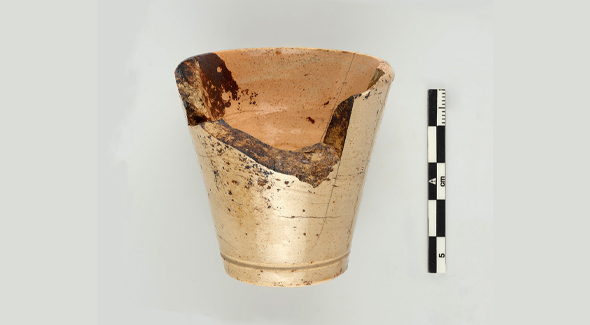
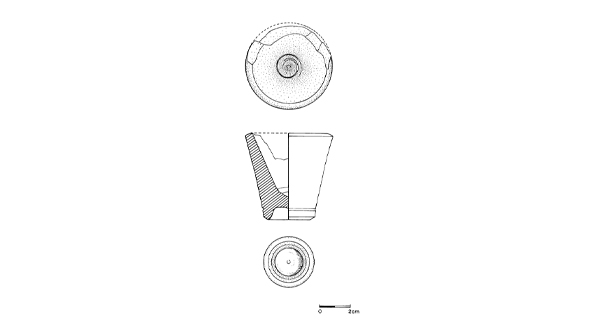
This small beaker was recovered from a seaman's chest in the forecastle area on the lower deck of Erebus. The chest is a rectangular wooden box divided in half by a partition, of a type visible in contemporary plans of the vessels. Each chest would have been shared by two crew members, used for storing personal possessions, and as a seat when eating at a folding mess table.
-
What material is this artifact made of?
The beaker is made of salt-glazed stoneware, a dense pottery fired at high temperatures which means it is non-porous and holds liquids well.
-
What was this artifact used for?
The beaker was likely a crewman’s personal belonging and served as a drinking vessel.
-
What do we know about this artifact?
While it is possible that this beaker was used for drinking alcohol, its internal volume of approximately 30 ml is too small to hold the daily rum ration of the period, fixed at one imperial gill, or 142 ml.
Beaker
-
Where was this artifact found?
This small beaker was recovered from a seaman's chest in the forecastle area on the lower deck of Erebus. The chest is a rectangular wooden box divided in half by a partition, of a type visible in contemporary plans of the vessels. Each chest would have been shared by two crew members, used for storing personal possessions, and as a seat when eating at a folding mess table.
-
What material is this artifact made of?
The beaker is made of salt-glazed stoneware, a dense pottery fired at high temperatures which means it is non-porous and holds liquids well.
-
What was this artifact used for?
The beaker was likely a crewman’s personal belonging and served as a drinking vessel.
-
What do we know about this artifact?
While it is possible that this beaker was used for drinking alcohol, its internal volume of approximately 30 ml is too small to hold the daily rum ration of the period, fixed at one imperial gill, or 142 ml.
ᖃᓪᓗᑦ
-
ᓇᑭᑦ ᐅᓇ ᐃᑦᑕᕐᓂᑕᖅ ᓇᓂᔭᐅᕙ?
ᖃᓪᓗᑦ ᐱᔭᐅᖅᓯᒪᔪᑦ ᐃᑦᑎᕐᕕᐅᔭᒦᑦᑐᒥᑦ ᐅᒥᐊᕐᔪᐊᑉ ᓯᕗᐊᓂ ᐊᑦᑎᓂᒃᓴᖓᓂ ᑕᐃᑲᓂ ᐃᕆᐸᔅ. ᐃᑦᑎᕐᕕᐅᔭᖅ ᕿᖪᒃ ᑭᑉᐹᕆᑦᑐᑯᑖᒃ ᐊᕕᔅᓯᒪᓂᖃᖅᑐᓂ ᕿᑎᖓᒍᑦ ᐃᓗᐊᓂ, ᖃᓄᐃᑦᑑᓂᖓ ᑕᐅᑐᖕᓇ`ᒪᑦ ᒫᓇᓕᓴᕐᓄᑦ ᐱᕙᒌᔭᐅᑎᓄᑦ ᐅᒥᐊᕐᔪᐊᓄᑦ. ᐊᑐᓂ ᐃᑦᑎᕐᕕᐅᔮᒃ ᒪᕐᕉᒃ ᐊᑐᖅᑕᐅᖃᑦᑕᔪᔪᑦ ᐃᖅᑲᓇᐃᔭᖅᑎᓄᑦ, ᑐᖅᑯᐃᕕᐅᓪᓗᑎᒃ ᓱᓇᒃᑯᑖᖏᓐᓄᑦ, ᐃᔅᓯᕚᕐᕕᐅᓲᖑᓪᓗᑎᓪᓗ ᓂᕆᑎᓪᓗᒋᑦ ᐃᓯᕕᑦᑕᖅᑐᒥ ᐃᒃᐸᑦ.
-
ᑭᓱᒥᑦ ᓴᓇᓯᒪᔪᖅ ᐅᓇ ᐃᑦᑕᕐᓂᑕᖅ?
ᑖᓐᓇ ᖃᓪᓗᑦ ᑕᕆᐅᕐᒧᑦ ᕿᓪᓕᖅᓯᓯᒪᔪᖅ ᐅᔭᕋᖅᑎᑐᑦ ᑎᓯᔫᓪᓗᓂ, ᐅᒃᑯᓯᐅᔭᖅ ᐃᑯᐊᓚᒻᒧᑦ ᑎᓯᑦᑎᑎᑕᐅᓯᒪᔪᖅ ᕿᓪᓛᓲᖑᓐᖏᑦᑐᖅ ᐃᒻᒪᔅᓯᒪᑎᓪᓗᒍ.
-
ᑭᓱᒧᑦ ᐅᓇ ᐃᑦᑕᕐᓂᑕᖅ ᐊᑐᖅᑕᐆᓲᕕᓂᖅ?
ᖃᓪᓗᑎᒋᔭᐅᔪᒥᓂᐅᔪᔅᓴᐅᔪᖅ ᓴᓇᖨᒧᑦ ᐃᒥᕈᑕᐅᕙᑦᑐᓂ ᐅᒥᐊᕐᔪᐊᒥ.
-
ᖃᓄᖅ ᖃᐅᔨᒪᔭᐅᕙ ᐅᓇ ᐃᑦᑕᕐᓂᑕᖅ?
ᖃᓪᓗᑦ ᐃᒥᐊᓗᒻᒧᑦ ᐊᑐᖅᑐᔅᓴᐅᔪᒥᓂᖅ, ᐃᓗᑐᓂᖃᖅᑐᓂ 30 ml−ᒥᒃ ᒥᑭᓗᐊᖅᑐᖅ ᖃᐅᑕᒫᑦ ᐃᒥᕈᑎᒋᓗᒍ ᐃᒥᐊᓗᒻᒥᒃ, ᐊᖏᔪᐊᓘᓐᖏᑦᑐᖅ, ᑕᐃᒪᓘᓐᓃᑦ ᐃᓗᑐᓪᓗᓂ 142 ml−ᒥᒃ.
ᖃᓪᓗᑦ
-
ᓇᑭᑦ ᐅᓇ ᐃᑦᑕᕐᓂᑕᖅ ᓇᓂᔭᐅᕙ?
ᖃᓪᓗᑦ ᐱᔭᐅᖅᓯᒪᔪᑦ ᐃᑦᑎᕐᕕᐅᔭᒦᑦᑐᒥᑦ ᐅᒥᐊᕐᔪᐊᑉ ᓯᕗᐊᓂ ᐊᑦᑎᓂᒃᓴᖓᓂ ᑕᐃᑲᓂ ᐃᕆᐸᔅ. ᐃᑦᑎᕐᕕᐅᔭᖅ ᕿᖪᒃ ᑭᑉᐹᕆᑦᑐᑯᑖᒃ ᐊᕕᔅᓯᒪᓂᖃᖅᑐᓂ ᕿᑎᖓᒍᑦ ᐃᓗᐊᓂ, ᖃᓄᐃᑦᑑᓂᖓ ᑕᐅᑐᖕᓇ`ᒪᑦ ᒫᓇᓕᓴᕐᓄᑦ ᐱᕙᒌᔭᐅᑎᓄᑦ ᐅᒥᐊᕐᔪᐊᓄᑦ. ᐊᑐᓂ ᐃᑦᑎᕐᕕᐅᔮᒃ ᒪᕐᕉᒃ ᐊᑐᖅᑕᐅᖃᑦᑕᔪᔪᑦ ᐃᖅᑲᓇᐃᔭᖅᑎᓄᑦ, ᑐᖅᑯᐃᕕᐅᓪᓗᑎᒃ ᓱᓇᒃᑯᑖᖏᓐᓄᑦ, ᐃᔅᓯᕚᕐᕕᐅᓲᖑᓪᓗᑎᓪᓗ ᓂᕆᑎᓪᓗᒋᑦ ᐃᓯᕕᑦᑕᖅᑐᒥ ᐃᒃᐸᑦ.
-
ᑭᓱᒥᑦ ᓴᓇᓯᒪᔪᖅ ᐅᓇ ᐃᑦᑕᕐᓂᑕᖅ?
ᑖᓐᓇ ᖃᓪᓗᑦ ᑕᕆᐅᕐᒧᑦ ᕿᓪᓕᖅᓯᓯᒪᔪᖅ ᐅᔭᕋᖅᑎᑐᑦ ᑎᓯᔫᓪᓗᓂ, ᐅᒃᑯᓯᐅᔭᖅ ᐃᑯᐊᓚᒻᒧᑦ ᑎᓯᑦᑎᑎᑕᐅᓯᒪᔪᖅ ᕿᓪᓛᓲᖑᓐᖏᑦᑐᖅ ᐃᒻᒪᔅᓯᒪᑎᓪᓗᒍ.
-
ᑭᓱᒧᑦ ᐅᓇ ᐃᑦᑕᕐᓂᑕᖅ ᐊᑐᖅᑕᐆᓲᕕᓂᖅ?
ᖃᓪᓗᑎᒋᔭᐅᔪᒥᓂᐅᔪᔅᓴᐅᔪᖅ ᓴᓇᖨᒧᑦ ᐃᒥᕈᑕᐅᕙᑦᑐᓂ ᐅᒥᐊᕐᔪᐊᒥ.
-
ᖃᓄᖅ ᖃᐅᔨᒪᔭᐅᕙ ᐅᓇ ᐃᑦᑕᕐᓂᑕᖅ?
ᖃᓪᓗᑦ ᐃᒥᐊᓗᒻᒧᑦ ᐊᑐᖅᑐᔅᓴᐅᔪᒥᓂᖅ, ᐃᓗᑐᓂᖃᖅᑐᓂ 30 ml−ᒥᒃ ᒥᑭᓗᐊᖅᑐᖅ ᖃᐅᑕᒫᑦ ᐃᒥᕈᑎᒋᓗᒍ ᐃᒥᐊᓗᒻᒥᒃ, ᐊᖏᔪᐊᓘᓐᖏᑦᑐᖅ, ᑕᐃᒪᓘᓐᓃᑦ ᐃᓗᑐᓪᓗᓂ 142 ml−ᒥᒃ.
Related links
- Date modified :