
Red Bay National Historic Site
© Parks Canada
Red Bay was designated as a national historic site in 1979.
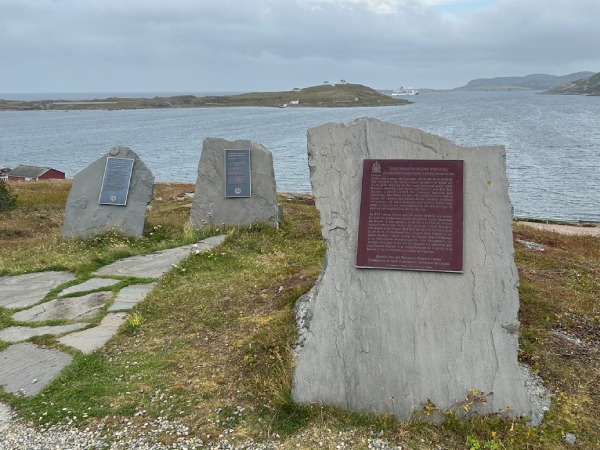
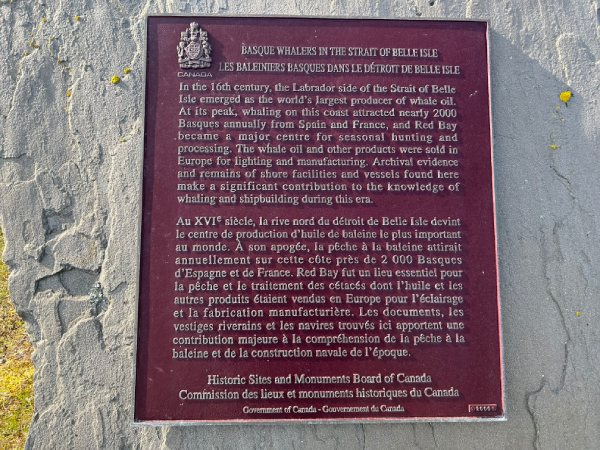
Commemorative plaque: beside the Red Bay United Church, Red Bay, Newfoundland and LabradorFootnote 1
Basque Whalers in the Strait of Belle Isle
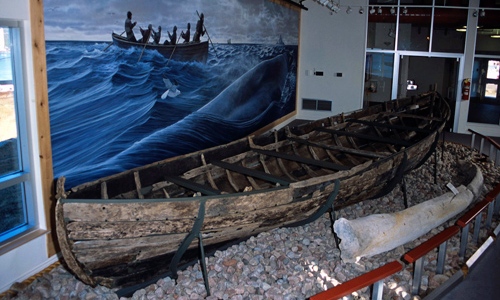
In the 16th century, the Labrador side of the Strait of Belle Isle emerged as the world's largest producer of whale oil. At its peak, whaling on this coast attracted nearly 2000 Basques annually from Spain and France, and Red Bay became a major centre for seasonal hunting and processing. The whale oil and other products were sold in Europe for lighting and manufacturing. Archival evidence and remains of shore facilities and vessels found here make a significant contribution to the knowledge of whaling and shipbuilding during this era.
© Parks Canada / Kirby Ryan
© Parks Canada / Kirby Ryan
Description of historic place
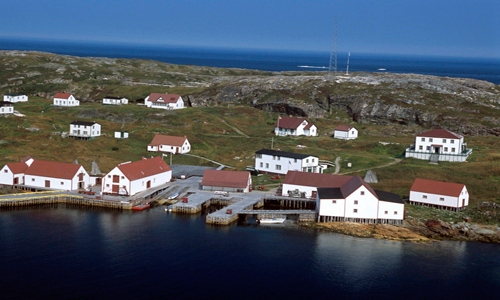
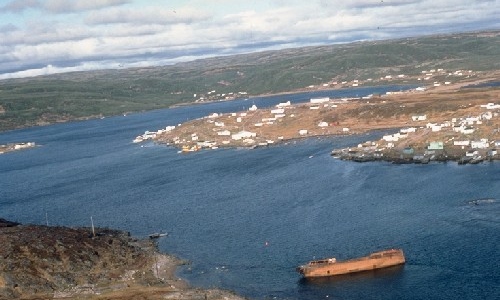
Red Bay National Historic Site of Canada encompasses one of the most protected harbours on the coast of the narrow Strait of Belle Isle between Labrador and the northern tip of Newfoundland. The site extends from the reddish coloured bluffs around the harbour to its islands and shoreline. It also extends from the bottom of the harbour basin to the hills and vantage points surrounding it. The harbour holds remains of 16th-century Basque whaling ships and the beaches and shorelines hold relics of the shore stations that once supported a thriving whaling industry. Official recognition refers to the harbour from the bluffs to the islands and shoreline, from the bottom of the basin to the hills and vantage points surrounding the harbour and includes those resources, notably landscape and archaeological, that are associated with the Basque occupancy from about 1550 to 1620.
© Parks Canada
© Parks Canada
Heritage value
Red Bay was designated a National Historic Site of Canada because:
- it contains the remains of numerous, well-preserved terrestrial and submerged cultural resources associated with one of the principal 16th-century Basque whaling ports in Canada;
- the various vessels found at Red Bay represent major developments in the evolution of ship design and construction in the 16th century.
The heritage value of the site lies in the evidence of Basque whaling activities provided by the landscape and the surviving remains of the 16th-century whaling activity found there. Red Bay National Historic Site of Canada was one of the largest whaling ports used during the 1550-1620 period by whaling expeditions sponsored by Basque merchants from France and Spain. In search of whale oil, they sent European fisherman to the Strait of Belle Isle, and then mounted regular seasonal expeditions from harbours along its coast to the south coast of Labrador and the north shore of Québec. Red Bay is of particular value because the remains within the site are numerous, diversified, and exceptionally well preserved.
Sources: Historic Sites and Monuments Board of Canada, Minutes, November 1979, 1989; Commemorative Integrity Statement, March 1997.
The National Program of Historical Commemoration relies on the participation of Canadians in the identification of places, events and persons of national historic significance. Any member of the public can nominate a topic for consideration by the Historic Sites and Monuments Board of Canada.
- Date modified :