
Kameshtashtan National Historic Site
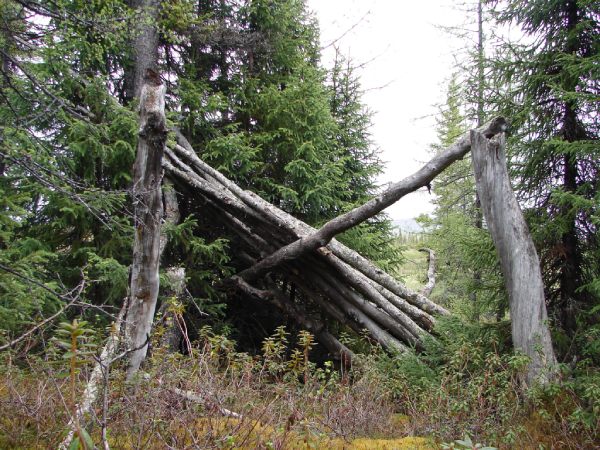
© Stephen Loring / Arctic Studies Center / Smithsonian Institution
Kameshtashtan was designated as a national historic site in 2022.
Historical importance: cultural landscape representative of the profound importance of Nitassinan for the Mushuau Innu of Labrador, and their way of life with and on their homeland. The landscape is tied to ancient campsites dating back at least 6,500 years.
Commemorative plaque: no plaque installed Footnote 1
Kameshtashtan
Kameshtashtan, a cultural landscape located in northern Labrador, is representative of the profound and immeasurable importance of the Innu homeland known as Nitassinan for the Mushuau Innu, and their way of life with and on their homeland. For generations, families have lived along the shores of the lake and followed the network of travel routes that pass through here. It is a landscape tied to oral histories, legends, and spiritual meanings. There are known places of births and deaths, and ancient campsites dating back at least 6,500 years. Kameshtashtan is representative of the migratory lifestyle of the Mushuau Innu and their association with Atiku, the caribou, as demonstrated in camp sites situated near caribou drive locations, in water crossing ambush places, in food storage caches, and in the ritual crushing of caribou bone noted in many of the ancient hearths.
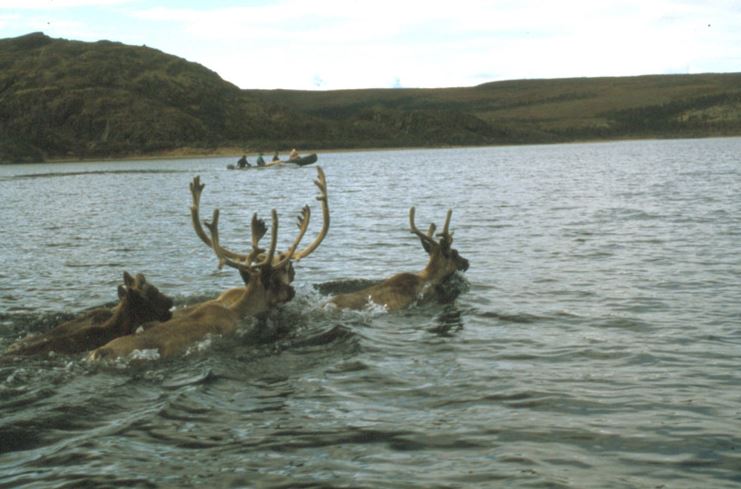
© Stephen Loring / Arctic Studies Center / Smithsonian Institution
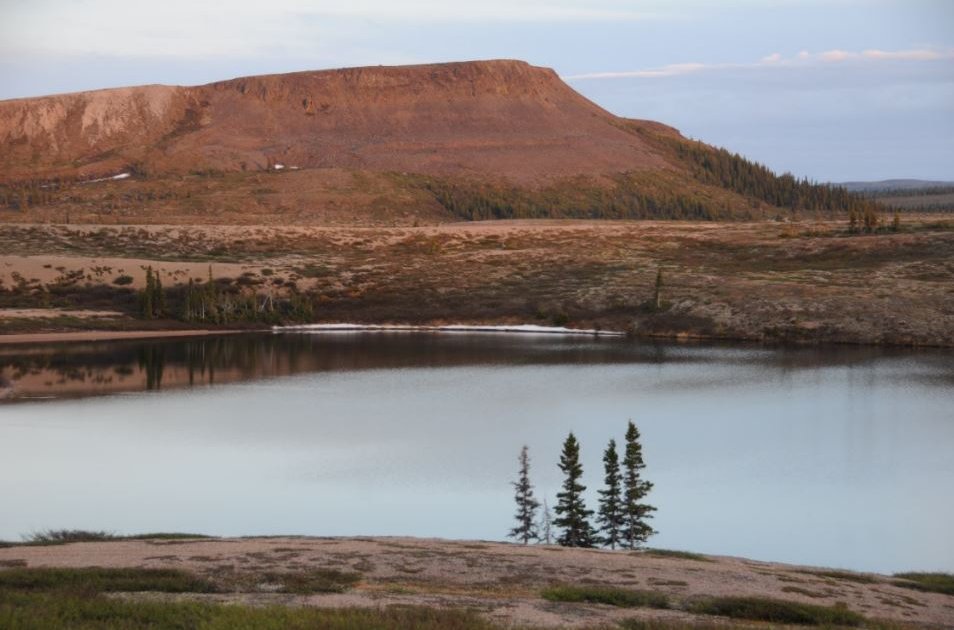
© Stephen Loring / Arctic Studies Center / Smithsonian Institution
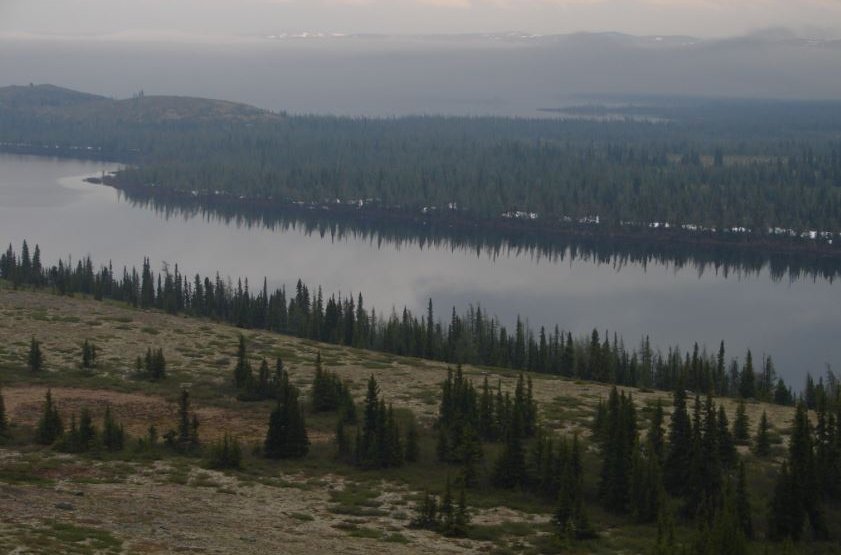
“Kameshtashtan” refers to the cold, strong winds that blow across these barren lands, moving soil and stones. The basin of the lake, which is also known as Mistastin Lake, is an ancient meteorite crater situated at an ecotone between forest and sub-Arctic tundra that supports an unusual concentration of animal species. Mushuau Innu and their ancestors walked and paddled across this deeply revered landscape, part of the Innu homeland known as Nitassinan (eastern Quebec and Labrador). Twice yearly, the George River caribou herd passes through on its way to and from northern calving grounds, and small numbers of caribou linger year-round. Atiku, caribou, holds a special place for all Innu of Nitassinan. It is tied to a range of traditions and to the physical and spiritual maintenance of Innu life. Migrating waterfowl, rich fish stocks, ptarmigan, and small mammals add to the importance of this place. For the Mushuau Innu, the association with the land and its resources is an especially important one. Kameshtashtan is a place where families have always spent time hunting and fishing, where animal resources were processed, and it was a waypoint where preparations were made for further journeying across Nitassinan.
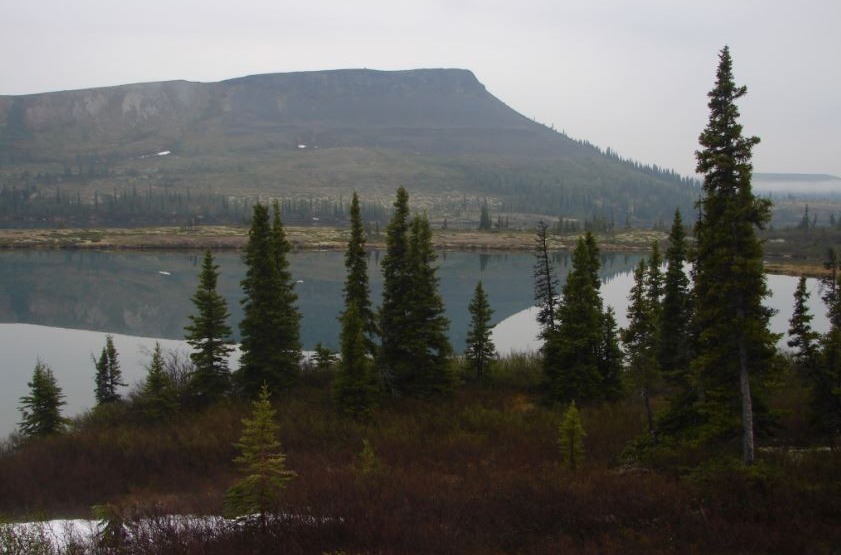
© Stephen Loring / Arctic Studies Center / Smithsonian Institution
© Stephen Loring / Arctic Studies Center / Smithsonian Institution
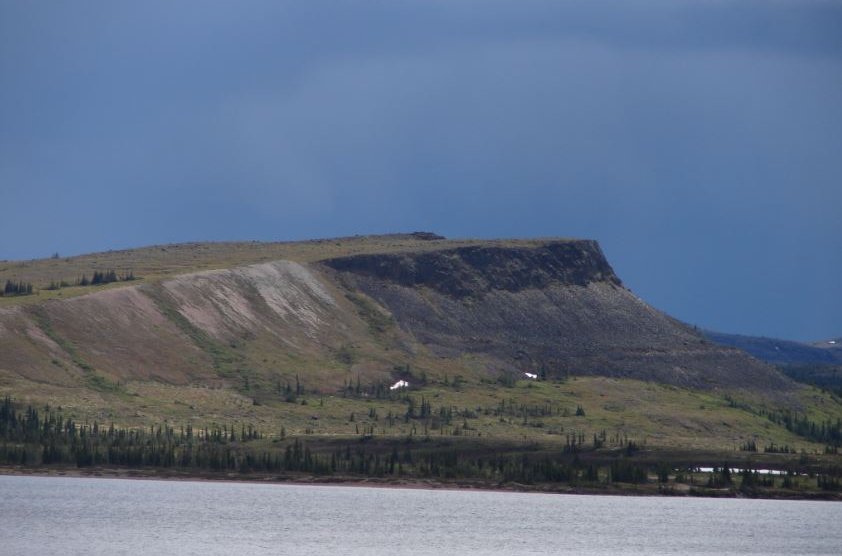
Until the time of permanent settlement in the 1960s, the Mushuau Innu way of life was mobile. Seasonal and regional moves included hunting and gathering of resources for food and materials at specific times and places, and importantly, included gatherings with other Innu families, often from other Innu regional groups from elsewhere in Nitassinan. A close relationship with the land is represented in the ancient sites, and in the long-held Innu names given to geographical places. The lake and its surroundings are imbued with layers of history and of spiritual significance, places of births and deaths, specific activities, family meeting places, and living places. Kameshtashtan Mountain on the western shore holds symbolic meaning. Being on the land continues to be a vital and sustaining practice. Today, Innu take part in the varied experiential activities offered through the Tshikapisk Foundation, which is based on the lake. As often as possible, families from Natuashish spend part of the year at their cabins and camps here. In the words of Damien Benuen of Natuashish, it is, “a special gathering place for our people, a sanctuary.”
This place was nominated for consideration by the Historic Sites and Monuments Board of Canada by the Innu Nation, Sheshatshiu, Newfoundland and Labrador.
“Kameshtashtan Lake is a land of mystery where legends were created and where Innu have gathered for centuries. Keeping Kamestashtan as a sacred place is of great importance to Innu identity, traditions, and cultural values and we welcome the announcement that Kameshtashtan Lake will be designated as having national historic significance. With caribou calving grounds on the barrens close by, Kameshtashtan is also considered the birthplace of caribou, an animal of extraordinary spiritual significance to Innu. Atikuat are the most highly regarded of the animals that keep us alive and they are therefore most celebrated in Innu culture. This designation is an opportunity to show our respect to the caribou by recognizing their migration route and calving grounds."
This press backgrounder was prepared at the time of the Ministerial announcement in 2025.
© Stephen Loring / Arctic Studies Center / Smithsonian Institution
© Stephen Loring / Arctic Studies Center / Smithsonian Institution
Description of historic place
Kameshtashtan National Historic Site of Canada is located in north-central Labrador, 150 air kilometres west of Sango Bay, Davis Inlet, and 15 kilometres east of the Quebec/Labrador border. Kameshtashtan, a cultural landscape of profound meaning to the Mushuau Innu of northern Labrador, includes a lake, islands, the lake shore and the surrounding plateau landscape. The lake basin, created by a meteorite impact, features red ochre deposits at the crater rim, while Kameshtashtan Mountain overlooks the southwest shore. The impressive landscape is characterized by rolling upland, valleys, sparse vegetation, lichen, shrubs, exposed bedrock and glacial deposits. Official recognition comprises Kameshtashtan/Mistastin Lake, its islands, and surroundings within two kilometres of the lake edge.
Heritage value
Kameshtashtan was designated a National Historic Site of Canada in 2022. It is recognized because:
- as a cultural landscape it is representative of the profound and immeasurable importance of Nitassinan for the Mushuau Innu, and their way of life with and on their homeland. For generations, families have lived along the shores of the lake, and followed the network of travel routes that pass through here. It is a landscape tied to oral histories, to legends, and spiritual meanings. There are known places of births and deaths, and ancient campsites dating back at least 6,500 years;
- it is representative of the migratory lifestyle of the Mushuau Innu and their association with Atiku, the caribou, represented in camp sites situated near caribou drive locations, in water crossing ambush places, in food storage caches, and in the ritual crushing of caribou bone noted in many of the ancient hearths.
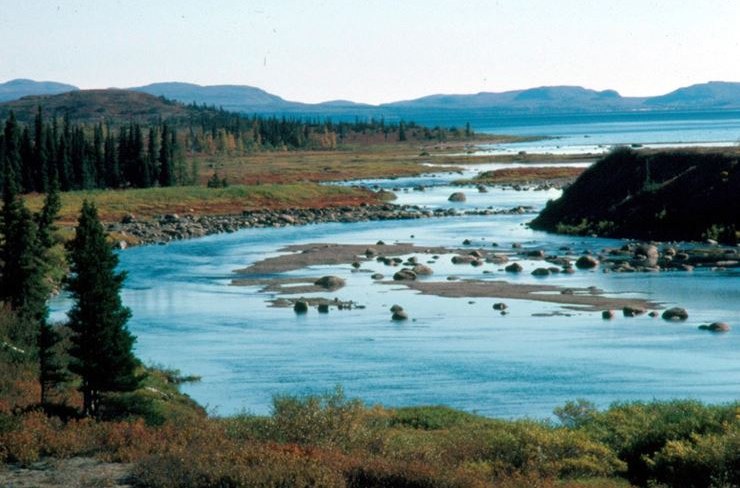
For the Mushuau Innu (People of the Barrens) of Natuashish, and for all Innu, the cultural, symbolic, and historical importance of the lake and the surrounding region is profound. Ongoing archaeological work has uncovered many early camps, the earliest dating back 7,300 years, that reveal a way of life that persists today in modern form. Kameshtashtan is situated between forest and sub-Arctic tundra. The place name in Innu-aimun refers to cold, strong winds that move soil and stones. The lake and surrounding barrens are the traditional primary hunting and fishing areas of the Mushuau Innu providing good caribou habitat. The George River caribou herd passes through each spring and fall on their way to and from northern calving ground, and small groups of caribou remain year-round. A caribou crossing at the lake’s east shore near the outflow allowed hunters, in time’s past, to hunt swimming caribou. Terraces around the lake contain evidence of early camps and archaeological sites. The lake’s northern section features eskers of sand and gravel while the more sheltered southern shore supports spruce stands. Near the southwest shore, Kameshtashtan Mountain is the highest point at approximately 450 metres above sea level. Twenty small seasonal cabins around the lake were built by families from Natuashish. Runways are located at the western and eastern ends of the lake while the largest structure is the Tshikapisk Foundation lodge at the north-eastern end of the lake. The combined natural elements and Natuashish buildings create a tranquil, traditional setting that is deeply revered by the Mushuau Innu.
Source: Historic Sites and Monuments Board of Canada, Minutes, June 2021.
The National Program of Historical Commemoration relies on the participation of Canadians in the identification of places, events and persons of national historic significance. Any member of the public can nominate a topic for consideration by the Historic Sites and Monuments Board of Canada.
- Date modified :