
The Saskatchewan Doctors’ Strike of 1962 National Historic Event
© Photographer Bettmann / Bettman Collection / 515030322 / Getty Images
The Saskatchewan doctors’ strike of 1962 was designated as a national historic event in 2024.
Historical importance: perhaps the best-known and most significant doctors’ strike of the 20th century, important impact on the development of publicly funded health care in Canada.
Commemorative plaque: no plaque installedFootnote 1
The Saskatchewan Doctors’ Strike of 1962
When The Saskatchewan Medical Care Insurance Act, 1961 took effect on 1 July 1962, most doctors in Saskatchewan went on strike for 23 days. Perhaps the best-known and most significant Canadian doctors’ strike of the 20th century, it exemplified fundamental conflicts in the development of Canadian medicare: between increased state intervention in the health care system and the professional independence of physicians and surgeons; and between the status of doctors as entrepreneurs and the rights of patients to medical care regardless of income.
The first half of the 20th century was transformative for both the health care system and the medical profession in Saskatchewan. The province introduced reforms that significantly expanded government funding for hospital and diagnostic services, public health, hospital construction, medical training, and patient care. This same period saw the professionalization of health care and the rise of organized medicine. These transformations, however, brought the province and the profession into increasing conflict.
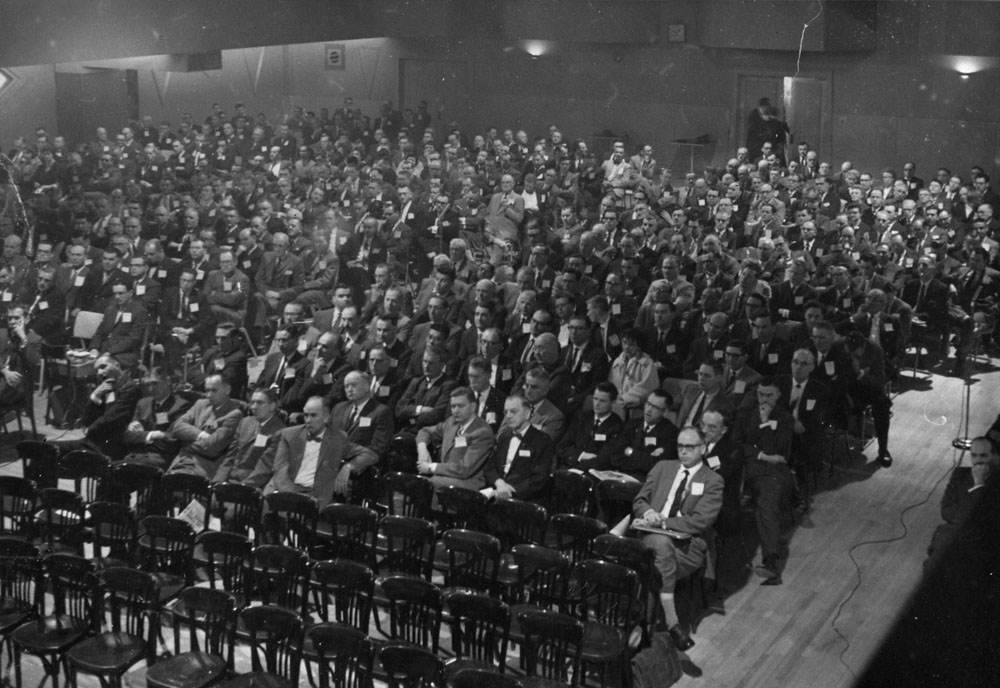
In 1961, the Co-operative Commonwealth Federation government introduced The Saskatchewan Medical Care Insurance Act to provide residents with a wide range of publicly funded medical services. The Saskatchewan College of Physicians and Surgeons (SCPS) feared the repercussions of the Act for the medical profession and opposed its implementation. SCPS president Dr. Harold Dalgleish urged Premier Woodrow S. Lloyd to change course by repealing the Act and instead subsidizing voluntary private medical insurance for people who could not afford the premiums and fees. When the government refused, most doctors in the province went on strike. The SCPS provided for emergency services at a small number of hospitals. The government recruited doctors from outside the province to replace those on strike, including many physicians trained outside of Canada. Pro-medicare residents set up new community clinics. There were doctors who did not go on strike, some because they supported the government and others because they thought it wrong to deny patients care. Many more returned to work before the strike ended. Still, patient care suffered.
© George E. Dragan / Library and Archives Canada / PA-088485 / Copyright: Expired
© Photographer Bettmann / Bettman Collection / 515467794 / Getty Images
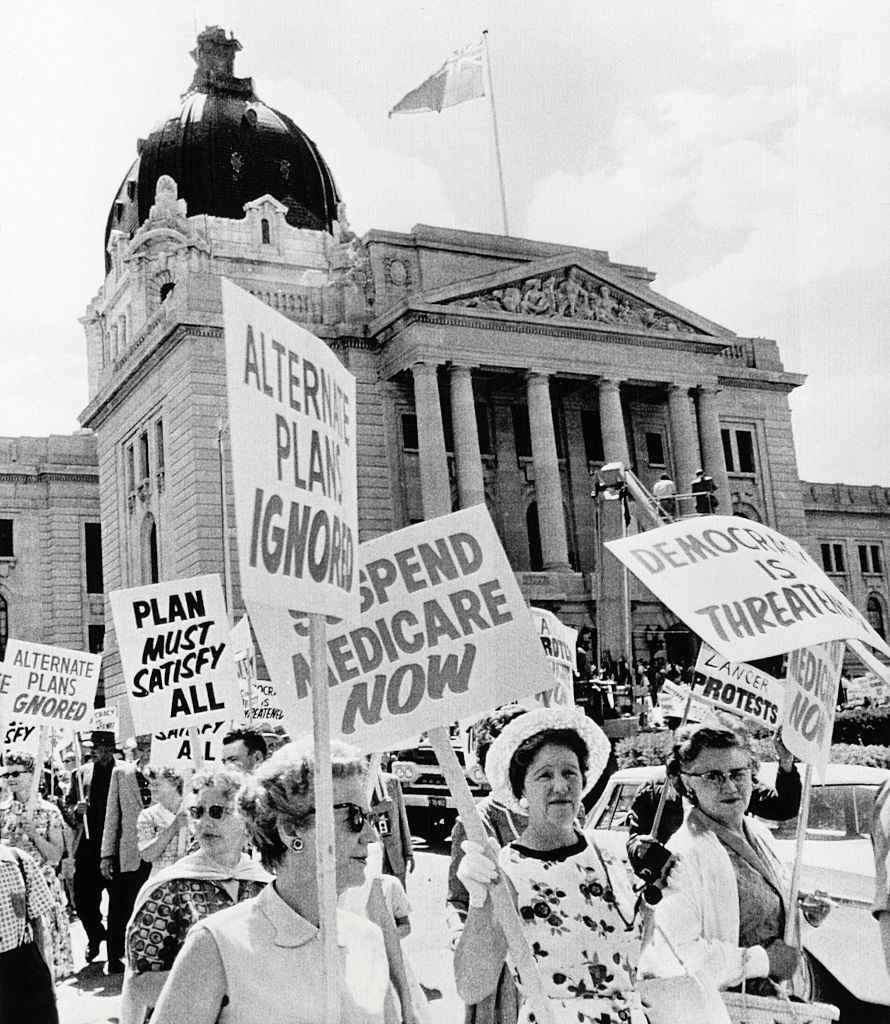
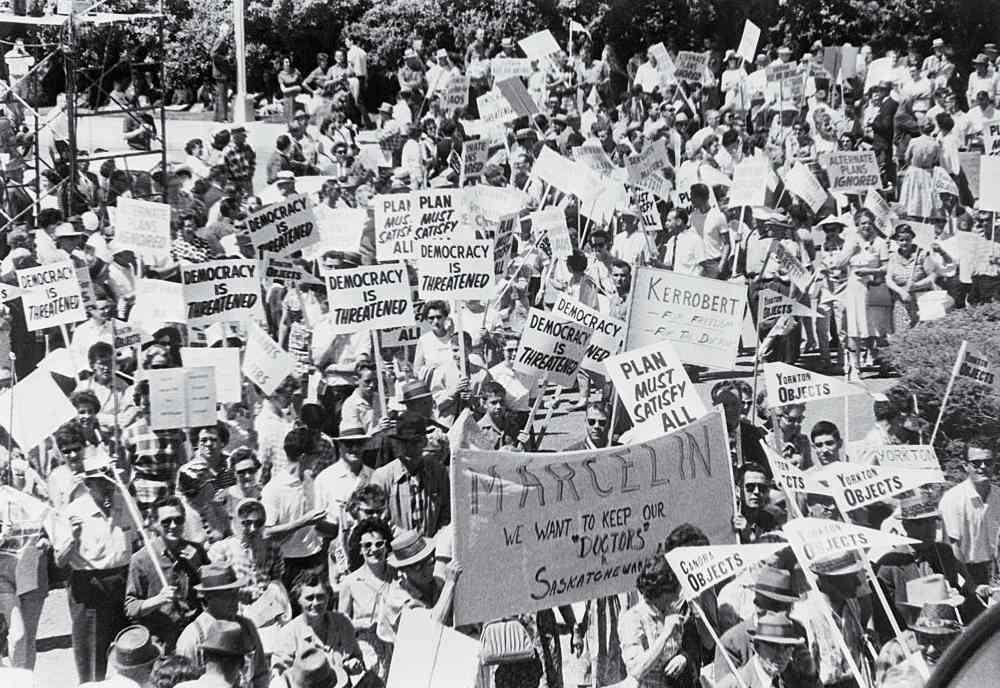
The strike had a profound impact on Saskatchewan and the rest of Canada. It attracted national and international attention and sparked heated debates about the future of health care. Women worried that the government plan would reduce access to care led the formation of “Keep Our Doctors” committees, which organized petitions, rallies, marches, and cavalcades, and drew support from groups opposed to the government.
The strike ended with the signing of the Saskatoon Agreement on 23 July 1962, which guaranteed doctors’ autonomy over patient care and freedom to choose how they would be paid, with options for fee-for-service and extra-billing. This served as an important model for the expansion of Canadian medicare in the years that followed.
“On July 1, 1962, The Saskatchewan Medical Care Insurance Act came into force, but Saskatchewan doctors were bitterly opposed to universal medical care insurance. In response to the legislation, 90% of Saskatchewan's doctors withdrew their services. The strike deeply divided Saskatchewan residents: the Keep Our Doctors committee, along with the media, led a campaign protesting universal health insurance while other residents felt betrayed by their doctors. After 23 days, the strike was resolved through the Saskatoon Agreement, a compromise between the Co-operative Commonwealth Federation government and the Saskatchewan College of Physicians and Surgeons. Based on the recommendations of Royal Commission on Health Services, the federal government passed the Medical Care Act in 1966. By 1971, all provinces had established a universal medical insurance plan. Despite the lingering hostilities, Saskatchewan led the way in establishing what is arguably Canada's most popular social program."
This press backgrounder was prepared at the time of the Ministerial announcement in 2025.
The National Program of Historical Commemoration relies on the participation of Canadians in the identification of places, events and persons of national historic significance. Any member of the public can nominate a topic for consideration by the Historic Sites and Monuments Board of Canada.
- Date modified :