For the week of October 27, 2025.
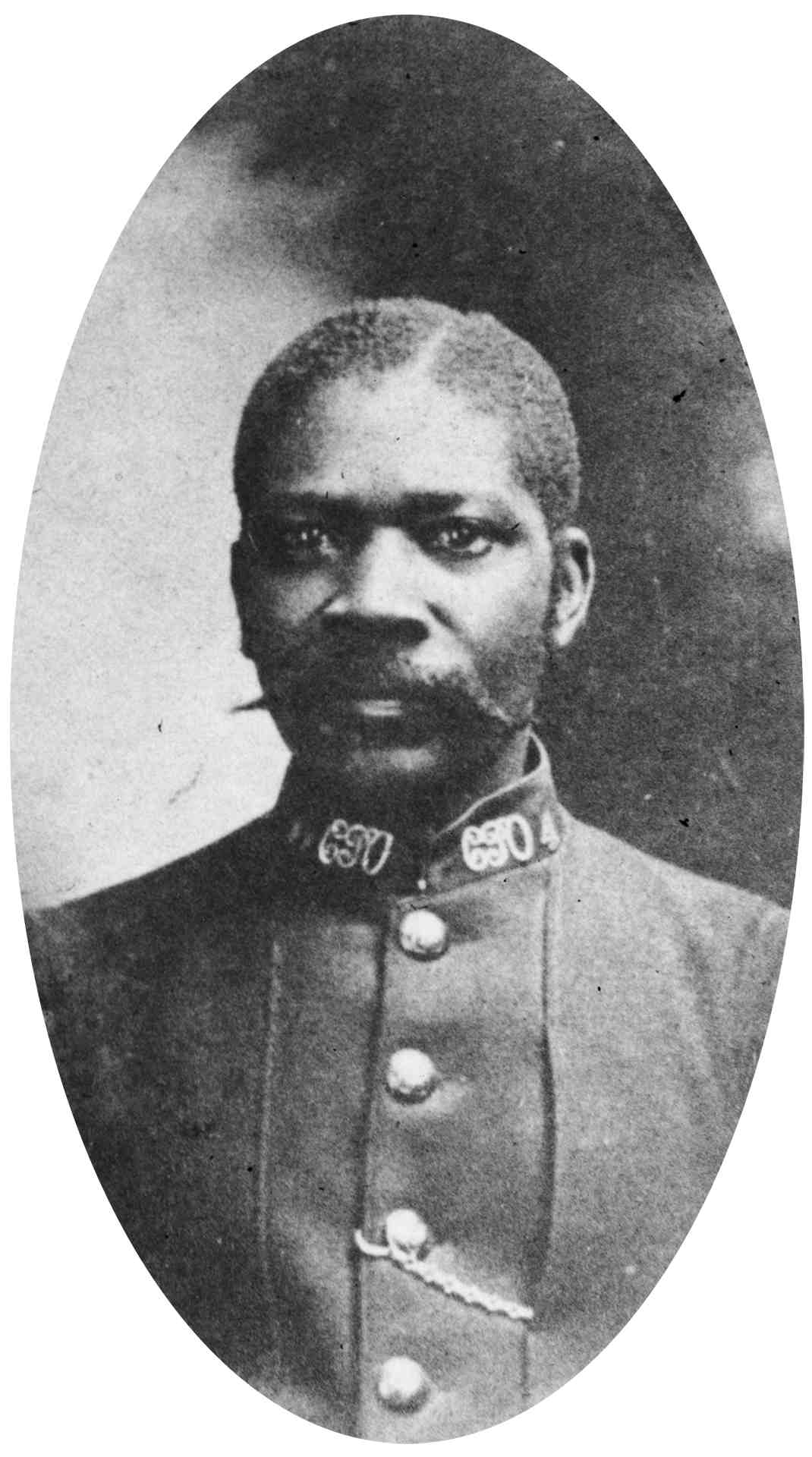
On November 2, 1857, Albert Calvin Jackson was born into enslavement in Delaware. He escaped to freedom in Toronto as a child and became one of the first mail carriers of African descent in Canadian history.
In 1858, after the sale of her two oldest sons and the death of her husband, Ann Maria Jackson fled to Toronto with seven of her children, including Albert Calvin Jackson. They made their way north on the Underground Railroad—a covert network that helped people of African descent escape enslavement in the United States. Many self-emancipated people sought refuge in British North America, especially after Britain abolished enslavement in 1834. The vast majority (about 80 percent) of freedom seekers were men, as the journey was more dangerous for women and young children. This makes the Jackson family’s story even more remarkable.
The family reached Toronto in November 1858. It is believed that they received shelter and support from Lucie and Thornton Blackburn, who had escaped enslavement via the Underground Railroad in 1833. Jackson’s two eldest brothers later escaped enslavement and reunited with them here. There was a large and growing Black community in Toronto, which established some of the earliest churches in the city. The First Baptist Church, founded in 1826, emerged as a centre of Black abolitionist activity. It sponsored anti-slavery lectures and provided shelter, food, clothing, money, and other assistance to self-emancipated people, including the Jackson family. Albert Calvin Jackson grew up in St. John’s Ward, a suburb northwest of the city centre, and attended local schools. The Ward, as it was known, had a reputation for poor living conditions and became overcrowded as it received many newcomers to Canada, particularly around the turn of the 20th century.
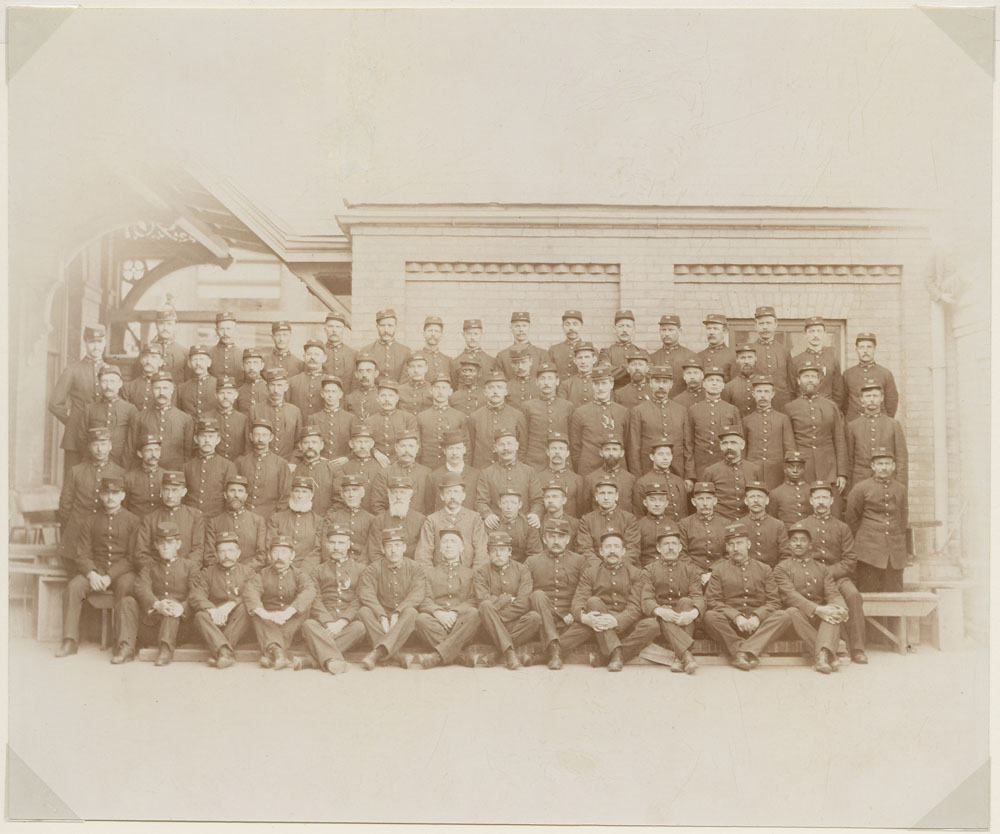
In 1882 Jackson was hired as a mail carrier for Royal Mail Canada (now Canada Post). Britain established a postal service in the 18th century, in what would become Canada. Responsibility transferred in 1851 to the Province of Canada and the service became known as Royal Mail Canada. When Jackson arrived, white co-workers refused to train him and instructed him to take up janitorial duties instead. His mistreatment and an offensive newspaper headline sparked outrage in the Black community, leading to an increase in community organizing and protest. Jackson’s older brothers organized a protest at City Hall and Black Torontonians held a large public meeting at Richmond Street Methodist Church.
When Prime Minister John A. Macdonald arrived in Toronto to campaign for the upcoming election, he met with a delegation of Black Torontonians. In response to protests—and hoping to win votes from the Black community—Macdonald made a campaign promise to support Jackson’s reinstatement. By early June, Jackson was in uniform training to become a mail carrier, where he worked for almost 36 years, until his death on January 4, 1918.