

2025 Minister’s Round Table on Parks Canada
Message from the Minister
As Minister responsible for Parks Canada, it is my honour to present this Report and Response to the 2025 Minister’s Round Table. These discussions reaffirmed the vital role Parks Canada plays in safeguarding the places that tell the story of who we are, while supporting the strength, resilience and prosperity of our country.
Across the themes of conservation, public connection and Indigenous leadership, a clear message emerged: Parks Canada is more than a steward of natural and cultural heritage. Its work, and the sites it administers, inspires and unites the nation from coast to coast to coast by protecting and restoring heritage places, helping people connect with history and nature, and sustaining the social and economic value of these places for local and regional populations, in collaboration with Indigenous communities and key partners.
The network of national parks, national historic sites, and national marine conservation areas Parks Canada administers lies at the heart of our national identity—uniting Canadians through powerful stories and iconic landscapes, while fostering a deep sense of pride and shared attachment to the places that have shaped who we are. It connects us not only to Canada’s history and environment, but also to one another, reinforcing the values and experiences that define us as Canadians.
The voices and community priorities of First Nations, Inuit and Métis partners are transforming how we steward heritage places, bringing deeper meaning and better outcomes for all.
Looking forward, Parks Canada will continue to lead with integrity, creativity and collaboration. The path ahead is ambitious, but our purpose is clear. Together, we will protect what matters most and strengthen the bonds that connect us all.

Message from the President & Chief Executive Officer
As President & Chief Executive Officer of Parks Canada, I am pleased to present this Report and Response to the 2025 Minister’s Round Table. It reflects not only the valuable insights shared during the round table discussions, but also the dedication and professionalism of the Parks Canada team, who bring our mandate to life every day, in every corner of the country.
Our team—whether maintaining critical infrastructure, supporting Indigenous collaboration, delivering programming or responding to emergencies—demonstrates what service to Canadians looks like on the ground. Their commitment to excellence, inclusion and care for both people and place is a source of constant pride.
This year’s round table offered focused and thoughtful perspectives that reinforce our direction and challenge us to deepen our efforts. In particular, the continued evolution of Indigenous stewardship, the imperative to strengthen access and inclusion and the need to manage growing pressures on heritage places all demand thoughtful, coordinated responses. I am proud of how our team continues to rise to these challenges—with integrity, curiosity, innovation and a deep sense of responsibility.
Parks Canada plays a role in advancing multiple government of Canada priorities—not just by helping safeguard treasured places, but also as a partner in Indigenous stewardship, a contributor to regional economies and a vital presence in communities across Canada. The insights from the round table strengthen our resolve to deliver on this responsibility with ambition and accountability.
On behalf of all of us at Parks Canada, thank you to those who participated and shared their perspectives. We look forward to working together to protect, present and sustain the places that matter most—for today and for the future.


Introduction
Parks Canada’s mandate is to protect and present Canada’s natural and cultural heritage, fostering public understanding while maintaining ecological and commemorative integrity for current and future generations. As required by the Parks Canada Agency Act (1998), a Minister’s Round Table is held every two years to seek advice on Parks Canada’s work and to support transparency and collaboration.
The 2025 Minister’s Round Table was held in February in the National Capital Region (Ottawa—Gatineau), with the participation from national stakeholders and Indigenous partners. The first session included representatives from national partner organizations and stakeholders; the second involved leaders from National Indigenous organizations.
Discussions focused on three themes:
- conservation of natural and cultural heritage
- connecting with Canadians
- elevating Indigenous voices and leadership in heritage conservation

Themes and responses
In this section
- Conservation of natural and cultural heritage
- Connecting with Canadians
- Elevating Indigenous voices and leadership in heritage conservation

Conservation of natural and cultural heritage
What we heard
Participants acknowledged Parks Canada’s role in expanding protected areas and encouraged broader collaboration beyond park boundaries, including with Indigenous nations and communities, non-profits and private landowners. They identified climate change and habitat fragmentation as key threats, emphasizing the need to incorporate resilience into conservation planning.
Concerns were raised about the absence of dedicated federal legislation for historic places and the need for sustainable resources to protect cultural heritage sites. Participants also recommended continued modernization of commemoration practices by including First Nations, Inuit and Métis histories and expanding partnerships to share expertise and build capacity, for example, through youth engagement and collaboration across the heritage sector.
Parks Canada’s response
Parks Canada is working with partners across all levels to expand and connect protected areas, with active initiatives underway in regions such as the South Okanagan—Similkameen and the Seal River Watershed. Through the establishment of new national park reserves, national marine conservation areas, and urban parks in collaboration with Indigenous partners, Parks Canada is contributing to Canada’s 30x30 biodiversity targets and building resilience in the face of climate change.
Within available funding levels, Parks Canada continues to invest in the stabilization and rehabilitation of nationally significant heritage sites and structures, while providing financial and technical support to other heritage custodians through the National Cost-Sharing Program. In line with the Framework for History and Commemoration, Parks Canada is integrating multiple historical perspectives and underrepresented narratives into its interpretation and designation work. This includes updating plaques and exhibits, revising designation criteria to align with the United Nations Declaration on the Rights of Indigenous Peoples and promoting public nominations from diverse communities. These actions contribute to a more inclusive, representative, and resilient approach to heritage conservation.
Connecting with Canadians
What we heard
Participants noted Parks Canada’s strong public trust and goodwill, emphasizing the need to maintain this perception. They identified increased domestic travel and renewed Canadian pride as opportunities to boost public engagement and visibility. Suggestions included improving data collection on social and economic impacts, especially for newer sites like national marine conservation areas and promoting lesser known parks and historic sites to ease pressure on popular locations. Accessibility and inclusion were recurring themes, with calls to improve access for people with disabilities and seniors. Participants also supported ongoing innovation and partnerships, particularly with cultural institutions such as museums, to reach new audiences through digital outreach, education and joint programming.
Parks Canada’s response
Maintaining the confidence and connection of Canadians is central to Parks Canada’s work. To ensure Canadians have confidence in Parks Canada, it is increasing efforts toward the continued promotion of the broader environmental, social and cultural benefits of protected heritage places through storytelling, outreach and collaboration. Signature moments—such as the anniversaries of Rouge National Urban Park and the Lachine Canal National Historic Site—will serve as platforms to engage the public in Parks Canada’s work and values. Targeted efforts are also underway to communicate the success and impact of conservation and heritage programs to Canadians through a variety of media and community-based initiatives.
Accessibility and inclusion continue to be embedded in Parks Canada’s visitor experience strategies and are key guidance for asset management interventions.
Parks Canada is upgrading infrastructure, programs and digital services to reduce barriers and heighten visitor experiences. Improvements include adaptive exhibits and redesigned online platforms. At the same time, Parks Canada is working with tourism partners to manage high visitor volumes and promote lesser-known sites through sustainable travel strategies, ensuring that tourism growth supports ecological integrity and broadens access. These efforts align with Parks Canada’s goal to build a more inclusive and engaged visitor base, both on-site and virtually.
Parks Canada is also participating in the Canada Strong Pass, a Government of Canada initiative designed to encourage Canadians and visitors to explore the country’s national parks, historic sites and cultural institutions. As part of this initiative, Parks Canada offered free admission from June 20 to September 2, 2025, to national historic sites, national parks, heritage canals and national marine conservation areas operated by Parks Canada and a 25% discount on camping fees.

Elevating Indigenous voices and leadership in heritage conservation
What we heard
Participants identified Parks Canada’s Indigenous Stewardship Policy as a best practice in co-development, noting its inclusion of diverse Indigenous perspectives nationwide. They called for continued support for Indigenous stewardship and improved cultural competencies within Parks Canada at both national and local levels. Participants emphasized the importance of Indigenous-led conservation and the need to engage the broader public to avoid misunderstanding or politicization.
Parks Canada’s role in Indigenous tourism was also noted, with recommendations to support authentic cultural experiences at parks and sites and to help develop sustainable Indigenous businesses related to heritage tourism.
Parks Canada’s response
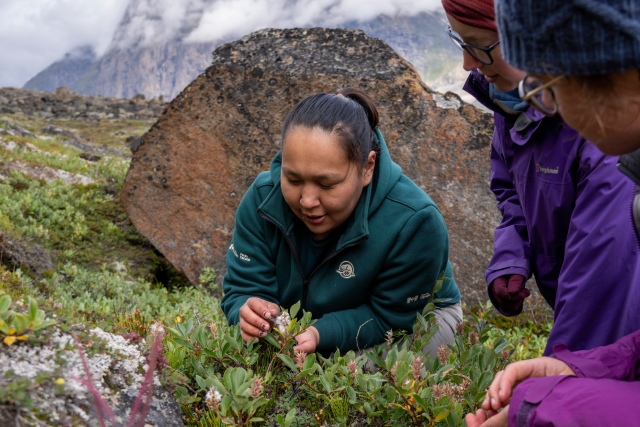
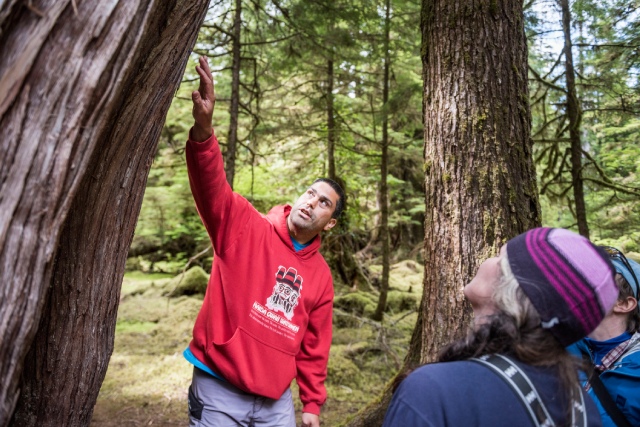
Parks Canada’s Indigenous Stewardship Policy reflects a commitment to respectful collaboration and the recognition of Indigenous rights and responsibilities in heritage place management. Co-developed with Indigenous partners, the policy guides actions to enable respectful cooperative management agreements, embed Indigenous governance protocols in decision-making and engage Indigenous languages, knowledge and ceremonies across a range of Parks Canada’s operations. Parks Canada is actively supporting Indigenous Guardians, Elders and youth through funding and capacity-building programs to enhance community-led stewardship.
In parallel, Parks Canada is working with Indigenous governments, entrepreneurs and organizations to co-create visitor experiences, storytelling and tourism offerings that reflect and respect First Nations, Inuit and Métis perspectives and values. Interpretation, exhibits, and events at sites Parks Canada has a role in administering increasingly include Indigenous interpreters and content, offering the public deeper understanding of Indigenous histories and connections to place as told by Indigenous Peoples. Parks Canada also continues to explore governance models such as Indigenous Protected and Conserved Areas, supports the respectful engagement of Indigenous knowledge in conservation planning and supports Indigenous leadership internationally. These actions support Indigenous rights and economies, strengthen conservation outcomes and improve shared decision-making in protecting Canada’s natural and cultural heritage.
Conclusion
The 2025 Minister’s Round Table represents a meaningful step in Parks Canada’s ongoing efforts to protect, share and steward Canada’s natural and cultural heritage. Through focused discussions on conservation, public engagement and Indigenous leadership, the round table reinforced the importance of partnership, respect and shared responsibility in advancing Parks Canada’s mandate.
These conversations strengthen Parks Canada’s commitment to expand and connect protected places, foster meaningful relationships with people and communities and ensure that Indigenous knowledge, laws and perspectives are woven throughout its work. Looking ahead, Parks Canada remains dedicated to collaboration and innovation.
Parks Canada will continue to safeguard landscapes and cultural narratives, improve accessibility and inclusion at heritage places and support Indigenous stewardship in ways that reflect both historical context and future aspirations. This response outlines a clear direction for the coming years, grounded in shared values, informed by public input, bounded by fiscal reality and guided by accountability.
Parks Canada thanks all participants in the 2025 Minister’s Round Table for their contributions. Together, we are shaping a heritage legacy that is inclusive, resilient and enduring, for current and future generations.

- Date modified :