

Conservation and restoration
Kejimkujik National Park and National Historic Site
Kejimkujik's ecosystems consist of forests, wetlands, freshwater, and coastal environments. Conserving and restoring ecological integrity is the priority of park management. Ecosystem management is the process used to achieve ecological integrity.
On this page
- Two-Eyed Seeing
- Conserving ecological integrity
- Restoring ecological integrity
- Projects at Kejimkujik National Park and National Historic Site
- Projects at Kejimkujik National Park Seaside
Two-Eyed Seeing
Ecological integrity should be assessed using Etuaptmumk, a Two-Eyed Seeing approach, to ensure western science is accompanied and supported by local Indigenous knowledges. The use of this approach allows for deeper understanding that is connected to nations who have lived and worked from the regions since time immemorial.
The Two-Eyed Seeing principle encourages us to look at Indigenous ways of knowing with one eye and western knowledge with the other, which in turn helps us to see and act in new ways that benefit everyone.
Drawn from the teachings of Mi’kmaq Elder Albert Marshall, Minister’s Round Table
Conserving ecological integrity
Ecosystems have integrity when their native components and processes are intact, including:
Abiotic components: the physical elements (for example: water and rocks)
Biodiversity: the composition and abundance of species and communities in an ecosystem (for example: tundra, rainforest and grasslands represent landscape diversity; black bears, brook trout, and black spruce represent species diversity)
Ecosystem processes: the engines that makes ecosystem work (for example: fire, flooding, and predation)
Restoring ecological integrity
Protected areas rarely contain complete, unaltered ecosystems, particularly in densely populated southern regions.
The ecological integrity of protected areas, and thus their ability to conserve biodiversity and natural capital, faces a number of challenges including:
- invasive species
- habitat fragmentation
- downstream effects of air and water pollution
- global climate change
All of these challenges contribute to the degradation of protected area ecosystems.
Ecological restoration provides a way of slowing, halting or reversing ecosystem degradation.
Projects at Kejimkujik National Park and National Historic Site
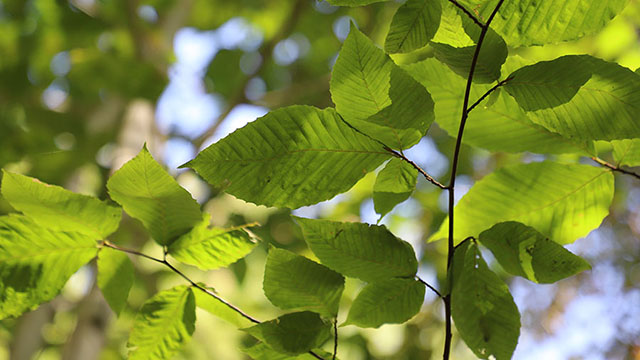 Ensuring a future for American beech trees
Parks Canada is cultivating a seed orchard of disease-resistant American beech trees.
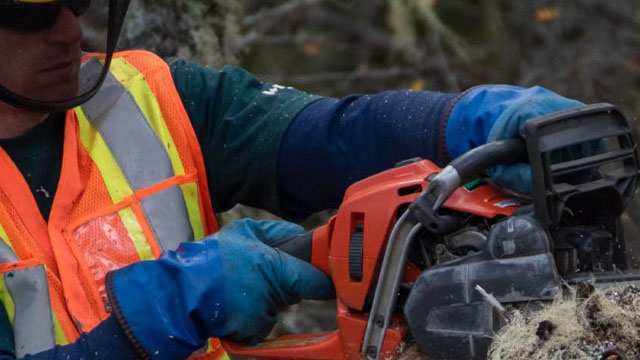 Fire protection and restoration projects
Wildfire risk reduction projects, prescribed fires, and how you can help.
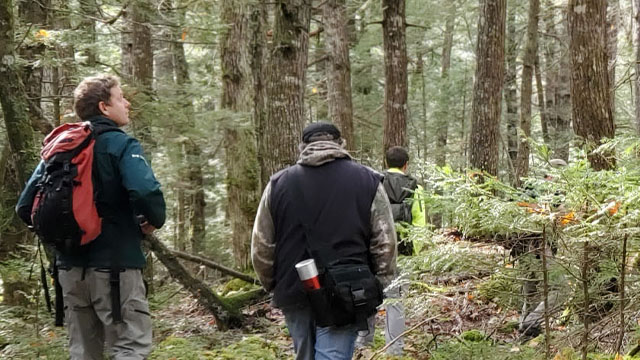 Protecting Eastern hemlock
Slow the Spread was a five-year project (2019-2024) that focused on protecting priority Eastern hemlock stands.
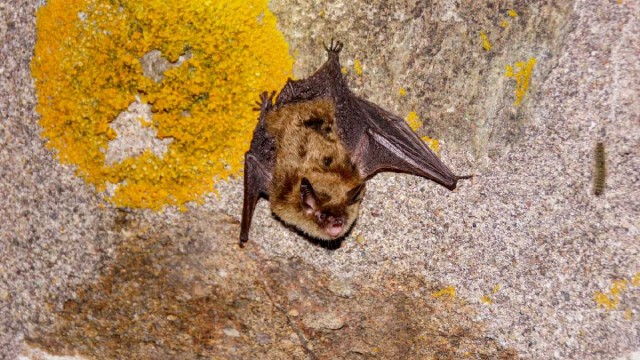 Making life better for bats and people in Canada
Parks Canada is committed to doing its best to slow the spread of white-nose syndrome.
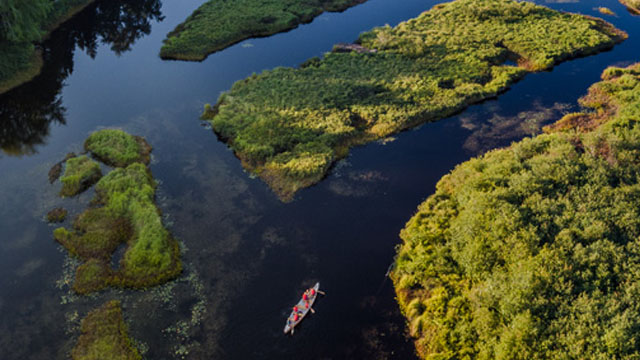 Freshwater ecosystem conservation
Kejimkujik's freshwater ecosystem is no stranger to environmental threats, including acid rain and invasive fish species.
Projects at Kejimkujik National Park Seaside
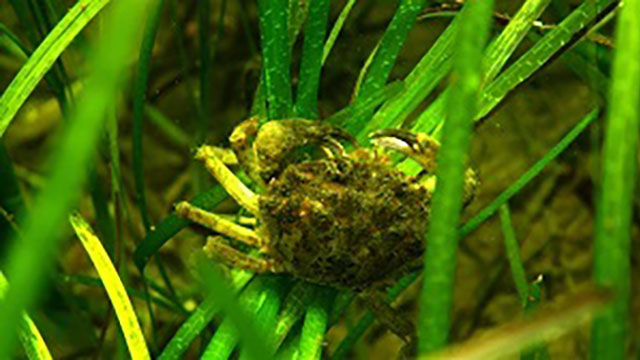 Coastal estuary restoration
Kejimkujik National Park Seaside protects a unique diversity of coastal habitats and communities in close proximity to each other.
 Protecting species
The recovery programs of some of the species at risk at Kejimkujik and Kejimkujik Seaside.
- Date modified :