
Fire ban information
Cape Breton Highlands National Park
Fire Weather Index (FWI) tells us how easily a fire could start, how difficult a fire may be to control, and how long a fire might burn in a specific area.
There are five possible fire danger levels on the FWI that determine the extent of fire bans or fire restrictions in Cape Breton Highlands National Park: low, moderate, high, very high, and extreme.
Use of the following items is prohibited during a fire ban:
.png)
.png)
.png)
.png)
.png)
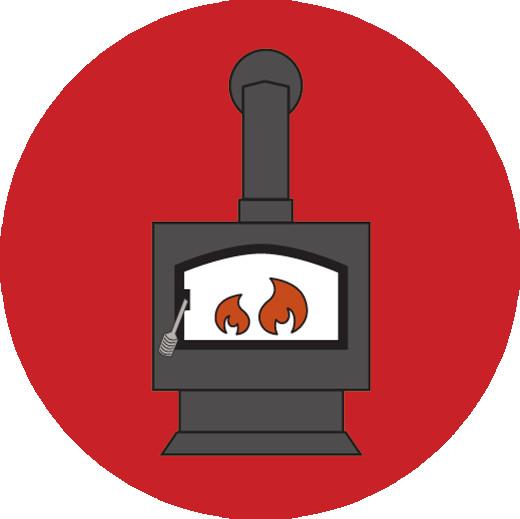
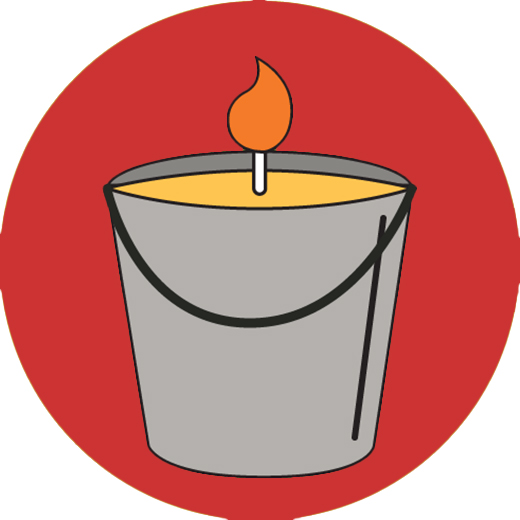
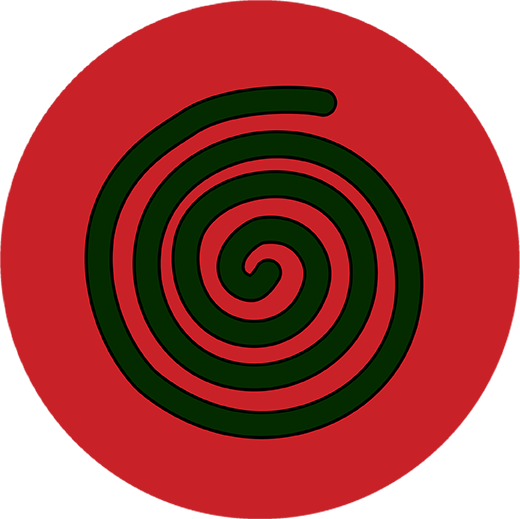
Use of the following items is permitted during a fire ban:
.png)
.png)
.png)
.png)
Frequently asked questions
What is a fire ban?
A fire ban is a legal restriction on certain types of fires to prevent human-caused wildfires. In a national park, burning illegally could lead to a fine of up to $25,000.
How does the park decide if a fire ban is needed?
Fire bans are based on local fire hazards, current and forecasted weather conditions, the amount of moisture in vegetation, the regional wildfire situation and the availability of responders and equipment.
Current and forecasted conditions are evaluated on a daily basis.
What is fire danger?
Fire danger is an index that tells us how easily a fire could start, how difficult a fire may be to control and how long a fire might burn.
Fire ban status is determined by long term trends rather than daily weather or fire danger.
Why is there a fire ban even though it is cold and rainy?
It takes a lot of rain to restore moisture to deep soil layers, trees, and logs that have dried out. Rain quickly evaporates when followed by warm temperatures and wind. This means fire danger can quickly return to high or extreme.
The regional wildfire situation may be more active. It is important for Parks Canada not to have human-caused fires that may divert resources from active wildfires in other areas.
Does a provincial fire ban apply to national parks?
No, regulations and conditions such as weather, elevation and forest health are not always the same in the province and national parks.
For more information on fire bans within the province of Nova Scotia, please visit:
Where can I have a fire once a fire ban is lifted?
When fires are allowed, they must be in metal fire pits or boxes provided by Parks Canada. Random fires are never allowed.
More information
- Date modified :