
Innu Nation - Parks Canada Interim Park Management Guidelines
Akami-Uapishkᵁ-KakKasuak-Mealy Mountains National Park Reserve
Nakatuapatetau
Akamiu-Uapishku
Taking Care of Akami-Uapishku-Kakkasuak-Mealy Mountains National Park Reserve Together
Published: June 2025
Prepared by: Innu Nation in collaboration with Parks Canada
Table of contents
Message from the Innu Nation - Grand Chief and Deputy Grand Chief
Message from the Cooperative Management Board
The Establishment of AKAMI-Uapishku-Kakkasuak-Mealy Mountains National Park Reserve
Kanakatuentak Assinu Nte Akamiu-Uapishku Innu Stewardship Plan
Nakatuapatetau Akamiu-Uapishku Guidelines
1. Redefining, Strengthening and Sustaining Relationships
2. Building, Sharing, and Safeguarding Knowledge
3. Protecting Natural and Cultural Resources and Areas of Special Importance
4. Welcoming Visitors and Developing/Informing Visitor Experience Opportunities
Akami-Uapishkᵁ-KakKasuak-Mealy Mountains National Park Reserve Co-operative Management Plan
- R64-464/2018E-PDF
- 978-0-660-27509-3
For more information about the management plan or about Akami-Uapishkᵁ-KakKasuak-Mealy Mountains National Park Reserve:
- Mailing address
-
Parks Canada Labrador Field Unit
P.O. Box 1510, Station B,
Happy Valley-Goose Bay, NL A0P 1E0,
CANADA
- Telephone
- 1-709-896-2394
- Fax
- 1-709-896-8707
- mealys@pc.gc.ca
Foreword
A place where the Innu way of life is alive.
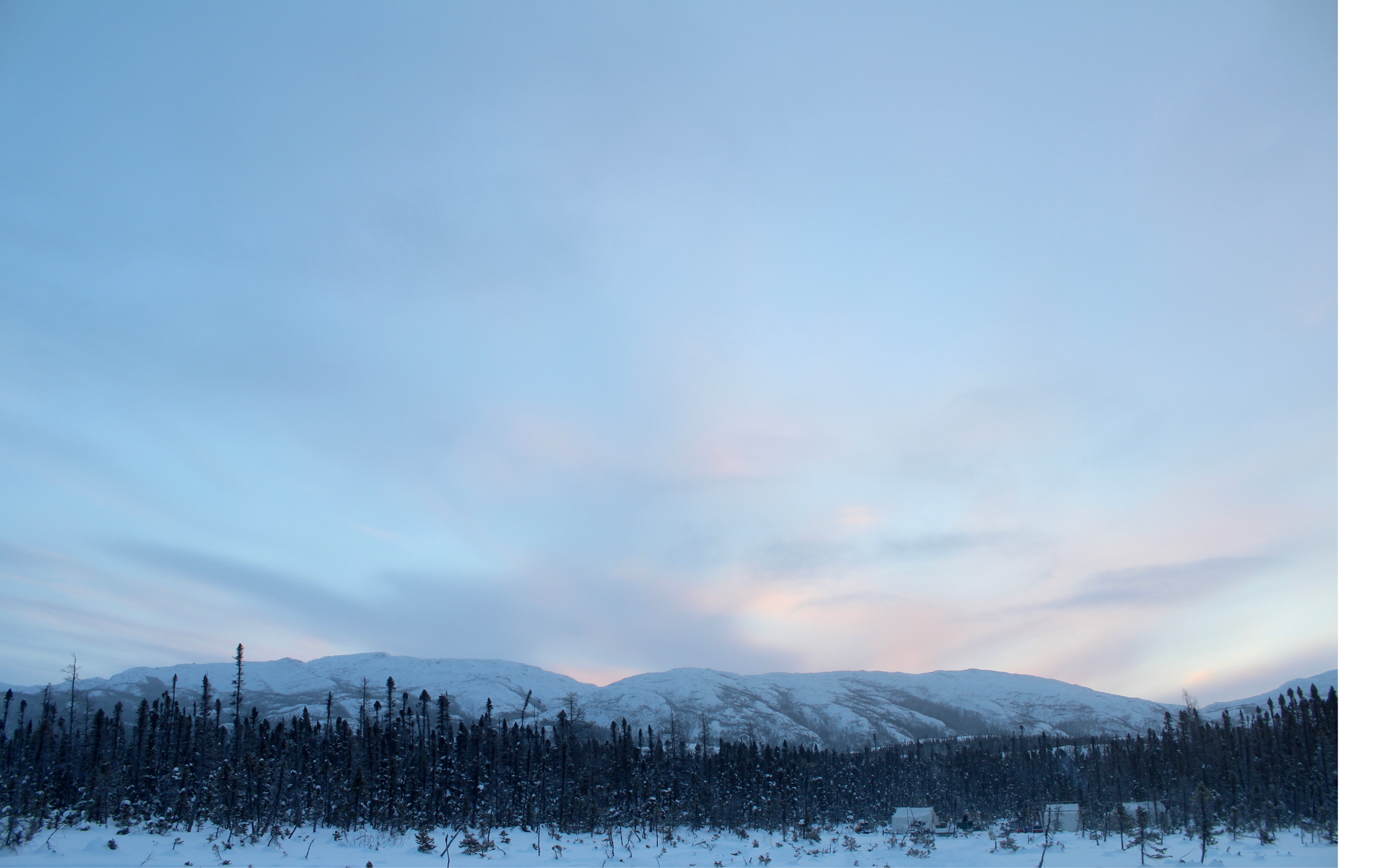
Akamiu-Uapishku is an integral part of Nitassinan, the Innu homeland, and forms a vital link to the cultural and natural heritage of the Innu. An ancient Innu-aimun place name, Akamiu-Uapishku translates to white mountains across in English. The region is a rich cultural landscape crisscrossed by a network of travel routes that pass through places of cultural, natural, and spiritual significance, where Innu families walked with Atiku (the caribou), sustained by the rich resources from the land, making their home for thousands of years. Akamiu-Uapishku represents the profound importance of Nitassinan, a land tied to oral history, legends and spiritual meaning. Akamiu-Uapishku is infused with the spirit of nutshimit and Innu ancestors. It is a place where the Innu way of life is alive.
A Message from the Grand Chief and Deputy Grand Chief 
On behalf of Innu Nation leadership, we are pleased to extend our congratulations to Innu Nation and Parks Canada staff on the bi-lateral creation of the enclosed Interim Management Guidelines for the Akami-Uapishku-KakKasuak-Mealy Mountains National Park Reserve.
The development of these Guidelines was led by Innu Nation in partnership with Parks Canada. The Guidelines set out a strong foundation and path to a Final Management Plan for the National Park Reserve that will be deeply informed by an Innu Stewardship Model that embodies Innu values, culture, and our relationship to the lands of Nitassinan.
There are thousands of years of evidence of Innu living on the lands that are now protected by the National Park Reserve. This protection ensures Innu can continue to honour and steward these lands into the future as generations of our ancestors have done.
Tshinashkumitan.
Grand Chief Simon Pokue
Deputy Grand Chief Chris Rich
Message from the Cooperative Management Board
As you know, the Innu Nation – Parks Canada Cooperative Management Board (CMB) for the Akami-Uapishku-KakKasuak-Mealy Mountains National Park Reserve (NPR) was established pursuant to the Innu Nation Park Impacts and Benefits Agreement (PIBA) concluded between Canada and the Innu Nation.
Pursuant to s 5.2 of the PIBA, the Innu Nation and Parks Canada have jointly established guidelines in respect of management planning for the National Park Reserve. As the Board works to fulfill its role and mandate, the Board has reviewed the final draft of the Interim Management Guidelines (IMG) and discussed the document at duly convened meetings on February 7th, 2023 and September 14th 2023. The Board congratulates the Parties on this significant achievement in the park establishment process.
The IMGs are a valuable partnership document representing a comprehensive set of strategic principles and goals to guide the work towards a final management plan, recognizing the Central Role of Innu Nation in the planning and management of the Park. The guidelines are also an integral part of the framework and model for Innu stewardship of Akamiu-Uapishku; the lands, history and culture of Nitassinan.
The Board endorses the IMGs and encourages the Parties to continue working together going forward in the management planning process while implementing operational issues related to protection of natural and cultural resources, visitor experience and public education.
Thank you,
Steven Joudry Chair, Innu Nation – Parks Canada Cooperative Management Board
Akami–Uapishku-KakKasuak-Mealy Mountains National Park Reserve
A bold vision
Innu Nation and Parks Canada envision the National Park Reserve will embody the spirits of nutshimit and Innu ancestors, a pristine and spiritual landscape where the relationship between Innu and the land is alive, where Innu way of life, spirituality, culture, language, and history are protected, shared and celebrated by Innu and non-Innu, and where Innu Nation and Parks Canada inspire a transformative visitor experience and window into the Innu world.
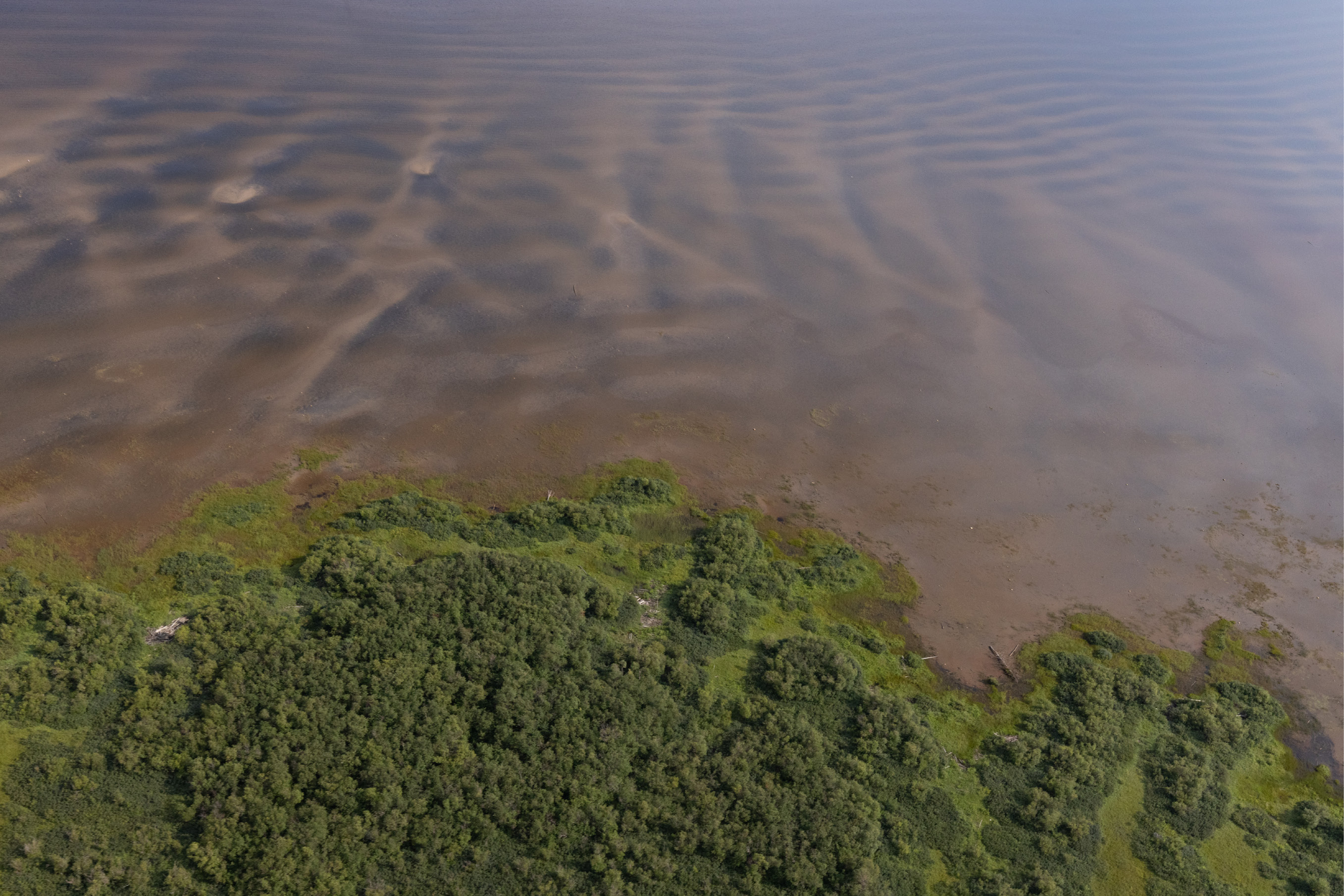
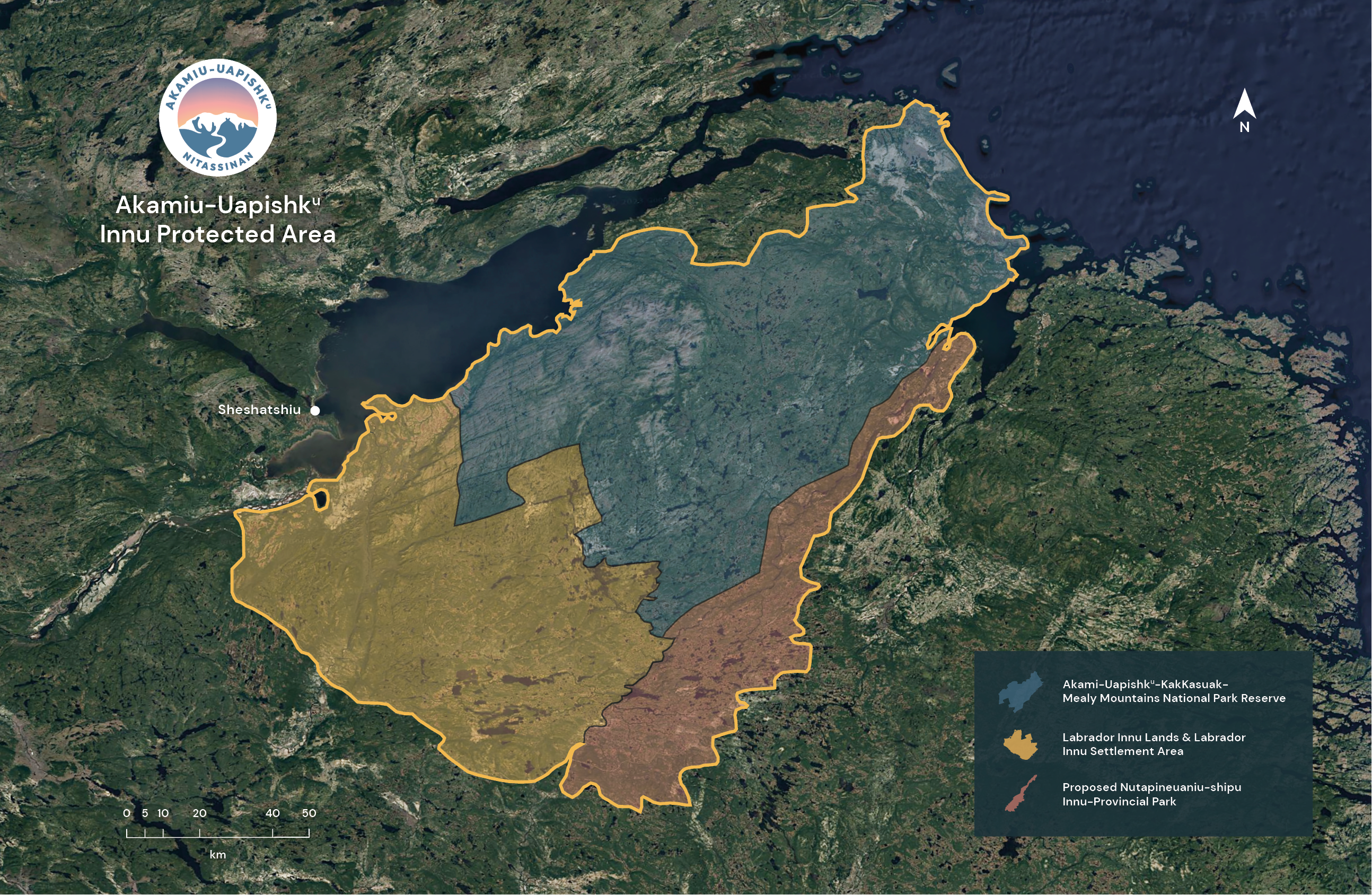
Innu Nation are working to establish a protected area over 21,000 km2 of the Akamiu-Uapishku region. The National park Reserve protects 10,700 km2 of this land.
The Establishment of AKAMI-Uapishku-Kakkasuak-Mealy Mountains National Park Reserve
Akami-Uapishku-KakKasuak-Mealy Mountains National Park Reserve was established in 2015, becoming the first protected area in which Labrador Innu play a central role, Canada’s 46th National Park Reserve, and the largest national park reserve in eastern Canada. The Akami-Uapishku-KakKasuak-Mealy Mountains National Park Reserve protects 10,700 km2 of the Akamiu-Uapishku region in Labrador, a diverse and stunning array of boreal and sub-arctic landscapes and wildlife. Glacially carved mountains drain whole pristine watersheds from headwaters to the ocean. The extensive boreal forests and wetlands, coastal barrens and sandy beaches are important habitat for populations of caribou, wolves, bears, abundant migratory birds, waterfowl, wild Atlantic salmon, and trout.


During establishment of Akami-Uapishku-KakKasuak-Mealy Mountains National Park Reserve in 2015, Innu Nation negotiated a Park Impacts and Benefits Agreement (Innu PIBA) with Parks Canada, and in 2021, an Incremental Treaty Agreement (ITA) with Crown-Indigenous Relations and Northern Affairs Canada. Through these agreements, Canada is committed to Innu and their representative bodies having a central role in planning, management and operations, and to the Innu Nation-Parks Canada Cooperative Management Board (CMB) acting as the primary body providing advice to the Minister responsible for Parks Canada and Innu Nation on all matters related to management of Akami-Uapishku-KakKasuak-Mealy Mountains National Park Reserve. These agreements set out a framework for cooperative management, economic development, employment opportunities and land use in the context of Innu rights.
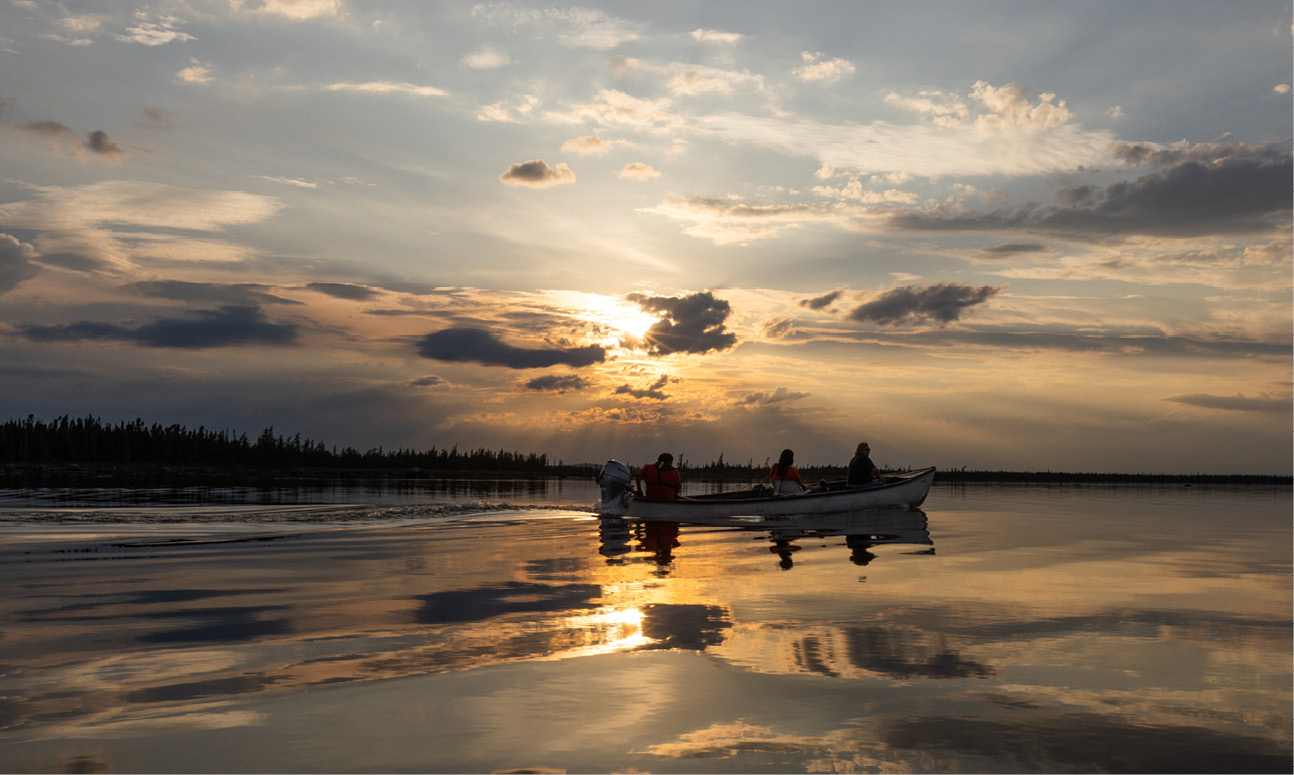
Parks Canada
Parks Canada is committed to a national system of heritage places that recognize and honour Indigenous histories, cultures, contributions, and the integral relationships that Indigenous peoples have with their traditional lands and waters. Cooperative management is an important path forward in advancing reconciliation and reflecting the spirit and intent of the United Nations Declaration on the Rights of Indigenous Peoples.
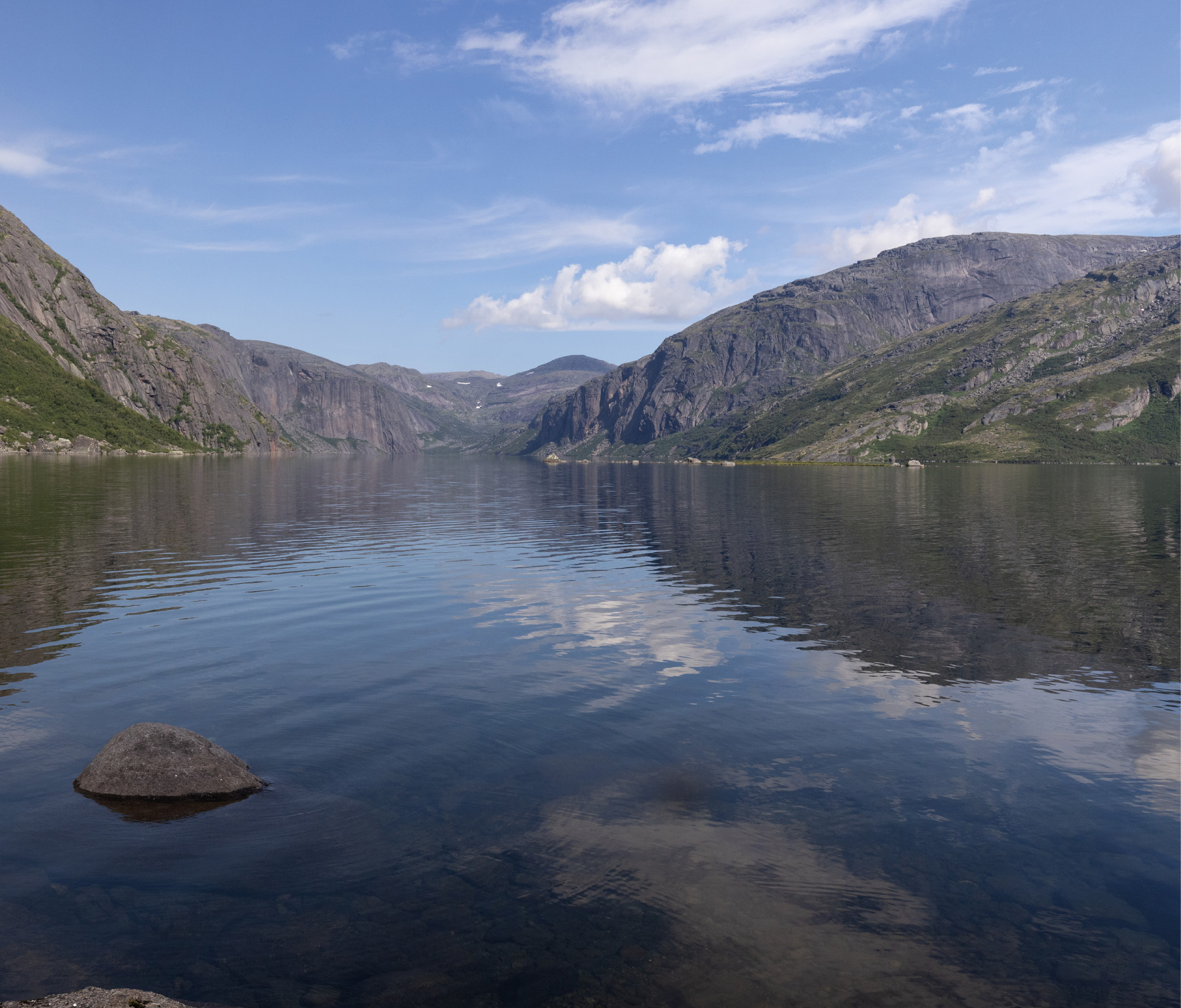
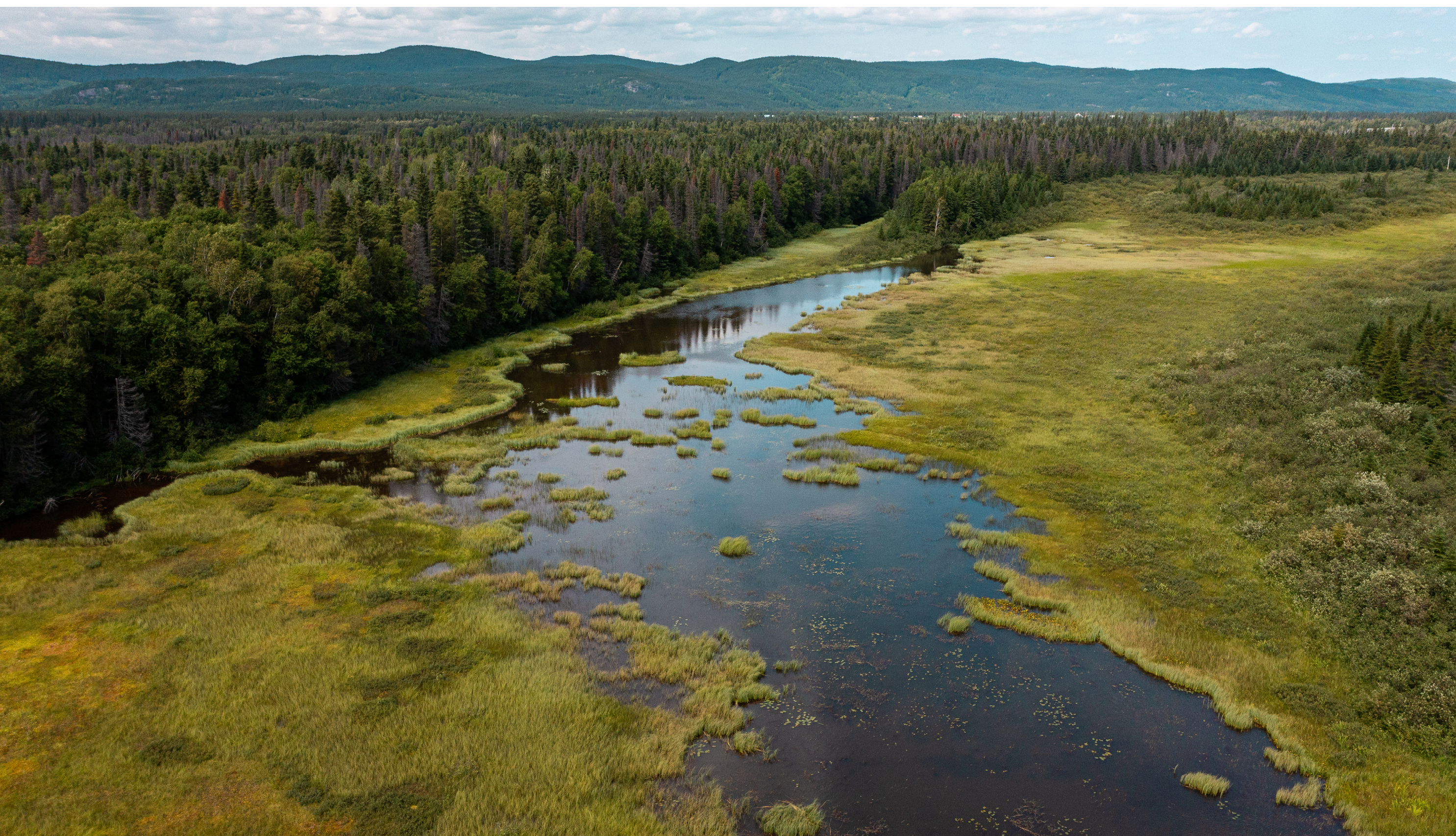 Undisturbed waters are vital to the ecosystem.
Kanakatuentak Assinu Nte Akamiu-Uapishku Innu Stewardship Plan
Innu Nation is leading development of an Innu Stewardship Plan entitled Kanakatuentak Assinu Nte Akamiu-Uapishku (We Who Look After the Lands of Akamiu-Uapishku), over the entire region of Akamiu-Uapishku, approximately 21,000km2. This region encompasses the Akami-Uapishku-Kakkasuak-Mealy Mountains National Park Reserve, a proposed Provincial Waterway Park along Nutapineuaniu shipu (Eagle River), and adjacent Innu lands. It is envisioned the Innu Stewardship Plan will provide a framework for how Innu will steward the Akamiu-Uapishku region into the future, outlining the Innu path to embracing the spirit of nutshimit and Innu ancestors. The Innu Stewardship Plan is a priority for Innu Nation and Parks Canada, in that it will inform the future management plan for the National Park Reserve, identifying actions that will:
- Ensure sustainable Innu-led conservation and management of Labrador Innu homelands
- Protect and preserve important Innu homelands
- Maintain cultural, wellness, language, and spiritual ties to the land
- Maximize economic opportunities for Innu businesses and community
- See Innu traditional knowledge passed to future generations
- Build awareness of Innu culture and welcome visitors.
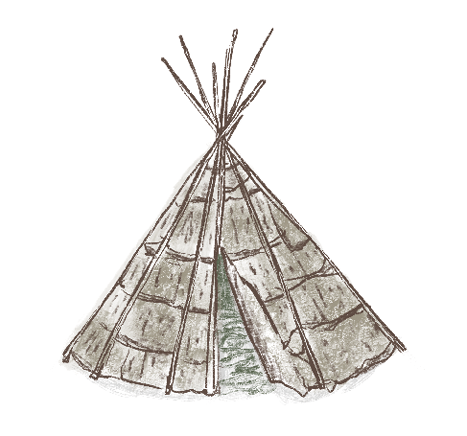
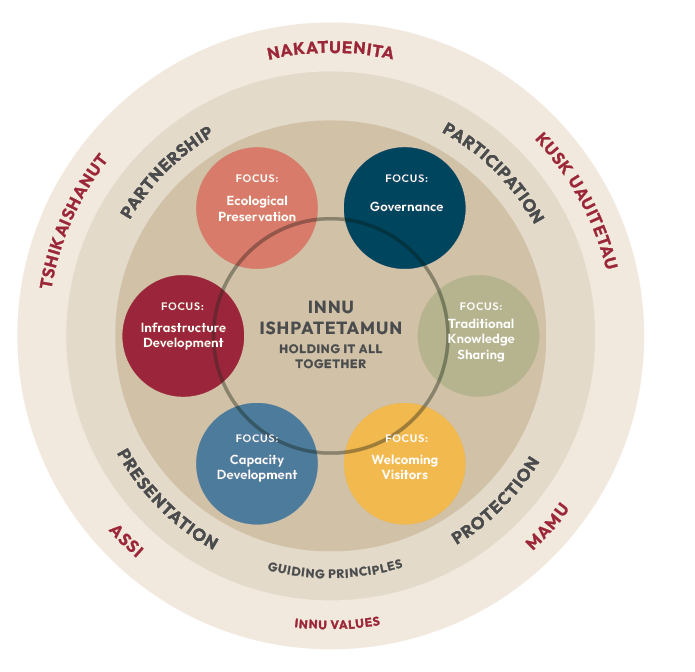
Innu Stewardship Plan Model - Top View of the Tent
Nakatuapatetau Akamiu-Uapishku Guidelines
Recognizing that it will take time for a management plan for Akami-Uapishku-KakKasuak-Mealy Mountain National Park Reserve to come into effect, clause 5.2 in the Innu PIBA calls for guidelines to be established in advance. The Nakatuapatetau Akamiu-Uapishku Guidelines will guide Innu Nation and Parks Canada in the following 5 focus areas:
- Redefining, strengthening, and sustaining relationships;
- Building, sharing, and safeguarding knowledge;
- Protecting natural and cultural resources and areas of special importance;
- Welcoming visitors and developing/informing visitor experience opportunities; and
- Providing public education.
These guidelines will ultimately offer a meshkanu (a way) to steer the Akami-Uapishku-KakKasuak-Mealy Mountains National Park Reserve forward through the first few years of operation in order to meet obligations set out in the establishment agreements. Two focus areas address the foundational issues of strengthening relationships and building a sound knowledge base between Innu Nation and Parks Canada. The other three focus areas are operational in nature, addressing cultural and ecological protection, visitor experience, and public education. Corresponding objectives and activities focus on the period prior to the development of a Management Plan.
An Adaptable and Evergreen Approach
Innu Nation and Parks Canada will maintain an open dialogue to ensure the Guidelines remain relevant and meaningful. The Guidelines will be assessed annually and parties will seek implementation advice from the CMB. If important information comes to light prior to the annual assessment, Innu Nation and Parks Canada will convene the CMB to discuss if an update is required.
1. Redefining, Strengthening and Sustaining Relationships
A solid partnership is required to meet the commitments outlined in the Innu PIBA and ITA. With a focus on reconciliation, the Redefining, Strengthening, and Sustaining Relationships focus area identifies objectives and activities to strengthen and sustain a renewed and strong relationship between Innu and Parks Canada toward inclusive management of Akami-Uapishku-KakKasuak-Mealy Mountains National Park Reserve. Clarifying the Innu Nation’s central role in planning and management will help to define the partnership. Community engagement and support will strengthen connections between community, youth, elders, knowledge holders and the land, and sustain partnerships with Parks Canada over the long term.
1.1 Development of Innu Stewardship Plan to inform future cooperative management in Akami-Uapishku-KakKasuak-Mealy Mountains National Park Reserve
- Innu Nation engages Innu organizations, tshenut, youth, and community to inform the Innu Stewardship Plan.
- Innu Nation works with Innu and other partners to develop an Innu Stewardship Model that outlines the main priority areas of the Stewardship Plan for Akamiu-Uapishku.
- Parks Canada provides capacity and resource support to allow the development of a strong Innu Stewardship Plan, including supporting community outreach, participating in community events and nutshimit (on-the-land) sessions, and providing relevant opportunities for building capacity.
1.2 Innu Nation and Parks Canada work respectfully together
- Parks Canada clarifies central role of Innu Nation in the context of multiple bi-lateral establishment agreements.
- A mutually-developed process ensures that Parks Canada and Innu Nation engage and communicate in a respectful and timely fashion on issues related to park planning, management and operations.
1.3 Meaningful Community Engagement in Sheshatshiu
- Parks Canada and Innu Nation organize relevant public forums, community events, and youth programmes to build, strengthen and sustain relationships.
- Parks Canada ensures that traditional Innu ecological knowledge informs cooperative management and decision-making in Akami-Uapishku-KakKasuak-Mealy Mountains National Park Reserve.
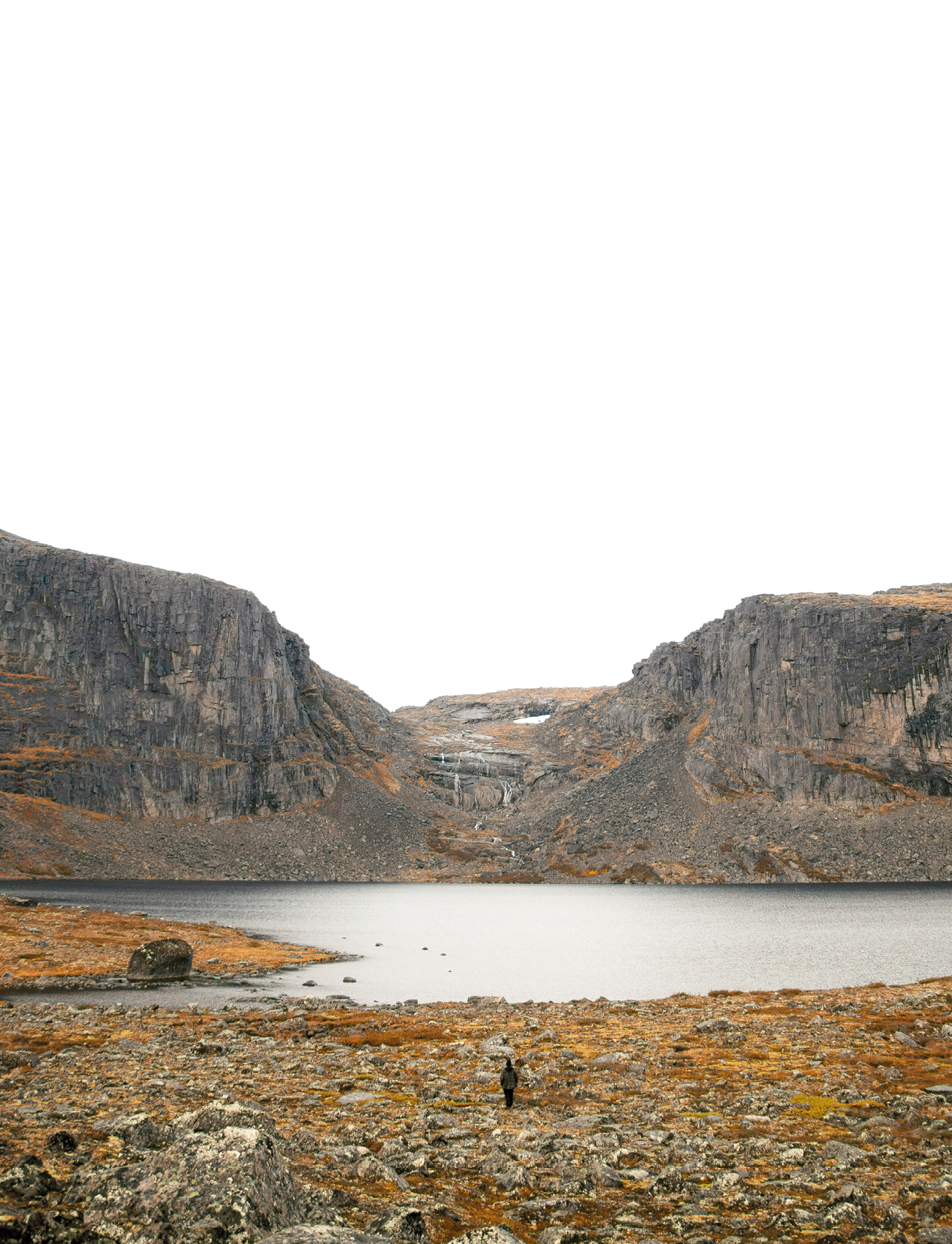
“We take care of our environment very well in our land because we know that if we take care of it, it’ll take care of us. And that’s what we’ve been told by our elders.”
Jack Penashue, Innu Superintendent
2. Building, Sharing, and Safeguarding Knowledge
Building, Sharing and Safeguarding a knowledge base is a cornerstone of planning as the Akami-Uapishku-KakKasuak-Mealy Mountains National Park Reserve shifts from establishment to an operational phase. As Innu age and pass on, the ability of communities to carry on and transmit this traditional ecological and cultural knowledge to the next generation is impacted, creating an urgent need for Innu Nation and Parks Canada to protect Innu culture and ensure cultural continuity in the Akamiu-Uapishku region. Research partnerships will also play an imporant role. Innu traditional ecological knowledge, combined with western research conducted in and around Akamiu-Uapishku, form the foundation upon which management decisions will be based and help identify areas of special importance, including sensitive natural and cultural resources.
2.1 Capacity development in Innu Nation and Parks Canada ensures all staff involved in Akami-Uapishku-KakKasuak-Mealy Mountains National Park Reserve management and operations have skills and knowledge to work effectively together.
- Parks Canada hosts capacity-building sessions with Innu Nation Parks office to ensure staff have an understanding of relevant legal and regulatory requirements for the NPR, Parks Canada processes, best practices and operations, and through this knowledge are fully engaged in cooperative management.
- Parks Canada staff continue to acquire the skills and knowledge to work respectfully with Innu Nation.
2.2 An Interim Research Strategy for Akami-Uapishku-KakKasuak-Mealy Mountains National Park Reserve identifying the short-term priorities to guide research is drafted in line with the PIBA.
- Parks Canada develops the Interim Research Strategy in line with Innu Nation PIBA Chapter 10, with provisions to guide how information will be documented, protected, shared and used.
- Innu traditional knowledge informs the Interim Research Strategy. Especially, Innu knowledge of Atiku (caribou) will be respected and will inform research.
- Parks Canada engages Innu Nation to identify short-term priorities so that the Interim Research Strategy balances protection with visitor experience and economic development opportunities.
- Parks Canada and Innu Nation host community-based sessions to help identify knowledge gaps and inform research priorities.
- Parks Canada engages researchers conducting research in the region of Akami-Uapishku-Kakkasuak-Mealy Mountains National Park Reserve to help identify knowledge gaps.
- Parks Canada will develop a consultation protocol for reviewing research applications.
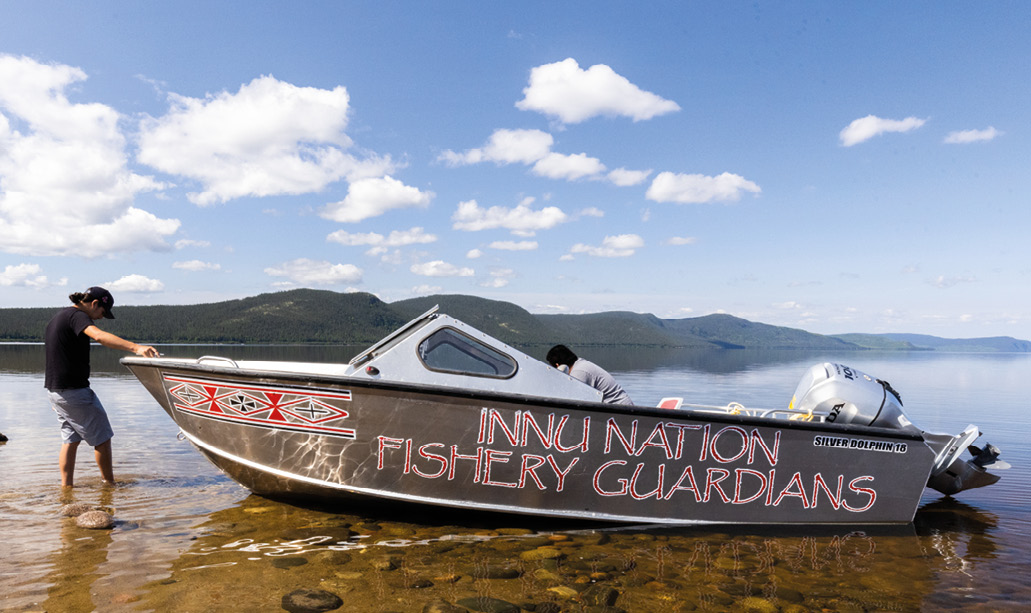
2.3 Development of an Innu Land Guardian Program that incorporates both Innu traditional knowledge and western conservation science is initiated and contributes to fire management, ecological and cultural monitoring, and visitor experience in culturally-relevant ways.
- Training sessions in both Innu traditional knowledge and western science knowledge and skills are jointly designed and conducted by Innu Nation and Parks Canada.
- Parks Canada provides mentorship in federal legislation that applies to the National Park Reserve (including Species at Risk Act, Migratory Birds Act, etc.).
2.4 Parks Canada supports current efforts to preserve Innu oral history and the embeddedness of language in the cultural landscape.
- Parks Canada supports Innu Nation in their efforts to document and preserve oral history, Innu-aimun, and place names in accordance with Akamiu-Uapishku Innu Stewardship Plan and community direction.
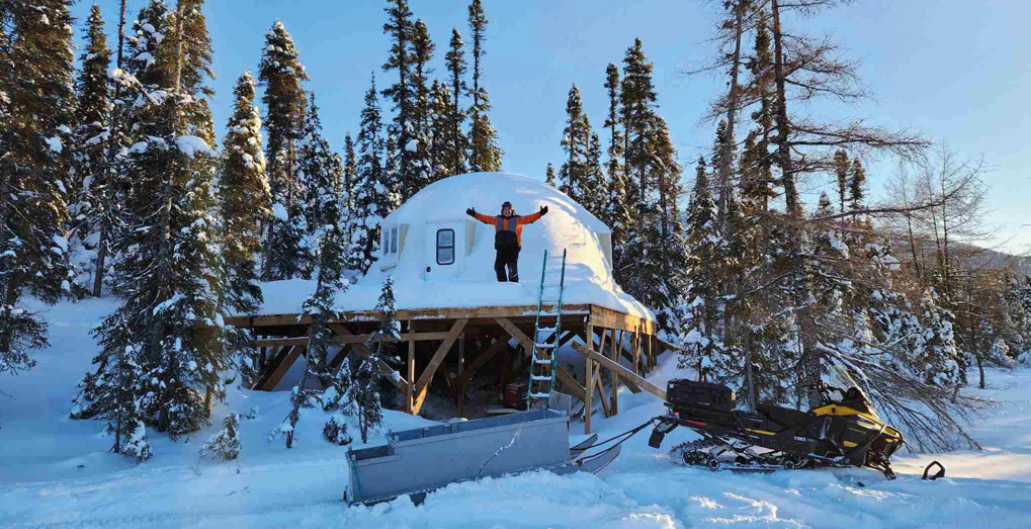
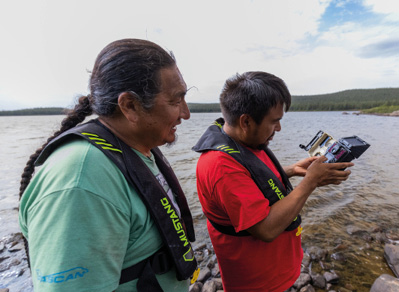
Innu Parks' emergency shelter for all in Akamiu-Uapishku.
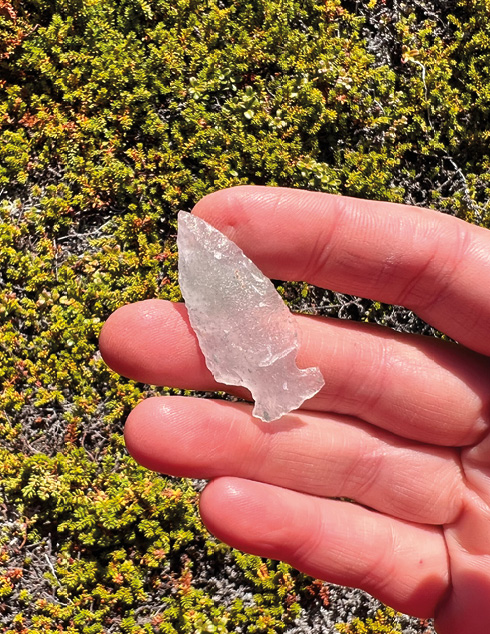
I think it’s really important because for me, personally, knowing the history of where my people came from. We’ve been here more than three thousand years – so finding this evidence right in our community, it’s mind boggling. It’s amazing.
Innu Nation Guardian
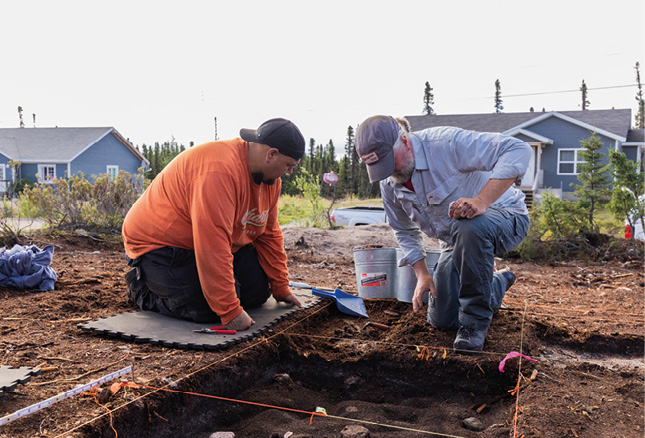
3,000 year old site in Sheshatshiu.
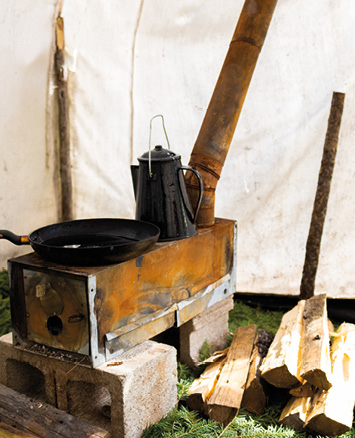
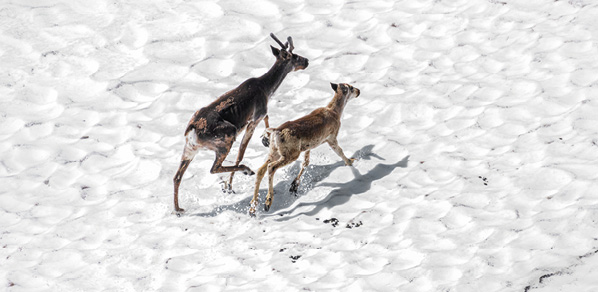
Caribou - Atiku
3. Protecting natural and cultural resources and areas of special importance
The lands and waters of Akami-Uapishku-KakKasuak-Mealy Mountains National Park Reserve hold a deep significance for the evolution of Innu values, spirituality, and way of life. Traditional Innu spiritual perspectives have created meaning from thousands of years of evolution in Nitassinan. The Innu worldview is based in an understanding that Innu are part of the natural ecosystem of Nitassinan. Protection and preservation of the environment equates to protection and preservation of Innu culture, language, knowledge and ways of knowing. Establishing opportunities for Innu, especially youth and elders, to reconnect with the land is of paramount importance in addressing the profound impacts of colonization. Supporting opportunities for sharing stories and for intergenerational knowledge transmission are important steps towards healing Innu connections to nutshimit that were severed in the past. Through a strengthened connection to nutshimit, the next generation of Innu stewards will be cultivated, helping to keep their ancestors’ legacy and the spirit of nutshimit alive. This focus area identifies strategies for ecological and cultural protection prior to the development of a management plan for Akami-Uapishku-Kakkasuak-Mealy Mountains National Park Reserve.
3.1 Areas of special cultural and ecological importance are identified, assessed, preserved, and protected. Innu traditional ecological knowledge is infused with western knowledge to inform how information about these areas will be gathered, monitored, preserved, protected and shared.
- Parks Canada and Innu Nation identify areas of special ecological and cultural importance.
- Protective measures for areas of significance are developed, with priority given to Memekueshut-nipi and the Porcupine Strand.
- A strategy and timeline for assessing current condition of known archaeological sites, including natural impacts from wind or water erosion and climate change, is developed.
3.2 Innu Nation and Parks Canada have a better understanding of the cultural and ecological resources of Akami-Uapishku -KakKasuak-Mealy Mountains National Park Reserve and work together to develop mechanisms for their protection.
- A Parks Canada Resource Conservation Manager is hired.
- A Senior Innu Guardian is hired.
- Opportunities for partnership between the respective conservation programmes are identified.
- Planning is initiated for staffing of additional positions to support natural and cultural conservation and management needs.
- Parks Canada builds capacity at Innu Nation to support ongoing regulatory obligations related to the environment and natural and cultural resources, including research and collection permitting, Species at Risk Act implementation and permitting, and impact assessment.
- Parks Canada continues to develop a Wildland Fire Management Plan in partnership with Innu Nation that guides all strategies, tactics and actions for managing wildfire risk, restoring and maintaining ecological integrity and cultural landscapes, and providing visitor experiences for appreciation and understanding of wildland fire management.
- The Mealy Mountain Caribou Survey is completed, with a report disseminating results to communities annually.
- Parks Canada holds a workshop with traditional ecological knowledge holders to inform future development of an ecological integrity monitoring program.
3.3 The presentation, management and safekeeping of Innu archaeological and cultural material is guided through an Archaeology Memorandum of Understanding (MOU), responding to the commitment outlined in Chapter 11 of the PIBA.
- In consultation with the Province, Parks Canada and Innu Nation jointly develop a MOU regarding permitting, presentation, management and safekeeping of Innu archaeological and cultural material found in Akami-Uapishku-KakKasuak-Mealy Mountains National Park Reserve.
- Parks Canada and Innu Nation outline an effective and timely process for reviewing archaeological permits until the MOU is developed.
- The MOU will be developed to include standards for the safekeeping of Innu Archaeological and Ethnographic material, taking into account the Cultural Resource Management Policy of Parks Canada and other relevant documents, policies and legislation.
3.4 The Parties work collaboratively to increase Innu employment opportunities and staff retention.
- Parks Canada develops a human resources strategy that addresses barriers to employment experienced by Innu.
- Parks Canada integrates mentoring, job shadowing and training opportunities into park programs to increase capacity, employability, and career opportunities.
3.5 Sites with hazardous and non-hazardous waste have been identified.
- Parks Canada develops a strategy for the removal of hazardous and non-hazardous waste sites within Akami-Uapishku-KakKasuak-Mealy Mountains National Park Reserve and collaborates with Innu Nation on this initiative.
3.6 Community members, especially youth, have opportunities to travel, connect with the land and their culture, and develop skills that help empower the next generation.
- Parks Canada supports opportunities for youth, adults and elders to connect on the land.
- Hiring Innu youth by Parks Canada, Innu Nation Parks office and the Innu Parks Guardian Program is prioritized.
3.7 Traditional activities and land-use, as defined in the Memorandum of Agreement for Akami-Uapishku-KakKasuak-Mealy Mountains National Park Reserve, will be managed in a way that maintains ecological integrity, is informed by research and traditional ecological knowledge, and ongoing dialogue with traditional land users.
- Parks Canada establishes a Traditional Activity and Land Use Committee.
4. Welcoming visitors and developing/informing visitor experience opportunities
Future visitation should offer inspirational and authentic experiences that combine discovery, learning, reflection, connection, and recreation. The Innu Stewardship Plan will address welcoming Innu and non-Innu visitors and will be developed in association with Parks Canada’s Community and Visitor Experience Strategy. As visitor operations are developed, known or potential areas of special importance will be protected. Visitor use will help cultivate complementary economic opportunities and contribute to the growth of a conservation economy in the region. As such, initiating planning with Innu Nation for future community infrastructure, including for Parks Canada administrative space and visitor orientation and reception in Sheshatshiu, will help connect visitors to Akami-Uapishku-KakKasuak-Mealy Mountains National Park Reserve, provide public education, support operations, support business training opportunities for local entrepreneurs, and build an innovative tourism sector.
4.1 While future park visitor offers are under development, visitor requests will be reviewed on a case-by-case basis.
- When Parks Canada receives visitor requests, Parks Canada will review and provide request to Innu Nation for consideration and comment.
- For areas of special importance, measures are identified and put into place to ensure visitor access is balanced with protection and public education.
- Parks Canada and Innu Nation work together to develop an interim visitor registration process, that includes both visitor safety and cultural orientation as it pertains to Innu and Innu culture.
- Visitor activity risk assessments and visitor safety plan are developed and updated as required.
4.2 Planning begins for future visitor experience offers and community-based economic opportunities.
- Planning begins for Community and Visitor Experience Strategy, informed through community engagement and Innu Stewardship Planning.
- Planning for future Parks Canada infrastructure needs, including offices and visitor orientation and reception begins with Innu Nation and CMB.
- Information sessions are held in Sheshatshiu on visitor experience, tourism best practices, and future requirements for business licenses.
5. Providing public education
This is the first protected area in Canada in which Labrador Innu play a central role. Fostering public understanding of ecological and cultural landscapes is paramount for Parks Canada and Innu Nation. This focus area aims to build a foundation for public education that can inform future outreach, education, and visitor experience programming so that Canadians will have a greater understanding and appreciation of Innu connection to Nitassinan, including Akami-Uapishku- KakKasuak-Mealy Mountains National Park Reserve.
5.1 Public awareness of Akami-Uapishku-KakKasuak-Mealy Mountains National Park Reserve at local, national, and international levels increases.
- The Akami-Uapishku-KakKasuak-Mealy Mountains National Park Reserve’s website is updated.
- As per PIBA 7.5.3, Parks Canada supports the CMB and/or Innu Nation, when resources permit, to attend national networking gatherings, conferences, and forums where Innu can share and connect with other First Nations and Inuit protected area planners.
5.2 Innu-aimun is celebrated and integrated into visitor experience and public outreach messaging.
-
Innu place names for topographic features within the Akami-Uapishku-KakKasuak-Mealy Mountains National Park Reserve are included in maps, exhibits, signage or other media as they are developed.
- Innu Nation and Parks Canada will develop a glossary of Innu-aimun phrases and terms relevant to Akami-Uapishku-KakKasuak-Mealy Mountains National Park Reserve.
Conclusion
The Nakatuapatetau Akamiu-Uapishku Guidelines are a living document that will adapt as understanding and relationships evolve. The Guidelines will serve as a focus for ongoing engagement and cooperative management of Akami-Uapishku-KakKasuak-Mealy Mountains National Park Reserve until such time as a Management Plan is developed.

Document Accessibility
If you require this document in an alternate format, please contact Parks Canada at info@pc.gc.ca.
- Date modified :