
Forest health
Gros Morne National Park
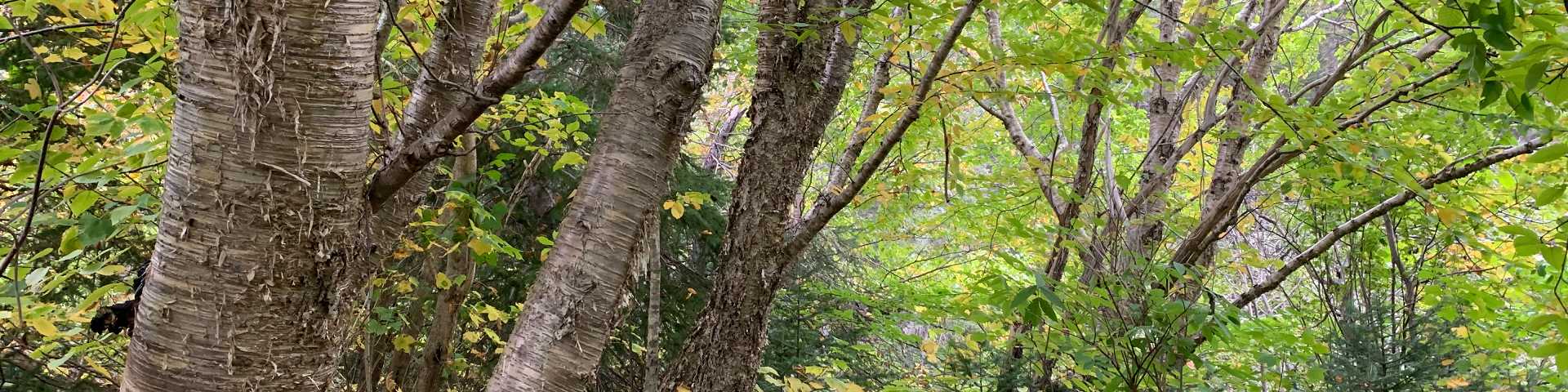
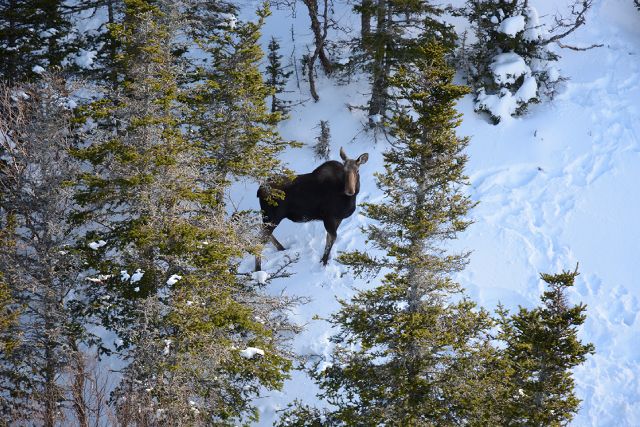
Almost half of Gros Morne National Park is covered by boreal forests in which fir, spruce, and birch are the dominant trees. Though the landscape may look lush and green from a distance, the forest ecosystem in the park faces serious threats to its long-term health. Through monitoring and research, Parks Canada determined that intense browsing by introduced moose was the main stressor impacting forests in the park.
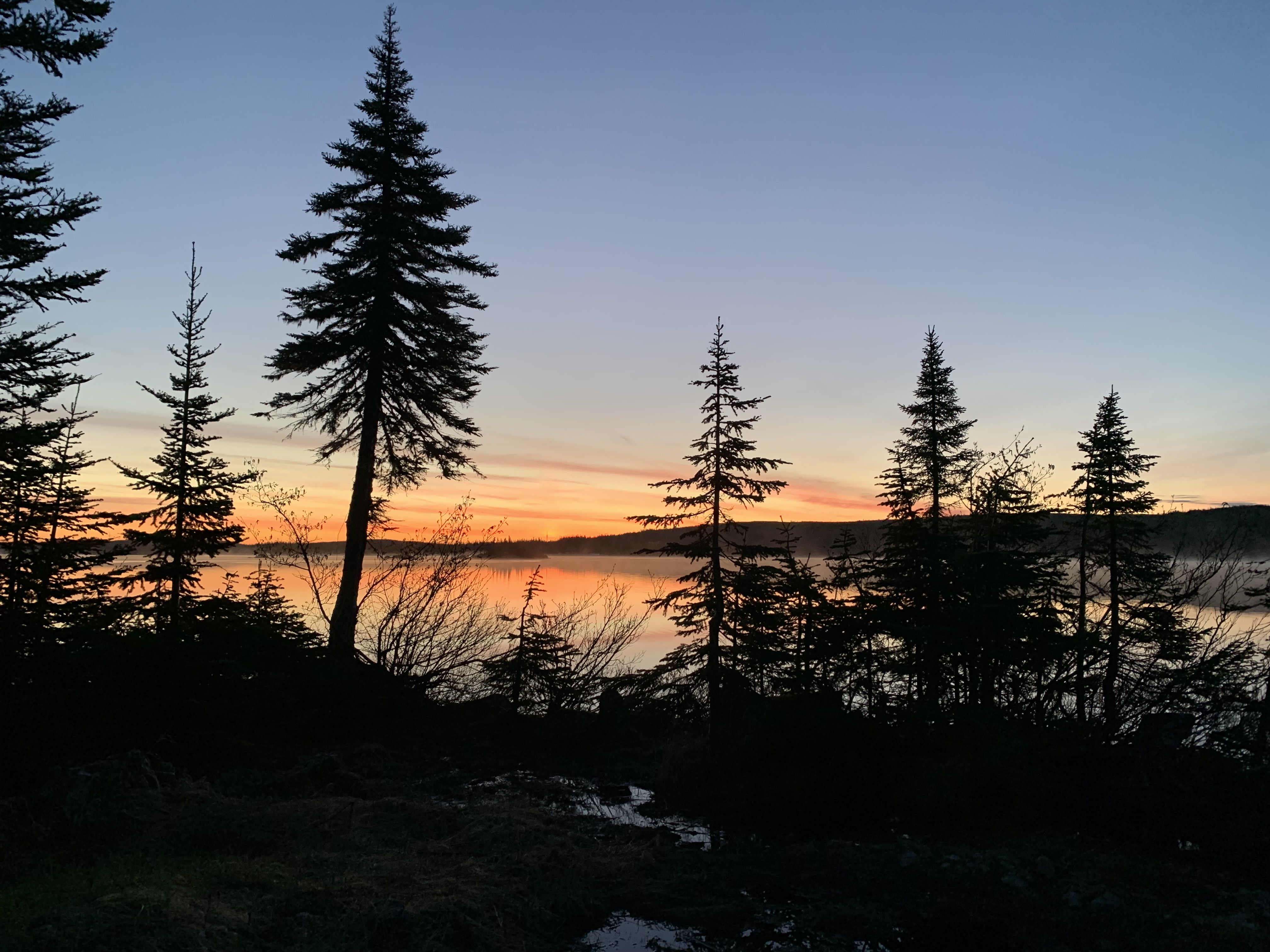
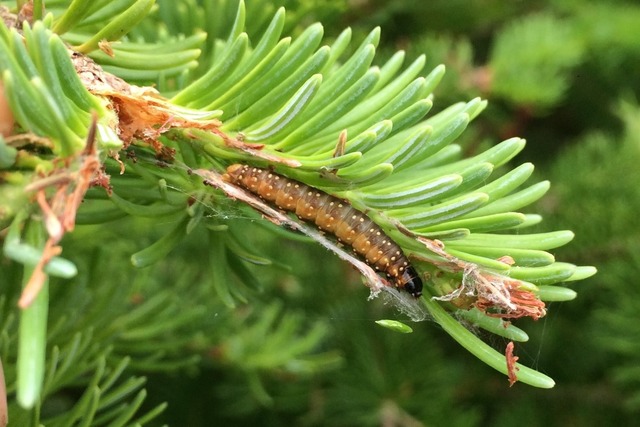
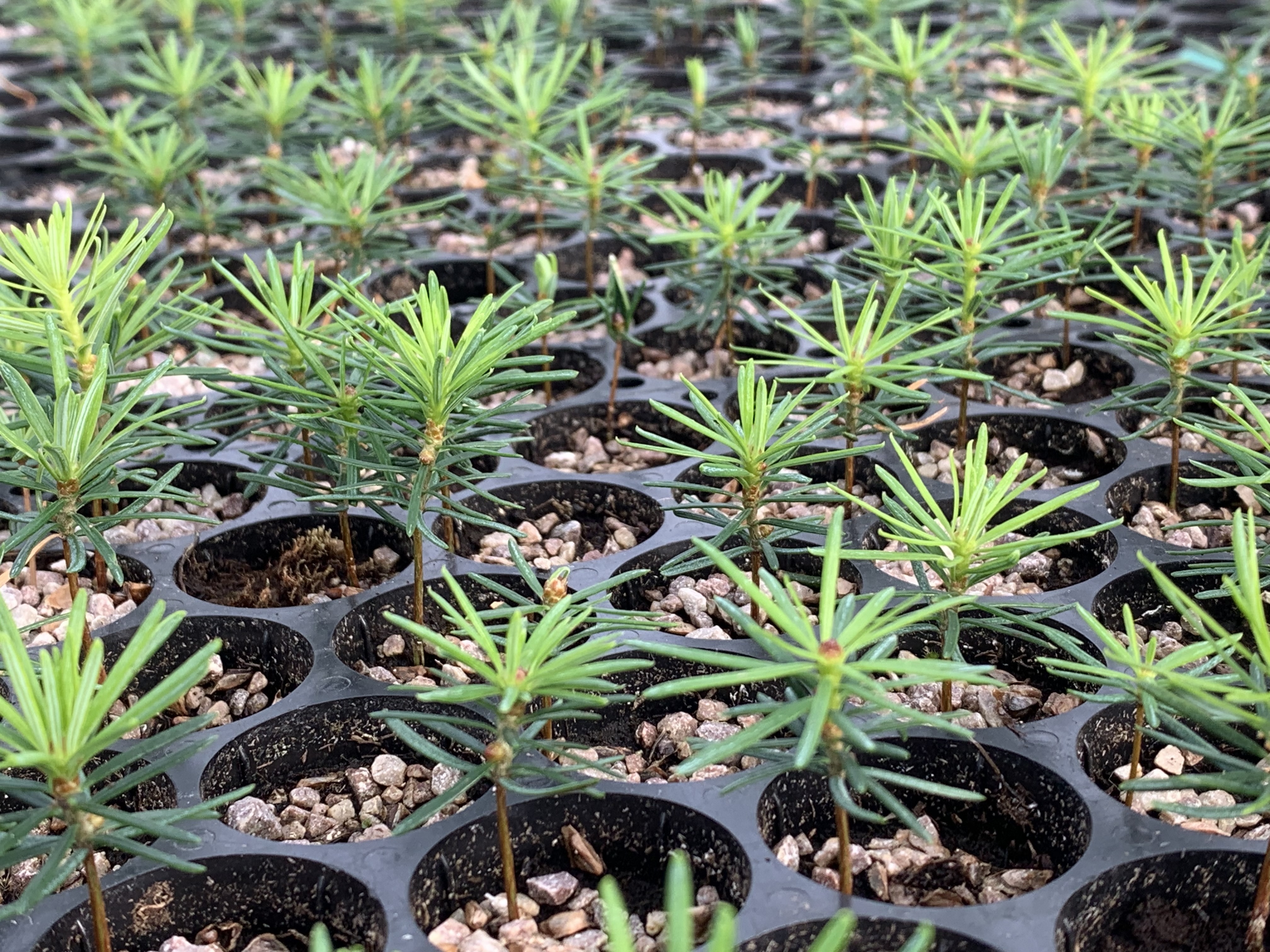
However, other stressors also affect forest health, including several other introduced species, as well as climate change. In addition to impacts on native species, these stressors can also impair the forest’s ability to capture and store carbon from the atmosphere. As a result, restoring forest health can serve as a natural solution to climate change.
You can learn more about the forest ecosystem in Gros Morne National Park and about Parks Canada’s approach to restoring and maintaining forest health in the sections above.
Transcript
We've been working on restoring forest health in the national park here for more than a decade. We started in 2009. The first really big action we took was we implemented a moose population reduction program or moose management program in 2011. And the goal there was to reduce the number of moose in the park to a level that the ecosystem could sustain. We had an issue with having too many moose because there weren't any natural predators that were introduced to the island of Newfoundland. They don't have things like wolves that they would have in other parts of North America to keep their population in check. So we've had good success with the moose management. We now have the moose population at a sustainable level. But we still have a legacy of sites that were severely affected by moose in the past. And so we're going to start now actually going in and physically helping restore forest cover on those parks by planting trees. Our current initiative has a goal of planting a million trees over the next few years. We are really trying to do this in a way that we call climate smart forest restoration. So we're not just thinking about the current climate and the past climate, we're selecting that species mix and the seeds for those trees. We're thinking about the future climate that those sites are going to experience as those trees grow. So there are really three major steps in the restoration work we're doing here in the National Park. The first part is sending our staff out to collect seeds from wild trees, and so we're really trying to target the right species of trees that'll be adapted to our future climate and adapted to the sites where we want to plant them. And we're supplying some of those to a provincial tree nursery to grow trees for us, and we're also growing some other trees here at our own nursery that we've established here, some of the smaller numbers of the specialized trees like hardwoods. We go out, collect as much seed as we think we need and try and get several years at a time. Bring that back to the lab here. And then we can put them in the freezer and store them for possibly up to 20 years and keep pulling out seeds from that collection and growing them. The next step in forest restoration is actually taking those seeds back out of storage, germinating them and growing seedlings. And that's what's happening in this greenhouse here behind us. You can see there's lots of seedlings around here. Now we've started about 15,000 seedlings at this greenhouse this year. Then the third step in restoring our forest is actually taking these seedlings when they're big enough, getting them out to the sites where they need restoring and planting those seedlings. We're involved in more supporting that. We're contracting professional tree planters who really can do that work efficiently and they'll be going out to these sites working with us. We'll make sure they've got everything they need and they can plant thousands of seedlings per day on each of these sites and so very quickly get tens and hundreds of thousands of seedlings planted out in these sites that need restoration in the National Park. Trees are a really important sink of carbon on the planet. And so we're talking in this project in Gros Morne about planting close to a million trees or maybe more than a million trees over the life of the project. Each one of those trees is going to, when it grows, it'll pull carbon out of the atmosphere. It's tying it up. So it's no longer affecting the climate of the planet. And then even when those trees die or when needles fall off those trees, they go down in the forest floor and they go into the soil and they often become tied up as as organic matter in the soil. So you can picture that black peaty layer on top of the soil. And in fact, there can be more carbon in the soil than in the trees in a forest. So by planting these trees and getting forest cover back on these sites that have been affected by past moose over browsing in the park, we can expect then to create a large sink of carbon from the atmosphere. And then over the course of the lifetime of these trees, which may be a century or more, certainly it'll be many decades, those trees will continue to to pull carbon out of the atmosphere. And they'll also help new trees grow back on that site. And so hopefully these sites that are being replanted now will continue for many, many years and decades to be a sink of carbon from the atmosphere.- Date modified :