
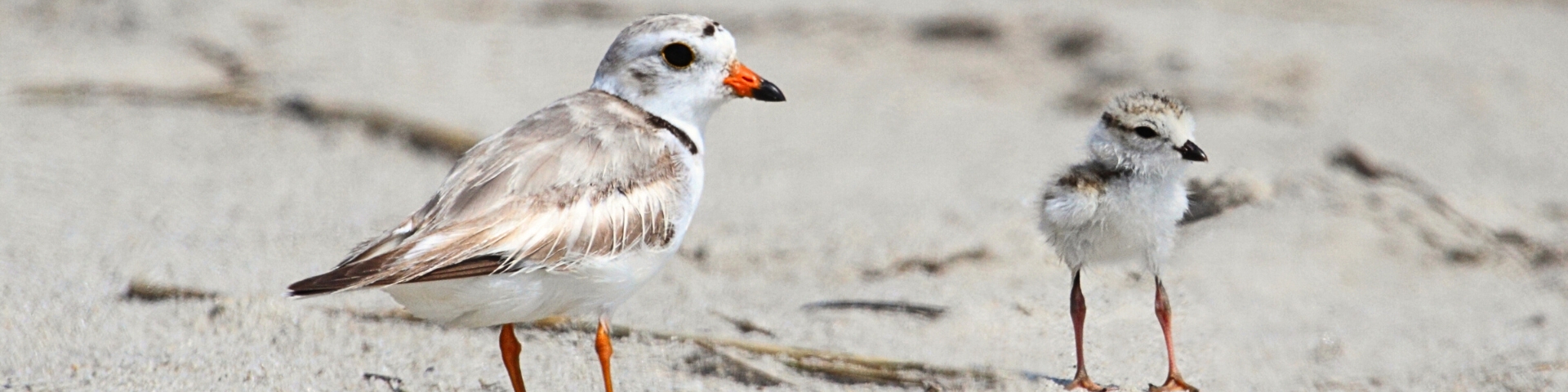
Piping plover recovery
Kouchibouguac National Park
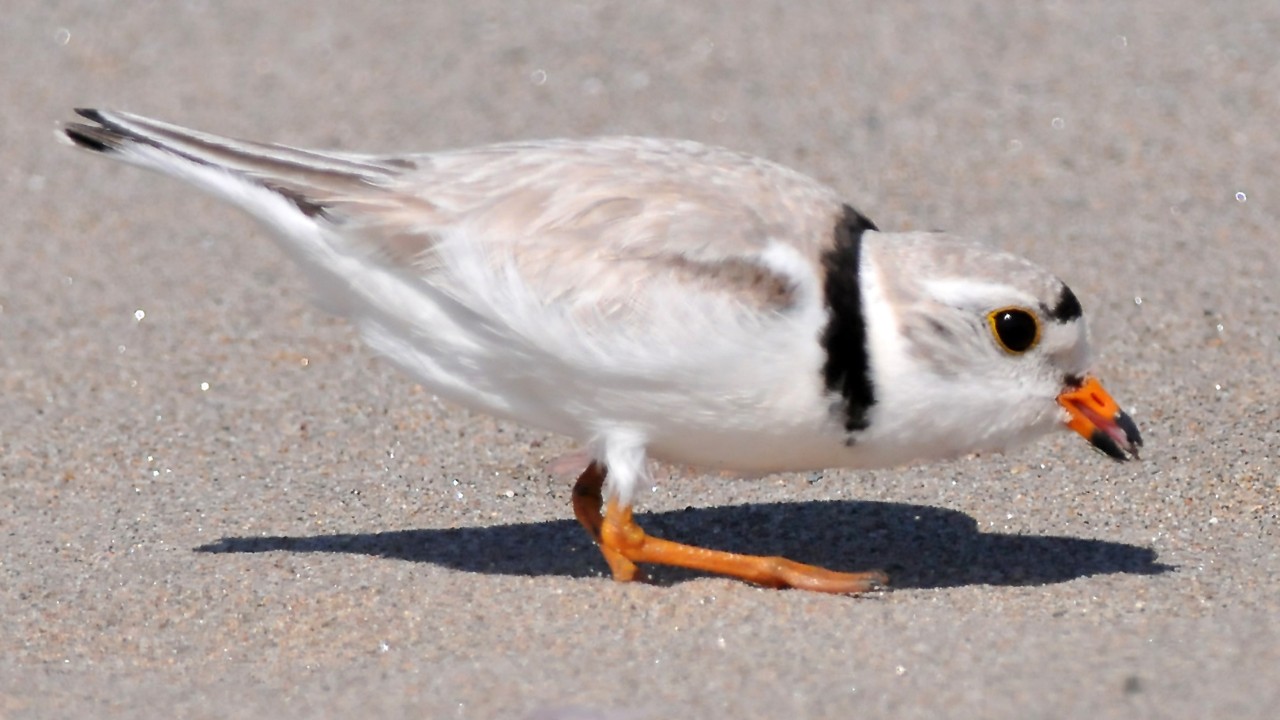
Each spring, the Piping Plover, a small endangered shorebird, returns from the Caribbean to nest along the golden sand dunes of Kouchibouguac National Park. The park’s extensive barrier island dune systems provide some of the most significant and productive breeding sites in Atlantic Canada.
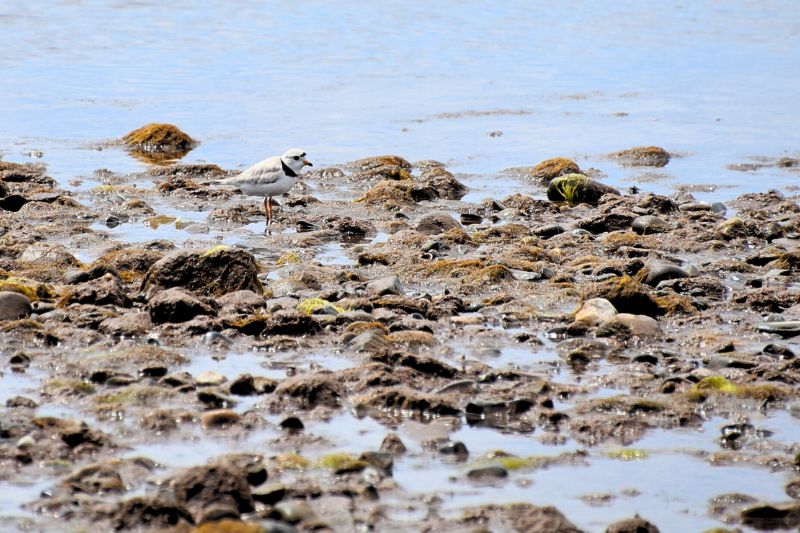
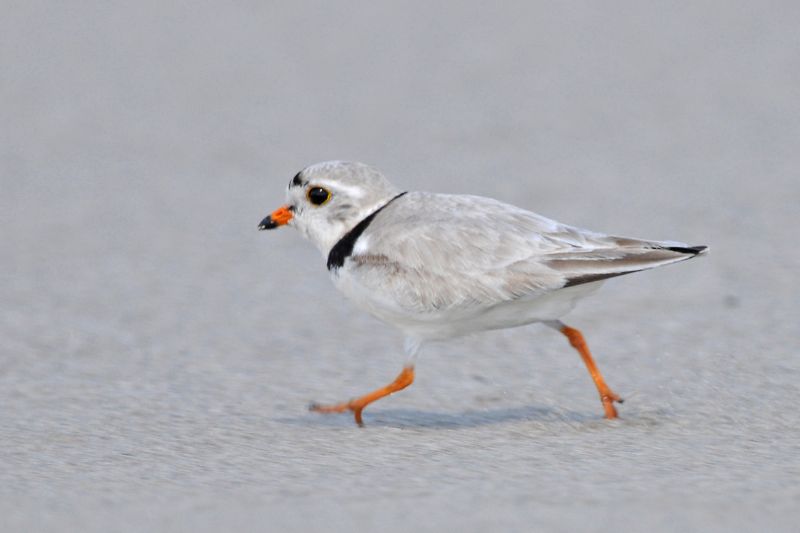
With fewer than 250 breeding pairs left in the country, every successful nest counts. But these birds face many threats—from predators and human activity to habitat loss and climate change. That’s why considerable resources have been devoted to their monitoring and recovery at Kouchibouguac.
A fragile nesting ground
Piping Plovers nest directly on the sand, digging small, shallow scrapes and camouflaging their eggs among pebbles, driftwood, and shells. The wide, open beaches at Kouchibouguac provide ideal nesting habitat, but they also leave eggs and chicks highly exposed to danger.
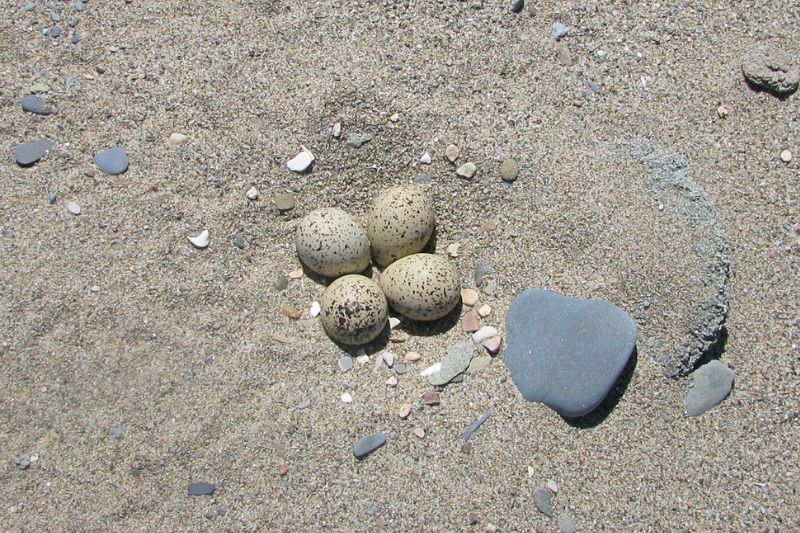
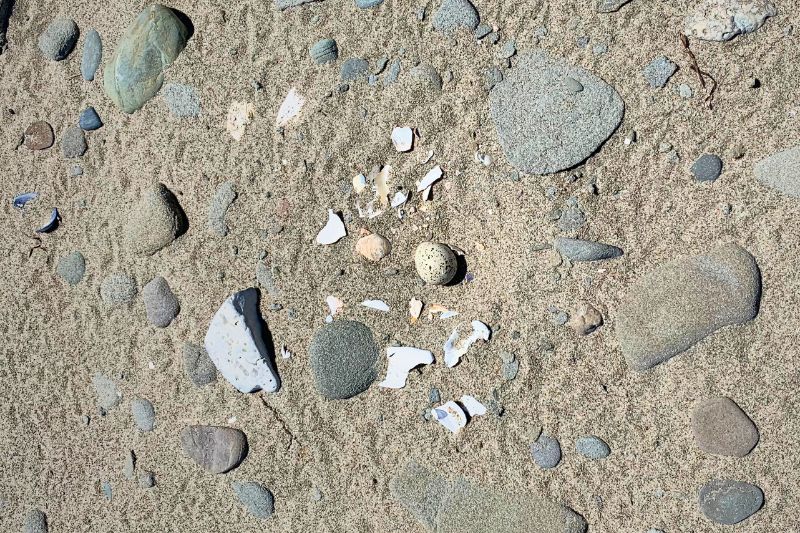
However, nesting on open sand also comes with significant challenges. Plovers face multiple threats during the breeding season, putting both eggs and chicks at risk and making conservation efforts even more critical. The main threats include:
- Predators – Gulls, crows, foxes, and even domestic animals prey on eggs and chicks.
- Human disturbance – People and vehicles can crush nests, leave tracks that trap chicks, and scare adult plovers away from their eggs.
- Climate change – Rising sea levels and severe storms are shrinking the sandy beaches where plovers nest.
Unlike other birds that rely on aggressive defence tactics, Piping Plovers stay still and rely on camouflage when they sense danger. This makes them even more vulnerable to accidental trampling.
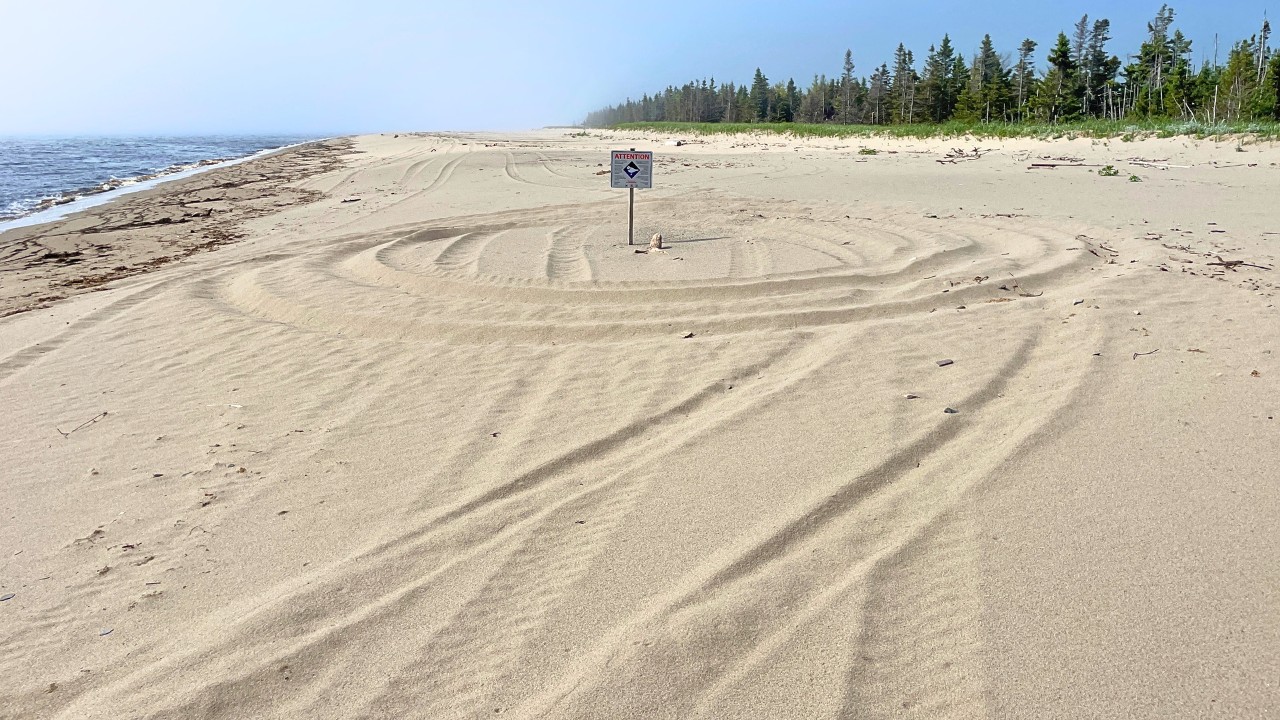
The use of ATVs is not permitted in Kouchibouguac National Park. Severe penalties can be issued under the Canada National Parks Act and the Species at Risk Act. If you witness or suspect illegal activity, call park wardens at 1-877-852-3100 or submit an anonymous tip through Crime Stoppers at 1-800-222-TIPS or www.crimenb.ca.
Conservation efforts
Piping Plovers have long been a signature species for Kouchibouguac National Park. Since the early 1980s, the park has monitored over 500 nesting pairs and seen nearly 800 chicks successfully fledge — an average of 11.5 monitored pairs and 19.7 fledged chicks per year.
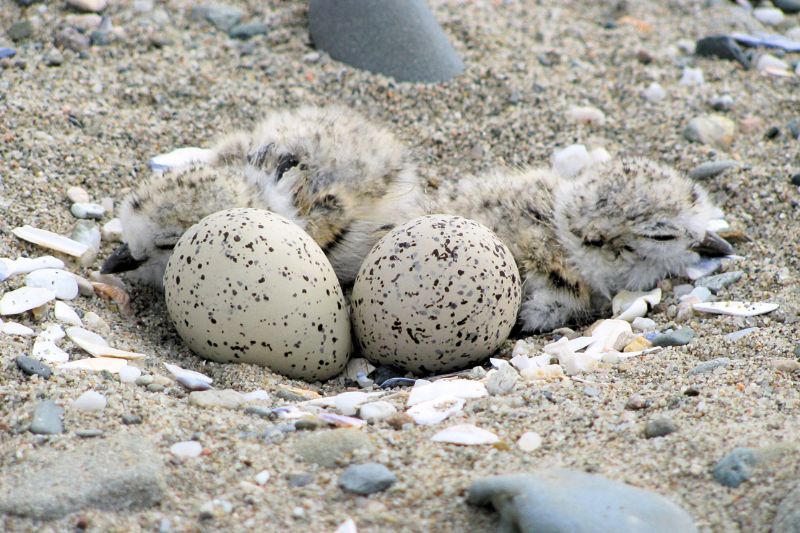
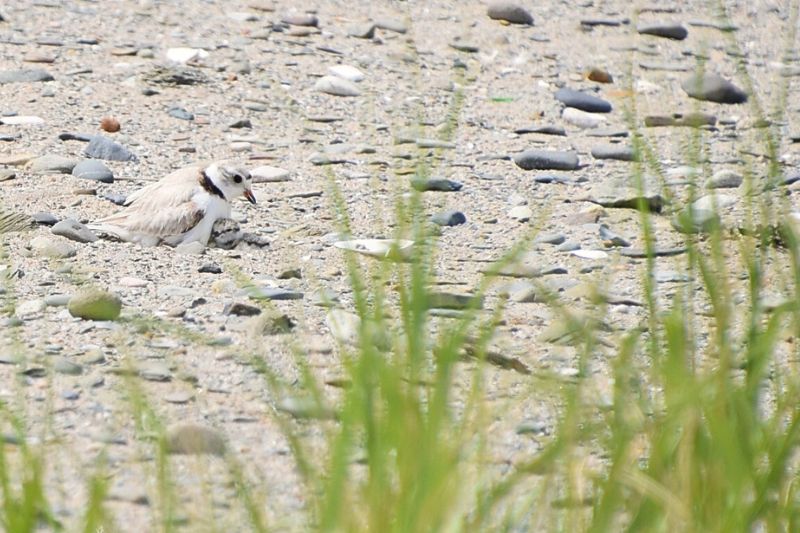
While the number of monitored pairs has gradually declined over the past 45 years, the number of fledged chicks has remained relatively steady.
Since 2019, this pattern has become even more pronounced: the number of monitored pairs has decreased by more than half, yet the number of fledged chicks has increased by the same margin.
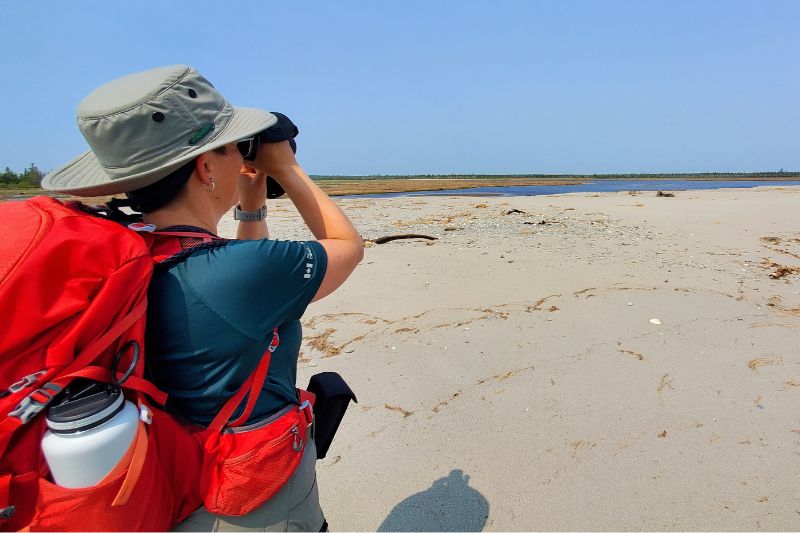
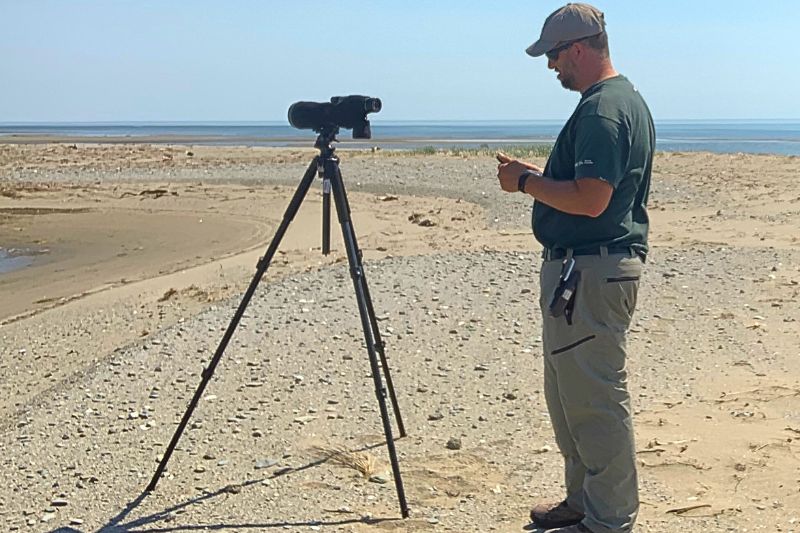
To support Piping Plover recovery, Parks Canada conducts field surveys each season, tracking breeding pairs, marking nest locations, and monitoring egg and chick survival. Staff check nests every few days to assess threats and document changes.
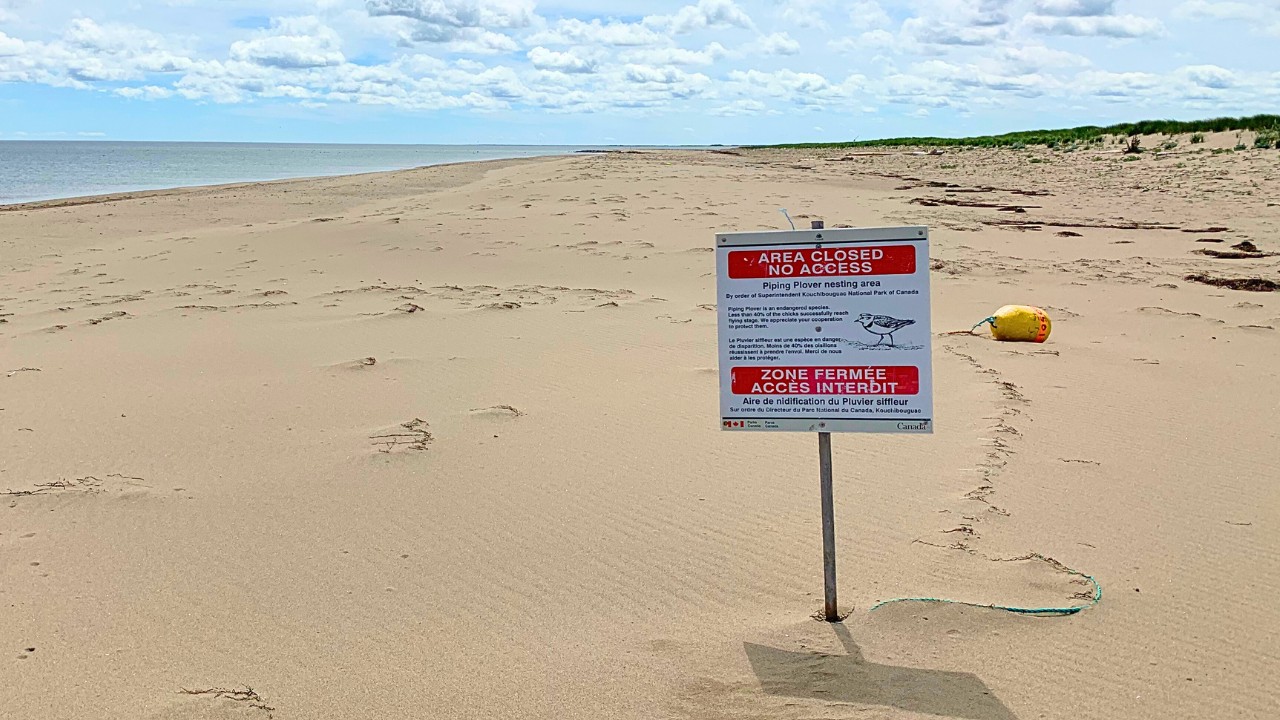
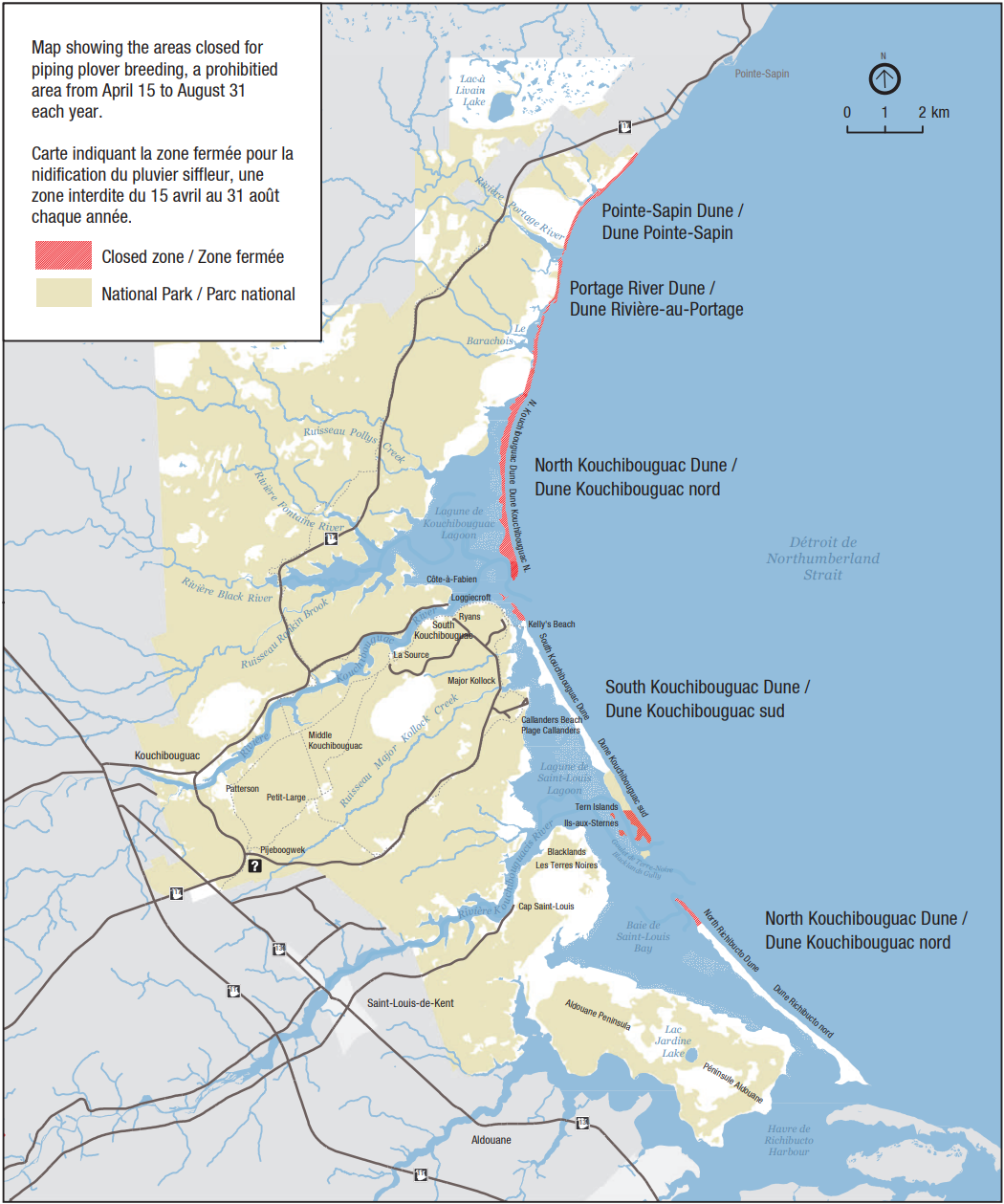
To reduce human disturbance, some beach areas close during the breeding season. Predator management strategies, including remote cameras and monitoring, help identify key threats and inform conservation actions.
Map of area closures
Click to enlarge
Parks Canada also collaborates with Environment and Climate Change Canada, Nature NB, and other partners to coordinate regional conservation efforts. Education and outreach programs promote responsible beach use, helping visitors understand how to protect these vulnerable shorebirds.
A strict no-pet policy protects the park’s most sensitive areas—pets are not permitted at Kellys Beach or on the barrier islands. Thanks to these efforts, the species’ decline has slowed, but ongoing protection remains critical.
Take action
Piping Plovers are still at risk, and park visitors can play a role in their protection.
- Respect closed areas – Keep off restricted beach sections during nesting season.
- Keep beaches clean – Leftover food attracts predators like gulls and crows.
- Keep pets off beaches and dunes – Pets are not allowed at Kellys Beach or on the park’s barrier islands at any time.
With continued conservation work and public awareness, there is hope for the Piping Plover. Together, we can help protect this endangered species and ensure they continue to return to Kouchibouguac National Park for generations to come.
Related links
- Date modified :