
Polar bears
Wapusk National Park
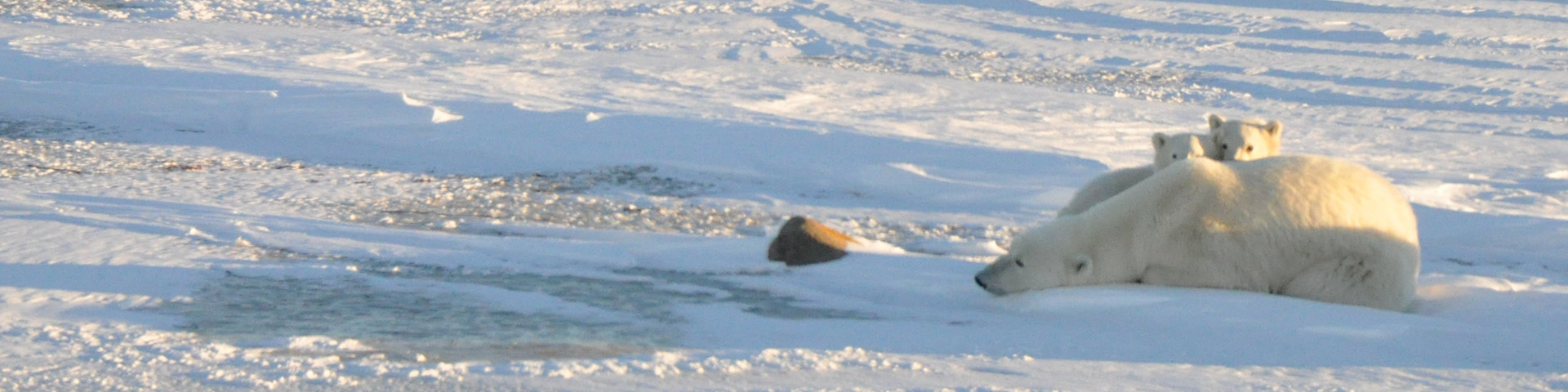
One of the world's largest known polar bear (Ursus maritimus) maternity denning areas is located in Wapusk National Park. The park is located within the range of the Western Hudson Bay population of polar bears. Though the polar bear is designated as Special Concern under Canada’s Species At Risk Act, it has been listed as Threatened under the province of Manitoba’s Species and Ecosystems at Risk Act.
Sea ice is the natural habitat of polar bears, and it's where they hunt their preferred food source: seals. From late September to mid-November, many of the bears migrate north to the coast to catch the first pack ice of the winter. During this time, the number of bears peak along the Cape Churchill peninsula: an area of coastline that runs from the town of Churchill to the northern tip of Wapusk National Park.
When the ice of the Hudson Bay breaks up, anywhere from early June to late July, the bears come ashore. Female bears, especially those that are pregnant or with cubs, travel inland to the denning area while larger bears gather along the coast. During this time, polar bears become opportunistic feeders, largely fasting until they can hunt seals again when the bay freezes. Pregnant females remain on land through the winter to give birth to their cubs and will fast for about eight months. Polar bears can slow their metabolism during the year which allows them to conserve energy when food supply is low.
Due to the effects of climate change, the amount of time polar bears have to hunt on the sea ice has declined steadily. Since the early 1980s, the number of days where sea ice is available has decreased by 25 days. Sea ice is important for polar bears’ ability to hunt and store up enough fat reserves for the ice-free period as well as reproduction.
Bear facts
- Adult males average 300 to 450 kilograms (661 to 992 lbs) and adult females average 150 to 250 kg (331 to 551 lbs).
- The largest bear ever recorded in Wapusk National Park weighed just over 700 kg (1,543 lbs).
- At birth, cubs are about the size of their mother's paw and weigh on average 454 to 680 g (one to 1.5 lbs).
- Females have cubs every two or three years in Wapusk. The oldest female known to have had cubs in Wapusk National Park was 29 years old.
- While on land, an adult polar bear uses up about 1 kg of its fat reserves every day. A healthy, pregnant female is just over 50% fat.
- The fastest human sprinters can run at just over 35 km/h. A polar bear trots at 30 km/h and can sprint at nearly 45 km/h.
Safety in polar bear country
Remember that while polar bears may be beautiful creatures to watch, they are also large, highly unpredictable and can be extremely dangerous. Once you arrive in Churchill, you could have an unexpected encounter with polar bears at any time, anywhere. Please read the following polar bear safety brochure.
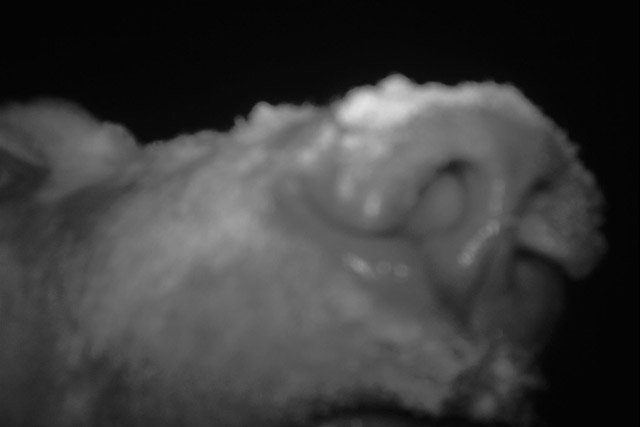
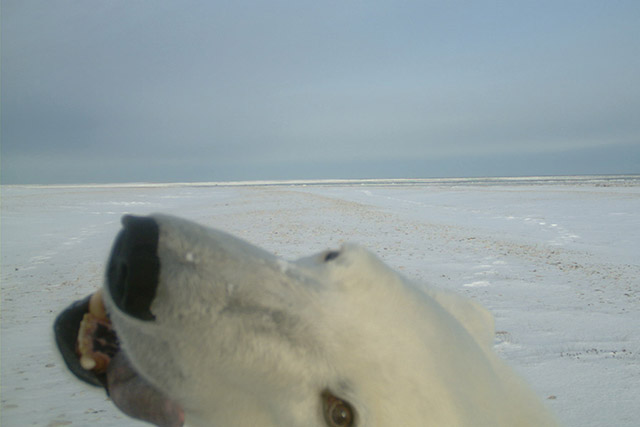
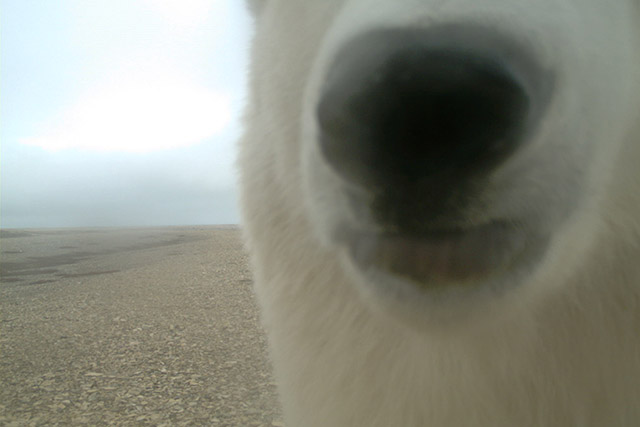
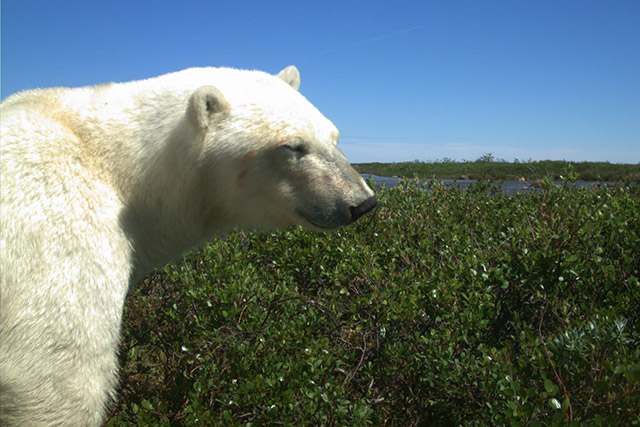
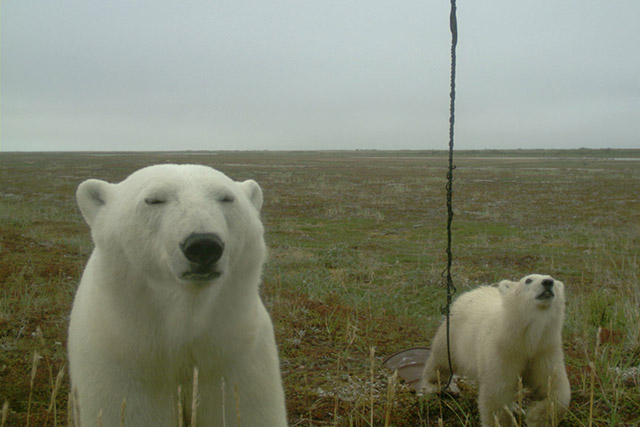
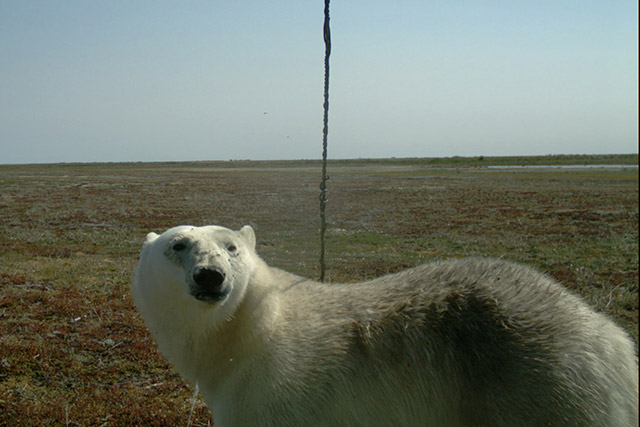
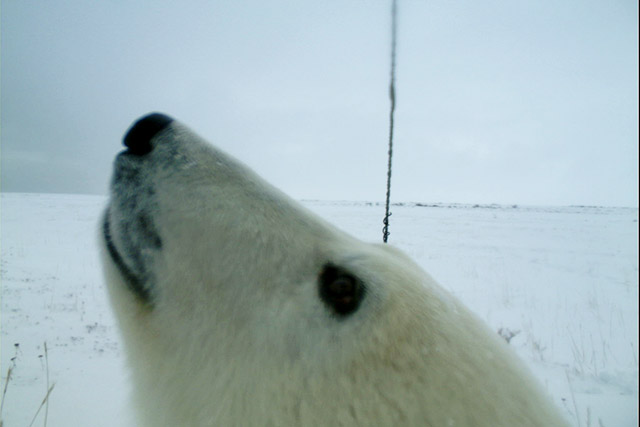
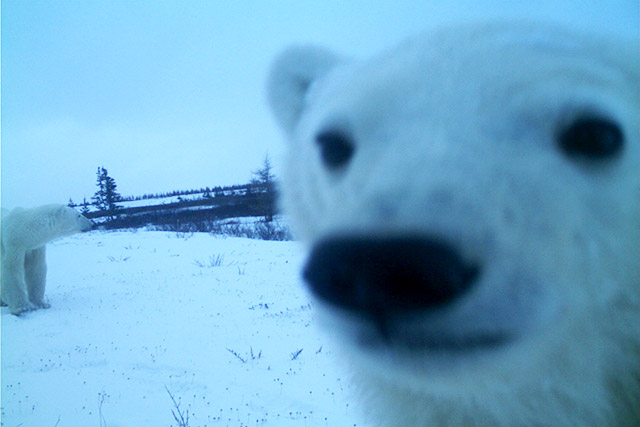
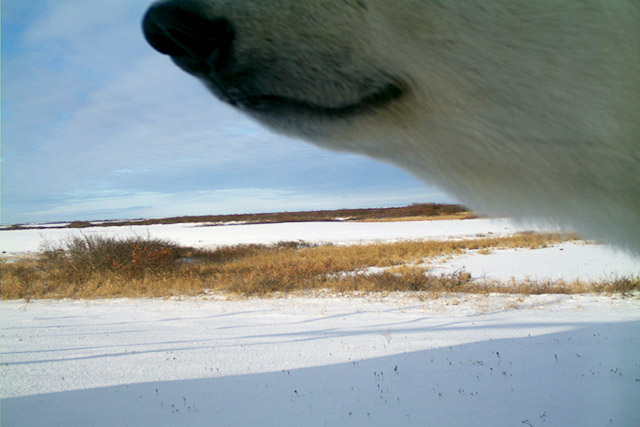
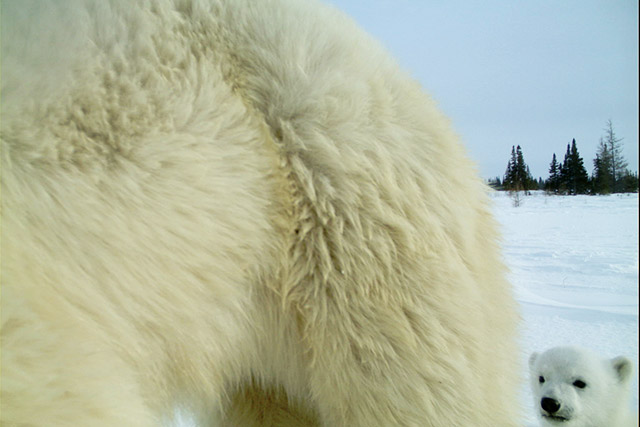
Polar bear selfie gallery
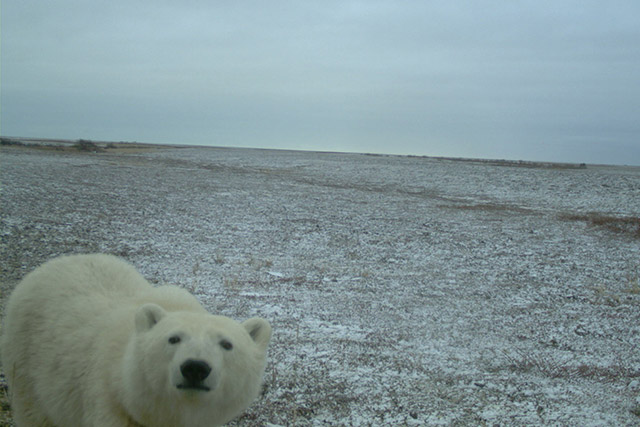
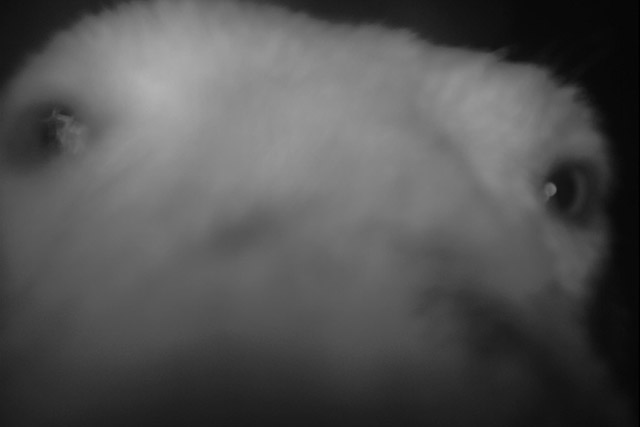
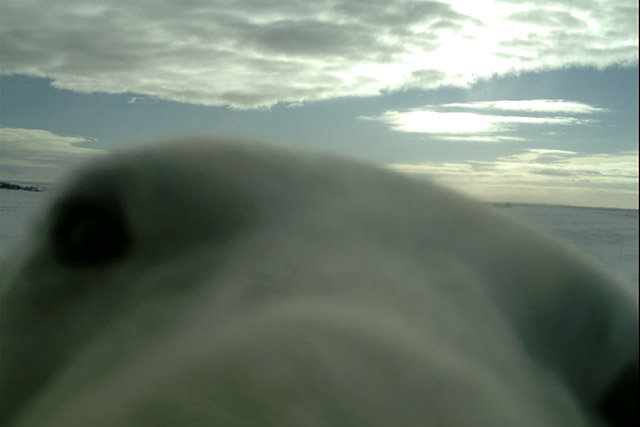
These sweet and silly poses were captured by trail cameras in Wapusk National Park. Using remote cameras to monitor wildlife helps guide Parks Canada’s conservation in the Northern Manitoba park.
The cameras are motion activated, so every time an animal walks by, it takes several pictures. Each photo has a time stamp and date, along with other information such as temperature and moon phase. Since 2011, the cameras have captured more than 68,000 animal images.
How do trail cameras help polar bears?
Trail cameras are a non-invasive way to watch polar bears in their natural habitat. The photos can help researchers understand polar bear behaviour and how they are adapting to a changing environment. With this insight, Parks Canada can address park management to ensure the protection of polar bears and their home.
How YOU can help
Contribute to the Arctic Bears Project by helping to identify bear species from the tail camera photos in the park. Your help processing a decade's worth of pictures from a changing sub-Arctic landscape is a critical conservation task.
Related links
- Date modified :