
Fort Cape Spear
Cape Spear Lighthouse National Historic Site
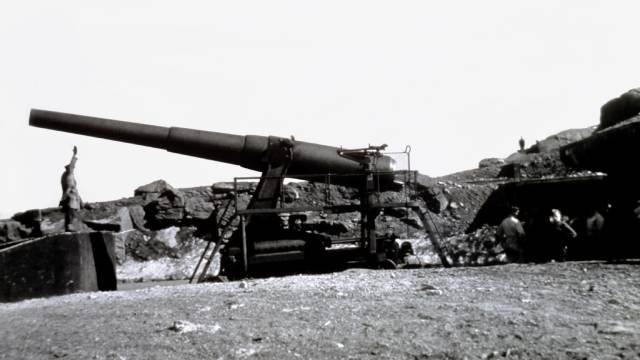
During the Second World War, a very different kind of danger focused activities at Cape Spear. On a direct convoy route from Europe to the North American continent, Cape Spear took on a whole new significance. German submarines and raiders off the coast of the Island posed a considerable threat.
A coastal defence battery, equipped with two 10" guns was constructed here to protect the entrance to St. John's Harbour. The gun emplacements were built at the tip of the Cape and connected by underground passages to magazine and equipment rooms.
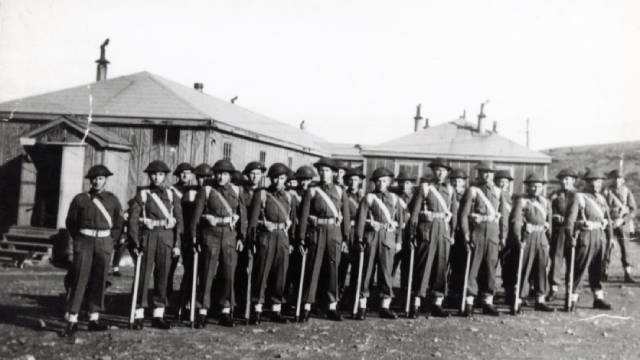
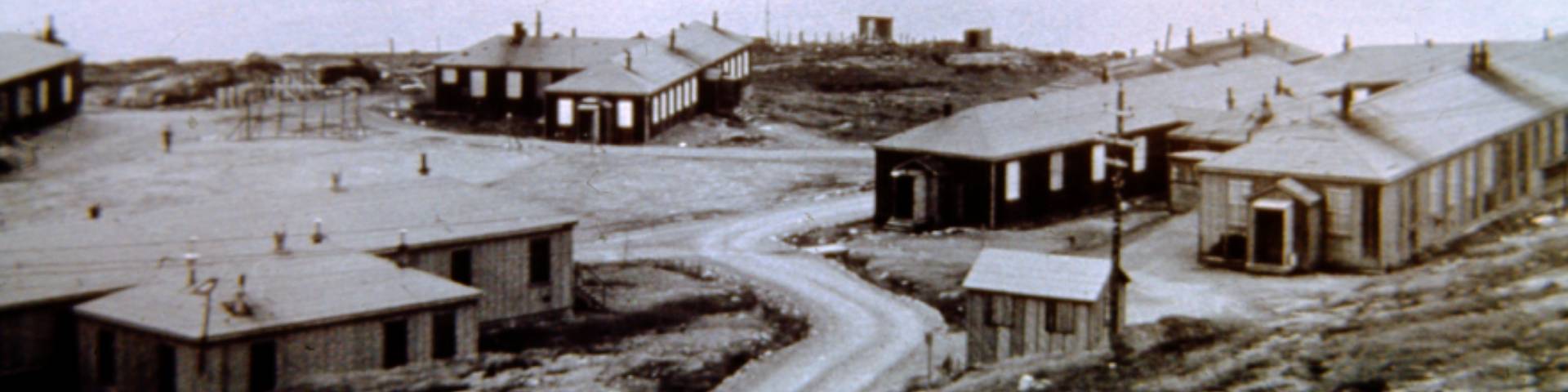
From 1941 to 1945, troops were stationed here, and barracks, mess halls and canteens were built. With the end of hostilities in 1945, most of the fortifications were demolished but the gun emplacements stand as a sombre reminder of that important period in our military history.
Today, the bunkers and gun barrels provide a sheltered view of the ocean. No longer watching for the enemy, visitors survey the horizon for whales, icebergs, seabirds and ships headed in and out of St. John's harbour.
Restoring and presenting the gun battery
In 1941, construction of the Gun Battery began. By the 2010s, it was starting to show its age and had to be closed. To make sure visitors could explore this fascinating piece of Canadian history once again, Parks Canada undertook a large-scale stabilization project in 2018 and 2019.
This work replaced failing materials, improved drainage, stabilized salvageable sections of the structure and, most importantly, made the Gun Battery safe for people to explore for many decades to come.
This video highlights some of the work that was done during the stabilization, as well as images of the original construction work in 1941. They provide a great glimpse into Cape Spear's past and illustrate the effort needed to maintain these historic structures.
Fort Cape Spear Revitalization
Transcript
An aerial view of a rocky, coastal cliff with recent construction work taking place near the water and two lighthouses in the background. Words appear: Cape Spear Lighthouse National Historic Site.
[Upbeat music, no spoken words]
A closer view of the recent construction work, showing a round lookout area and the remains of an old, concrete fortification.
An even closer view shows an old cannon in a concrete emplacement. The area has been dug up, and workers are applying a black material to waterproof the old concrete.
A black and white photo with the year ‘1941’ shows an old excavator and truck digging up the same area during the original construction of the gun emplacement.
Another black and white photo also dated ‘1941’ shows the same gun emplacement almost finished, with workers installing the cannon.
An aerial shot of the same area being restored more recently.
A new aerial shot shows the entire fortification dug up during its recent restoration. Workers and construction vehicles move slowly around the area.
A black and white photo, dated 1941, showing wooden concrete forms being used to build a gun emplacement.
Another black and white photo, dated 1941, showing the wooden forms removed, exposing the new the concrete based on the gun emplacement.
An aerial view of the same gun emplacement being restored.
A wide aerial shot shows the entire area under construction during its recent restoration. Vehicles and workers are moving around the site.
An aerial shot of the entire area slowly fades into a black and white image of the same place before, fading back to the modern image. Words appear: Cape Spear Lighthouse National Historic Site.
Words appear: Parks Canada, Parcs Canada. A small Canadian Flag is positioned before the text.
[first notes of "O Canada" play]
The word Canada appears in white on a black background. A small Canadian flag, with its central red maple leaf, perches atop the final ‘a’ in Canada.
Related links
- Date modified :