
Keep the wild in wildlife
The Forks National Historic Site
The chance to observe wildlife as they go about their natural lives is a fascinating experience. With this privilege comes the responsibility to treat wildlife with the respect they need and deserve. Learn how to respect wildlife with these safety tips.
Parks Canada monitors wildlife activity closely and takes a wide range of actions to ensure both people and wildlife can safely share these special places. Parks Canada employs a number of practices to minimize human-wildlife conflicts, such as managing attractants like garbage and human food, seasonal trail restrictions in important wildlife habitat areas, implementing reduced speed and no stopping zones along roadways, and discouraging wildlife from using high traffic areas when necessary.
All of these actions help contribute to successful coexistence of people and wildlife in national parks, historic sites, and marine conservation areas.
Feeding wildlife is illegal.
Feeding wild animals, accidentally leaving food out, or not properly disposing of garbage, teaches animals that humans provide food. Once an animal has tasted human food, it may begin to seek it above all other sources of natural foods.
Feeding wildlife in a national park or a national historic site is illegal and you may be charged under the Canada National Parks Act. This includes feeding them directly by offering them food, or indirectly by leaving unattended food or garbage for them to find.
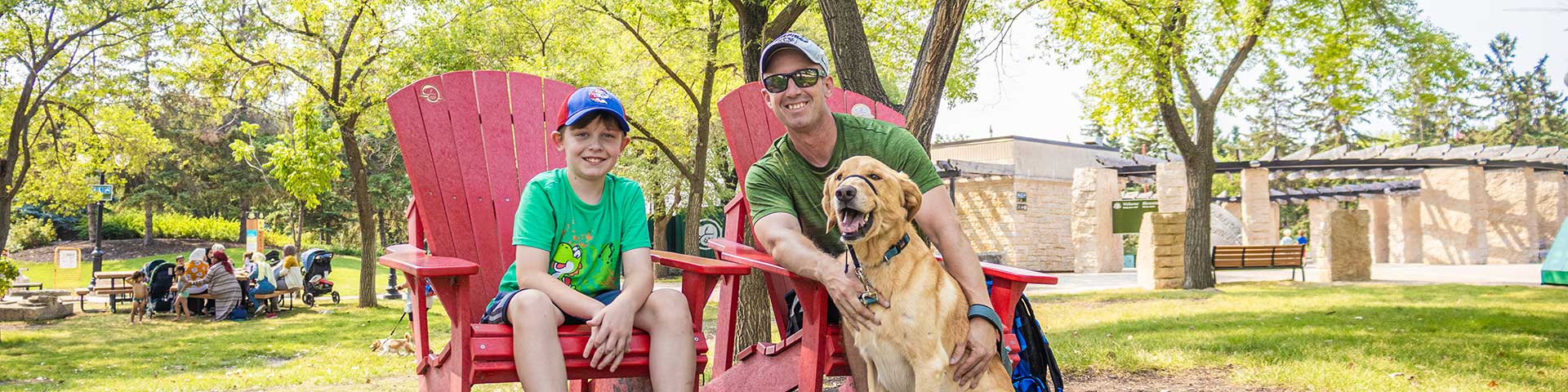
Keep your dog on a leash at all times – it is the law.
Like wild animals such as wolves and coyotes, domestic dogs can cause stress for wildlife as they may be seen as a threat. Off-leash dogs can also trigger aggressive behaviour from wildlife. To prevent unsafe situations, dogs must be on a leash and under control at all times.
Not everyone is a dog lover. Some visitors may even have very real apprehensions around dogs. Having your dog on a leash ensures they do not approach other visitors without invitation and makes for a much more enjoyable experience for all. On-leash pets and their owners can also experience stress when they encounter a dog that is off leash. Even dog lovers appreciate visitors’ effort to protect wildlife by keeping their dogs on leash.
Studies have shown that dogs off-leash is one of the most common causes of wildlife attacks. If your dog is off-leash, you may be charged under the Canada National Parks Act and pay fines up to $25,000.
Keep your picnic site clean.
Many already know that leaving food out at a picnic site can attract wildlife, but did you know that wildlife is also attracted to any item that has an odour/smell? This includes garbage, dishes, pots and pans, stoves, coolers, dog dishes and toiletries (like soap, shampoo and toothpaste). If you need to keep an alcohol-based hand sanitizer on your person, choose a product that is unscented and keep it in a sealed container.
Keep your picnic site clean of attractive smells by storing all scented items in your vehicle.
Drones disturb wildlife.
Drones are prohibited in all Parks Canada administered places. Drones disturb wildlife, disrupting their natural behaviour and risking injury. Violators may be charged under the Canada National Parks Act and pay fines up to $25,000. Leave your drone at home or in your vehicle.
Related links
- Date modified :