For the week of September 16, 2024.
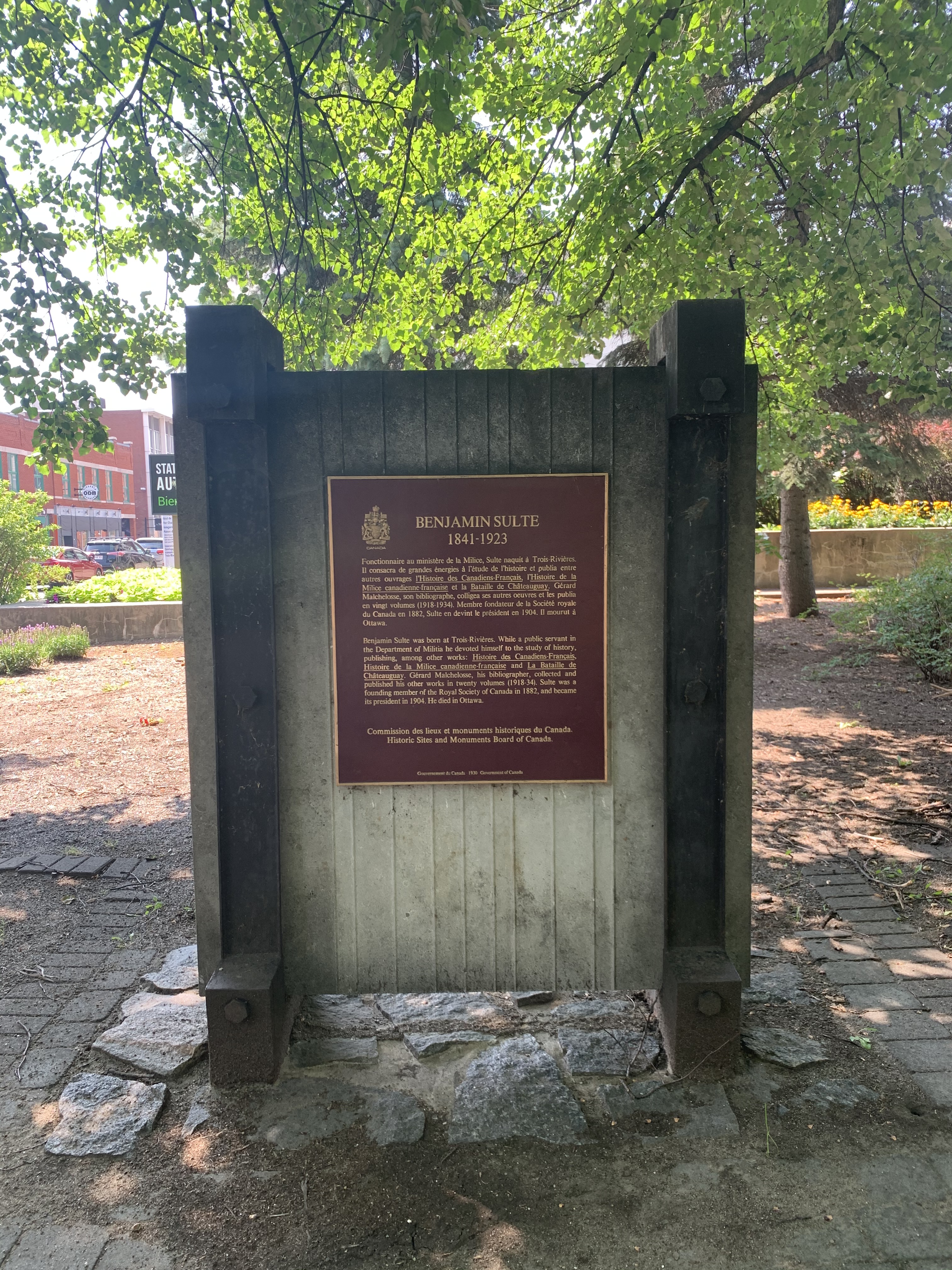
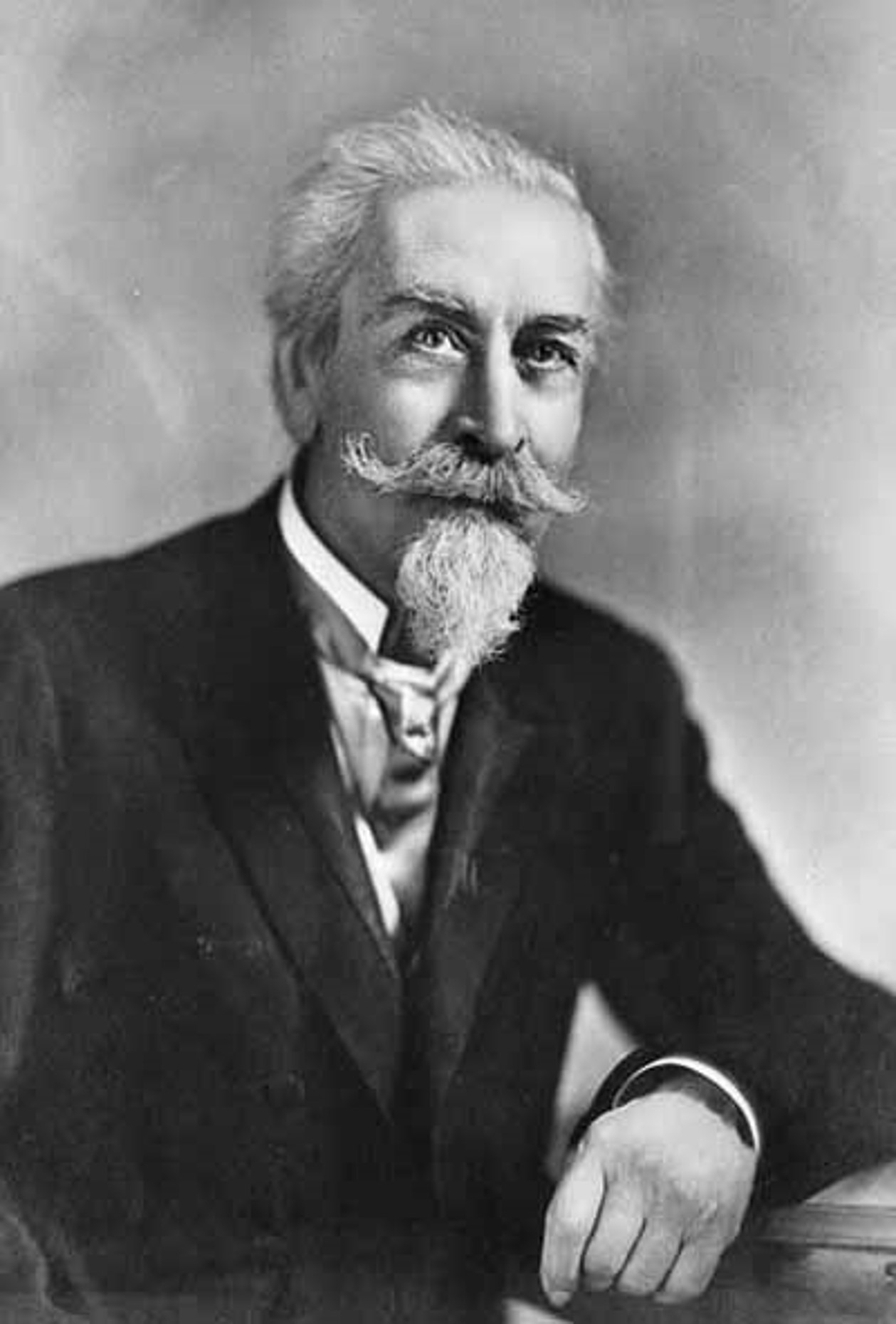
On September 17, 1841, historian, public servant, journalist, and writer Benjamin Sulte was born in Trois-Rivières, Lower Canada (now Québec). He devoted his life to scholarly pursuits, publishing thousands of articles and more than a dozen books, primarily about French Canadian history.
Sulte studied with the Brothers of the Christian Schools in Trois-Rivières until he was about 10 years of age. He left school to help provide for his mother and sister after his father died in a shipwreck. Over the years that followed, he worked as a shop clerk, bookkeeper, and paymaster. He continued to educate himself, using his free time to study and read.
In 1861, Sulte joined the militia, eventually receiving a captain’s certificate from the School of Military Instruction of Québec and rising to the rank of sergeant major. He moved to Ottawa in 1867 to work for the new federal Department of Militia and Defence. He became chief clerk a decade later and held this position until he retired.
Sulte was an autodidact, having taught himself how to write everything from short stories, poems, and songs to polemics. He had also developed a keen interest in French Canadian history and politics. In 1870, he published his first collection of poetry, entitled The Laurentians. He channeled both his patriotism and interest in history into his poems, often focusing on the early days of the colony. Sulte married Augustine Parent in 1871, which brought him into the same social circle as prominent French Canadian political and intellectual figures. His father-in-law was Étienne Parent, who served as undersecretary of state, and his brother-in-law was writer Antoine Gérin-Lajoie.
The 1870s and 1880s were a highly productive period for Sulte. His publications included a History of the city of Trois-Rivières and its surroundings and a History of French Canadians, 1608-1880. The latter was his most notable and commercially successful work, in which he celebrated the often-overlooked role of ordinary French Canadians in history, rather than focusing on institutions and politics. He brought some of his earlier poetic flair to his historical studies, which often featured a narrative style.
After retiring from civil service in 1903, Sulte became President of the Royal Society of Canada in 1904 and a founding member of the Historic Sites and Monuments Board of Canada in 1919. Benjamin Sulte died in Ottawa on August 6, 1923.