For the week of January 15, 2024.
On January 20, 1909, the multidisciplinary art collective known as the Heliconian Club was formed in Toronto, Ontario. Over the next 113 years, the club became a welcoming space for creative women in several areas of the arts, recognized for its important contributions to Canadian cultural history and women’s history.
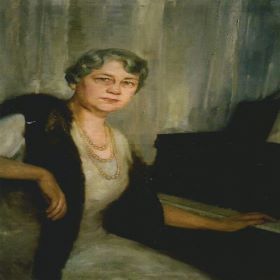
The meeting on January 20 took place at the Teapot Inn on Yonge Street. There, 59 women founded the Heliconian Club, with Mary Smart (later Shenstone) (1857–1945) as president. The first organization of its kind for women artists in Toronto, its purpose was to support its members’ artistic pursuits in a variety of fields, including the visual, literary, and performing arts. It did so by hosting gatherings, staging performances, and facilitating the exchange of ideas, among other activities. Professionalism was important to the founders, so they initially restricted membership to well-established women artists, most of whom were affluent Euro-Canadians. That changed over time, as the club became increasingly welcoming to women from different backgrounds and experience levels.
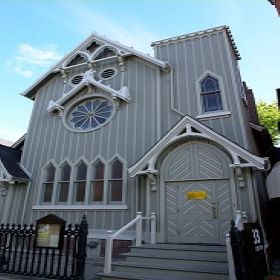
The Heliconian Club hosted gatherings at different locations before purchasing a former church on Hazelton Avenue in 1923. Constructed in 1876 for the Olivet Congregational Church, the building had changed hands a few times before it became Heliconian Hall. It is a rare surviving example of the Carpenter Gothic style in Toronto, with sculpted medieval revival motifs, steep roofing, and strong vertical design elements. However, when the club acquired the building, it was in need of repair, so club members organized events to raise funds for its restoration.
Once established at Heliconian Hall, the club increased the frequency of its gatherings and expanded its activities. There were piano recitals, art exhibitions, theatrical performances, and lectures on subject of interest to members. The Heliconian Club played a major role in the cultural life of Toronto, hosting famous guests of honour such as Lucy Maud Montgomery (writer) and supporting the creative talents of eventual Order of Canada recipients Isabel McLaughlin (painter), Dora Mavor Moore (actor), and Marjorie Wilkins Campbell (writer). The club also made important contributions to the broader community, helping to organize volunteers for the Red Cross during the Second World War. Today, Heliconian Hall is recognized as an important centre for artistic activity, promoting the place of women in the arts in Canada.