For the week of Monday, August 7, 2023.
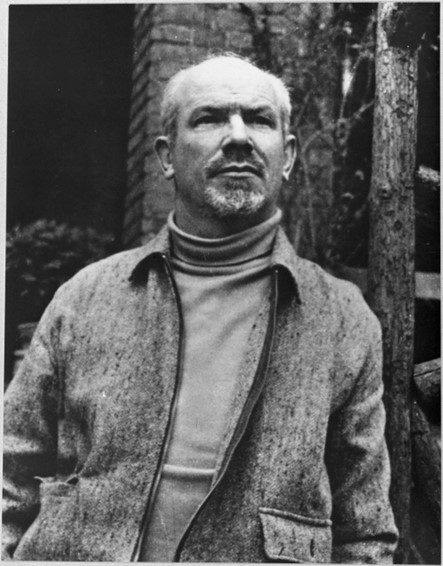
On August 10, 1972, the Government of Canada designated Dr. Henry Norman Bethune as a national historic person. He made significant contributions to thoracic surgery in Canada, was an early advocate of socialized medicine, and provided innovative medical care on the frontlines of the Spanish Civil War (1936–1939) and the Second Sino-Japanese War (1937–1945).
Bethune was born in Gravenhurst, Ontario on March 4, 1890, to Presbyterian minister Malcolm Nicholson Bethune and Presbyterian missionary Elizabeth Anne Goodwin. After graduating from high school in 1907 in Owen Sound, he followed his surgeon grandfather into medicine. His studies were cut short when he enlisted to serve in the Canadian Army Medical Corps during the First World War (1914–1918). Discharged due to injury in 1915, he returned to Toronto to complete his medical training. In 1917, he joined the British Royal Navy, serving as a physician aboard HMS Pegasus. He was among the many Allied military personnel to contract influenza A virus subtype H1N1 (commonly known as the “Spanish flu”) in the first waves of the global pandemic. He survived and, in 1920, became the first medical officer of the newly established Canadian Air Force.
Bethune was living in the United States when he contracted tuberculosis in 1926. He spent a year recovering in the Trudeau Sanitorium in New York, where he produced a grim mural depicting his possible death. In 1927, he received an artificial pneumothorax—an operation to deflate the infected lung to induce rest and prevent the disease from spreading. This experience informed his decision to become a thoracic surgeon. He made important contributions to treatment of tuberculosis, strongly advocating for improvements to patients' living standards and inventing or redesigning a variety of medical instruments, including rib shears, a periosteal scraper, and the Bethune pneumothorax machine.
In 1928, Bethune moved to Montréal, where he continued his studies at McGill University under Dr. Edward Archibald, a renowned thoracic surgeon. While living in Montréal, he met artist Marion Dale Scott, Stanley Bréhaut Ryerson, then secretary of the Quebec Communist Party, and other left-wing activists. They raised his awareness of social injustices and introduced him to the Communist Party of Canada, which he joined in 1935. Bethune campaigned for publicly funded medical care in Canada before leaving for Spain in 1936.
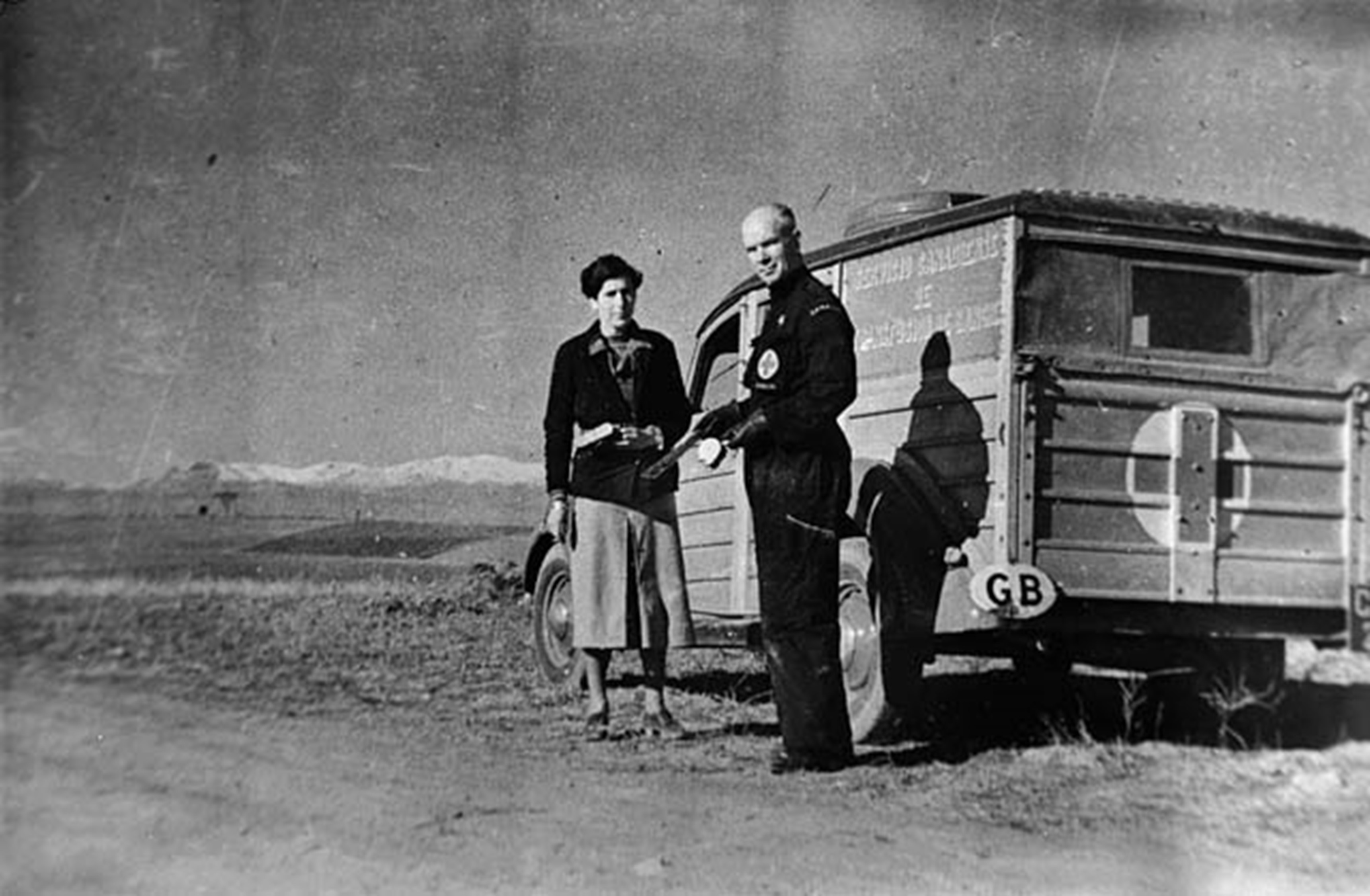
In Spain, Bethune supported republican forces in the civil war against General Francisco Franco and the nationalists by helping to run mobile frontline blood transfusions that saved many lives. There were political tensions within the blood transfusion institute and, after the Spanish government took control, the Canadian Committee to Aid Spanish Democracy sent Bethune back to Canada in May 1937. Over the next four months, he travelled across Canada and to the United States, raising funds for the anti-fascist cause in Spain.
In January 1938, he travelled to China to help set up emergency medical services and treat injured casualties of the Second Sino-Japanese War. As the Medical Advisor in the Jin-Cha-Ji Border Region, Bethune travelled to each base hospital, organizing and instructing medical personnel. He set up multiple model learning hospitals and wrote three textbooks to train new doctors and nurses in battlefield medicine. He also designed a portable operating table and dispensary that could be carried on the backs of mules. Bethune risked his life to treat casualties near the frontlines and gave his own blood in direct transfusions. When he died in 1939 from an infection, many people in China mourned his passing and Chinese Communist leader Mao Zedong wrote an essay in his honour.