
Uncovering the secrets of Superior Shoal
Lake Superior National Marine Conservation Area
By Liana Slumskie and Kimberly Teager
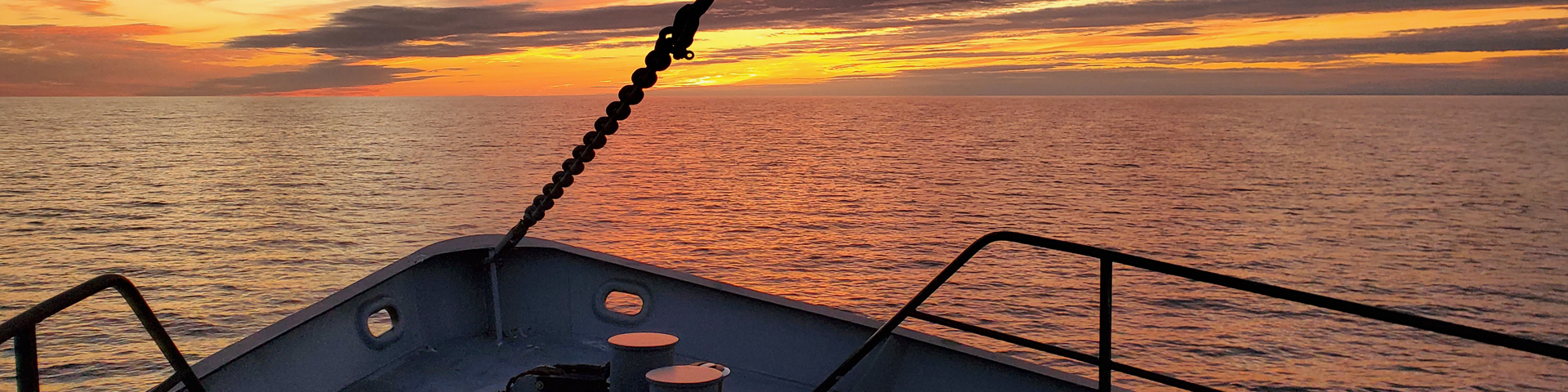
Out in the waters of Lake Superior, more than 80 km from shore, lies one of the lake’s greatest mysteries: Superior Shoal. More accurately described as a reef complex or lakemount, this massive geological feature rises nearly 300 m from the lake floor and reaches approximately seven metres from the surface. Located at the heart of Lake Superior National Marine Conservation Area, it remains one of the most remote and least understood places in the Great Lakes.
To advance freshwater science, conservation, and public understanding of this remarkable ecosystem, Parks Canada is working alongside Dr. Michael Rennie and other researchers from Lakehead University and the University of Minnesota Duluth to explore this underwater landscape through a series of research expeditions. Underwater filmmakers, Inspired Planet Productions, also joined the expedition to work on an upcoming documentary.
Formed from ancient volcanic rock and first charted in 1929, Superior Shoal is a biological hotspot surrounded by thousands of square kilometres of cold, deep water. Its dramatic underwater topography interacts with offshore currents and light penetration, influencing nutrient distribution and creating conditions that support an abundance of aquatic life.
The first expedition, conducted in September 2025 aboard the research vessel Blue Heron, used remotely operated vehicles (ROVs), advanced acoustic sensors, and high-resolution cameras to document this rarely seen environment. Watch Inspired Planet’s livestream from the September 2025 expedition on YouTube (English only). Researchers observed a wide diversity of fish, including several distinct forms or ecotypes of lake trout such as siscowet, humper, and redfin. Acoustic receivers were also deployed to detect tagged fish and begin studying how lake trout use the lakemount throughout the year.
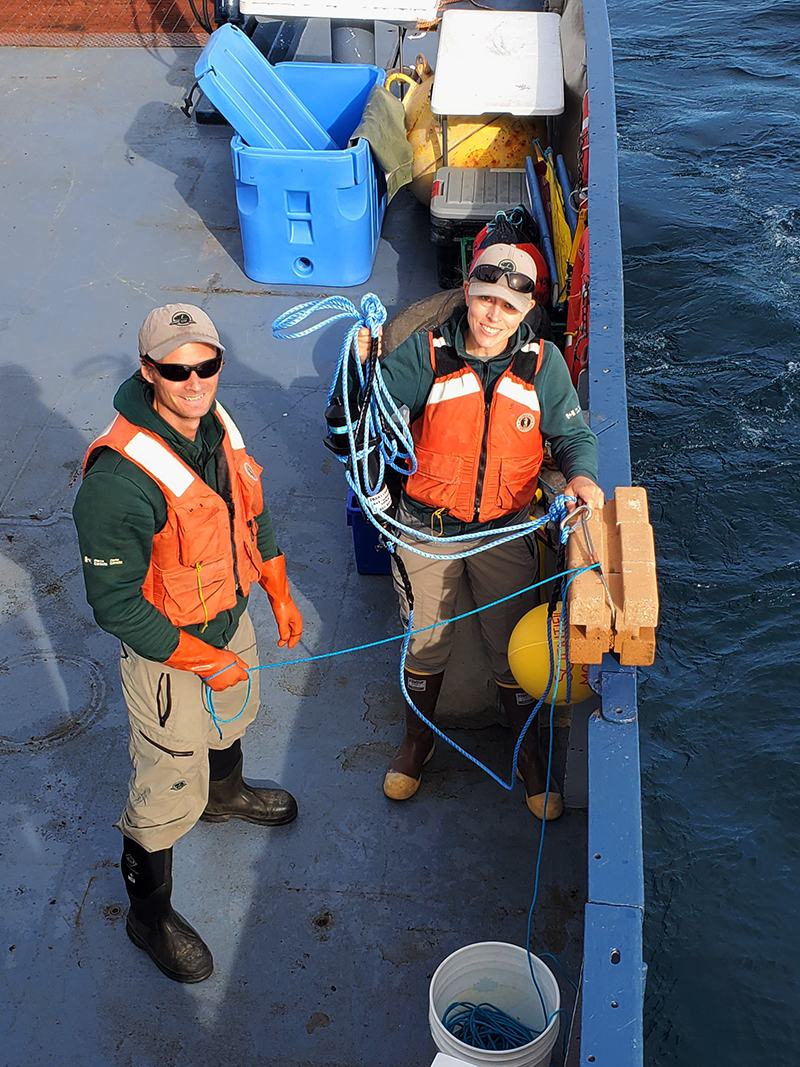
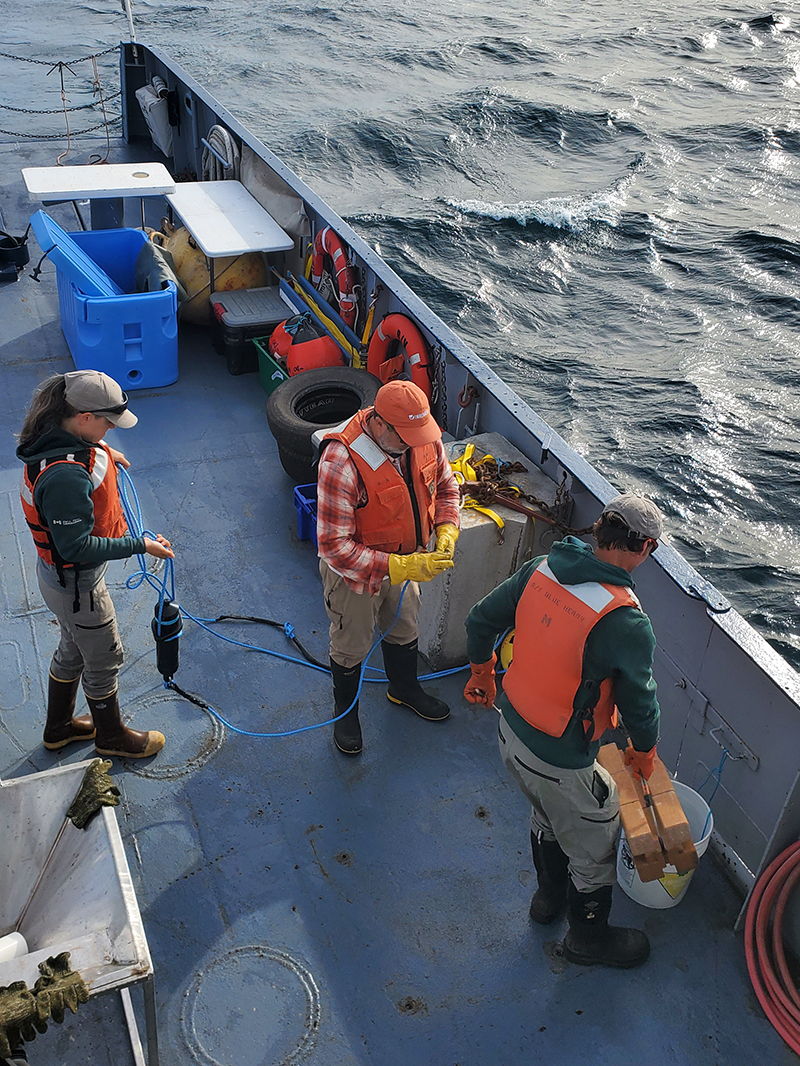
This work continued in 2026, when Blue Heron returned to Superior Shoal with Parks Canada staff onboard to build on the initial work alongside research collaborators. During the expedition, the team retrieved data from six acoustic receivers deployed the previous year and installed six additional receivers, doubling the monitoring network for increased coverage across the different ridges of the lakemount.
Parks Canada staff tagged 14 lake trout to monitor their movements through the receiver network and better understand how fish use different areas of the shoal over time. Staff also assisted Dr. Michael Rennie and his team with collecting non-lethal samples for genetics and age analysis from lake trout representing several different ecotypes. This research will help improve our understanding of offshore fish habitat and biodiversity, supporting long-term conservation efforts in Lake Superior.
In addition to fisheries research, the expedition deployed Acoustic Doppler Current Profilers around the lakemount. The instruments are designed to measure the velocity of currents throughout the water column using sound waves. The devices will remain in place for a year before being retrieved and analyzed, helping researchers gain deeper insight of the currents and physical processes that shape this unique ecosystem.
These ongoing studies highlight the important role national marine conservation areas play in advancing scientific knowledge. Places like Superior Shoal offer opportunities to better understand freshwater ecosystems while informing conservation decisions for future generations. This project also demonstrates the value of collaboration. By bringing together scientists, conservation practitioners, educators, and filmmakers, the initiative is helping to make cutting-edge freshwater research accessible to Canadians. Through documentaries, digital storytelling, and public outreach, audiences can follow discoveries from this remote underwater environment.
Research at Superior Shoal contributes to our understanding of fish populations, habitat, aquatic biodiversity, and the environmental processes that influence freshwater systems across the Great Lakes. While much remains to be discovered, each expedition brings us closer to understanding the lakemount. Follow Lake Superior National Marine Conservation Area on Facebook for the latest updates on this project.
- Date modified :