
Building momentum: New calves confirm conservation breeding success
Jasper National Park
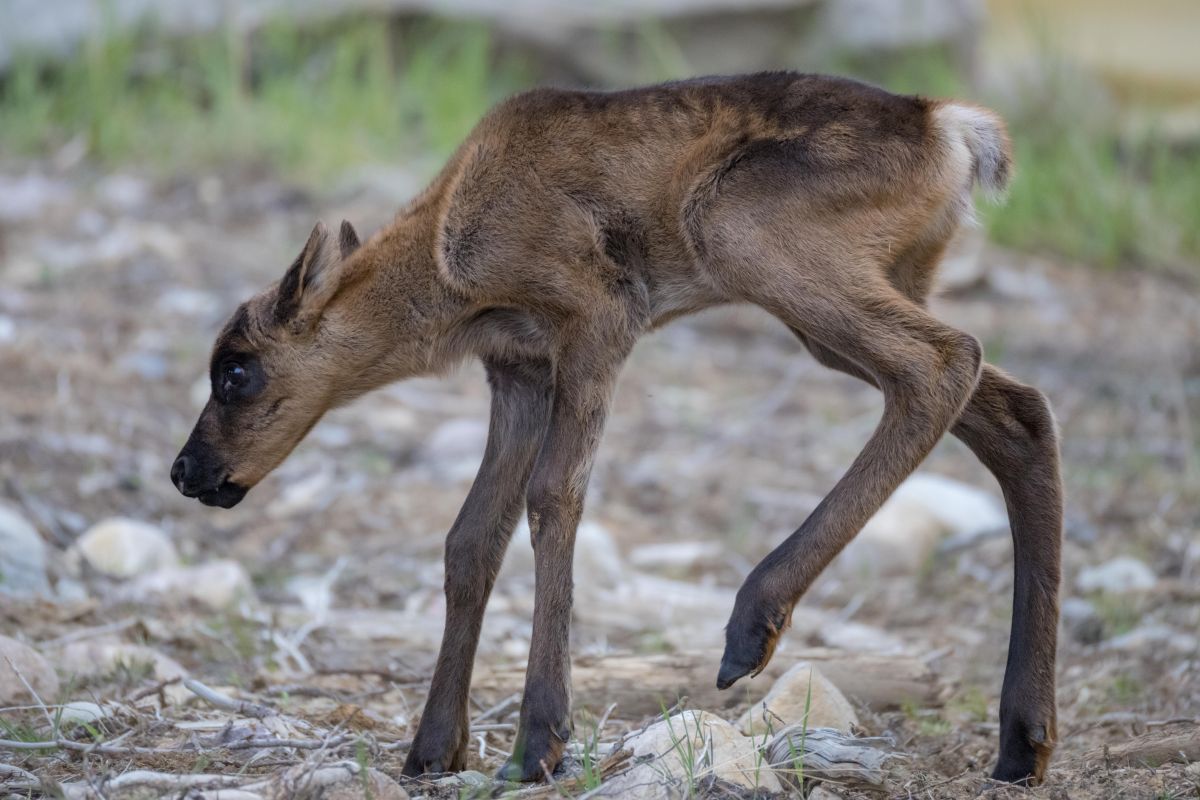
Wobbly steps mean something big for caribou recovery
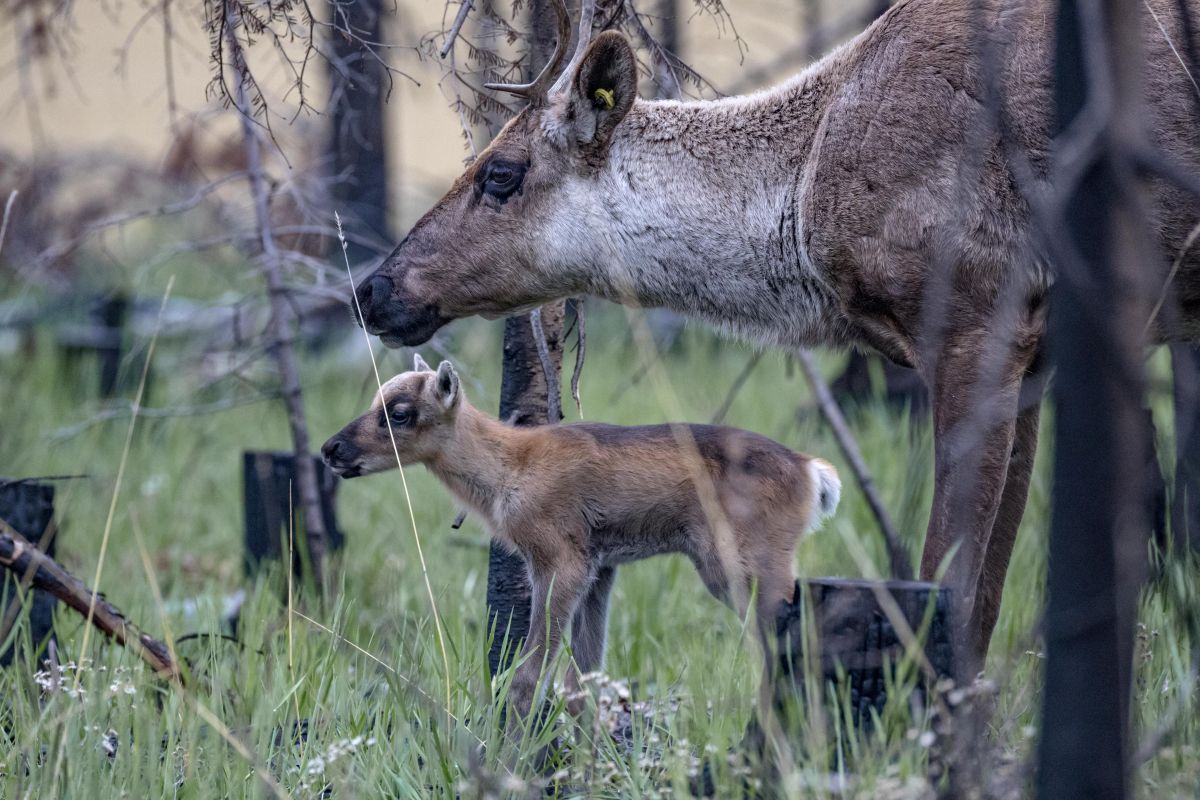
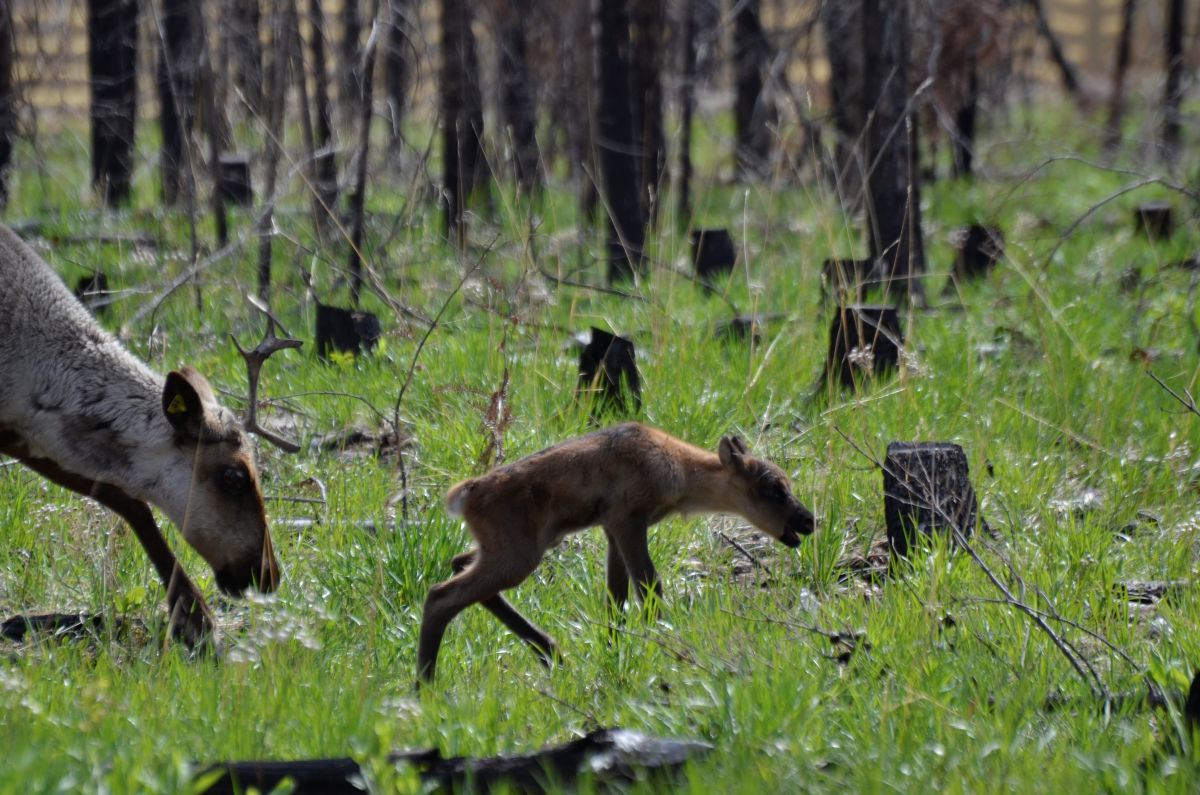
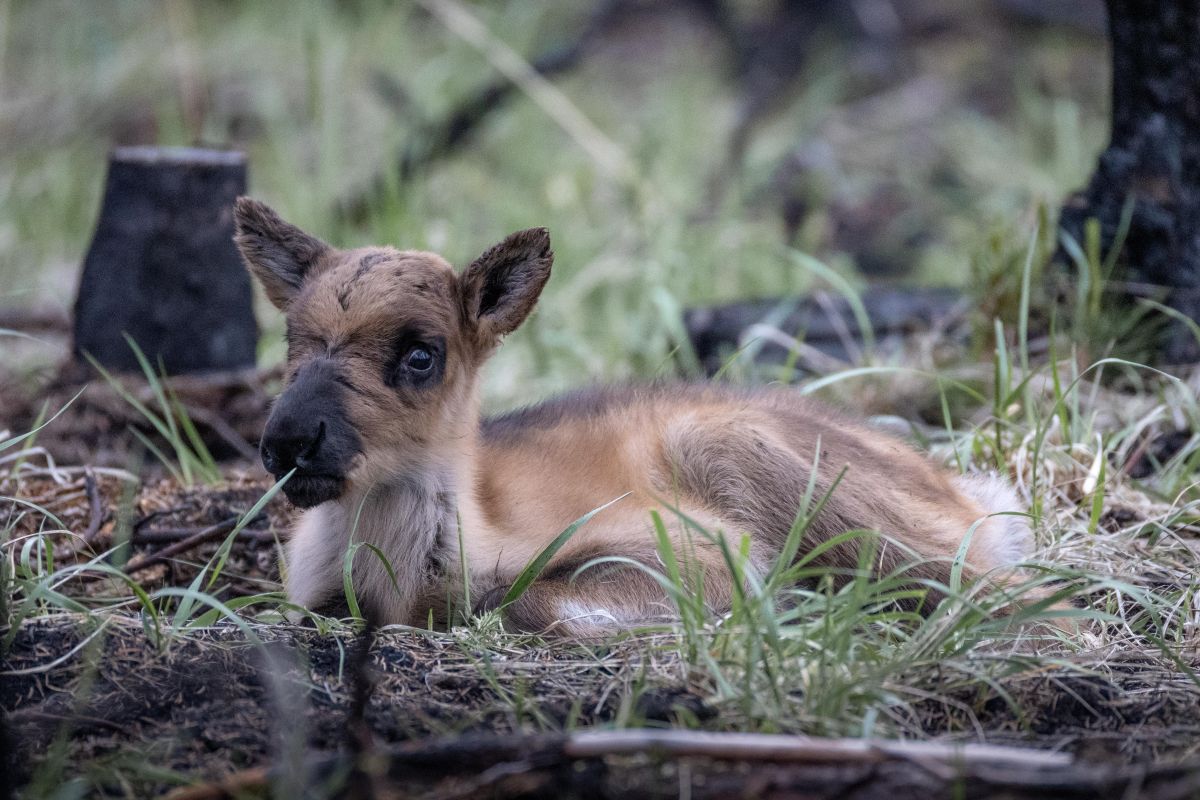
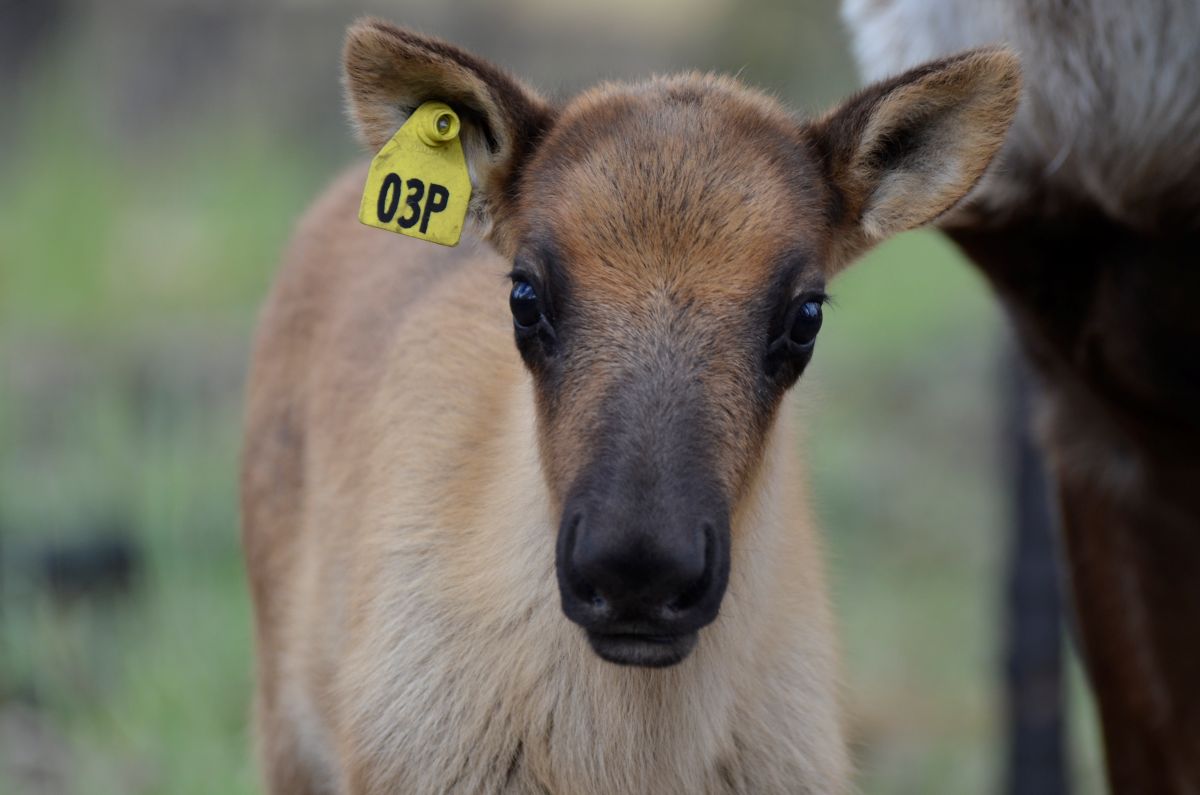
This spring, nine calves were born at the Caribou Conservation Breeding Centre between May 24 and June 9, 2026. Most weighed between 8 and 10 kilograms at birth.
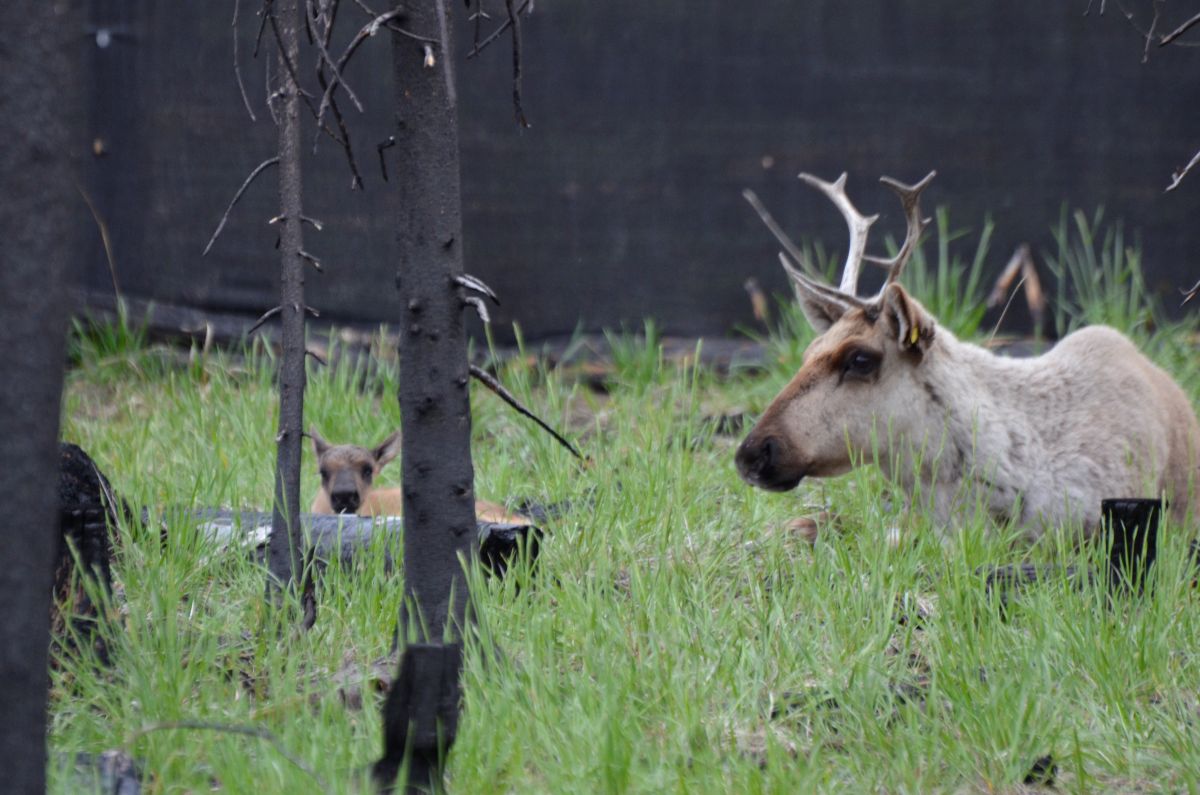
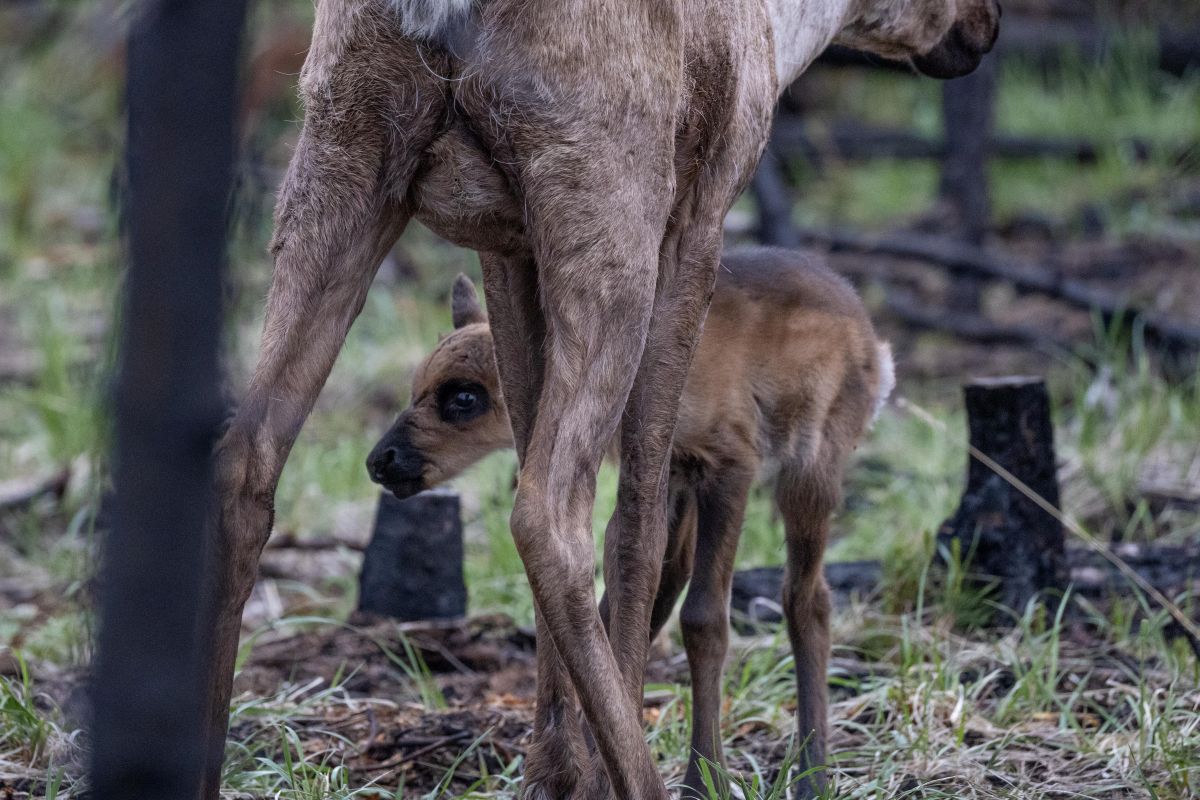
Many of the calves were born overnight this year, so the morning shifts were always exciting. When checking on the pregnant cows first thing, we never knew if there would be a new face there to greet us.
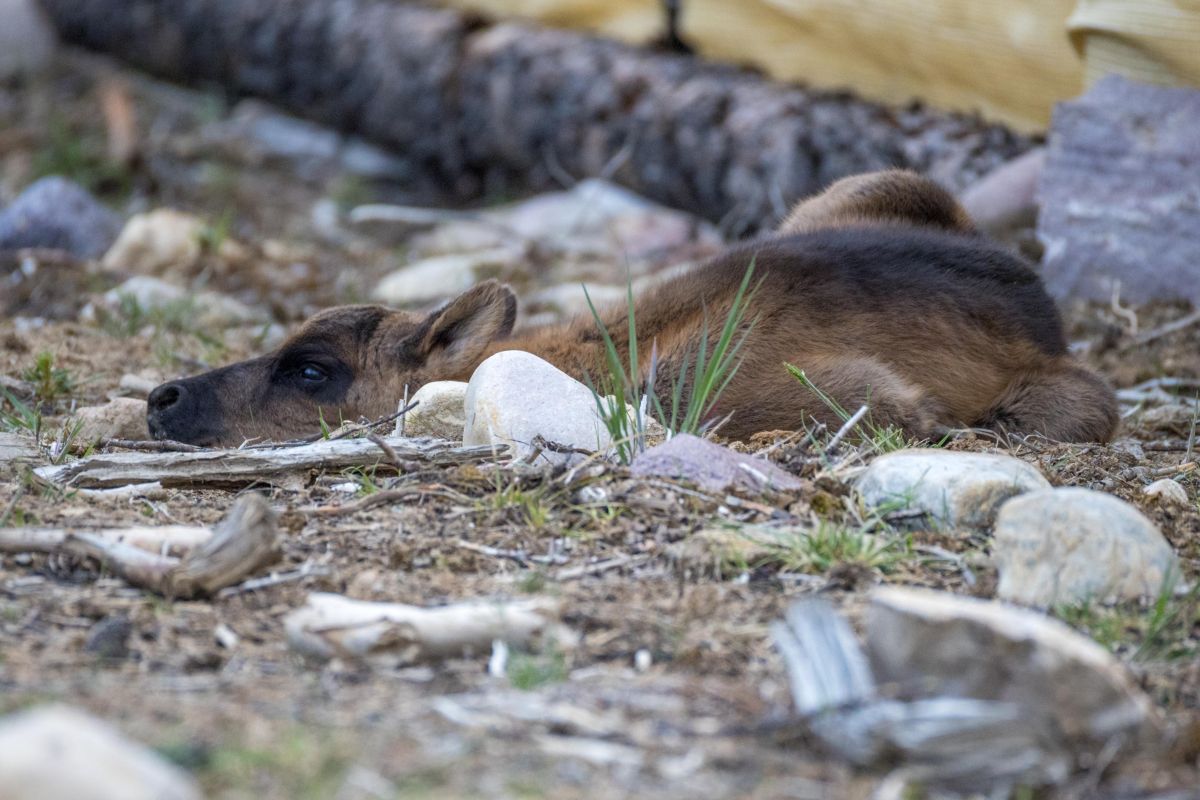
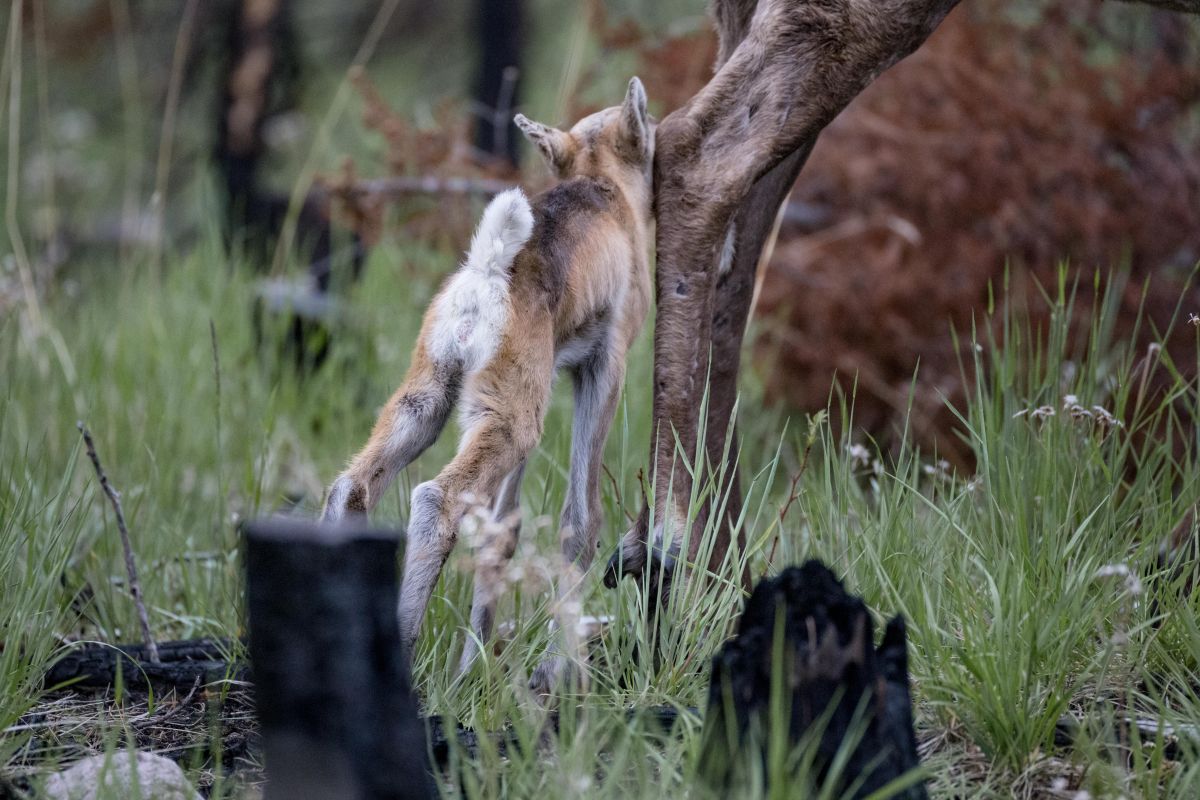
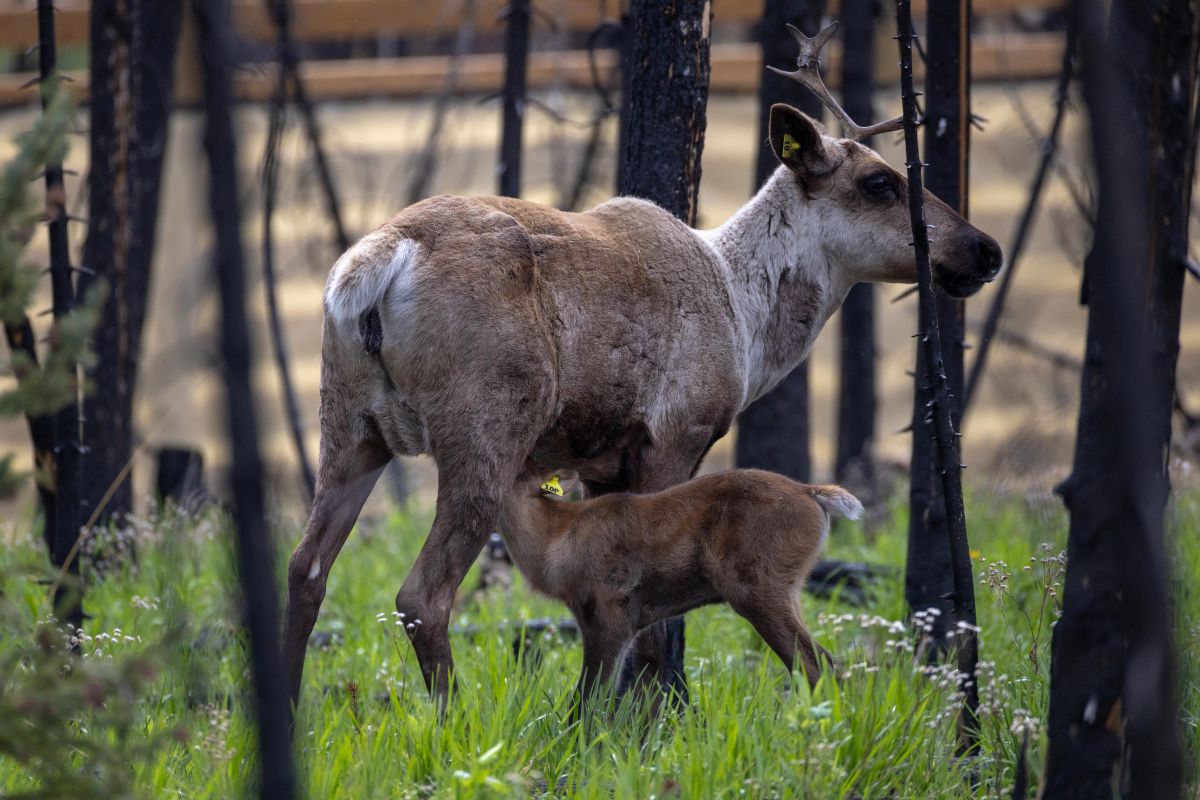
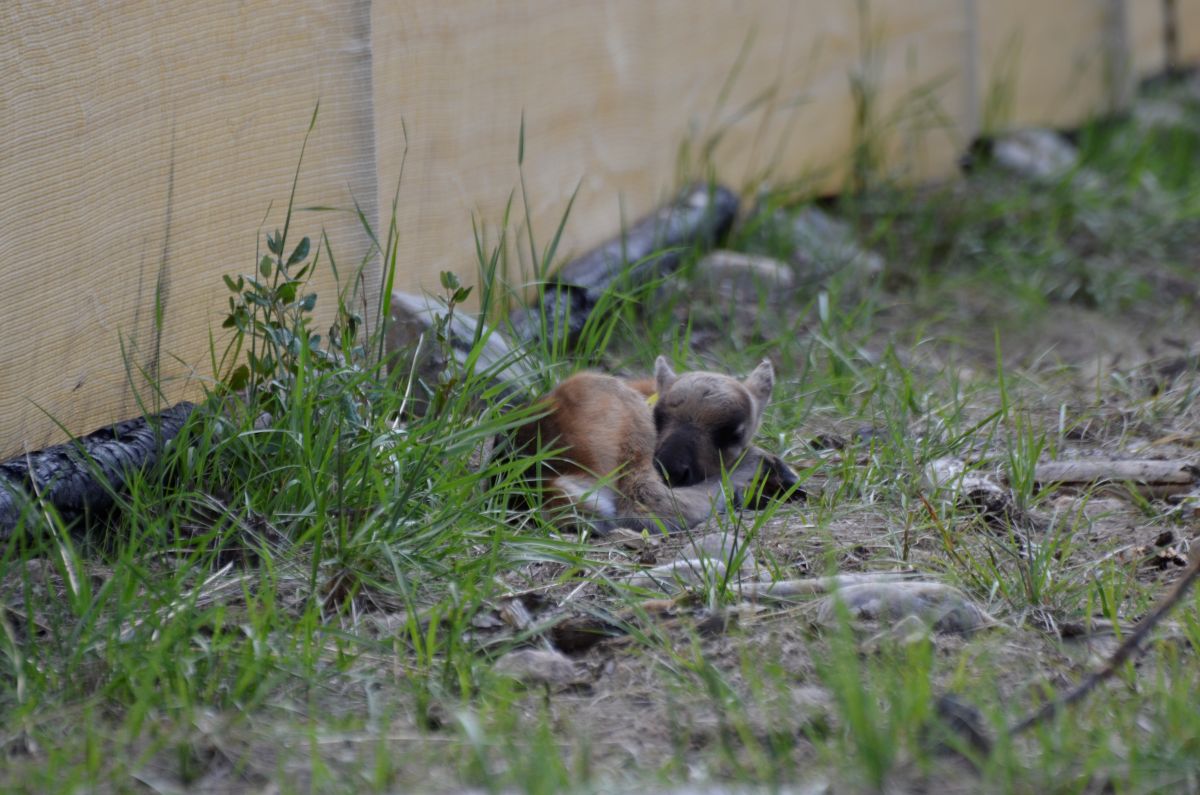
It’s quite special arriving in the quiet of the morning and spotting a tiny head hiding in the grass or a new calf trotting behind its mother. One of my favourite things to observe is when calves nurse. Their little tails stick straight up and wag back and forth, as if they are really enjoying their mealtime with mom.
Six of the calves were conceived at the breeding centre last fall, while three were conceived in the wild before their mothers entered the program. This second successful calving season marks another major milestone for caribou recovery, and demonstrates that caribou can successfully breed and raise calves at Parks Canada's Caribou Conservation Breeding Centre.
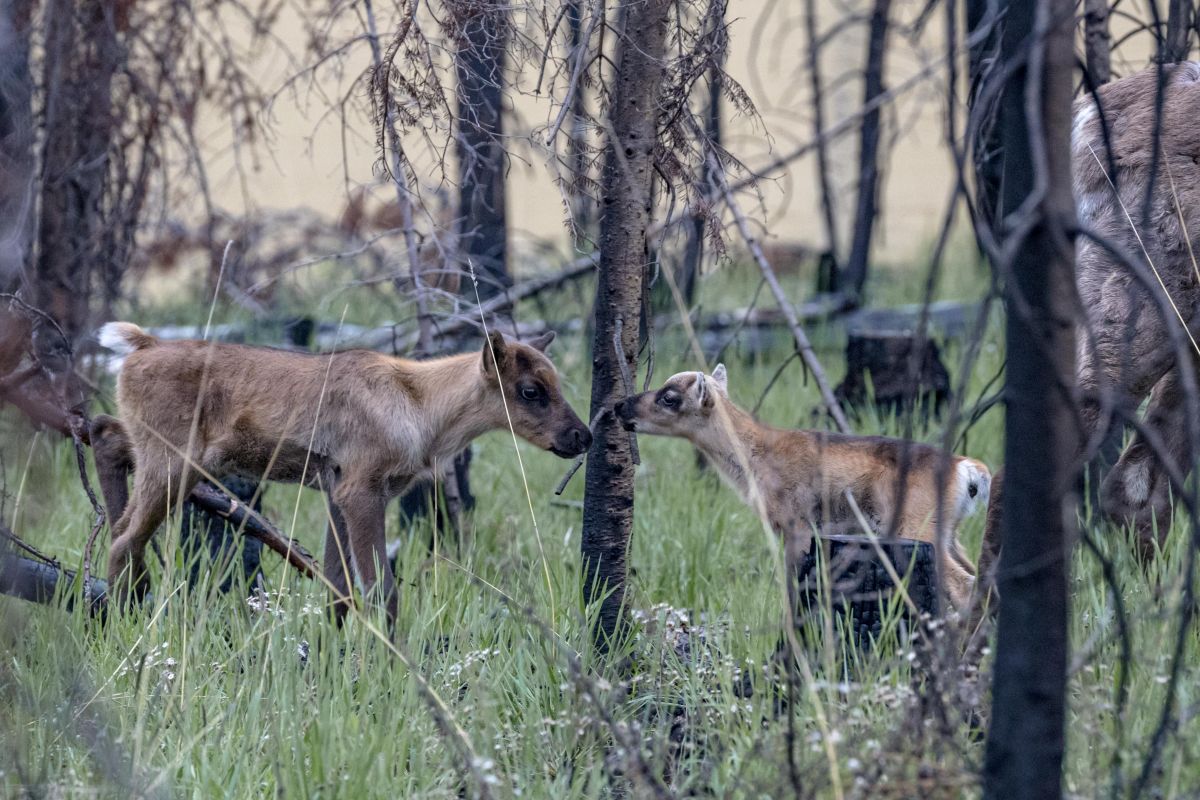
Having calves conceived at the breeding centre is incredibly encouraging. It shows the herd is settling in and exhibiting the natural behaviours we hoped to support when the program was established. Each healthy calf represents years of planning, collaboration and commitment, and gives us hope for the future.
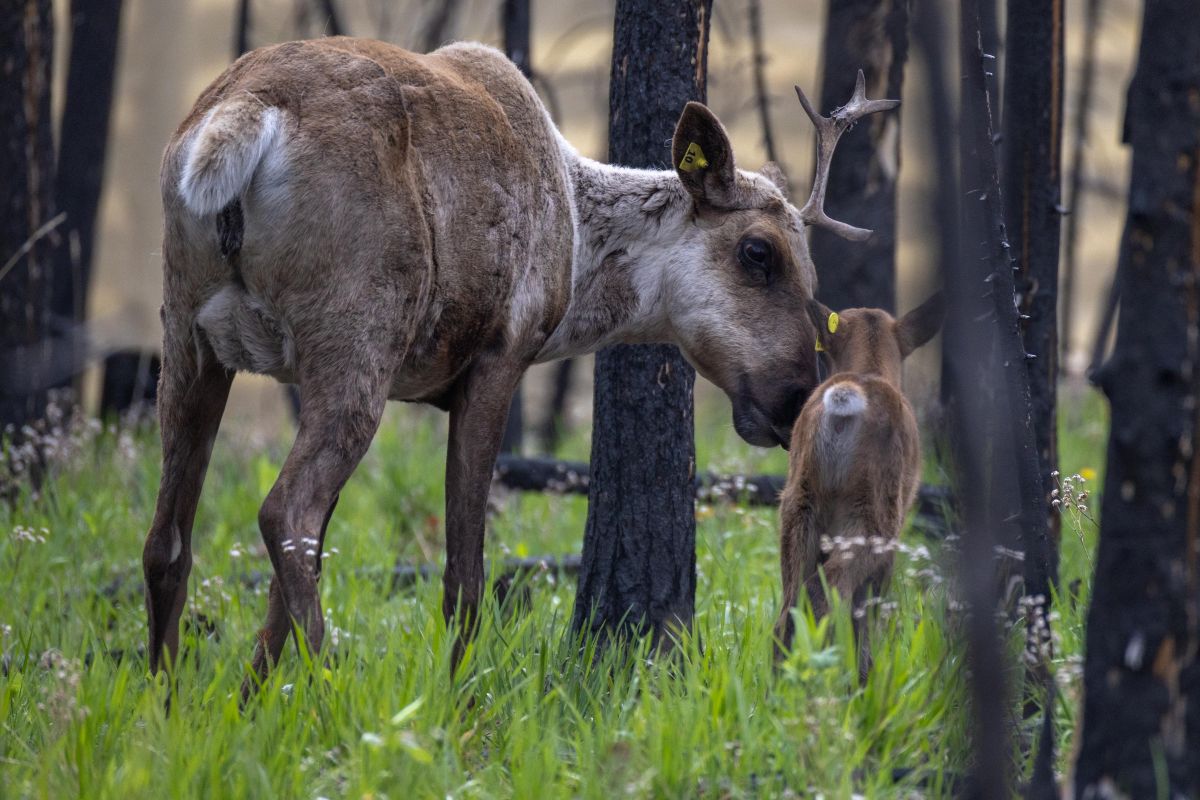
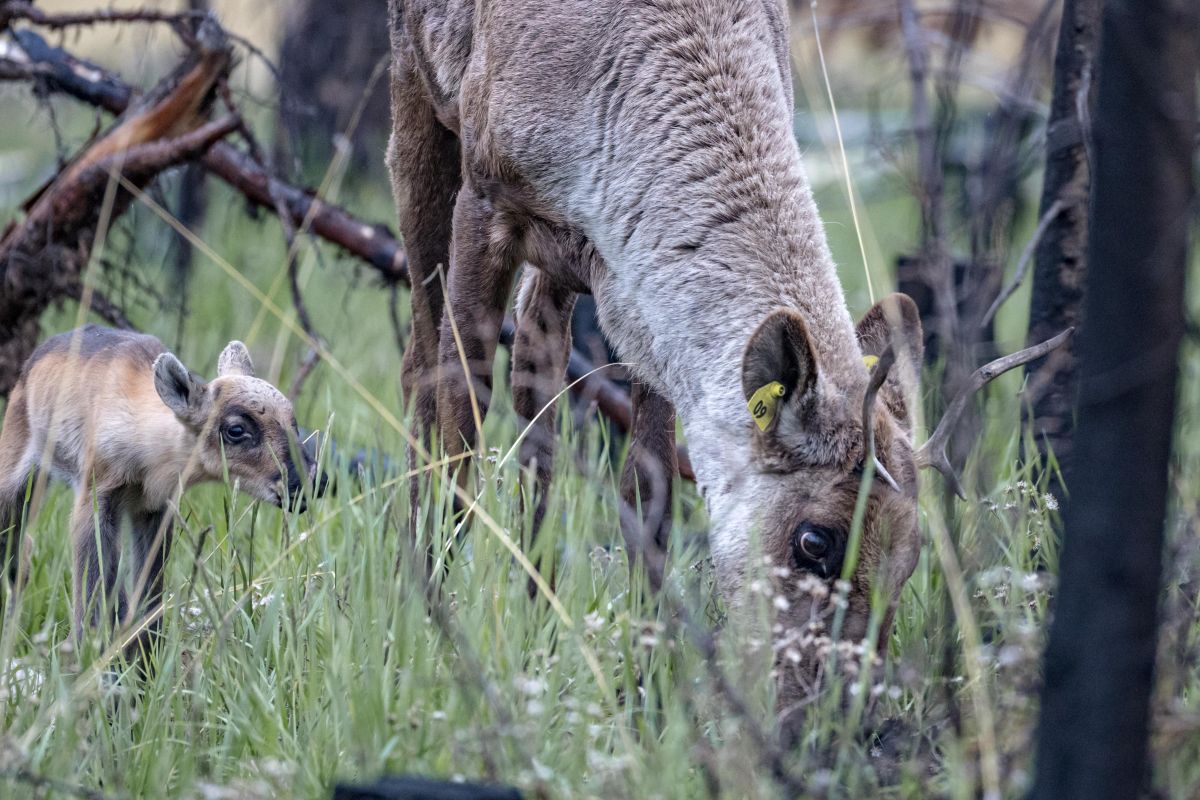
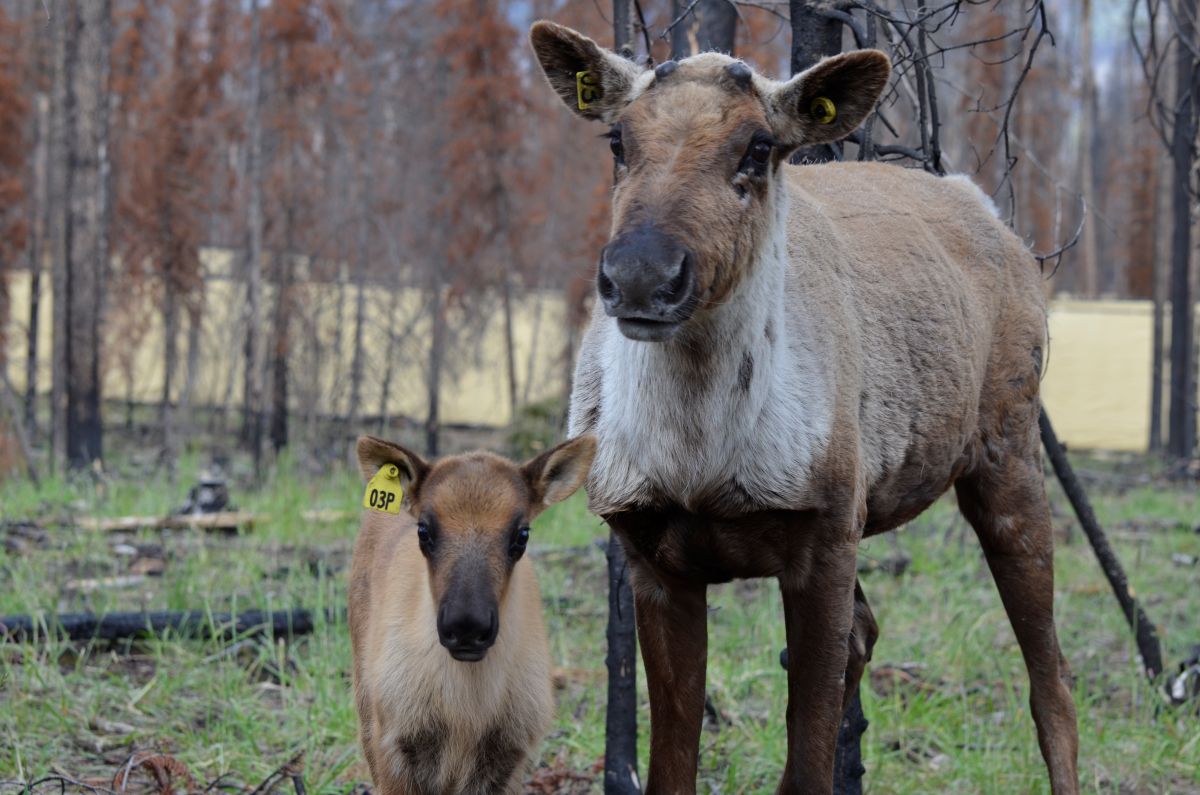
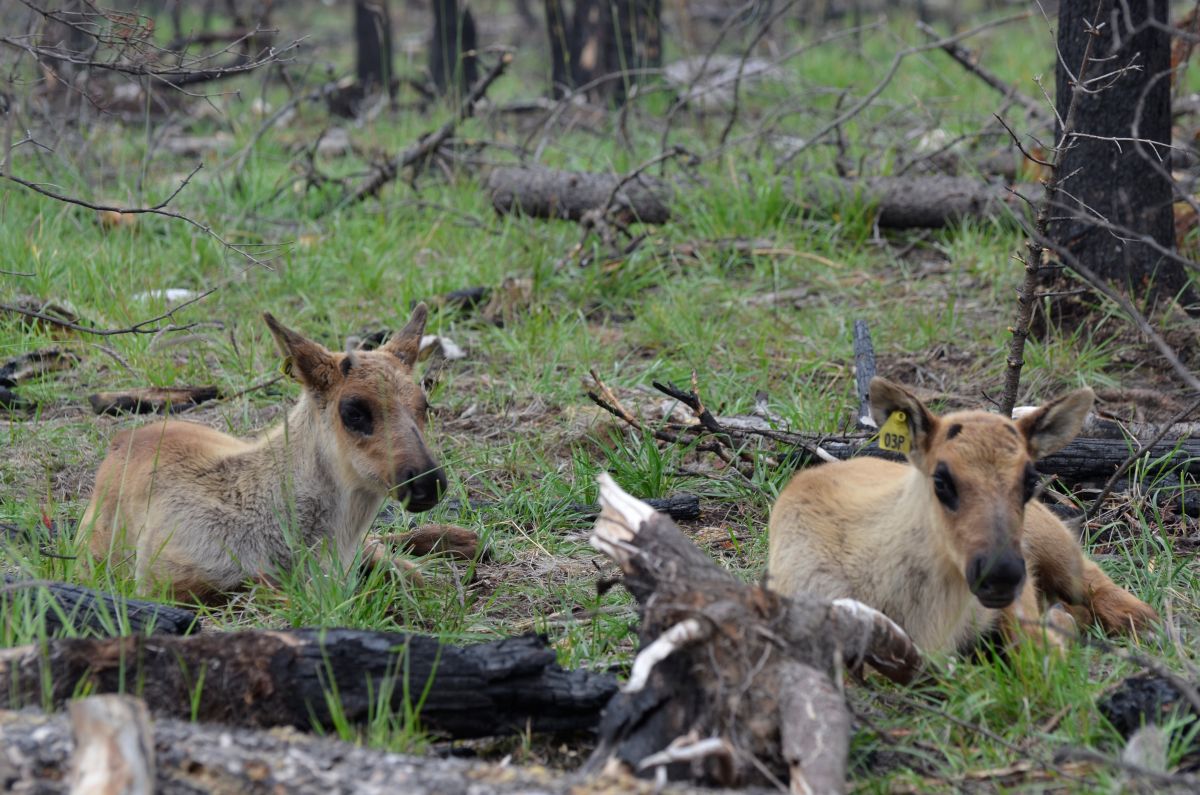
Eight of the nine calves are healthy and developing as expected. They are exploring their surroundings alongside their mothers, trying new foods, and becoming more independent each day. While they will continue nursing for several months, they are already beginning to graze and eat food pellets. Their mothers are also doing well and continue to provide attentive care.
Sadly, one female calf was found dead at 10 days old, having shown no signs of illness or injury. Veterinarians with the Caribou Recovery Program conducted a thorough post-mortem examination, which found damaged liver tissue. Despite extensive testing, the underlying cause could not be determined. Samples have been archived and may be re-examined in the future as diagnostic techniques continue to evolve.
While the loss of any animal is difficult, some mortality is expected in both conservation breeding programs and wild populations. In the wild, fewer than half of caribou calves survive their first year. At the Conservation Breeding Centre, 15 of 16 calves born since the program began have survived.
We follow established animal-care and veterinary best practices, and each calving season provides valuable knowledge that helps the program adapt and improve. Every experience strengthens our understanding of caribou calving and care.
Every calf born at the centre represents a step toward restoring self-sustaining caribou populations in Jasper National Park. With two successful calving seasons now complete, the conservation breeding program continues to build momentum and offer hope for the future of caribou recovery.
Select images to enlarge
- Date modified :