
James Shaver Woodsworth (1874–1942) National Historic Person
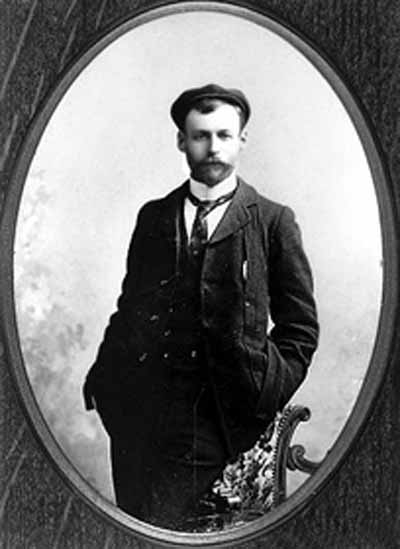
© Library and Archives Canada, C-055449
James Shaver Woodsworth was designated as a national historic person in 1972.
The Historic Sites and Monuments Board of Canada reviewed this designation in 2024.
Reasons for designation
As a Methodist pastor, social worker, and proponent of the social gospel, he confronted urban poverty through his mission in Winnipeg from 1907–1913 and called for reforms to Canadian society in extensive lectures and writings.
Woodsworth was the preeminent socialist political voice in Canada of his day, consistently calling for political, social, and economic reform. A strong supporter of the labour movement, a co- operative economy, pacifism, and social democracy, he served as a member of parliament for a Winnipeg riding from 1921 to his death in 1942. In 1933 he became the first parliamentary leader of the national Co-operative Commonwealth Federation.
His most famous work, Strangers Within Our Gates (1909), relied on commonly-held nativist views which saw racialized immigrants as threats and deployed a racist hierarchy in describing the potential adaptation of immigrants to Canada. As an influential Anglo-Protestant reformer widely read in the studies of his day, at times he proposed eugenic solutions to perceived problems in Canadian Society.
Review of designation
Reviews are undertaken on an ongoing basis to ensure that designations reflect current scholarship, shifts in historical understandings, and a range of voices, perspectives and experiences in Canadian society.
In 2024, this designation was reviewed to understand Woodsworth’s connection to the eugenics movement. The reasons for designation were broadened to include mention of his views and actions as a pastor and political voice in support of the advancement of eugenics.
Source: Historic Sites and Monuments Board of Canada, Minutes, June 2024.
The National Program of Historical Commemoration relies on the participation of Canadians in the identification of places, events and persons of national historic significance. Any member of the public can nominate a topic for consideration by the Historic Sites and Monuments Board of Canada.
- Date modified :